Ahead of Hunting Season: A Professional Hunting Gear Procurement Timeline to Ensure You Don't Miss the Peak Sales Period
- Share
- Issue Time
- Mar 16,2026
Summary
Learn the professional procurement timeline for hunting gear production to ensure inventory arrives before peak hunting season demand.
Introduction
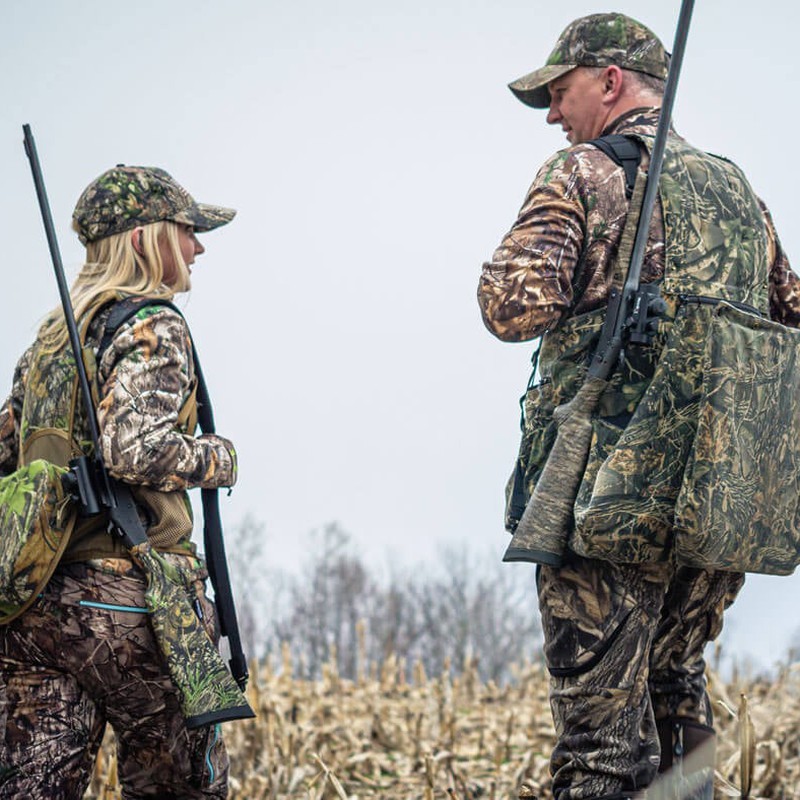
Unlike everyday fashion, hunting apparel follows a strict seasonal demand cycle. Hunters prepare months in advance for the season, and retailers stock inventory long before the first day of the hunt.
Miss that window? You may lose an entire year of sales.
Think about it like planting crops. If the seeds go into the ground too late, the harvest simply won’t happen.
According to data from the U.S. Fish & Wildlife Service, more than 15 million hunters participate in hunting activities annually in the United States alone, generating over $45 billion in economic activity.
A large portion of that spending goes toward gear such as:
camouflage jackets、insulated hunting pants、waterproof outerwear、cold-weather hunting suits
But here’s the problem many brands face:
hunting apparel production often takes 3–6 months from design to delivery.
Without a clear procurement timeline, brands risk missing the peak sales period entirely.
So how do experienced hunting gear brands ensure their products arrive on time?
Let’s break down the professional procurement timeline used by successful outdoor apparel companies.
Why Timing Is Everything in the Hunting Gear Market
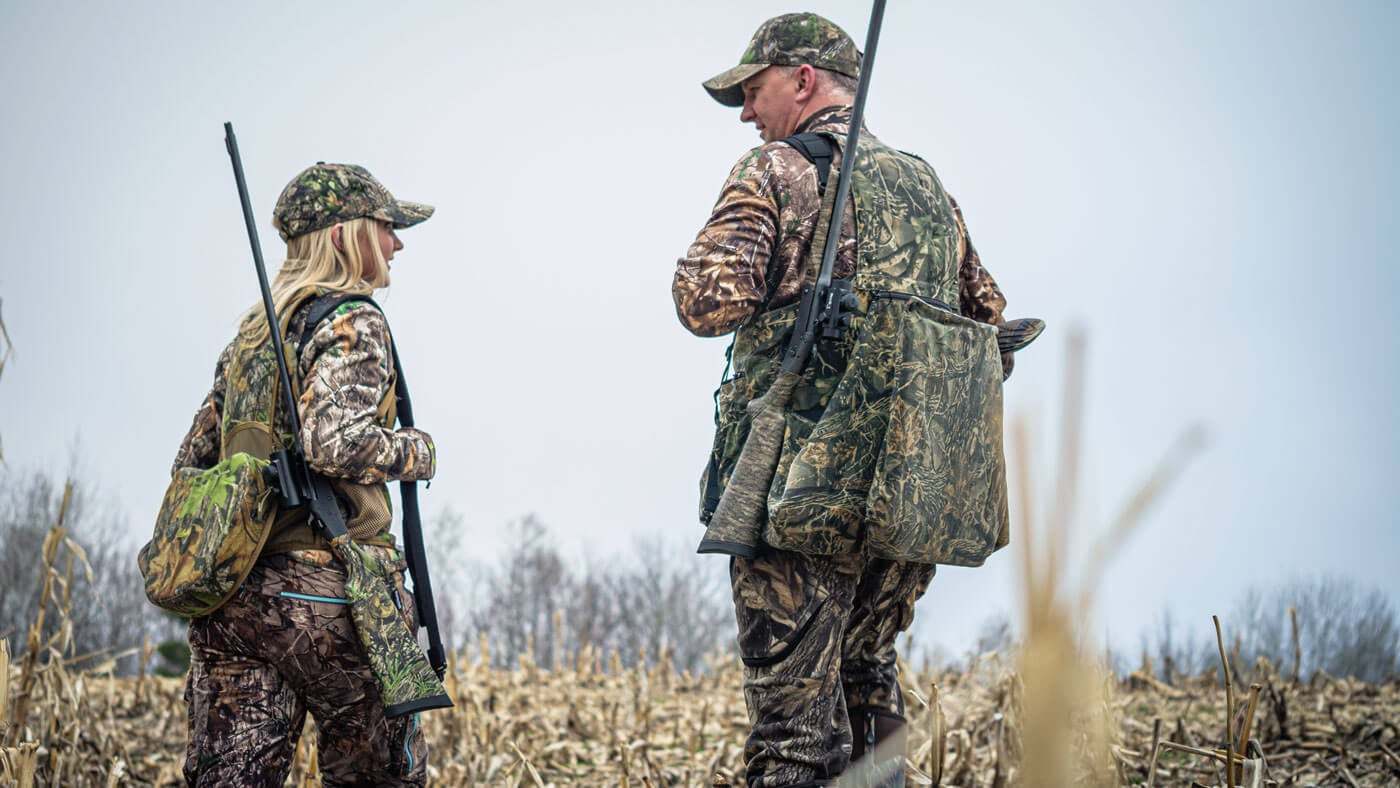
Hunting gear demand is heavily seasonal.
In North America and Europe, most hunting seasons begin between September and November, depending on the species and region.
Retailers usually start stocking inventory by late summer.
That means brands must deliver finished products months before the season begins.
According to Outdoor Industry Association research, over 70% of hunting gear sales occur within a 4–5 month seasonal window.
This compressed sales period creates enormous pressure on the supply chain.
For brands, the timeline typically looks like this:
| Stage | Time Required |
| Product design | 2–4 weeks |
| Sample development | 2–3 weeks |
Material sourcing | 3–5 weeks |
Bulk production | 4–8 weeks |
International shipping | 3–6 weeks |
Add it up, and the total process can easily exceed 4–5 months.
This is why early planning is essential.
Products such as custom hunting jackets and fishing apparel often require technical materials and specialized construction:
Without experienced manufacturers and careful scheduling, delays become almost inevitable.
Understanding the Hunting Gear Supply Chain — Why Production Takes Longer Than Expected
Many new brands underestimate how complex outdoor apparel production really is.
Hunting gear must withstand harsh environments, which means it often includes technical features such as:
waterproof fabrics、reinforced stitching、camouflage printing、thermal insulation、abrasion-resistant materials
Each of these features adds additional steps to production.
For example, waterproof hunting jackets may require:
laminated fabrics、seam taping processes、specialized waterproof testing
According to Textile World reports, garments with waterproof construction require 20–35% more production time than standard apparel.
Similarly, camouflage fabric often involves custom printing processes, which require minimum quantities and longer lead times.
For brands that also produce related outdoor gear categories like:
or urban outdoor gear such as:
production planning becomes even more complex.
That’s why professional procurement schedules are essential.
The Ideal Procurement Timeline for Hunting Apparel (Month-by-Month Planning)
To hit the peak sales season, brands should begin planning at least 6 months in advance.
Here’s a professional timeline used by many successful hunting gear brands.
Product Design and Market Planning
At this stage, brands define:
product categories、fabric requirements、camouflage patterns、target price points
Market research is essential.
Brands often analyze customer preferences such as:
insulation levels、waterproof ratings、lightweight vs heavy-duty designs
Sample Development
Next comes prototype creation.
Manufacturers produce sample garments for testing:
sizing accuracy、fabric performance、construction quality
This phase typically takes 2–3 weeks depending on design complexity.
Fabric Sourcing and Material Confirmation
Once samples are approved, suppliers begin sourcing materials such as:
camouflage fabrics、waterproof membranes、insulation materials
Fabric sourcing can be one of the longest steps, especially if materials are imported.
Bulk Production
With materials ready, factories begin large-scale production.
This stage includes:
cutting and sewing、seam reinforcement、quality inspection
For technical outdoor apparel, production usually requires 30–60 days.
Shipping and Distribution
Finally, products are shipped to warehouses or retailers.
International shipping may take 3–6 weeks, depending on logistics routes.
If brands want inventory ready by August, production should begin no later than May.
Common Procurement Mistakes That Cause Brands to Miss the Hunting Season
Despite careful planning, many brands still miss the sales window.
Why?
Here are the most common mistakes.
1. Starting Production Too Late
Many startups underestimate the time needed for development and production.
Delays during sampling or fabric sourcing can easily push timelines back several weeks.
2. Choosing Inexperienced Manufacturers
Outdoor apparel production requires specialized expertise.
Factories without experience in technical clothing may struggle with:
waterproof construction、durable stitching、complex garment designs
3. Poor Communication in Supply Chains
Miscommunication between designers, manufacturers, and suppliers often leads to production errors.
These mistakes require rework, which delays delivery.
This issue becomes even more critical for industrial apparel categories such as:
or safety gear like:
where product reliability is essential.
How Uniouter Helps Brands Deliver Hunting Apparel on Time and at Scale
In a seasonal market like hunting gear, experience matters.
With over 20 years of expertise in outdoor apparel manufacturing, Uniouter helps brands manage every stage of the production timeline.
Our services include:
Professional Product Development
We assist brands with:
technical design optimization、fabric recommendations、prototype development
Reliable Production Scheduling
Our manufacturing teams coordinate production to ensure seasonal deadlines are met.
This helps brands avoid costly delays.
Flexible Custom Manufacturing
we support a wide range of outdoor apparel categories — from hunting gear to industrial workwear.
We also produce specialized garments such as:
These garments require the same durability and reliability as outdoor apparel.
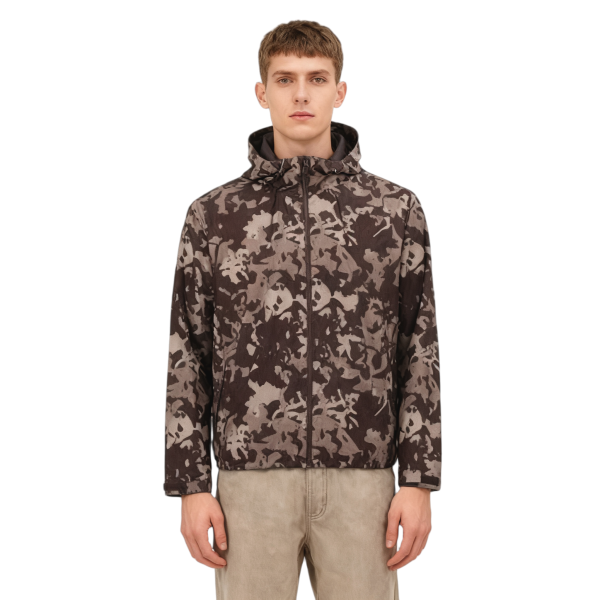
Custom Camo Hunting Jacket: Windproof, waterproof & perfect for outdoor adventures. OEM & wholesale available!
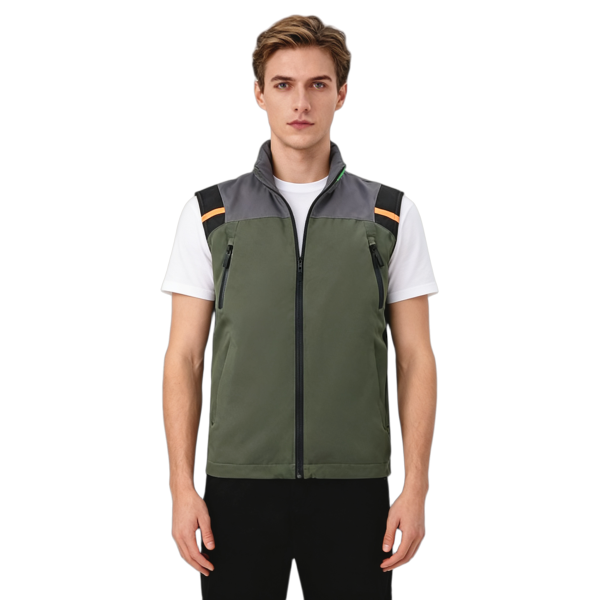
Custom fleece fishing vest, windproof, warm, and lightweight for comfort—ideal for unpredictable weather.
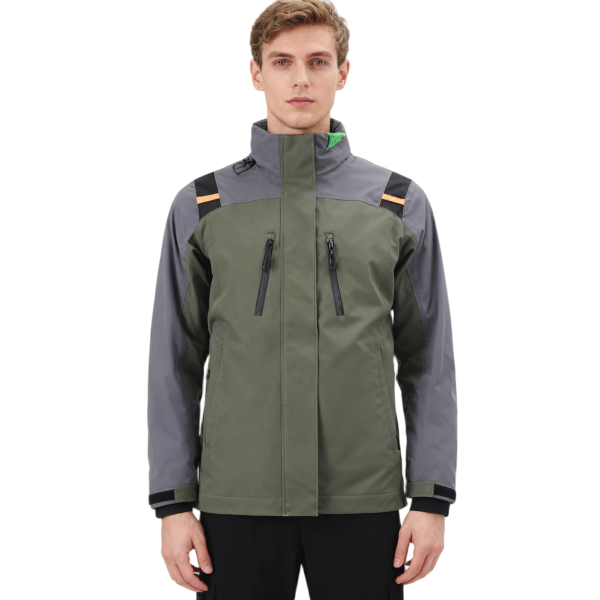
Custom OEM/ODM Windproof Fishing Jacket with Adjustable Cuffs & Velcro Closures, designed for ultimate comfort and protection.
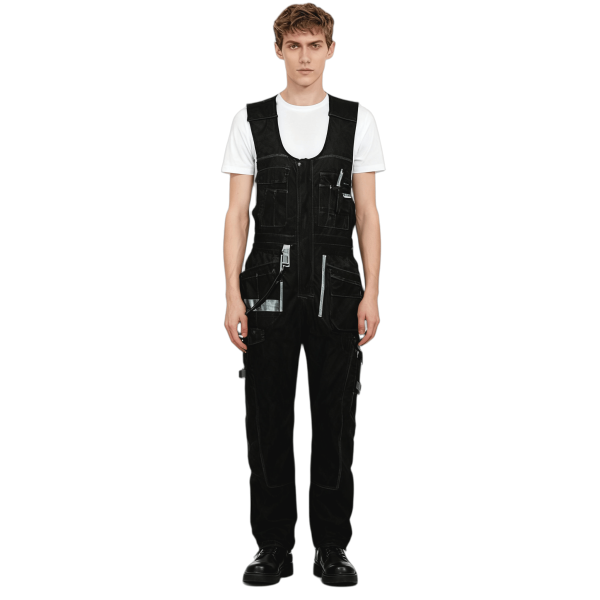
Durable denim overalls with wide suspenders for extra support, ideal for long days in agriculture.
Conclusion
In the hunting gear market, success depends on more than great product design.
It requires precise supply chain planning.
Brands that start procurement early — typically six months before hunting season — gain a major advantage.
They can:
secure high-quality materials、ensure production stability、deliver inventory before peak demand begins
But brands that delay production risk missing the most profitable sales window of the year.
By partnering with experienced outdoor apparel manufacturers like Uniouter, brands can streamline their procurement timeline and ensure their hunting gear reaches the market exactly when hunters need it most.
Because in seasonal industries, timing is everything.
FAQs
1. When should brands start producing hunting apparel for fall hunting season?
Ideally 5–6 months in advance to allow time for design, sampling, production, and shipping.
2. Why does hunting apparel take longer to manufacture than regular clothing?
Technical features such as waterproof fabrics, camouflage printing, and reinforced construction increase production complexity and time.
3. How can brands avoid missing peak hunting gear sales seasons?
Start procurement early, work with experienced manufacturers, and follow a structured production timeline.