Antibacterial Fabrics in Medical Workwear: Technology, Standards, and Applications
- Share
- publisher
- UniOuter
- Issue Time
- Sep 13,2026
Summary
A complete guide to antibacterial fabrics in medical workwear: silver ion, copper, zinc pyrithione, chitosan treatments; inherent vs topical technology; AATCC and ISO test standards; target organisms including MRSA; wash durability; comfort; regulatory compliance; and sustainability considerations.
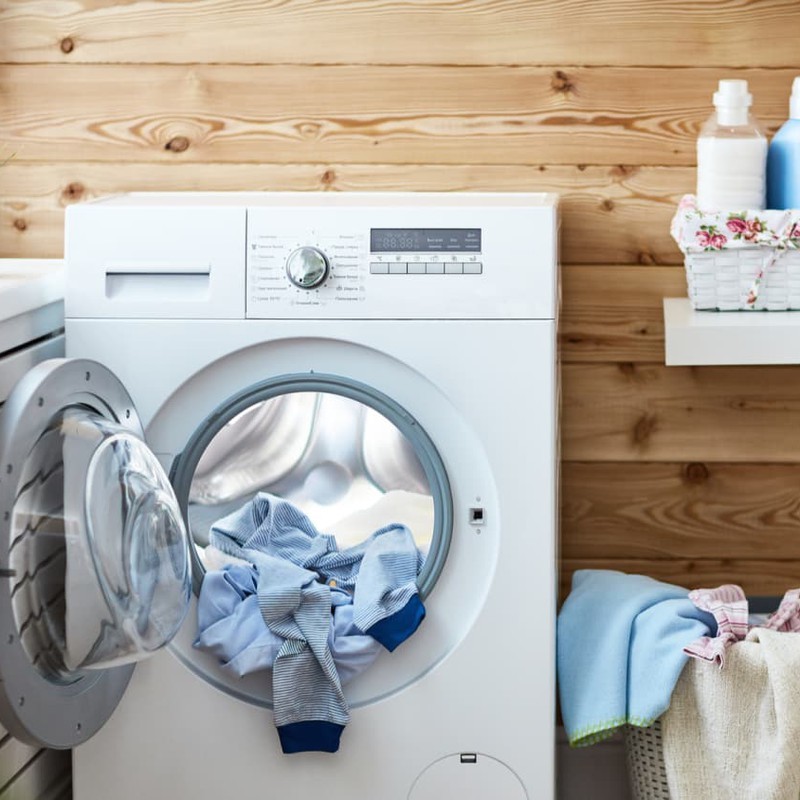
Antibacterial fabrics have moved from laboratory curiosity to standard specification in medical workwear, driven by healthcare-acquired infection (HAI) awareness and pandemic-era hygiene expectations. This guide explains how the technologies work, which standards verify performance, what the regulatory landscape demands, and what buyers should require when sourcing antibacterial scrubs and clinic wear.
For broader workwear sourcing context, see our workwear manufacturing guide and certifications guide.
How Antibacterial Fabric Works
Antibacterial textile treatments disable bacteria through four main mechanisms, each with different durability, spectrum, and cost profiles.
- Silver ion technology. Silver ions disrupt bacterial cell membranes and enzyme function. Applied as silver-infused fibers (inherent) or as finishing treatments (topical). Broad spectrum, well-documented safety, and the dominant technology in performance apparel.
- Copper-infused fibers. Copper ions work similarly to silver but with additional antiviral and antifungal activity. Copper-impregnated yarns are used in socks and high-touch apparel; heavier than silver, with a characteristic color.
- Zinc pyrithione. A proven topical antimicrobial finish effective against bacteria and fungi; common in activewear and medical applications. Cost-effective but wash durability depends on application method.
- Chitosan treatments. Derived from chitin (shrimp and crab shells), chitosan is inherently antimicrobial and biocompatible. Used in fiber blends and finishing; the bio-based alternative for brands prioritizing natural chemistry.
A terminological distinction matters: antibacterial covers bacteria only; antimicrobial includes bacteria, fungi, viruses, and parasites. Marketing often conflates them; standards test specifically. Read the test reports, not the marketing copy.
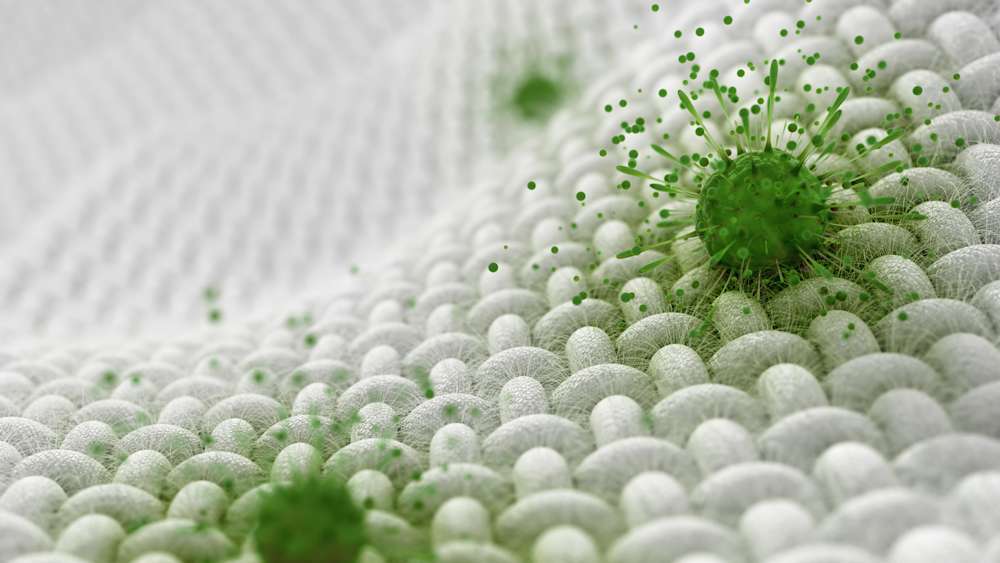
Add photo here: close-up of antibacterial fabric fibers under microscope showing silver ion treatment structure
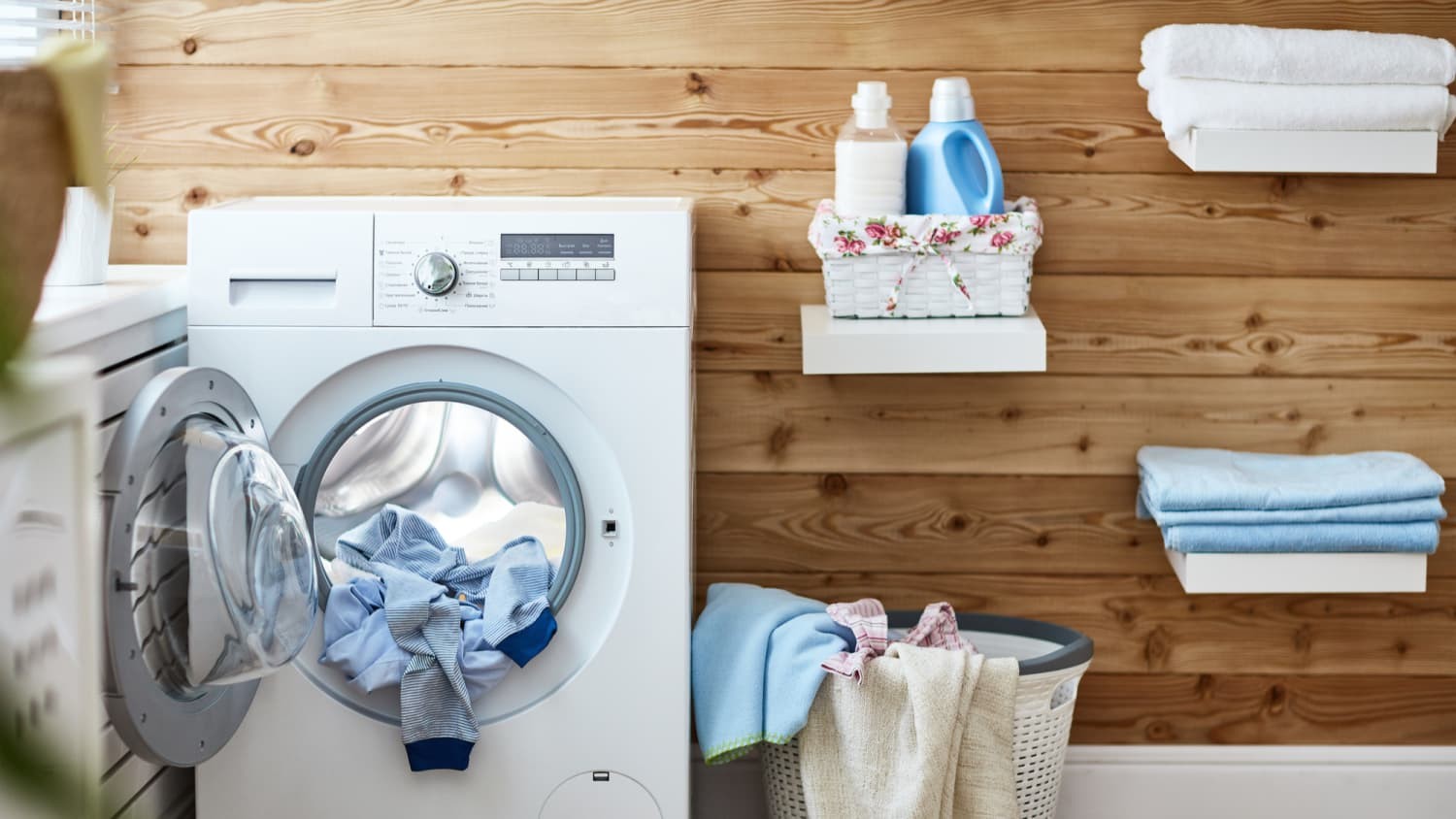
Inherent vs Topical Technology and Wash Durability
Inherent antibacterial fabrics embed the active agent in the fiber itself - silver-infused yarn, copper-core fibers, chitosan-blended spinning. The protection lasts the fiber's life because it cannot wash out. The trade-off is higher fabric cost and limited fiber choice (the active must be compatible with the polymer).
Topical (finishing) treatments coat the fabric surface with an antimicrobial agent after weaving. Cheaper, more flexible (can apply to any fiber), but wash durability is finite - the treatment eventually leaches or degrades. Most topical treatments specify wash-cycle performance (commonly 30-50 home washes); industrial laundering cycles are harder on finishes and require specifically rated products.
For medical workwear laundered at high frequency, inherent protection typically delivers lower lifetime cost despite higher fabric cost - the garment maintains rated antibacterial performance through its service life rather than degrading after a few months. Match technology to the garment's wash reality.
Performance Standards and Target Organisms
Three standards dominate antibacterial textile testing:
- AATCC 100. Quantitative test measuring bacterial reduction (%) over 24 hours against specified organisms (commonly S. aureus and K. pneumoniae). A 99.9% reduction is the common performance threshold for marketing "antibacterial."
- AATCC 147. Qualitative parallel streak method - faster and cheaper, used for screening rather than performance claims. Results are zones of inhibition, not reduction percentages.
- ISO 20743. The international quantitative standard; harmonized with AATCC 100 in principle but with different test methods and reporting. Specify which standard you require.
Target organisms should reflect the use case: Staphylococcus aureus and Klebsiella pneumoniae are the standard test pair; MRSA (methicillin-resistant S. aureus) is relevant for healthcare settings; E. coli covers gram-negative contamination. Ask which organisms were tested - "antibacterial" without organism data doesn't tell you what the fabric actually defeats.
Add photo here: laboratory technician conducting AATCC 100 bacterial reduction test on antibacterial fabric swatches
Comfort, Design, and Regulatory Requirements
Antibacterial performance means nothing if clinicians refuse to wear the garment. Medical workwear design balances protection with comfort: breathable fabric structures (moisture management matters in warm clinical environments), soft hand feel (scrubs touch skin all shift), ergonomic patterns for clinical movement (reaching, bending, crouching), and pocket design for the tools clinicians actually carry. Antibacterial finishes sometimes stiffen hand feel - request swatches before committing.
Regulatory requirements vary: in the US, medical-grade textile claims may involve FDA considerations depending on intended use and claim language; the EU applies biocidal product regulations (BPR) to antimicrobial treatments - the active substance must be approved for that use; Japan has its own antibacterial textile standards (SEK mark). Marketing claims must align with regulatory allowance: "antibacterial" performance claims that imply infection prevention cross into regulated medical device territory. Work with your manufacturer's regulatory team to scope claims correctly.
UniOuter manufactures antibacterial medical workwear - breathable antibacterial fabric, scrub suits, nursing vests, and clinic wear - with verified performance and compliance documentation. Explore the product catalog, review capabilities on the design page, or send an inquiry with your test-organism and wash-cycle requirements. More about our factory is on the about page, and the purchasing guide covers commercial terms.
Shop Medical Workwear
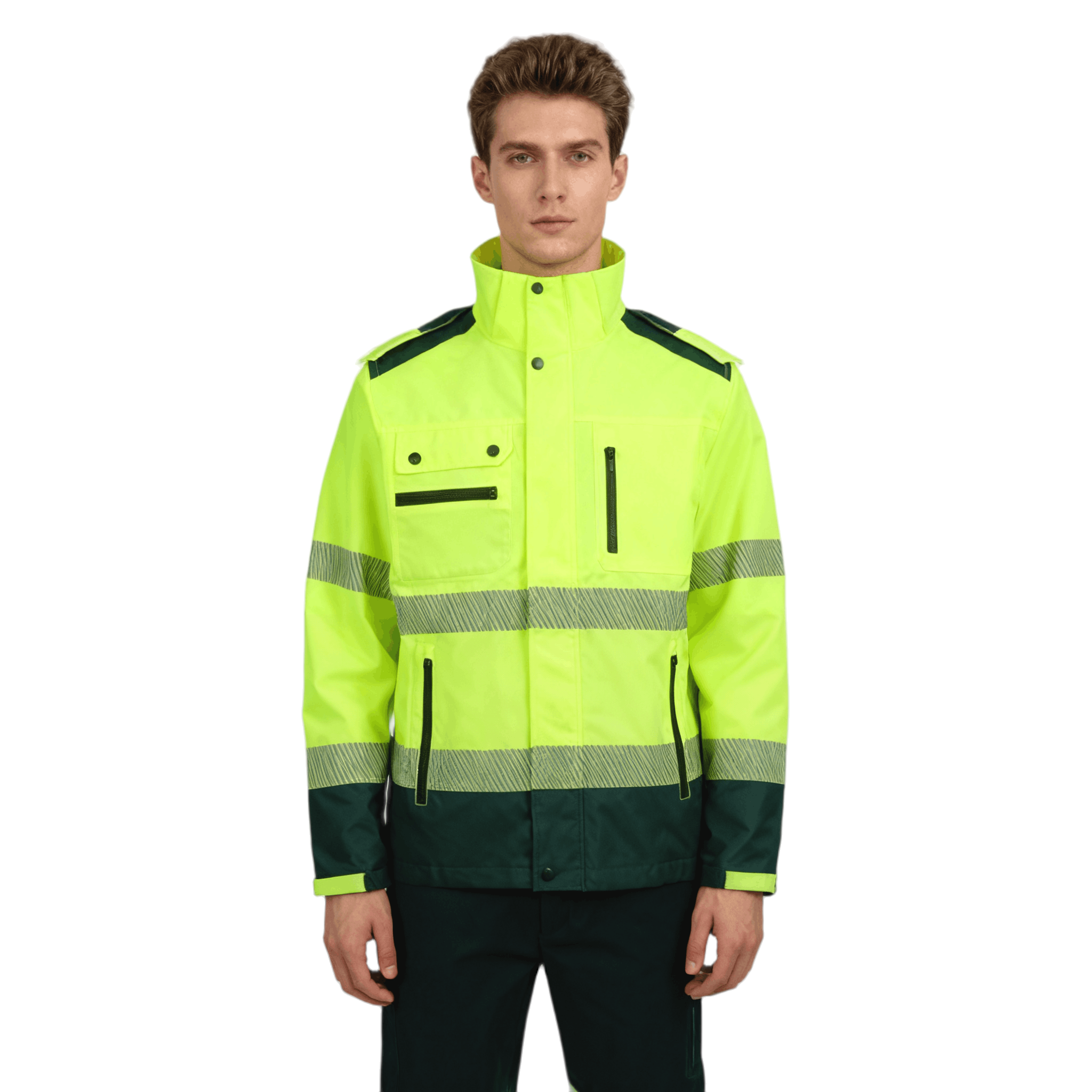
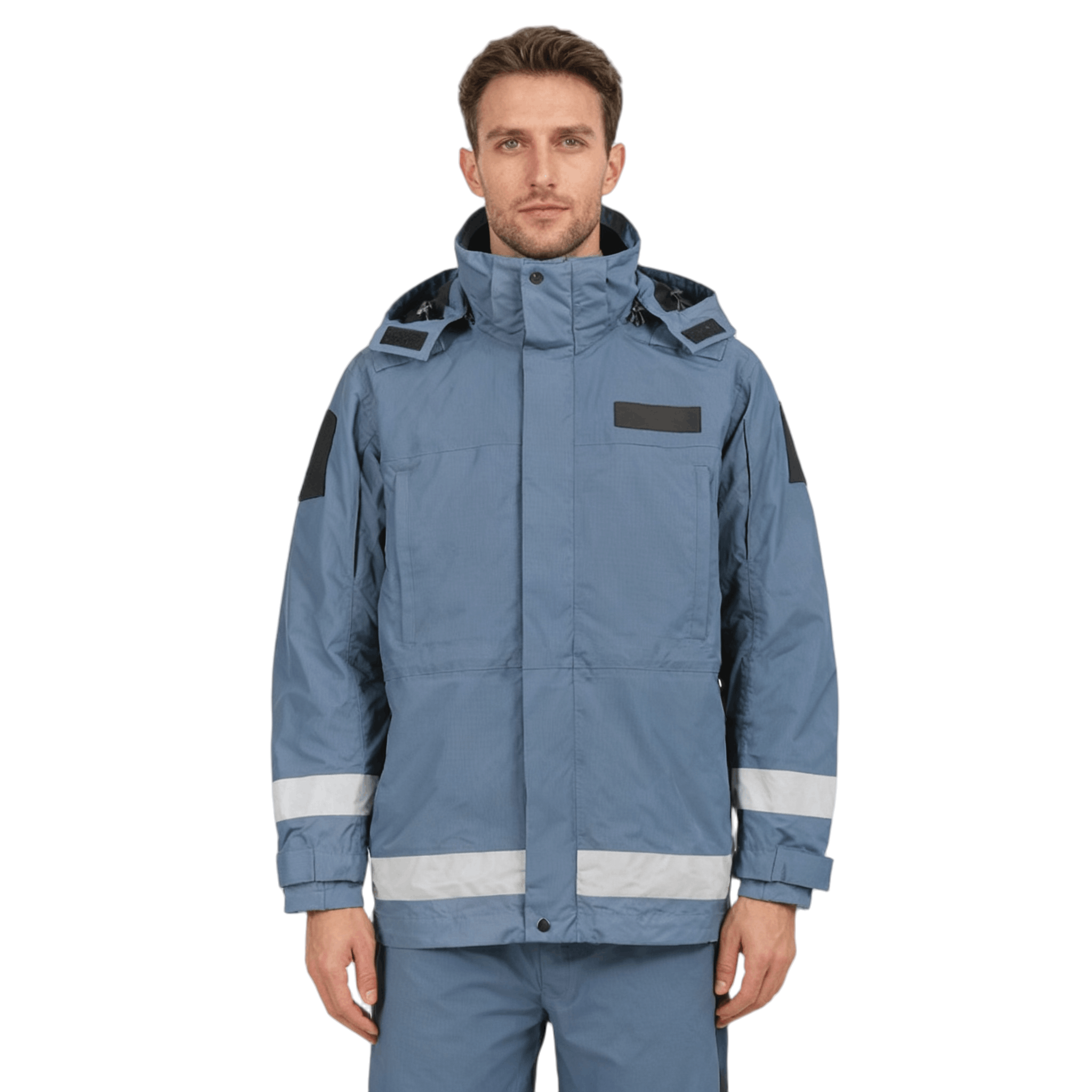
These garments belong to our custom medical uniforms programme — medical scrubs, nursing uniforms and hospital uniforms specified around the fabric and the laundry regime your facility actually runs.

Frequently Asked Questions
Generally yes for technologies with established safety profiles like silver ion and chitosan - OEKO-TEX certification covers the skin-contact safety of treated textiles. Confirm with the manufacturer that the active agent and its concentration are approved for skin-contact use in your market, and request OEKO-TEX certification on the finished fabric.
Inherent treatments (silver-infused fibers, chitosan blends) last the garment's life. Topical finishes typically survive 30-50 home washes; industrial laundering requires finishes specifically rated for it. Always specify wash-cycle performance - a fabric rated 99.9% reduction new but degrading after 10 washes is a different product than one maintaining that performance through 50.
Antibacterial covers bacteria only. Antimicrobial is broader - bacteria, fungi, viruses, and parasites. Marketing often uses them interchangeably, but test standards verify specific organisms. Read the test report: AATCC 100 tests bacteria; antiviral claims need different testing (typically ISO 18184).
Antibacterial fabric reduces bacterial load on the garment surface, which is one component of infection control. It does not by itself prevent HAIs - hand hygiene, surface disinfection, and clinical protocols remain primary. Marketing claims implying infection prevention may cross into regulated medical device territory. Scope claims to what the fabric demonstrably does: reduce surface bacteria.
At minimum Staphylococcus aureus and Klebsiella pneumoniae (the standard AATCC 100 pair). For healthcare use, MRSA and E. coli add clinically relevant coverage. Ask for test reports naming the exact organisms tested - "antibacterial" without organism specification doesn't tell you what the fabric defeats.