Best Fabrics for Outdoor Clothing: Waterproof, Breathable, and Durable Explained
- Share
- Issue Time
- Apr 10,2026
Summary
Best outdoor fabrics explained: waterproof, breathable, and durable materials for high-performance apparel.
Why Fabric Choice Matters More Than Ever in Outdoor Apparel
Let’s start with a simple question:
Why do some outdoor jackets feel amazing… while others feel like wearing a plastic bag?
The answer is almost always the fabric.
In 2026, outdoor clothing isn’t just about looking rugged—it’s about performance engineering. According to industry data, over 70% of product returns in outdoor apparel are related to comfort and performance issues, not style.
That’s huge.
Modern Consumers Expect More Than Ever
Today’s users demand:
Protection from rain and wind、Breathability during movement、Durability for long-term use
And here’s the tricky part:
They want all three in ONE garment.
That’s like asking a car to be fast, fuel-efficient, and cheap at the same time. Possible? Yes. Easy? Not at all.
Common Fabric Selection Mistakes (That Cost You Money)
Many brands—especially new ones—make these mistakes:
Choosing waterproof fabrics without breathability
Ignoring durability for lightweight comfort
Overpaying for branded fabrics without understanding performance
The result?
High return rates、Poor customer reviews、Lost brand trust
Waterproof Fabrics Explained: How They Work and When to Use Them
Let’s break this down in plain English.
Waterproof fabrics don’t just “block water”—they’re engineered systems.
Coated vs Membrane Fabrics
There are two main types:
1. Coated Fabrics (PU Coating)
A layer of polyurethane is applied to the fabric
Cost-effective and widely used
Good waterproof performance
Best for:
Budget-friendly rainwear
Lightweight jackets
Downside: Limited breathability
2. Membrane Fabrics (Advanced Technology)
Use microscopic pores to block water while allowing vapor out
Higher performance and comfort
Best for:
Hiking jackets、Mountaineering gear
Waterproof Ratings Matter
Waterproof performance is measured in mm ratings:
5,000mm → Light rain、10,000mm → Moderate rain、20,000mm+ → Heavy rain / extreme conditions
Most high-quality outdoor jackets fall between 10,000–20,000mm.
The Real Problem Buyers Face
Waterproof ≠ Comfortable
Many B2B buyers focus only on waterproof levels and ignore breathability.
Result?
Customers sweat inside the jacket and complain.
Breathable & Moisture-Wicking Fabrics: Comfort in Motion
Now let’s talk about comfort—the part people notice instantly.
What Does “Breathable” Actually Mean?
Breathability is the fabric’s ability to let moisture vapor escape.
Measured in:
g/m²/24h (moisture vapor transmission rate)
Typical values:
5,000 → Basic breathability
10,000 → Good performance
20,000+ → High-performance sportswear
Best Breathable Fabric Options
1. Polyester Blends
Lightweight and quick-drying
Cost-effective
2. Nylon Fabrics
Stronger than polyester
Slightly less breathable but more durable
3. Softshell Fabrics
Combine stretch, breathability, and water resistance
Ideal for urban outdoor wear
Why Breathability Is a Game-Changer
Imagine hiking uphill in a non-breathable jacket.
You’re dry from rain… but soaked in sweat.
That’s why breathable fabrics are critical for:
Hiking、Trekking、Commuting
Durable Fabrics: Built to Last in Harsh Environments
Now let’s talk about durability—the silent dealbreaker.
What Makes a Fabric Durable?
Key factors include:
Denier (fabric thickness)、Weave structure、Coating quality
For example:
70D–100D → Lightweight use、150D–300D → Heavy-duty applications
Top Durable Fabric Choices
1. Nylon Ripstop
Reinforced grid structure
Prevents tearing
2. Cordura Fabric
Extremely abrasion-resistant
Used in military and tactical gear
3. Polyester Heavy Blends
Cost-effective durability
Good for mass production
The Balance Problem
Here’s the challenge:
More durability = less comfort (usually)
Heavy fabrics can feel stiff and bulky.
So the goal is balance:
Durable enough for performance、Comfortable enough for daily wear
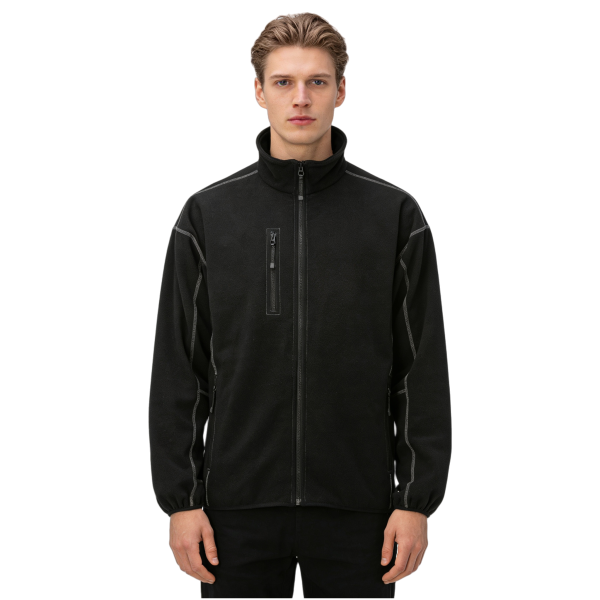
Lightweight Windbreaker Hiking Jacket – Easy to Pack and Carry, Perfect for Outdoor Treks.
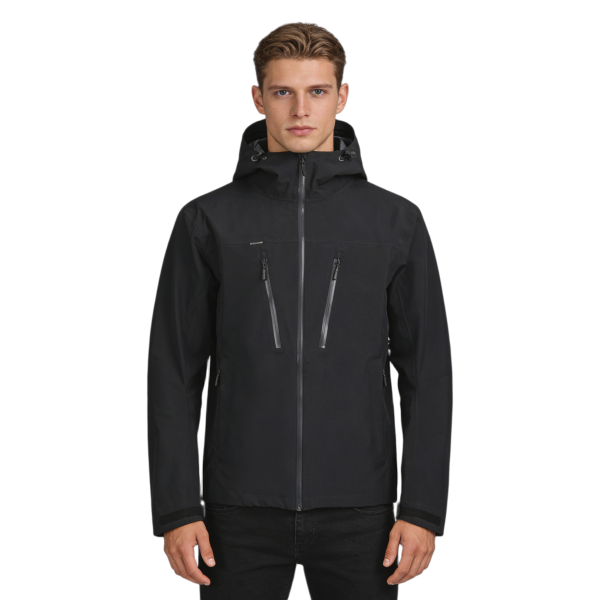
3-Layer Mountaineering Jacket – Enhanced Wind & Water Resistance, Ideal for Plateau and Mountain Wear.
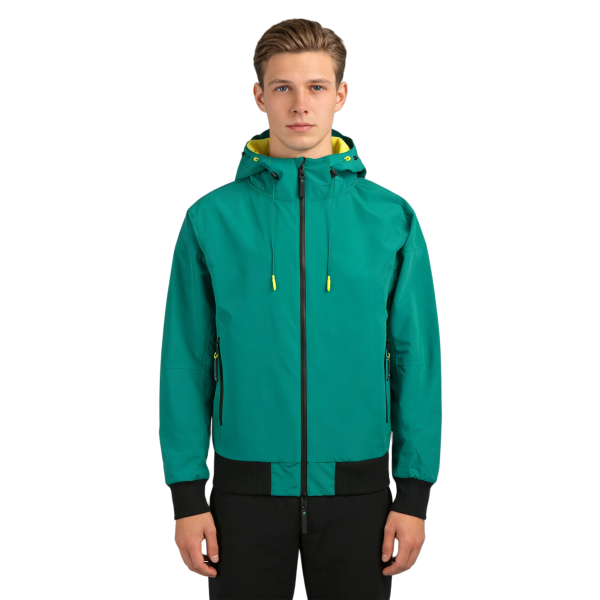
Waterproof mountain jacket with high-tech fabric, tailored fit, supports wholesale, ideal for outdoor adventures.
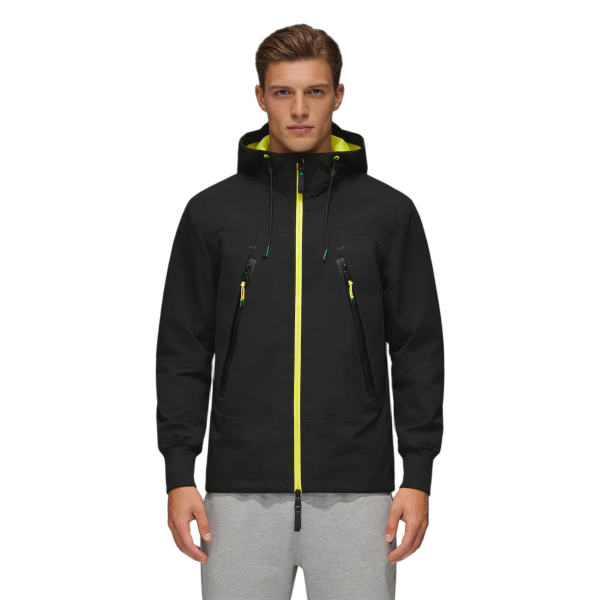
Hiking windproof jacket, adjustable hat, waterproof zipper, elastic cuffs, high-performance fabric, lightweight, warm
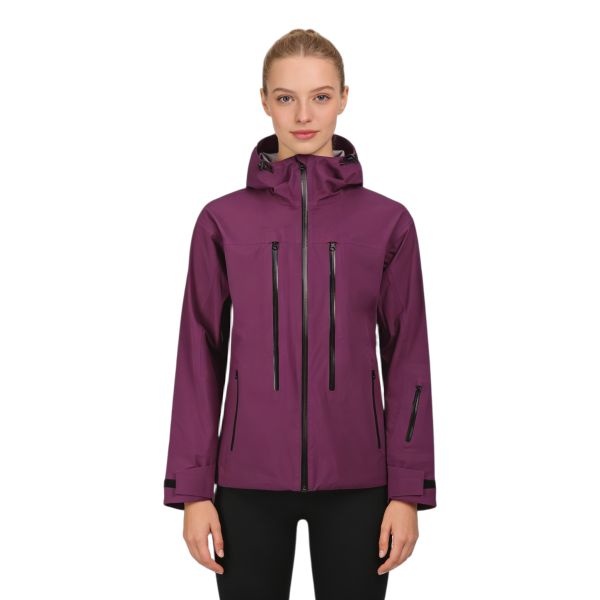
Women's waterproof hiking jacket, blends function and fashion , supports OEM customization, ideal for outdoor enthusiasts.
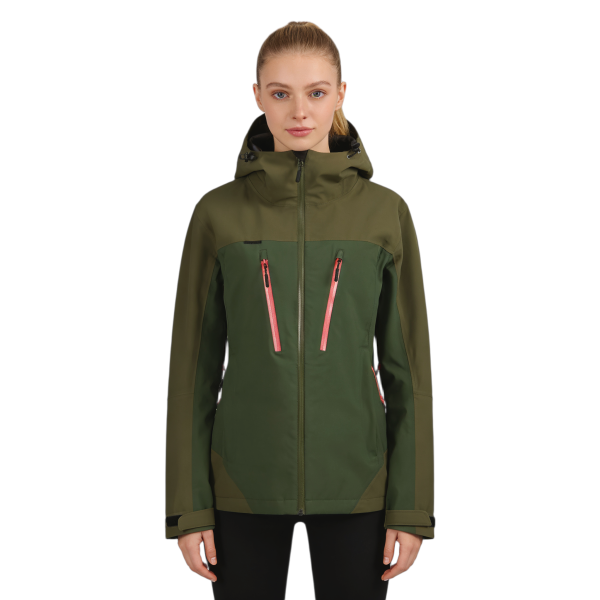
Women's slim-fit hiking jacket, waterproof and windproof, adjustable hat, slim-fit tailoring, highlights female charm.
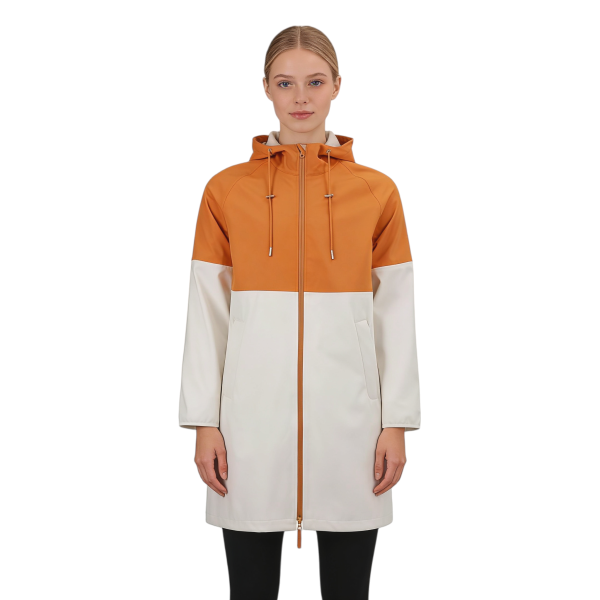
Rainproof hiking coat, insulating and rainproof, adjustable hat, supports OEM, essential for outdoor adventures.
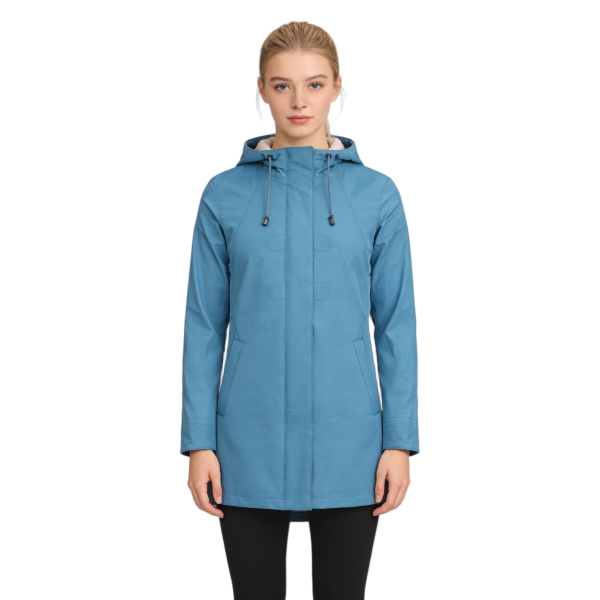
Insulated waterproof parka, outer layer blocks rain, inner fleece layer, adjustable hat, keeps you warm outdoors.
How UniOuter Helps You Choose and Customize the Right Fabrics
Let’s connect everything.
You now understand:
Waterproof fabrics、Breathable materials、Durable construction
But here’s the real question:
How do you combine all of these into a product that actually sells?
From Confusion to Clarity: UniOuter’s Approach
At UniOuter, fabric selection isn’t guesswork—it’s a system.
With over 20 years of experience, we help brands:
Match fabrics to real use cases、Optimize cost vs performance、Reduce product failure risks
Practical Cooperation Policy (Built for B2B Buyers)
MOQ: 300–500 pieces
Sample Development: 7–14 days、Bulk Production: 30–50 days、For qualified clients:
Sample fee reduction or waiver
Design and development support、Assistance with tender projects
Full Customization Services
Need help building your product line?
We help you:
Choose the right fabric combinations、Design functional features、Improve product competitiveness
Conclusion: The Right Fabric Is the Foundation of a Winning Product
Here’s the bottom line:
Fabric is not just a component—it’s the foundation of your product.
Choose wrong, and everything fails:
Comfort、Performance、Customer satisfaction
Choose right, and you create:
Better products、Stronger brand loyalty、Higher profit margins
In today’s competitive outdoor market—
The brands that understand fabrics win.
FAQs
1. What is the best waterproof fabric for outdoor clothing?
Membrane fabrics offer the best balance of waterproofing and breathability for high-performance gear.
2. How do I choose between polyester and nylon?
Polyester is cheaper and breathable; nylon is stronger and more durable.
3. Can one fabric be waterproof, breathable, and durable?
Yes, but it requires advanced fabric combinations and proper design optimization.