Designing Outdoor Jackets for Heat: Lightweight Breathable Shells for Hotter Working Seasons
- Share
- publisher
- UniOuter
- Issue Time
- Oct 13,2026
Summary
Hotter working seasons are shifting the design brief for outdoor shells from maximum weather protection to maximum comfort under load. This guide covers the fabric weight bands that suit hot conditions, what breathability ratings really measure, ventilation details worth designing in, and how colour and coating choices affect heat build-up.
Most outdoor jackets are designed for the worst weather, not the worst heat. As working seasons get hotter, that default produces garments that protect against rain and fail against sweat.
This guide is for product developers building shells for hot conditions, whether that is summer hiking, warm-season site work or year-round indoor-outdoor roles. It covers fabric weight bands, the meaning of breathability ratings, ventilation construction and the colour and coating decisions that change how a garment feels at 32 degrees. It sits alongside our existing work on waterproof-breathable fabric science and the fabric weight guide.
The Comfort Problem: Heat Now Limits Wear
A jacket that is uncomfortably warm gets removed, and a jacket that is removed protects nobody. That simple behaviour is why heat stress has moved from a comfort footnote to a specification driver. For site work, heat-related illness is a recognised occupational risk, and the UK Health and Safety Executive publishes practical guidance on personal protective equipment at work that includes the need to balance protection against heat burden.
For consumer outdoor brands the driver is different but the conclusion is the same. Buyers in warm markets judge a shell on the first hot hike, not the first storm. A garment that traps moisture becomes a one-star review with the phrase 'boil in the bag', regardless of how good its waterproof rating is.
Fabric Weight Bands for Hot-Weather Shells
| Weight band | Typical construction | Best suited to |
|---|---|---|
| 60-90 g/m2 | Ultralight ripstop, unlined, packable | Emergency shells, summer commuting, cycling, packable travel pieces |
| 90-140 g/m2 | Lightweight 2.5-layer or 2-layer shell | Summer hiking, warm-season site work, all-day wear in 25-32 degrees |
| 140-200 g/m2 | Light-mid 3-layer laminate with mesh back panel | Three-season use, warm-weather workwear where abrasion resistance matters |
| 200-260 g/m2 | Durable work shell, reinforced panels | Industrial roles with mechanical abrasion, worn over base layers rather than insulation |
The useful design insight is that weight and breathability are not the same property. A 140 g/m2 laminate can outperform a 90 g/m2 coated shell on moisture transfer if the membrane and the lining construction are better. Read weight as a durability and packability signal, and read breathability from the rating.
Specify for the season you are selling into. Keeping a heavy winter specification for a summer programme is one of the most common sourcing mistakes. Match the fabric weight band to the season, and treat the specification as seasonal rather than permanent.
Breathability Ratings and What They Really Mean
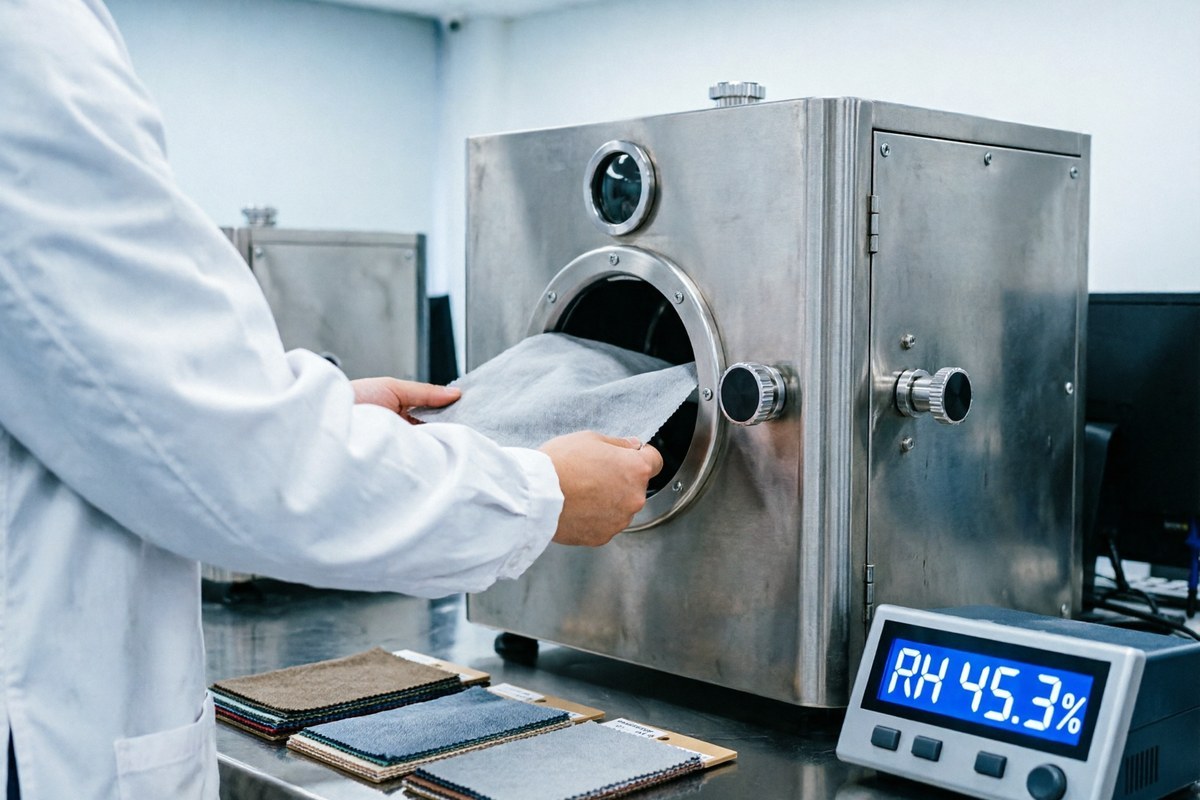
Breathability is expressed in two common systems: moisture vapour transmission rate, usually stated in grams per square metre per 24 hours, and resistance to evaporative heat transfer, known as RET, where a lower number means better breathability. Conventional protective clothing against rain is classified under EN 343, which pairs a water-penetration class with a breathability class. The classification work for these standards sits with CEN-CENELEC, and the number on a specification should always trace to a standard rather than a marketing adjective.
Ventilation by Design
Every design detail that moves air is worth more than a marginal gain in membrane performance, because ventilation does not depend on vapour pressure gradients generated by body heat.
- 1. Pit zips sized generously. Underarm vents are the single most effective comfort feature in a light shell. Short, hidden zips save cost and deliver almost nothing.
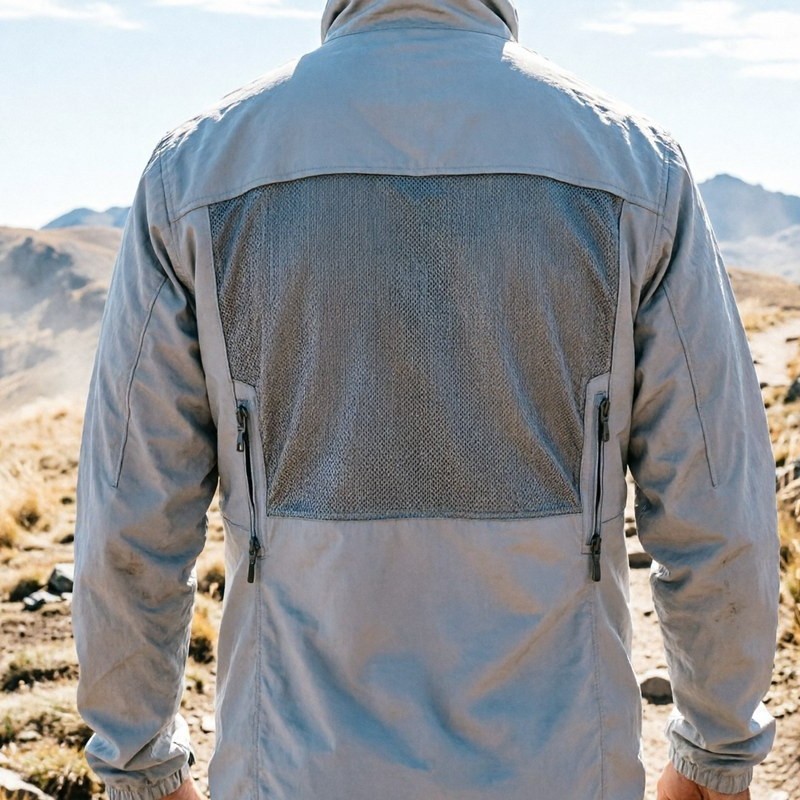
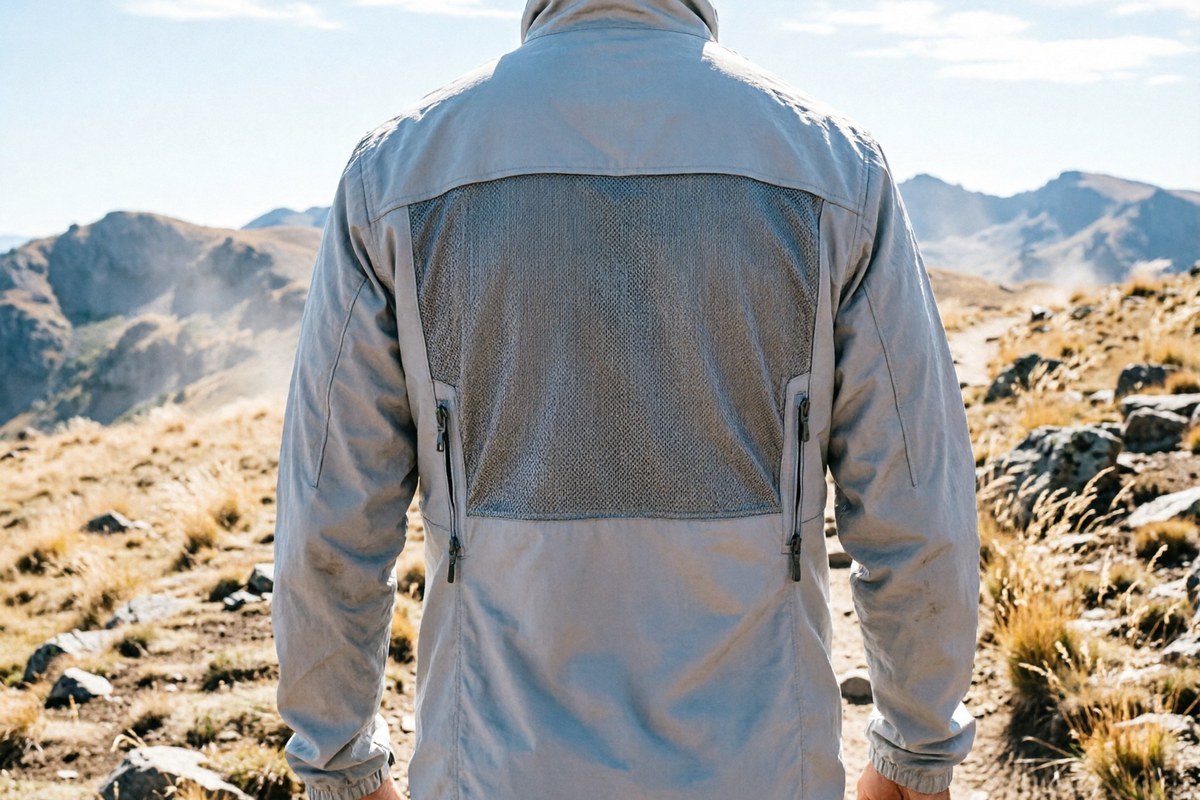
- 2. Mesh-lined back yoke. A mesh back panel lets the garment act like a chimney, exhausting warm moist air through the upper back where output is highest.
- 3. Two-way front zipper. Allows the hem to open while the chest stays closed, which is how people actually regulate temperature while carrying a pack.
- 4. Cuffs that can be opened. Adjustable or elasticated cuffs that allow airflow at the wrist measurably reduce perceived heat in high-output work.
- 5. Lining choices. Mesh or open-knit linings move moisture off the skin faster than a solid taffeta lining, which tends to cling.
- 6. Pocket design. Unvented chest pockets sit directly over the hottest part of the torso. Place them so they do not block the ventilation path.
Colour, Coating and Sun Exposure
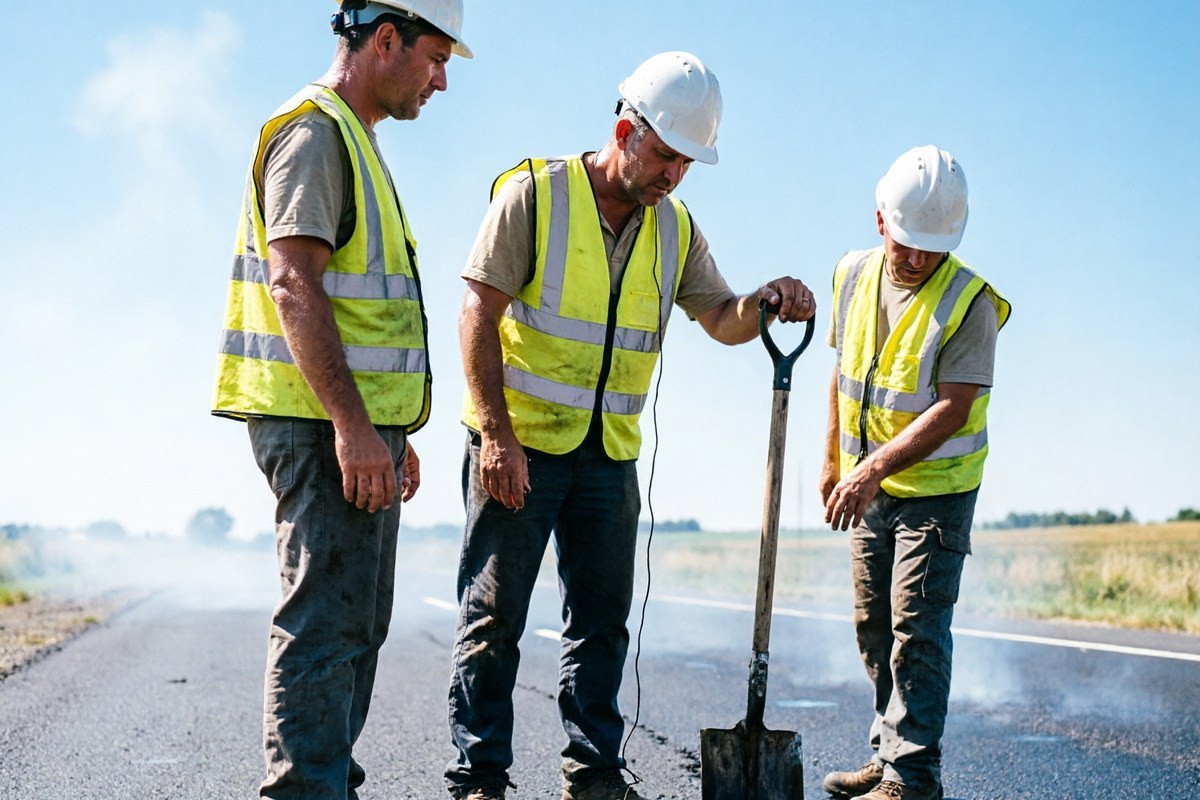
In direct sun the surface colour of a garment changes its temperature before the wearer has done any work. Light and highly reflective surfaces reduce solar heat gain, which is why pale grey, white and silver-grey shells feel markedly cooler than black equivalents in the same fabric. For hi-vis garments the fluorescent base is already light by design, and pairing it with a breathable membrane rather than a solid coated film is what keeps a summer safety jacket wearable.
Coating choice interacts with breathability directly. A fully coated face fabric blocks vapour, while a laminate with a microporous membrane allows it through. When a specification adds chemical protection requirements, chemical and finish selection has to be reconciled with comfort; the restricted-substance framework behind those choices is set out in REACH, and finished-garment testing can anchor the claim through OEKO-TEX STANDARD 100.
Testing a Hot-Climate Shell
Where UniOuter Fits
We build light shells and warm-season workwear around the same water-and-breathability ratings as our winter programmes, with ventilation designed in from the pattern stage rather than added afterwards. Our team can propose a weight band and membrane pairing for your target climate and then test the finished garment, not just the fabric. If you are building a summer range, send the brief through our inquiry page and we will return a construction proposal with the rating data attached.
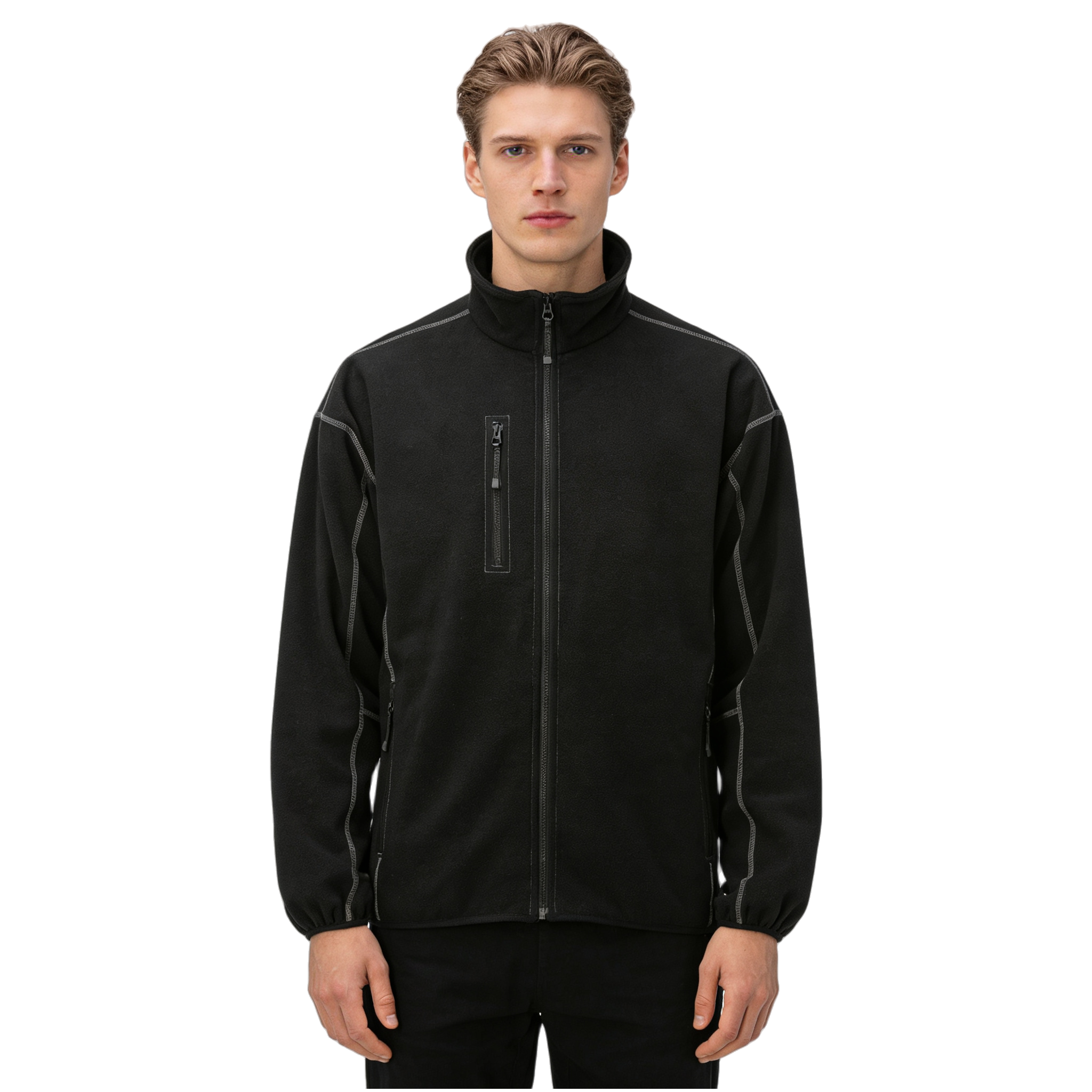
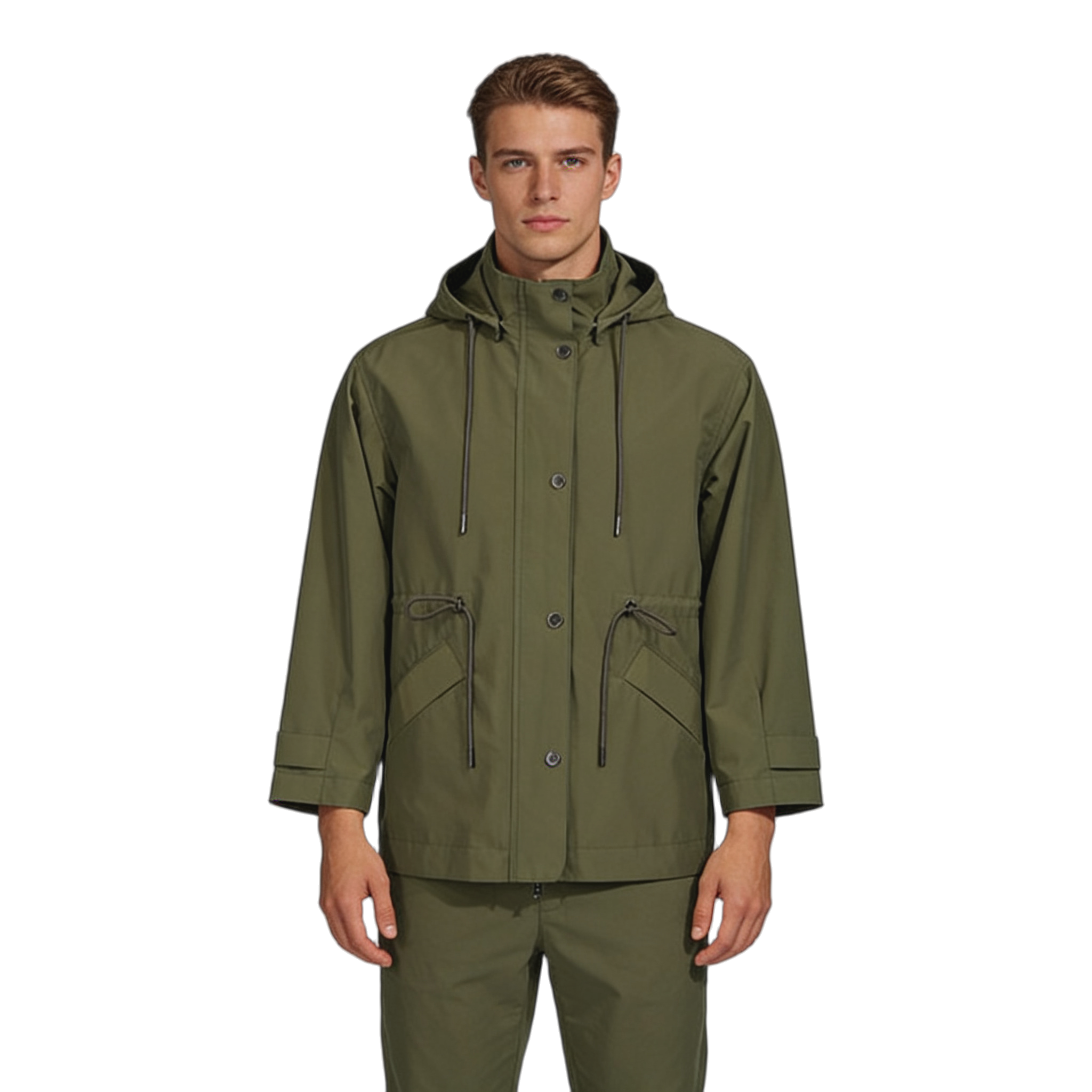
Shop Lightweight & Breathable Jackets


Frequently Asked Questions
For sustained wear between 25 and 32 degrees, a 90 to 140 g/m2 shell is the practical band. Ultralight 60 to 90 g/m2 constructions suit packable emergency shells, while 140 to 200 g/m2 is the right choice when abrasion resistance matters more than weight.
For comfort in heat, yes, a lower RET means better moisture vapour transfer. It is not the only variable though. Ventilation features, lining construction and how much of the torso is covered by a pack all change real-world comfort, sometimes more than a small RET difference.
They are the most effective single comfort feature in a light shell, but only if they are sized generously enough to move meaningful air. Short decorative zips cost money and deliver almost no benefit.
Pair the fluorescent base fabric with a breathable membrane instead of a solid coating, keep the weight in the light band, and add ventilation through a mesh back panel or underarm vents. Reflective tape placement should not block the ventilation path.