From Sample to Mass Production: Unlocking the 5 Key Quality Control Nodes in Outdoor Apparel B2B Orders
- Share
- Issue Time
- Mar 2,2026
Summary
Learn the 5 critical quality control checkpoints that ensure successful outdoor apparel B2B production from sample development to shipment.
Introduction
But here’s the uncomfortable truth many brands discover too late: quality problems rarely appear during sampling — they explode during mass production.
If you’ve ever received a bulk order where stitching suddenly changed, waterproof performance dropped, or sizes became inconsistent, you know exactly what I mean.
According to Statista, the global outdoor apparel market surpassed $34 billion in 2024 and continues growing at over 6% annually. At the same time, supply chain complexity has increased, especially for B2B orders that involve multiple materials, factories, and inspection stages.
So how do professional outdoor brands avoid costly production failures?
The answer lies in controlling five critical quality checkpoints between sample approval and mass production.
In this guide, we’ll walk through those five quality control nodes and show how an experienced manufacturer like Uniouter helps brands maintain consistent quality from concept to delivery.
Why Quality Control Is the Biggest Risk in Outdoor Apparel B2B Orders
Imagine building a house. You wouldn't just approve the blueprint and assume the final structure will be perfect, right?
Outdoor apparel manufacturing works the same way.
The journey from sample to bulk production usually involves:
multiple fabric suppliers、specialized production processes、pattern grading、waterproof or technical treatments、large-scale sewing lines
Each step introduces potential risks.
Industry data from Apparel Resources shows that over 23% of apparel production delays are caused by quality issues discovered during or after manufacturing.
Even worse:
returns and rework can increase production costs by 15–25%、brand reputation may suffer permanently、product launches can miss seasonal sales windows
For outdoor apparel brands — especially startups — these risks can be devastating.
This is why professional manufacturers implement structured quality control checkpoints throughout production.
At Uniouter, a manufacturer with 20+ years of experience producing outdoor apparel, workwear, and tactical clothing, quality control is not a single inspection. It's an end-to-end system.
Prototype & Sample Development: The Foundation of Production Quality
Everything begins with the sample.
But here’s where many brands make a mistake: they treat samples only as design confirmation, not production verification.
In reality, a proper sample stage must validate:
fabric performance、seam construction、waterproof technology、fit and pattern grading、durability testing
Outdoor apparel demands far more technical validation than casual clothing.
For example:
| Function | Testing Requirement |
| Waterproof jackets | Hydrostatic pressure test |
| Breathable fabrics | Moisture vapor transmission |
| Workwear | Abrasion resistance |
Outdoor pants | Tensile strength |
According to Textile Exchange, performance testing during the sampling stage can reduce production defects by up to 35%.
At Uniouter, our development team works closely with brands to refine samples before bulk production.
Brands often start with custom projects such as:
The goal isn’t just a beautiful sample — it’s a production-ready blueprint.
Fabric & Material Inspection: Where Most Problems Begin
Here’s a surprising statistic:
Nearly 60% of garment defects originate from fabric problems.
That includes:
inconsistent dyeing、incorrect GSM weight、coating failures、fabric shrinkage、color shading differences
Outdoor apparel often uses technical fabrics, such as:
laminated waterproof membranes、softshell composites、ripstop nylon、stretch performance fabrics
These materials require strict supplier verification.
At Uniouter, incoming materials go through fabric inspection protocols including:
color consistency check、weight testing、waterproof rating validation、fabric stretch recovery testing
Why does this matter?
Because once cutting begins, fabric issues become extremely expensive to fix.
This is especially critical for products like:
Where safety performance cannot be compromised.
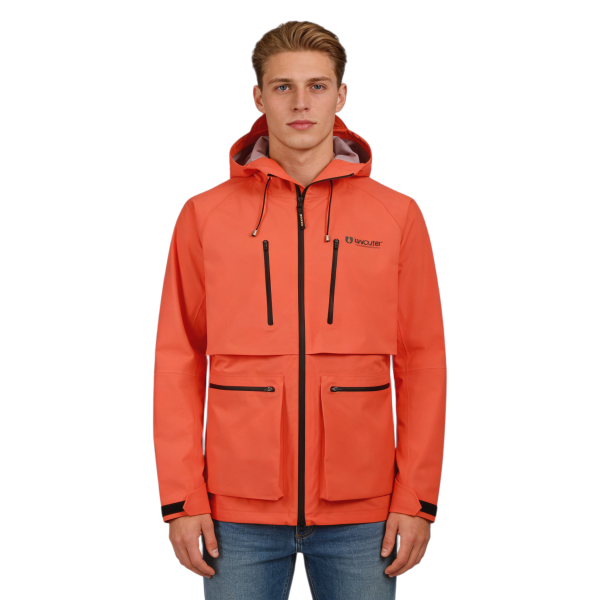
Orange waterproof parka with high-performance fabric, adjustable hat, and waterproof pockets for outdoor adventures.
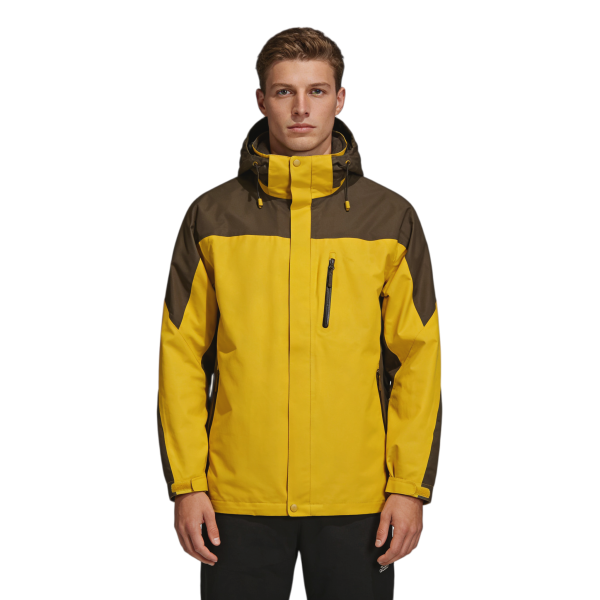
Windproof mountain coat, waterproof fabric, elastic cuffs, detachable hat, tailored fit, ideal for outdoor adventures.
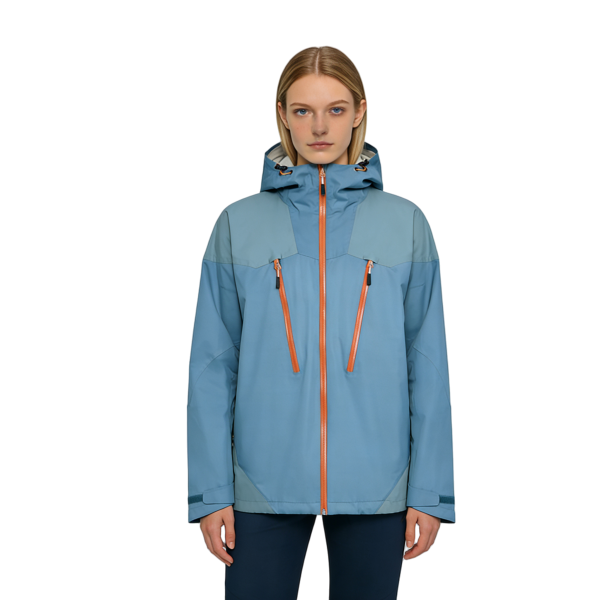
Women's rainproof hiking jacket, waterproof fabric, adjustable design, tailored fit, perfect for hiking adventures.
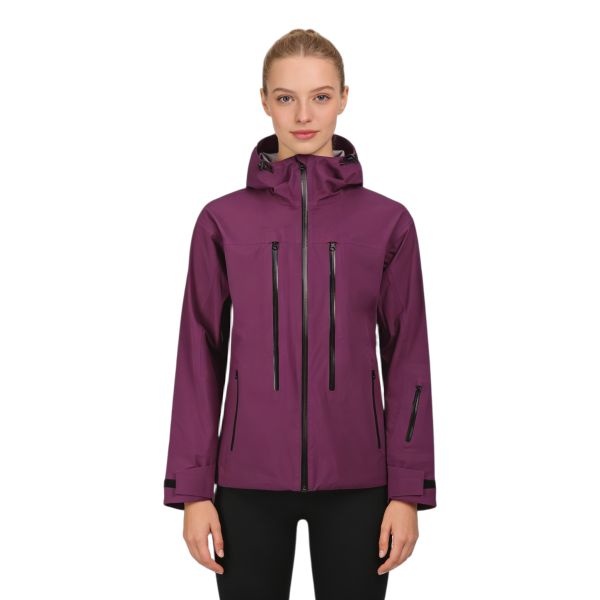
Women's waterproof hiking jacket, blends function and fashion , supports OEM customization, ideal for outdoor enthusiasts.
Pre-Production Alignment: Preventing Miscommunication Before Bulk Manufacturing
Before the first piece of bulk fabric is cut, a professional manufacturer organizes a Pre-Production Meeting (PPM).
Think of this step as aligning the entire orchestra before the concert begins.
Participants usually include:
production managers、pattern technicians、quality inspectors、sewing line supervisors、sourcing managers
The team reviews:
approved sample specifications、measurement tolerances、stitching standards、fabric cutting plans、packaging instructions
Why is this step so important?
Because miscommunication is one of the most common causes of apparel defects.
Research from McKinsey's fashion supply chain analysis indicates that clear production alignment can reduce manufacturing errors by up to 40%.
At Uniouter, we formalize these requirements through technical specification sheets and production SOPs, especially for clients ordering through our customization service
This step ensures every production team member understands exactly what the final product should be.
Inline Production Inspection: Catching Issues Before They Multiply
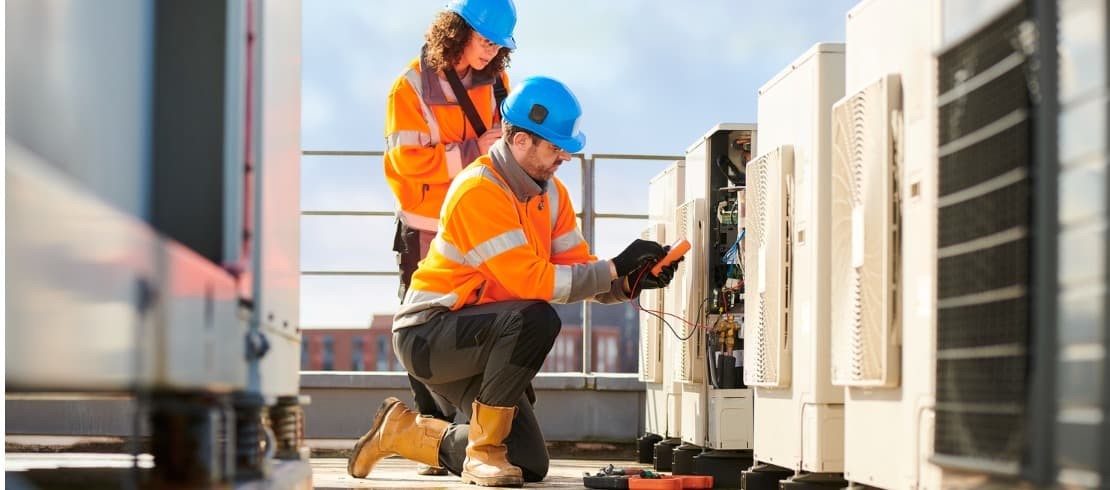
Mass production without inspection is like driving a car with your eyes closed.
Inline inspection means checking products while they are being produced, not after.
This allows factories to:
detect stitching defects early、adjust sewing machines、correct pattern misalignment、prevent large batches of defective garments
Typical checkpoints include:
first-piece inspection、mid-production inspection、sewing line random checks
Industry benchmarks suggest that inline quality checks can reduce defect rates by more than 50% compared with final inspection alone.
For complex garments like outdoor jackets, where multiple layers and seam sealing are involved, inline monitoring is absolutely essential.
At Uniouter, quality inspectors monitor every production stage — especially for technical categories like:
Where durability and functional pockets must meet strict standards.
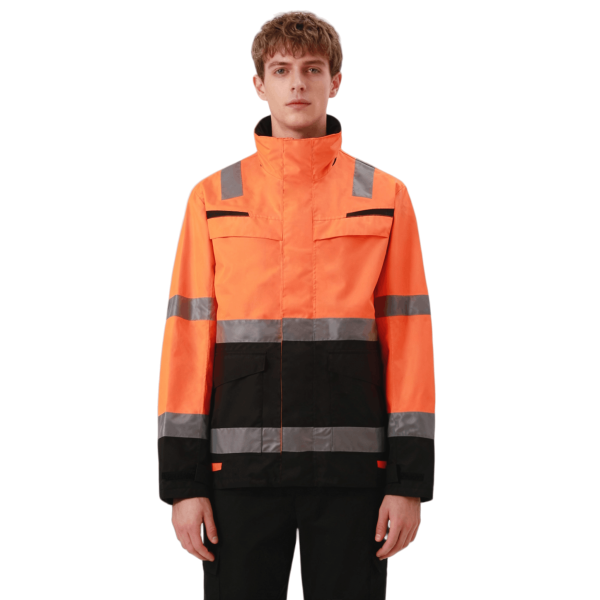
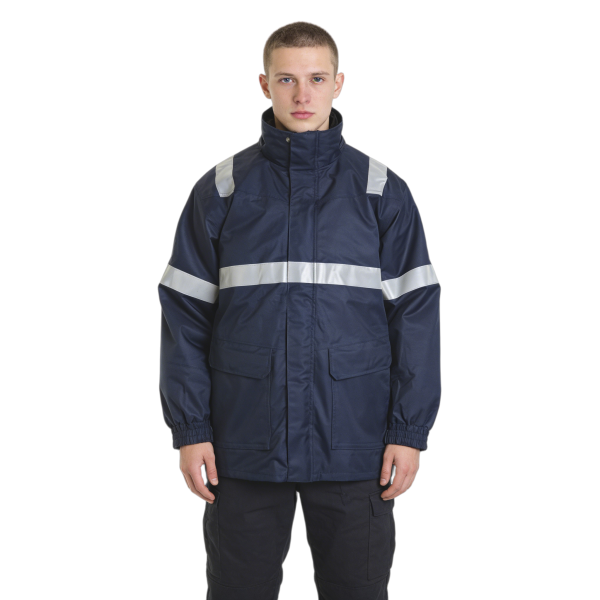
Inherent Flame Retardant Hi-Vis Winter Jacket with removable hood, fiberfur lining in body and quilted lining in sleeves.
High-visibility warehouse uniform, meeting Level 3 waterproof standards, wear-resistant, with multiple pocket design.

Equipment Maintenance Jumpsuit, with high-visibility safety features, anti-static properties, and practical multiple pockets.
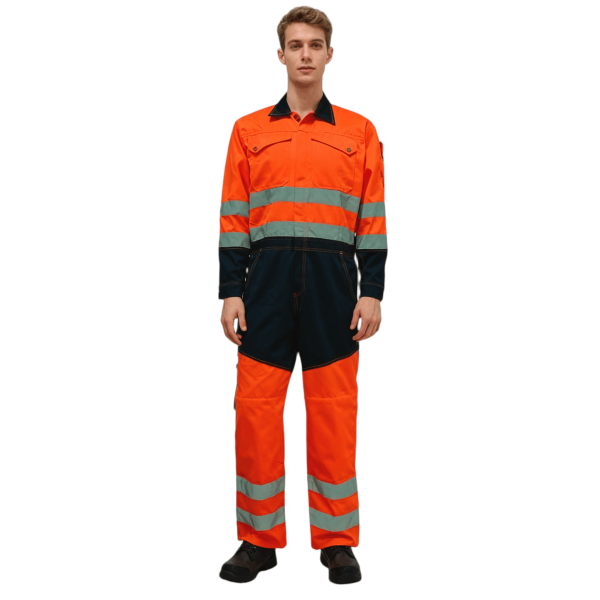
Flame Retardant Hi-Vis boilersuit in double weave fabric with comfort finish on the inside, developed for the railway industry.
Final Inspection & Shipment Validation: The Last Line of Defense
Even with strict controls, the final inspection remains critical.
This step typically follows AQL (Acceptable Quality Limit) standards, a widely used inspection system in global apparel manufacturing.
During final inspection, inspectors examine:
random product samples、measurement accuracy、logo placement、zipper functionality、seam strength、packaging correctness
Products are then categorized as:
pass、rework、reject
According to international sourcing data, brands that apply AQL inspection reduce return rates by up to 32%.
For B2B buyers, this final step provides confidence before shipment.
At Uniouter, final inspection also includes packaging verification and export compliance, ensuring that products arrive ready for retail or distribution.
Conclusion
From the outside, apparel manufacturing may look simple — cut fabric, sew garments, ship the order.
But in reality, professional outdoor apparel production is a highly controlled process involving multiple quality checkpoints.
To summarize, the five critical quality control nodes are:
Sample development validation、Fabric and material inspection、Pre-production alignment、Inline manufacturing inspection、Final shipment quality control
When these checkpoints are properly managed, brands gain three key advantages:
consistent product quality、lower production risks、stronger brand reputation
For outdoor apparel brands, startups, and workwear distributors, partnering with an experienced manufacturer like Uniouter ensures these systems are already in place.
With 20 years of production experience and specialized outdoor garment expertise, Uniouter helps brands move confidently from concept to mass production.
FAQs
1. What is the most common quality issue in outdoor apparel production?
Fabric inconsistency is the most common issue. Problems such as color variation, coating defects, or incorrect fabric weight can affect the entire production batch.
2. How long does the outdoor apparel sampling process usually take?
Typically 7–21 days, depending on fabric sourcing, pattern complexity, and technical testing requirements.
3. Why is inline inspection better than only final inspection?
Inline inspection detects problems early. Fixing issues during production prevents thousands of defective garments from being produced.