Gore-Tex vs eVent vs Proprietary Membranes: Waterproof Fabric Comparison for Brands
- Share
- publisher
- UniOuter
- Issue Time
- Sep 2,2026
Summary
Gore-Tex vs eVent vs proprietary membranes: technology, performance metrics, construction types, cost, brand recognition, sustainability, and how to choose the right waterproof membrane for outdoor apparel.
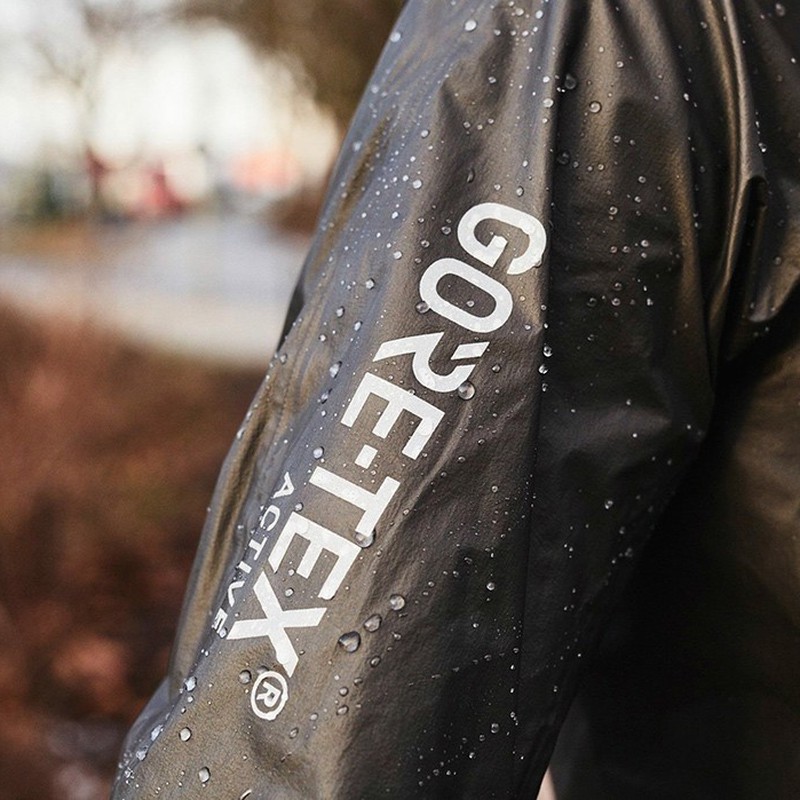
The waterproof membrane is the heart of any technical shell. Gore-Tex, eVent, and proprietary membranes each solve the waterproof-breathable paradox differently, and the choice affects performance, cost, brand recognition, and sustainability. This comparison gives brand buyers the technical detail to specify the right membrane.
For the full waterproofing system context, pair this with our waterproofing technology guide and rating comparison.
Why Membrane Choice Defines Performance
A membrane is a thin barrier laminated to the face fabric. It must do two contradictory things: block liquid water from entering, and let water vapor (sweat) escape. How a membrane achieves this, through pore size or molecular transport, determines breathability, durability, and cost. The membrane also dictates construction (2-layer, 2.5-layer, 3-layer) and influences how the garment ages.
Gore-Tex Deep Dive
Gore-Tex is the industry benchmark. Its core technology is expanded PTFE (ePTFE): a microporous membrane with pores roughly 20,000 times smaller than a water droplet but 700 times larger than a water vapor molecule. Liquid water cannot pass; vapor can. To protect the fragile ePTFE from contamination by oils and dirt, Gore-Tex bonds a thin protective polyurethane layer to the membrane. This protective layer is the main reason Gore-Tex breathability is slightly lower than direct-venting alternatives.
Gore-Tex operates a licensing model: factories must be certified by W. L. Gore to construct Gore-Tex garments, and the brand carries strong consumer recognition. Variants include Gore-Tex Pro (hardcore use, 3-layer optimized), Gore-Tex Paclite (lightweight), and Gore-Tex Infinium (high breathability, not fully waterproof). The licensing and brand-recognition value come at a unit-price premium.
eVent & Proprietary Membranes
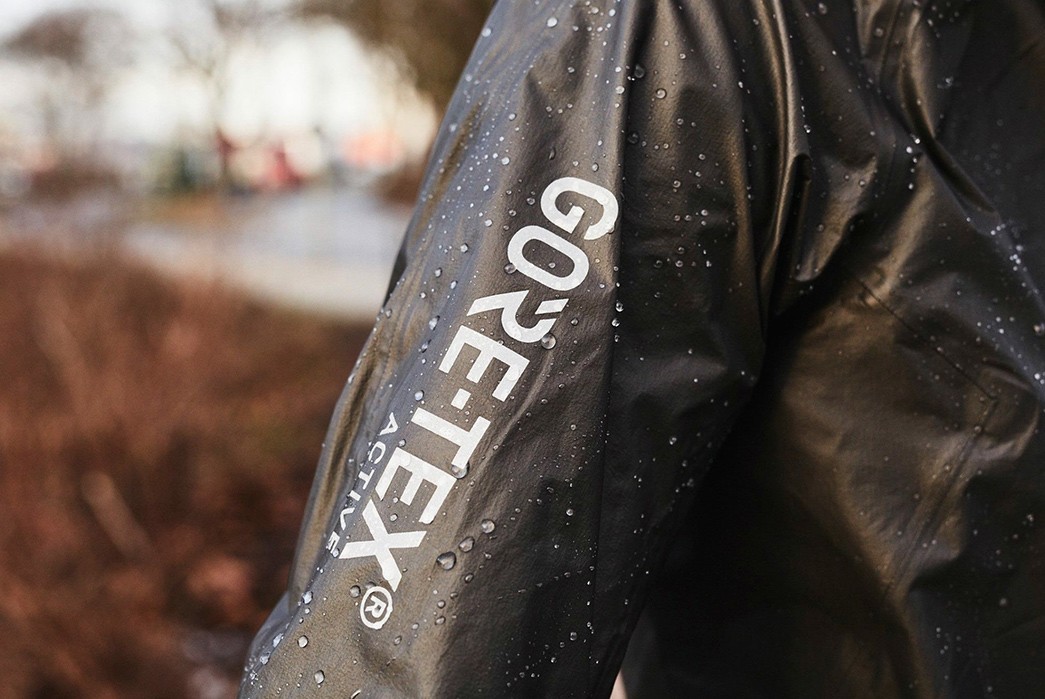
eVent uses the same ePTFE base as Gore-Tex but removes the protective PU layer, exposing the microporous structure directly. This "direct-venting" construction breathes better than protected Gore-Tex, because vapor does not have to diffuse through a PU layer. The tradeoff is that the exposed membrane is more vulnerable to contamination, so eVent fabrics require more careful washing to maintain breathability over time.
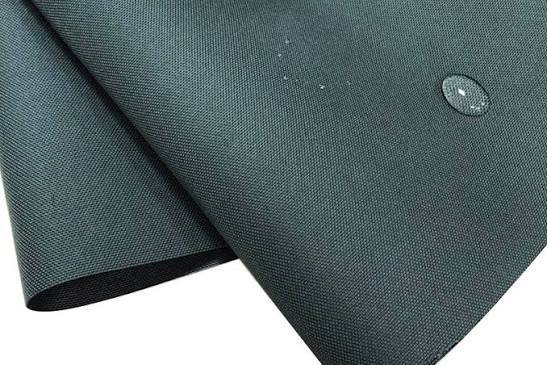
Proprietary membranes are usually polyurethane-based and hydrophilic: instead of pores, they move moisture through a molecular chain within the PU itself. These are cheaper, more flexible, and easier to seam-tape, but they generally breathe less than ePTFE and can feel clammy in high-output activity. Their advantage is cost and supply flexibility, no licensing fees and no factory certification required. For how proprietary membranes compare in real construction, see our custom vs stock membrane guide.
Performance Metrics & Construction Types
Compare membranes on three metrics: waterproofness (hydrostatic head, mmH2O), breathability (MVTR or RET), and durability. The numbers only matter alongside construction: a 3-layer laminate is more durable and packs better than a 2-layer with a hanging liner.
| Membrane | Technology | Breathability | Cost tier |
|---|---|---|---|
| Gore-Tex | ePTFE + protective PU layer | High | Premium (licensed) |
| eVent | Direct-venting ePTFE | Very high | Premium |
| Proprietary PU | Hydrophilic molecular transport | Medium | Mid-range |
Construction types (2/2.5/3-layer) apply across all membranes. For how layers affect the garment, see our shell-type comparison and 3-layer craft breakdown.
Cost, Brand Recognition & Sustainability
Cost has two layers: the membrane itself and the licensing overhead. Gore-Tex carries licensing fees and factory-certification requirements that raise unit cost; proprietary membranes avoid both. Brand recognition is the flip side: consumers recognize the Gore-Tex hangtag, which can justify a retail premium and build trust. eVent has niche recognition among technical users; proprietary membranes carry no consumer brand value.
Sustainability is now a decisive factor. PFAS restrictions, covered in our PFAS ban guide, push all membrane makers toward PFC-free DWR and recycled face fabrics. Gore-Tex has introduced PFC-free options; eVent and proprietary makers are following. End-of-life recyclability of laminates remains an industry-wide challenge.
Choosing the Right Membrane & UniOuter's Expertise
Choose by product category and price point. For a premium mountaineering shell where consumer trust matters, Gore-Tex Pro in 3-layer is the safe choice. For a high-output breathable shell where weight matters, eVent excels. For a mid-range hiking jacket where cost matters, a proprietary PU membrane delivers function without the licensing premium. Match the membrane to the use case, not to the brand name.
UniOuter's in-house fabric mill works with all three membrane families, so we specify the membrane to your price point and performance target rather than pushing a single brand. Our seam-sealing (pneumatic flat press, sew-free bonding) works across membrane types, and our AEO certification keeps exports efficient. To specify a membrane program, send an inquiry or browse our jackets. More on UniOuter and our fabric expertise.
Shop Waterproof Jackets
Frequently Asked Questions
No. Gore-Tex is the benchmark for consumer-recognized, broadly proven performance, but it carries a licensing premium. eVent breathes better for high-output use, and proprietary PU membranes deliver solid waterproofing at lower cost. The best membrane depends on your product category, price point, and whether consumer brand recognition matters.
eVent removes the protective polyurethane layer that Gore-Tex bonds over its ePTFE membrane. Without that PU layer, water vapor escapes directly through the pores instead of diffusing through a barrier. The tradeoff is that the exposed membrane needs more careful washing to avoid contamination that reduces breathability.
Yes, for most hiking and lifestyle outdoor use. Modern proprietary PU membranes reach 10,000-20,000mm waterproofness with acceptable breathability. They fall short mainly in sustained high-output mountaineering where ePTFE membranes pull ahead. Match the membrane to the activity, not to a universal standard.
No. The membrane itself (ePTFE or PU) does not require PFAS. PFAS historically appeared in the DWR surface treatment, not the membrane. Under PFAS restrictions, all major membrane makers now offer PFC-free DWR options, and the industry is converging on fluorine-free surface treatments.