Guide To OEM Garment
- Share
- Issue Time
- Dec 6,2025
Summary
OEM manufacturing guide with UniOuter
Preface
You design it, the factory makes it.
But anyone who has actually done OEM knows the truth—this process can either scale your brand or quietly destroy it.
Missed deadlines, inconsistent quality, rising costs, poor communication…
If any of these sound familiar, you’re exactly where this guide is meant to help.
Let’s break OEM garment manufacturing down honestly, with real data, and show you how experienced manufacturers like UniOuter turn OEM from a risk into a growth engine.
What Is OEM Garment Manufacturing and Why Brands Choose It
OEM (Original Equipment Manufacturer) means the factory produces garments based entirely on your design, specifications, and branding.
OEM vs ODM (Quick Reality Check)
OEM: You own the design, fabric choice, tech pack, and brand identity
ODM: Factory provides existing designs, you customize and brand
Industry data insight:
Over 65% of mid-sized outdoor and workwear brands in Europe and North America use OEM manufacturing to keep brand differentiation while controlling costs.
Why brands prefer OEM:
Full control over materials & performance
Lower long-term cost vs ready-made sourcing
Stronger brand positioning
But here’s the catch
OEM only works if the factory truly understands your product and market.
Common OEM Garment Problems Brands Face
Quality Inconsistency & Hidden Costs
One of the biggest OEM nightmares?
The first sample looks great. Bulk production… doesn’t.
According to garment sourcing surveys, over 40% of OEM buyers experience quality deviations between sample and bulk orders.
Typical reasons:
Fabric batch inconsistency
Weak QC systems
Poor technical communication
UniOuter solution:
UniOuter controls quality through:
Stable long-term fabric suppliers
Pre-production testing
In-line & final inspections
Learn more about UniOuter
Long Lead Times & Poor Communication
Another classic OEM pain point:
“The factory says it’s ready… until it’s not.”
Average OEM lead times:
Sample development: 7–15 days
Bulk production: 30–60 days
Factories without clear workflow often exceed this.
UniOuter advantage:
Sample lead time: 7–10 days
Bulk production: 30–50 days
Dedicated English-speaking project managers
Clear timelines = fewer surprises.
How OEM Garment Manufacturing Really Works (Step by Step)
Let’s simplify the OEM process without sugarcoating it.
Design & Tech Pack
Patterns, measurements, fabric specs, trims, labels.
Fabric & Trim Sourcing
This stage determines 70% of final quality and cost.
Sampling & Fit Testing
Multiple revisions are normal—and necessary.
Pre-Production Approval (PP Sample)
This is your last checkpoint before bulk risk.
Bulk Production & QC
Cutting, sewing, finishing, inspection.
Packing & Shipment
Experienced OEM factories manage this process proactively, not reactively.
UniOuter supports full OEM workflow through its Outdoor Uniform Customization Service.
Fabric, Cost & MOQ — What Really Determines OEM Success
Fabric Choice: Where Most Brands Win or Lose
Fabric typically accounts for 45–65% of total garment cost.
Common mistakes:
Choosing price over performance
Ignoring end-use scenarios
Not testing shrinkage or durability
UniOuter strength:
With 20+ years in outdoor apparel, UniOuter helps brands choose fabrics based on:
Climate
Activity level
Target retail price
This is especially critical for:

Hooded Mountaineering Jacket – All-Climate Protection, Built for Versatility.
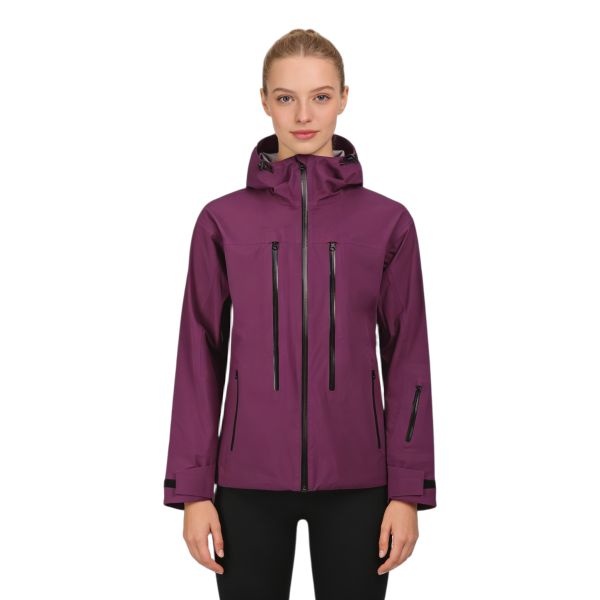
Women's waterproof hiking jacket, blends function and fashion , supports OEM customization, ideal for outdoor enthusiasts.
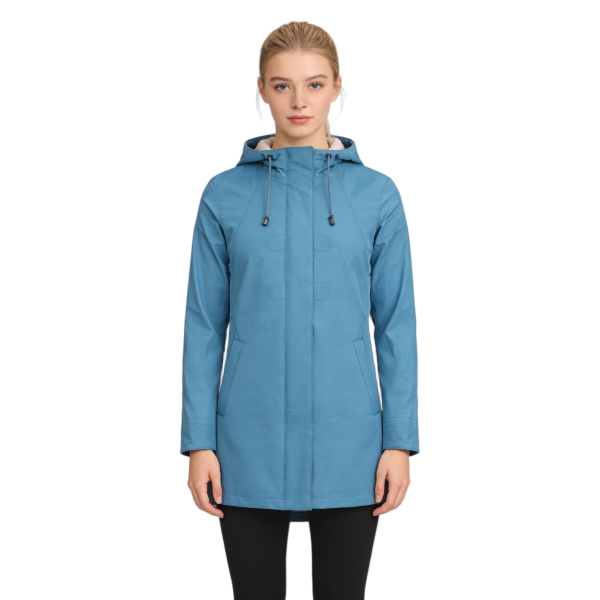
Insulated waterproof parka, outer layer blocks rain, inner fleece layer, adjustable hat, keeps you warm outdoors.
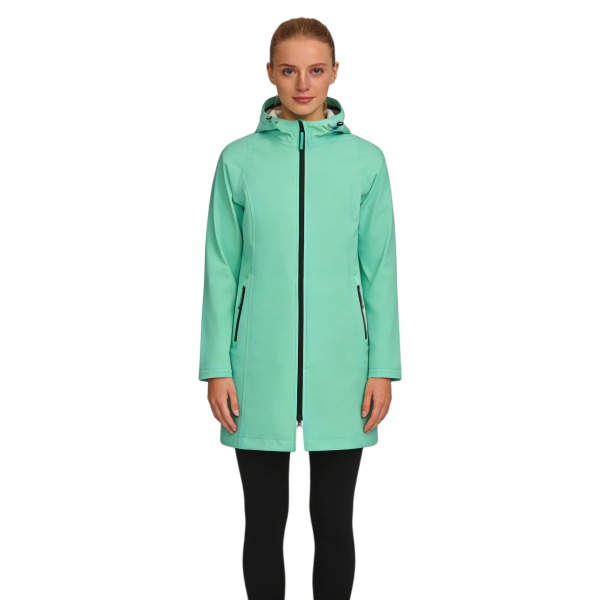
Women's waterproof coat, breathable, adjustable hat, elegant tailoring, practical for outdoor and daily activities.
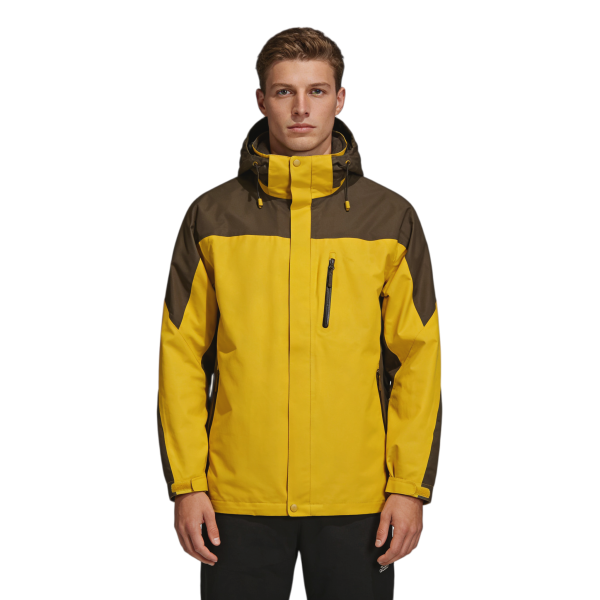
Windproof mountain coat, waterproof fabric, elastic cuffs, detachable hat, tailored fit, ideal for outdoor adventures.
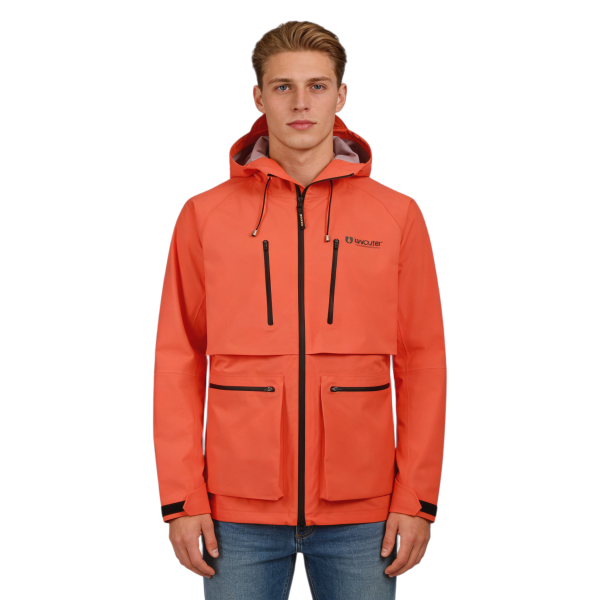
Orange waterproof parka with high-performance fabric, adjustable hat, and waterproof pockets for outdoor adventures.
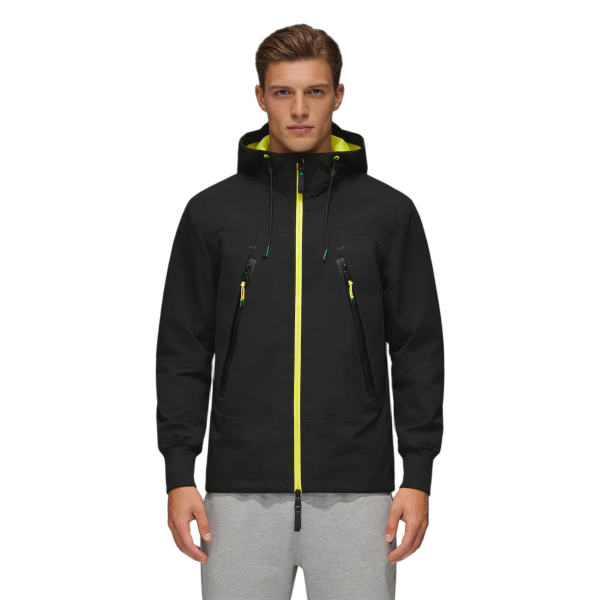
Hiking windproof jacket, adjustable hat, waterproof zipper, elastic cuffs, high-performance fabric, lightweight, warm
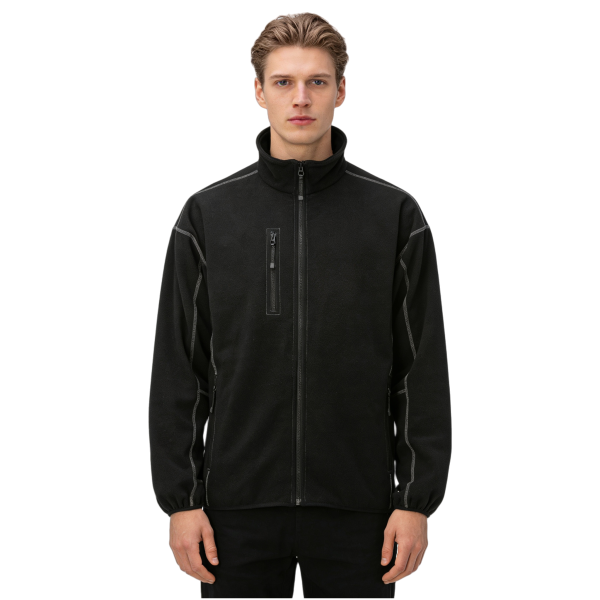
Lightweight Windbreaker Hiking Jacket – Easy to Pack and Carry, Perfect for Outdoor Treks.
MOQ & Cost Reality
Typical OEM MOQ in China:
Small factories: 800–1000 pcs
Professional OEM factories: 300–500 pcs (per style)
UniOuter MOQ:
300–500 pcs
Flexible for long-term partners
Cost advantage 5–10% lower than comparable factories
This makes OEM accessible even for growing brands and niche markets.
From Problem to Solution — How UniOuter Delivers Reliable OEM Garment Solutions
Let’s connect the dots.
Problem: You want custom products, but fear quality risk
UniOuter: Strict QC + stable materials
Problem: You need speed, but not shortcuts
UniOuter: Fast sampling, controlled bulk timelines
Problem: You sell to Western markets
UniOuter: Fit patterns designed for EU & US body data
UniOuter is not a trading company.
It’s a professional outdoor garment manufacturer with 20 years of OEM/ODM experience, serving B2B clients worldwide.
Conclusion
OEM garment manufacturing isn’t about finding the cheapest factory—it’s about finding the right partner.
When done correctly, OEM gives you:
Product differentiation
Cost control
Long-term brand scalability
When done wrong, it costs time, money, and reputation.
If you’re serious about building or scaling an outdoor or functional apparel brand, UniOuter offers the experience, systems, and flexibility to make OEM work for you—not against you.
FAQs
1. Is OEM garment manufacturing suitable for small brands?
Yes—if the factory offers flexible MOQs and strong communication, like UniOuter.
2. How long does OEM garment production usually take?
Typically 7–10 days for samples and 30–50 days for bulk production.
3. What makes a good OEM garment manufacturer?
Stable fabric sourcing, clear workflows, strong QC, and real product expertise—not just low prices.