Hardshell vs Softshell Jackets: Which Is Better Suited for Your Hiking Route?
- Share
- Issue Time
- Mar 26,2026
Summary
Learn the differences between hardshell and softshell jackets and discover which hiking jacket performs best for different outdoor environments.
Introduction
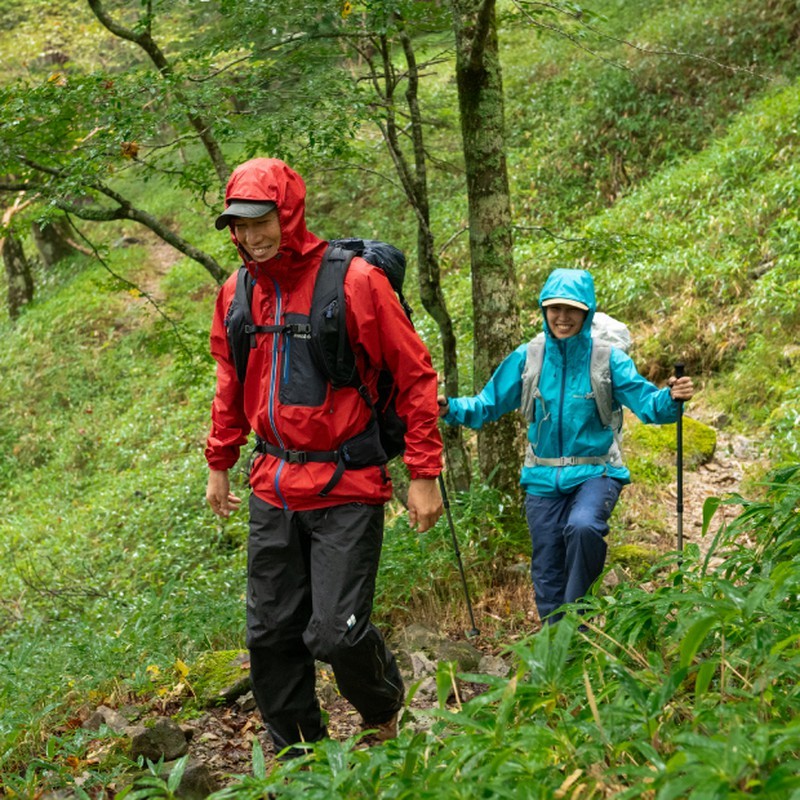
You're halfway up a mountain trail. The weather changes without warning—wind rises, clouds roll in, and suddenly rain starts falling.
Now the real question appears:
Is your jacket built for this moment?
Many hikers and outdoor enthusiasts face the same dilemma when buying gear:
Should you choose a hardshell or a softshell jacket?
Both sound technical. Both appear in outdoor stores everywhere. But they are designed for completely different situations.
Choosing the wrong one can mean:
overheating during intense hikes、getting soaked in sudden storms、feeling restricted when climbing or scrambling
According to the Outdoor Industry Association, global outdoor apparel sales exceeded $35 billion in 2024, and technical jackets are one of the fastest-growing segments, accounting for more than 27% of outdoor apparel purchases.
That growth is driven by consumers looking for gear that matches their specific activity and environment.
So let’s break it down in simple terms:
Hardshell vs Softshell — what’s the real difference, and which one should you choose for your hiking route?
Why Choosing the Right Hiking Jacket Matters More Than You Think
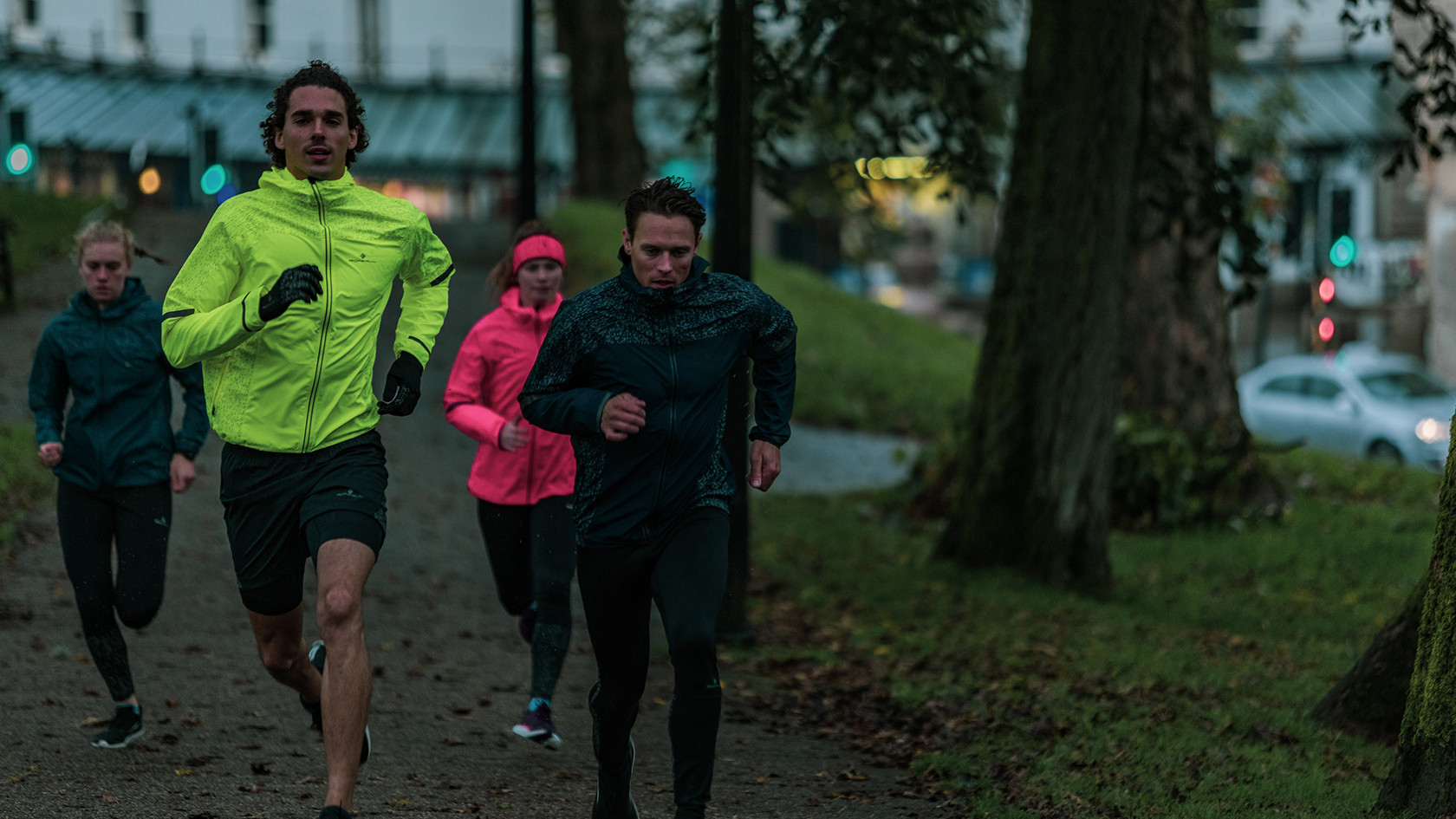
Hiking environments vary dramatically.
A forest trail in mild weather is very different from an alpine climb where conditions change by the hour.
Yet many beginners assume one jacket can handle everything.
Unfortunately, it rarely works that way.
Outdoor jackets are designed around three critical performance factors:
weather protection、breathability、mobility
Improving one often affects the others.
For example:
Maximum waterproof protection often reduces breathability.
High flexibility sometimes reduces weather resistance.
This is why outdoor brands design different jacket categories for different activities.
Professional manufacturers specializing in technical hiking and mountaineering apparel understand these trade-offs.
For example, brands developing high-performance gear often collaborate with experienced suppliers capable of producing specialized garments such as:
At Uniouter, with more than 20 years of experience in outdoor apparel manufacturing, product engineers help brands balance these technical requirements.
Because the best jacket isn't simply “better.”
It's better for the environment you’re heading into.
What Is a Hardshell Jacket? Features, Technologies, and Best Use Cases
Let’s start with the hardshell jacket.
Think of it as the armor of outdoor clothing.
Hardshell jackets are designed primarily for maximum weather protection.
They use laminated waterproof membranes that block rain, wind, and snow.
Typical features include:
fully waterproof fabrics、sealed seams、windproof construction、storm hoods and waterproof zippers
Waterproof performance is usually measured using hydrostatic head ratings.
| Waterproof Rating | Weather Protection |
| 10,000 mm | Moderate rain |
| 20,000 mm | Heavy rain |
| 30,000 mm+ | Extreme alpine conditions |
According to Global Market Insights, the demand for waterproof breathable fabrics is growing at over 7% annually, largely driven by outdoor sports and mountaineering.
Hardshell jackets are ideal for:
alpine hiking、mountaineering、heavy rain environments、winter expeditions
However, there is a trade-off.
Because the fabric is laminated and tightly sealed, hardshell jackets are usually less flexible and slightly less breathable.
That’s why many hikers carry them as emergency weather protection layers.
What Is a Softshell Jacket? Comfort, Flexibility, and Performance Advantages
If hardshell jackets are armor, softshell jackets are the athletic wear of outdoor clothing.
They are designed for movement, breathability, and comfort.
Softshell jackets typically use stretch woven fabrics combined with water-resistant coatings.
Common features include:
flexible stretch fabric、excellent breathability、light wind resistance、moderate water resistance
Unlike hardshell jackets, softshells prioritize comfort during active movement.
This makes them ideal for activities like:
hiking in mild weather、trail running、climbing、cycling
Softshell fabrics allow better air circulation, helping sweat evaporate quickly.
During high-intensity hiking, the human body can produce over 1 liter of sweat per hour, according to sports physiology research.
Without breathable fabrics, that moisture becomes trapped inside clothing.
The result?
You feel damp and cold—even if it isn’t raining.
Softshell jackets solve that problem.
Hardshell vs Softshell: A Practical Comparison for Different Hiking Environments
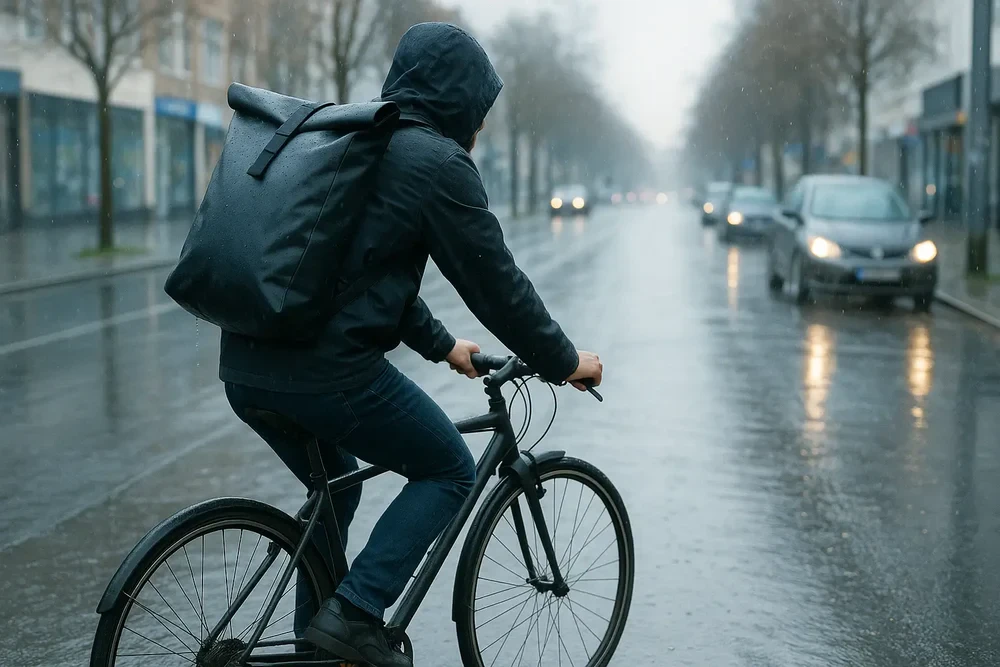
So which one should you choose?
The answer depends on where you’re hiking.
Let’s compare them directly.
| Feature | Hardshell Jacket | Softshell Jacket |
| Waterproof | Excellent | Moderate |
Windproof | Excellent | Good |
Breathability | Moderate | Excellent |
Flexibility | Limited | Very flexible |
| Weight | Slightly heavier | Lightweight |
Choose a Hardshell Jacket If:
you expect heavy rain or snow
you’re hiking in alpine environments
weather conditions change rapidly
Choose a Softshell Jacket If:
the weather is mostly dry
you plan high-intensity hiking
comfort and mobility matter most
Many experienced hikers actually carry both.
A softshell for hiking movement and a hardshell for storm protection.
This layered system is widely used in professional outdoor gear design.
How Outdoor Brands Design the Right Jacket — The Uniouter Manufacturing Perspective
For outdoor brands, designing the perfect jacket involves more than choosing fabric.
It requires complete product engineering.
At Uniouter, we help brands develop technical jackets through our professional customization services:
Our teams assist clients with:
performance fabric sourcing、waterproof membrane selection、durability testing、ergonomic garment design
We manufacture a wide range of outdoor clothing including:
And even industrial performance garments such as:
These garments often require the same weather protection technologies used in outdoor jackets.
By combining technical fabrics, ergonomic construction, and strict quality control, manufacturers can produce jackets that perform reliably in demanding environments.
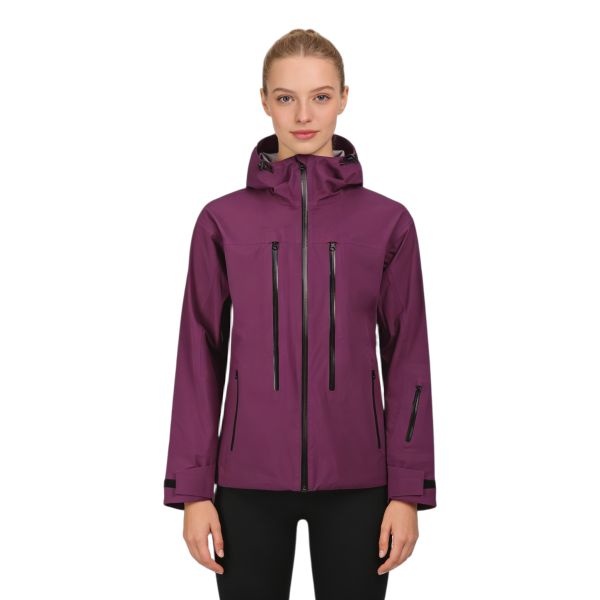
Women's waterproof hiking jacket, blends function and fashion , supports OEM customization, ideal for outdoor enthusiasts.
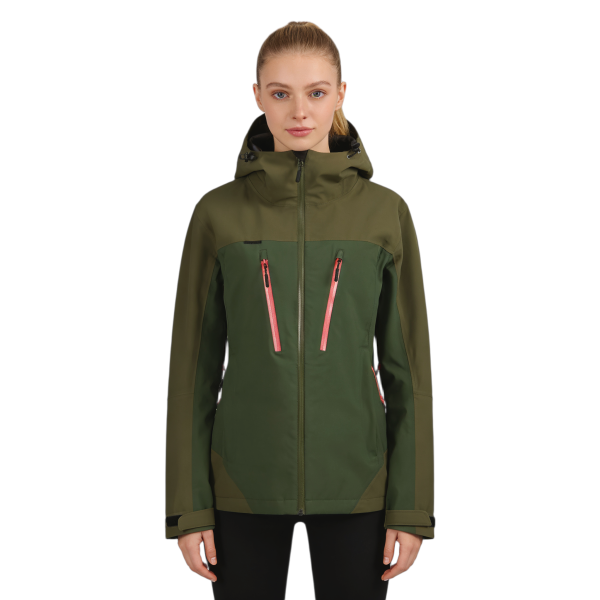
Women's slim-fit hiking jacket, waterproof and windproof, adjustable hat, slim-fit tailoring, highlights female charm.
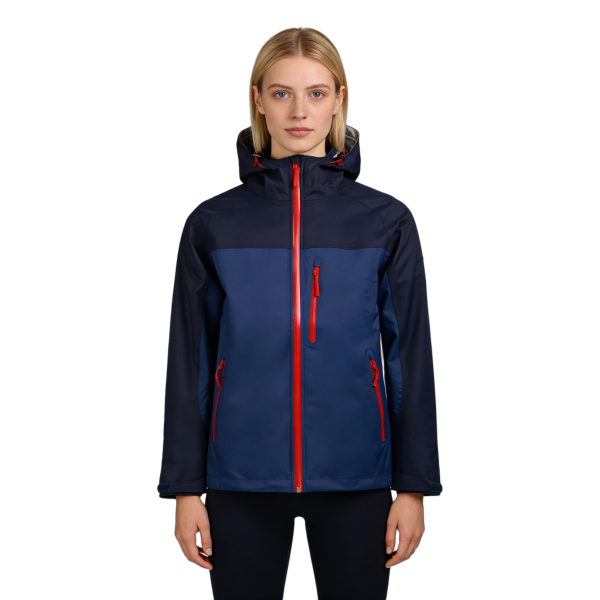
Hiking rainproof jacket, high-performance fabric, adjustable hat, waterproof zipper, keeps you dry and comfortable.
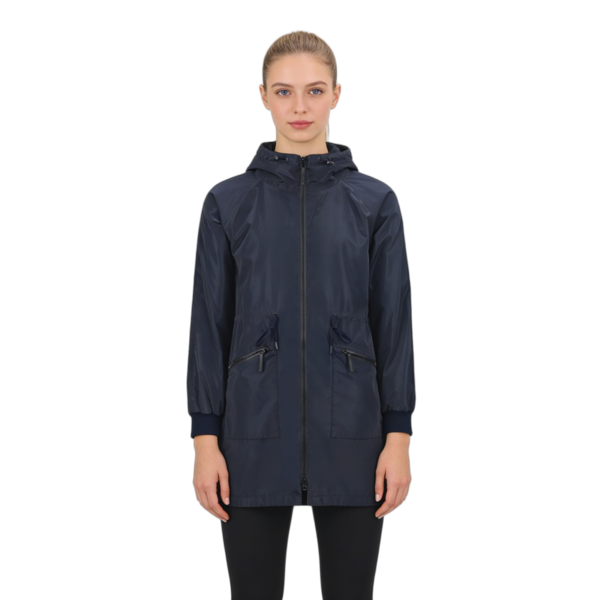
Black rainproof coat, classic and versatile, waterproof fabric, adjustable hat, elastic cuffs, essential for rainy days.
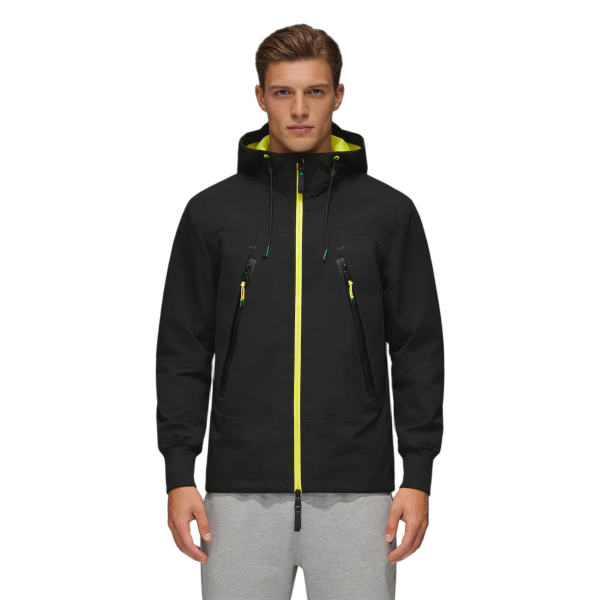
Hiking windproof jacket, adjustable hat, waterproof zipper, elastic cuffs, high-performance fabric, lightweight, warm
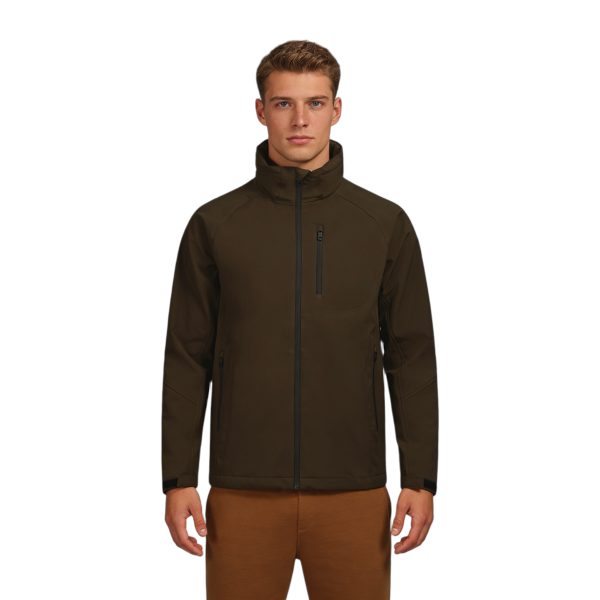
Rainproof hiking jacket, waterproof and breathable, hidden hood, waterproof zipper, simple and fashionable.
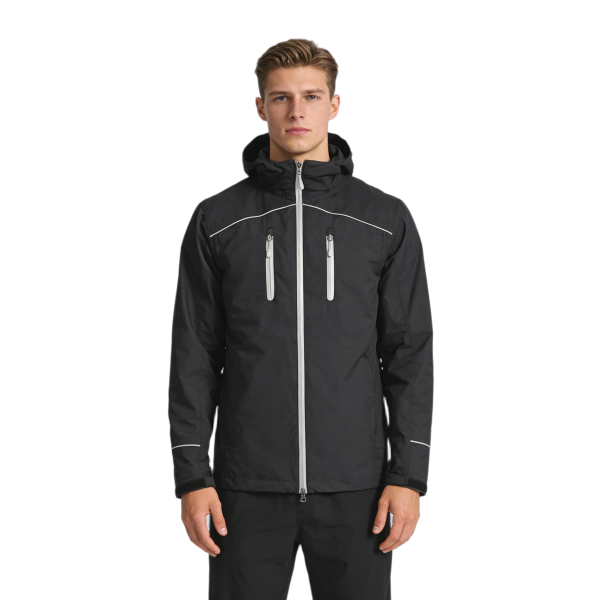
Abrasion-Resistant Windproof Mountaineering Jacket – Excellent Waterproof Protection, OEM Supported.
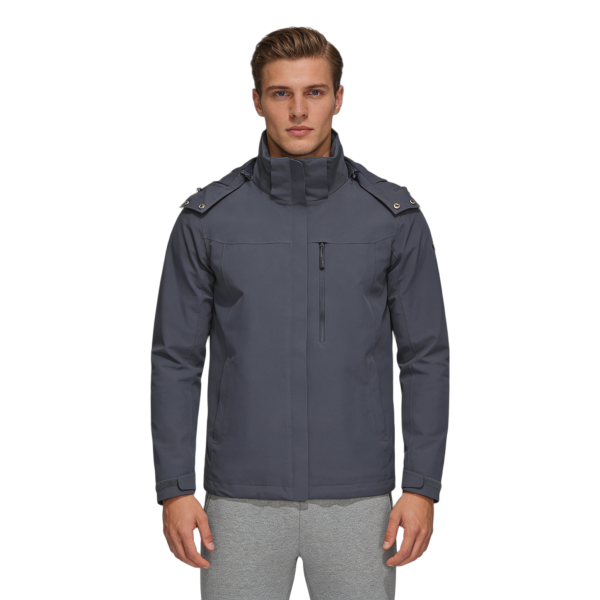
Outdoor Trekking Jacket – Combines Windproof & Waterproof Performance for High-Intensity Activities.
Conclusion
So which jacket wins the battle?
Hardshell or softshell?
The truth is — neither is universally better.
A hardshell jacket protects you from extreme weather like a shield.
A softshell jacket moves with you like a second skin.
The best choice depends entirely on your hiking route, climate, and activity level.
Professional outdoor brands understand this balance. They design jackets that match specific environments rather than trying to create a one-size-fits-all solution.
And when those brands partner with experienced manufacturers like Uniouter, they gain the expertise needed to turn technical design into real-world performance.
Because in outdoor adventures, the right gear isn’t just comfort—it’s confidence.
FAQs
1. Can I wear a softshell jacket in the rain?
Yes, but only in light rain. Softshell jackets are water-resistant, not fully waterproof like hardshell jackets.
2. Are hardshell jackets breathable?
Most modern hardshell jackets include breathable membranes, but they are still less breathable than softshell jackets.
3. Do professional hikers carry both jackets?
Yes. Many hikers use a softshell for movement and carry a lightweight hardshell for sudden storms.