How to Choose the Right Fabric for Extreme Cold Weather Outdoor Clothing
- Share
- Issue Time
- May 18,2026
Summary
Guide to choosing extreme cold weather fabrics with Uniouter OEM solutions for high-performance outdoor apparel development.
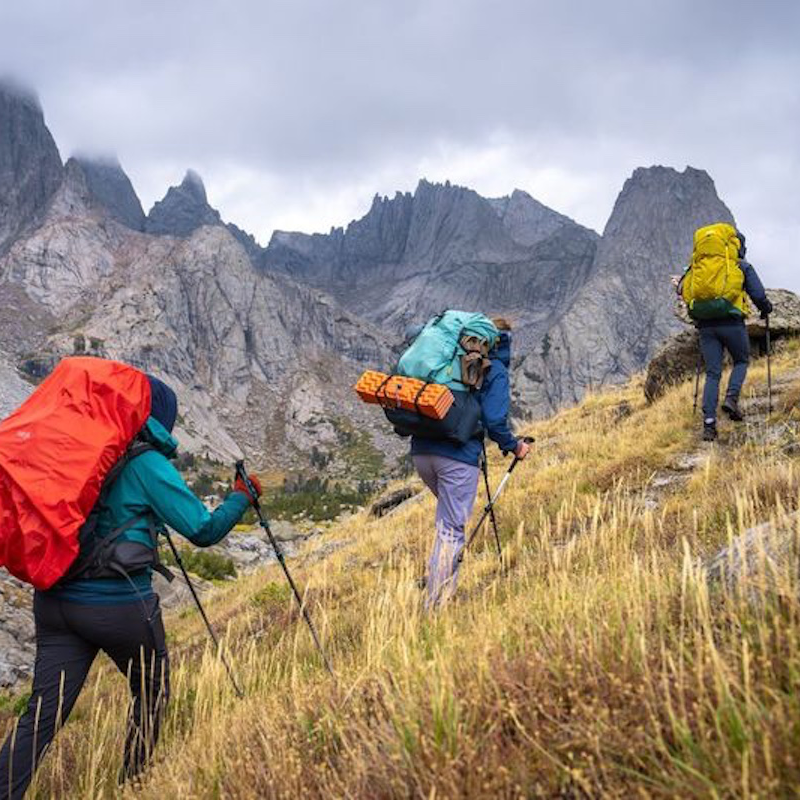
Why Fabric Choice Matters in Extreme Cold Environments
When temperatures drop below freezing, clothing is no longer just “clothing”—it becomes survival equipment.
Here’s the reality:
In extreme cold conditions, the human body can lose heat up to 25 times faster in wet conditions than in dry air. That means your fabric choice literally determines whether you stay warm or dangerously cold.
So the question isn’t “what looks good?”
It’s: what keeps you alive and functional in -20°C to -40°C environments?
The biggest risks in extreme cold clothing failure include:
Heat loss through poor insulation
Moisture buildup inside layers
Wind penetration through weak shell fabrics
This is why professional outdoor brands invest heavily in fabric engineering—not design alone.
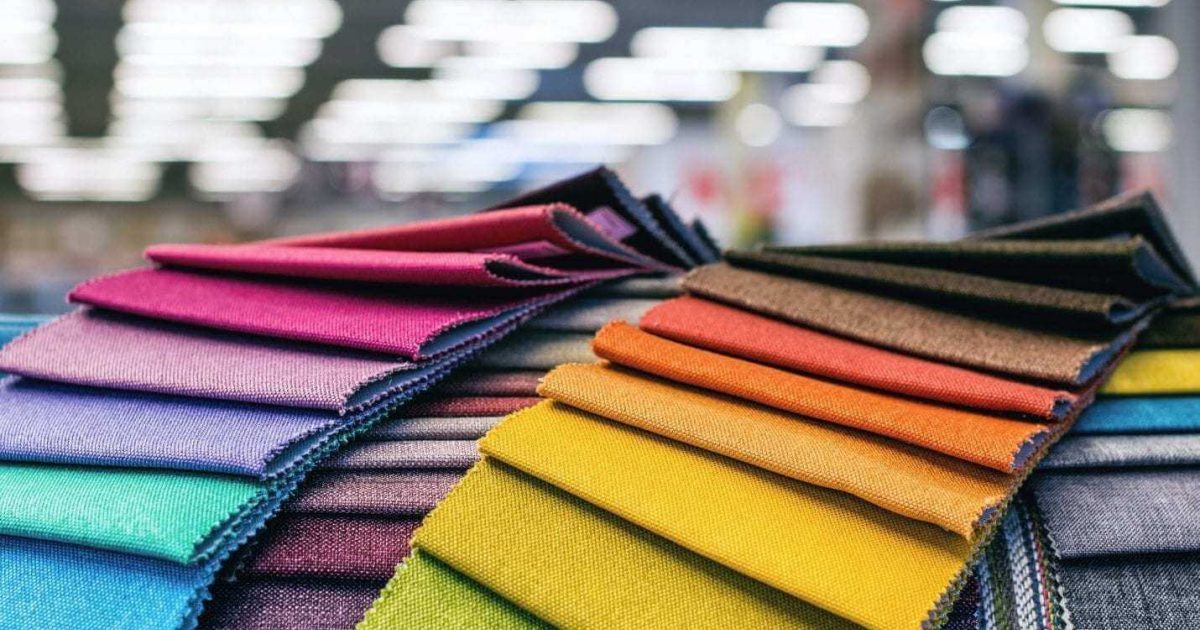
Key Fabric Types Used in Extreme Cold Outdoor Clothing
Let’s break down the science behind cold-weather performance fabrics.
Down Insulation vs Synthetic Insulation
These are the two dominant insulation systems in extreme cold gear.
Down insulation (Goose or Duck Down):
Warmth-to-weight ratio: extremely high
Compression performance: excellent
Ideal temperature range: -10°C to -40°C
However, there’s a weakness:
Down loses up to 80% of its insulating ability when wet
Synthetic insulation (Polyester fibers like PrimaLoft-type materials):
Retains heat even when wet
Faster drying time (up to 3x faster than down)
Slightly heavier but more reliable in humid snow conditions
Industry data shows synthetic insulation is used in over 55% of modern expedition jackets due to weather unpredictability.
Shell Fabrics: The First Defense Layer
The outer shell is like a shield—it blocks wind, snow, and rain.
Common fabric types include:
Hardshell (3-layer laminated fabrics)
Waterproof rating: 15,000–30,000mm
Best for alpine climbing
Softshell fabrics
More flexible and breathable
Best for active movement in cold environments
Gore-Tex alternatives
Similar waterproof-breathable membrane technology
Widely used in premium outdoor apparel
A high-performance jacket typically requires at least 10,000mm waterproof rating and 8,000g/m² breathability to be considered professional-grade.
Thermal Base Layers
Base layers are often ignored—but they are critical.
Their job is moisture management, not just warmth.
Best materials include:
Merino wool (natural odor resistance)
Polyester thermal knit (fast-dry performance)
Blended stretch fabrics for mobility
A good base layer can reduce perceived cold stress by 15–20% in layered systems.
Performance Data You Must Understand Before Choosing Fabric
If you are building a cold-weather clothing line, you must understand three key metrics:
Waterproof Rating
Measured in mm of water column:
5,000mm → light rain protection
10,000mm → heavy rain / snow
20,000mm+ → extreme alpine conditions
Breathability
Measured in g/m²/24h:
5,000 → low activity
10,000 → moderate hiking
15,000+ → high-intensity climbing
Insulation Performance (Clo Value)
The higher the CLO rating, the warmer the garment.
For example:
Light winter jacket: 1.0–2.0 CLO
Expedition parka: 3.0–4.5 CLO
These numbers are not marketing—they are survival specifications.
Common Mistakes Brands Make When Choosing Fabrics
Many new outdoor brands fail not because of design—but because of fabric mistakes.
Here are the biggest errors:
1. Choosing fashion fabrics for technical environments
Looks good ≠ performs well.
2. Ignoring moisture management
Cold + sweat = hypothermia risk.
3. Over-prioritizing cost
Saving $3 per jacket can destroy brand reputation.
4. No lab testing before production
Professional brands test fabrics in -30°C simulation chambers.
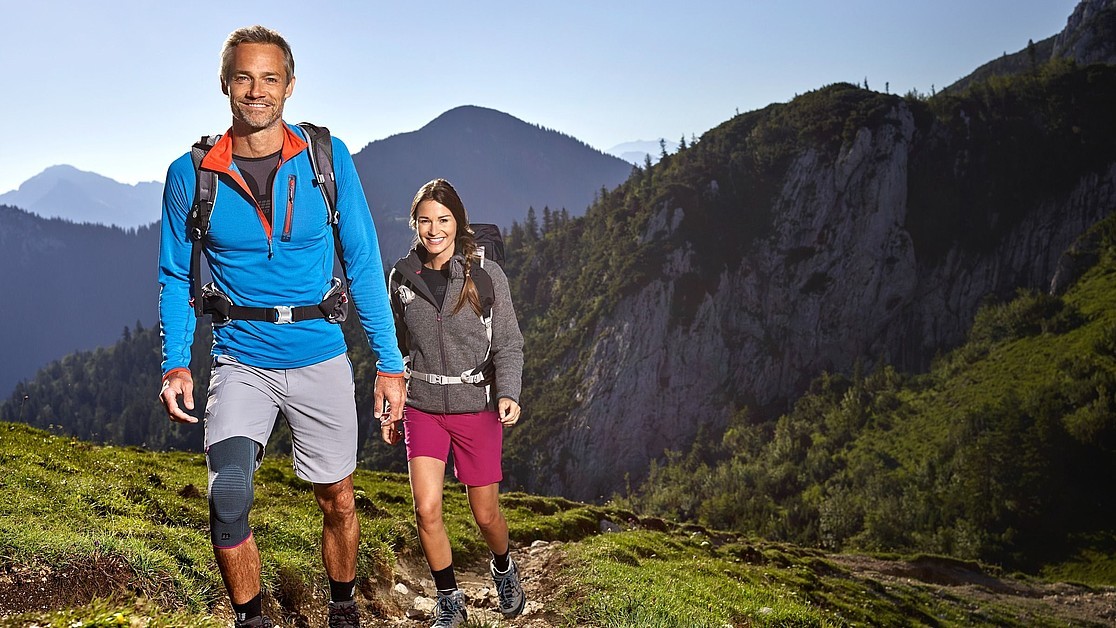
How Uniouter Helps Brands Build Extreme Cold Weather Clothing
This is where Uniouter becomes a strategic manufacturing partner—not just a supplier.
With over 20 years of outdoor apparel manufacturing experience, Uniouter specializes in extreme-condition clothing systems.
Explore manufacturing capabilities:
OEM/ODM Fabric Sourcing & Testing System
Uniouter supports:
Fabric performance evaluation
Insulation structure development
Waterproof membrane integration
Prototype testing under simulated cold environments
This ensures every product is engineered—not guessed.
Production Capability & Cooperation Model
Uniouter offers a flexible production system for global brands:
MOQ: 300–500 pieces per style
Sample development: 7–14 days
Bulk production: 30–50 days
Free sample policy for qualified clients
Design assistance + tender support included
This makes it ideal for startups and established brands scaling into technical outerwear.
Product Categories Supported
Uniouter develops:
Extreme cold mountaineering jackets
Insulated hiking clothing
Hunting & winter outdoor gear
Urban cold-weather commuter wear
View products:
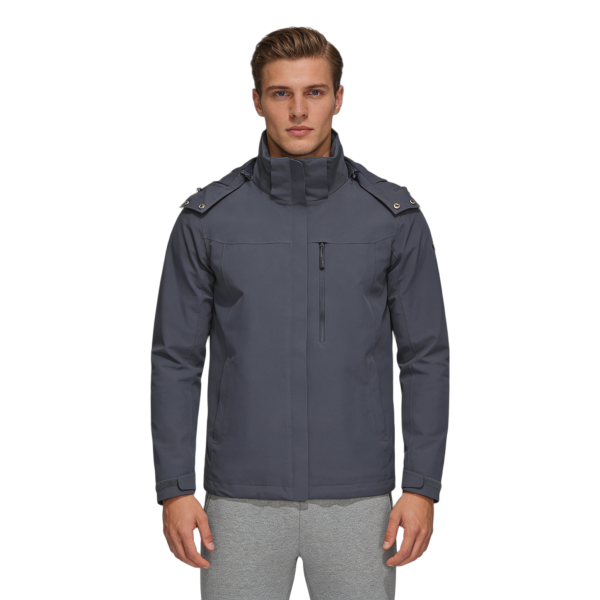
Outdoor Trekking Jacket – Combines Windproof & Waterproof Performance for High-Intensity Activities.
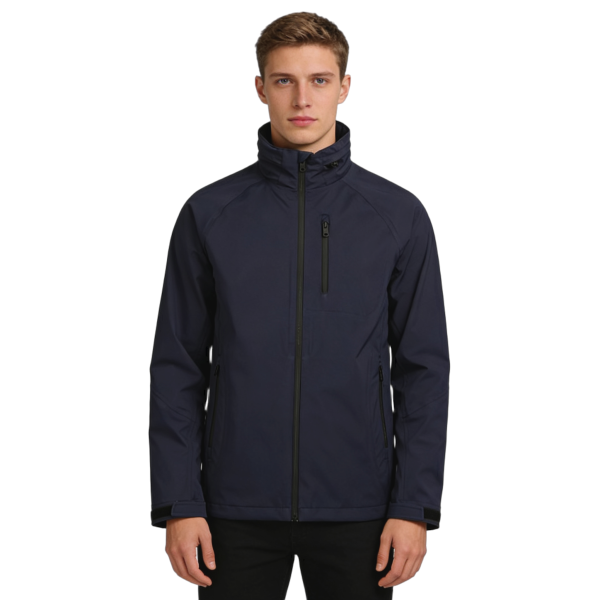
Rainproof hiking jacket, made of high-tech fabric, hidden hood, tailored fit, supports wholesale.
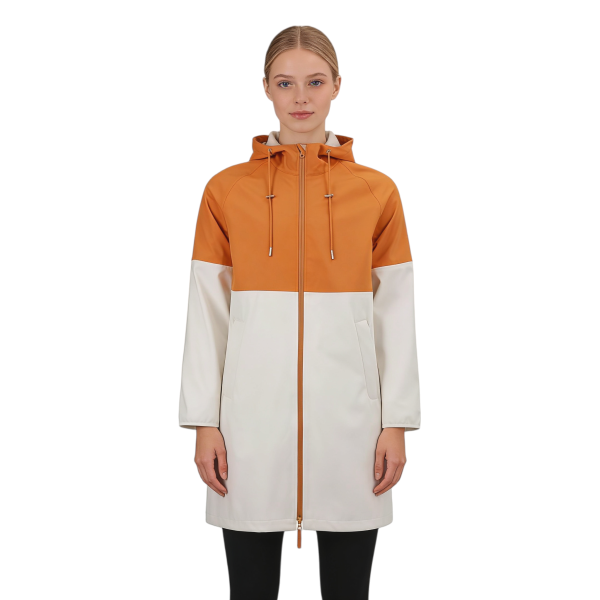
Rainproof hiking coat, insulating and rainproof, adjustable hat, supports OEM, essential for outdoor adventures.
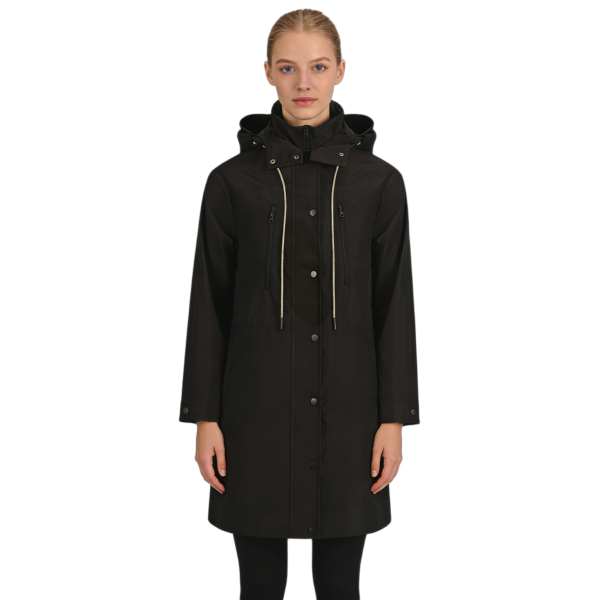
Black windproof coat, waterproof, wind-resistant, and warm, adjustable hat and cuffs, elegant and calm for outdoor adventures.
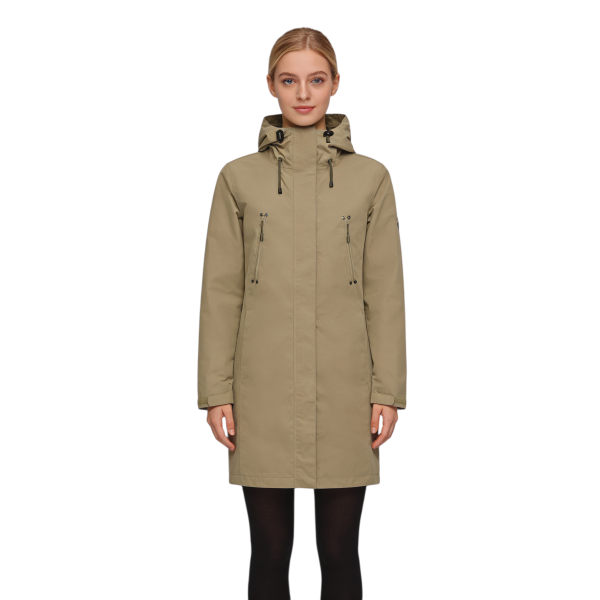
Windproof hiking coat, warm, adjustable cuffs, hooded with Velcro, ideal for outdoor adventures and daily travel.
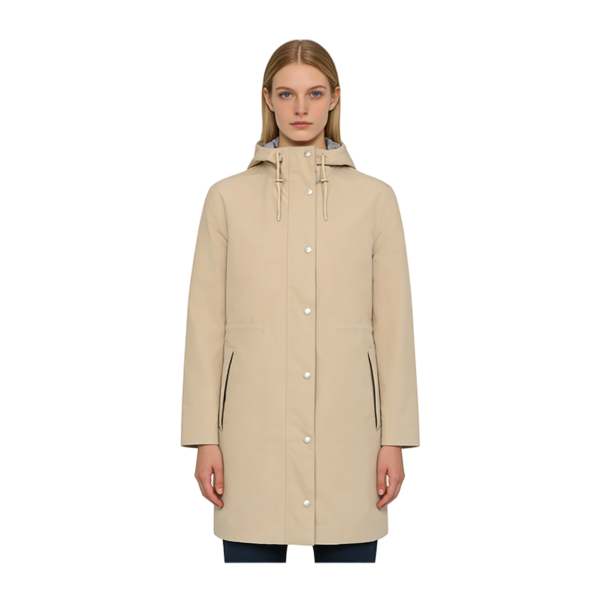
Waterproof Hiking Parka – Made from Eco-Friendly Recycled Fabric, Hooded Design Ideal for Long Treks in Unpredictable Weather.
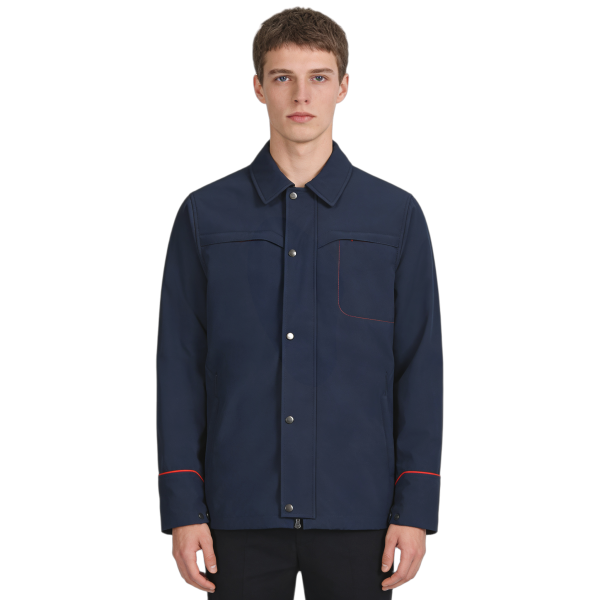
Stretch Outdoor Jacket – Flexible Movement, Windproof & Waterproof, Ideal for Medium to High-Intensity Outdoor Sports.
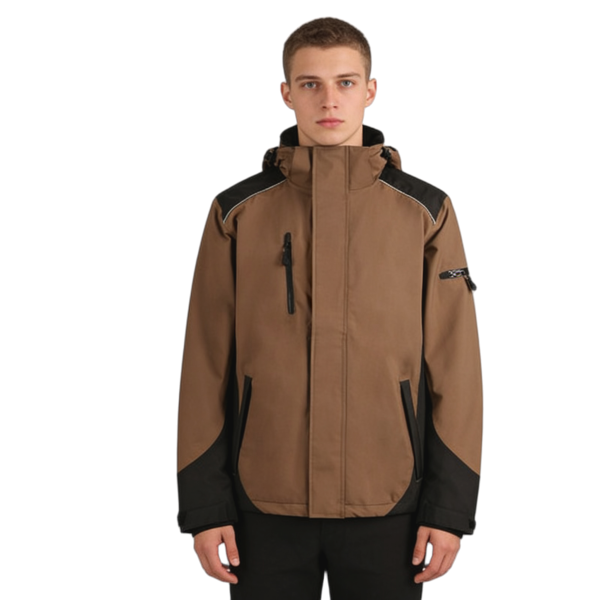
A windproof jacket featuring elastic cuffs, a hooded design, hook-and-loop front closure, and lightweight warmth — perfect for daily outings and business travels.
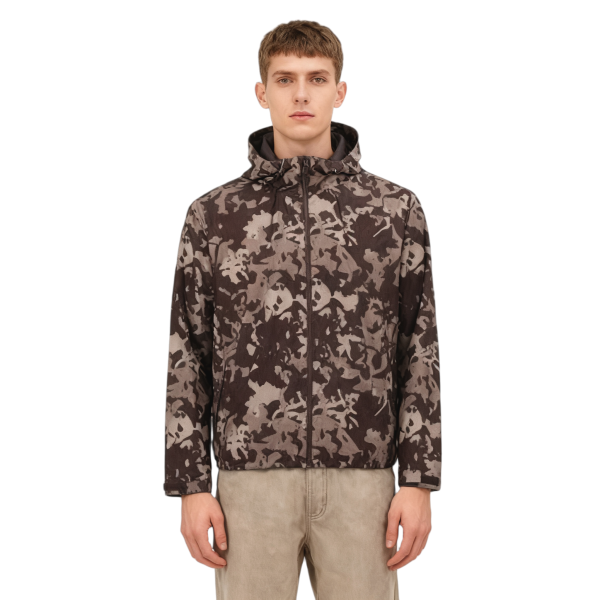
Custom Camo Hunting Jacket: Windproof, waterproof & perfect for outdoor adventures. OEM & wholesale available!
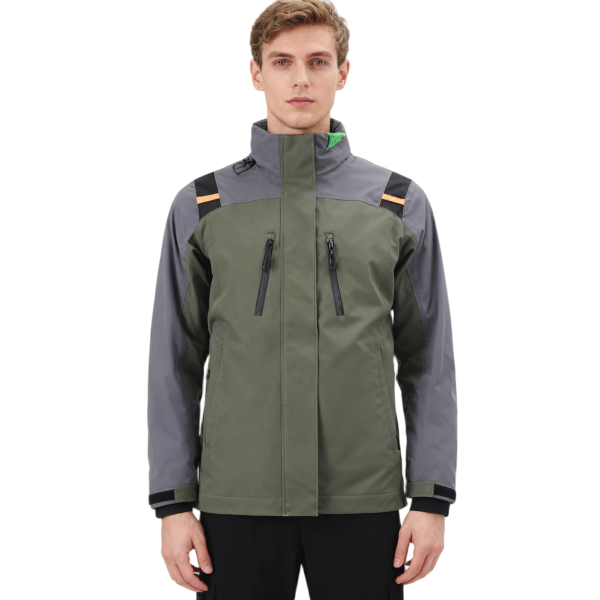
Custom OEM/ODM Windproof Fishing Jacket with Adjustable Cuffs & Velcro Closures, designed for ultimate comfort and protection.
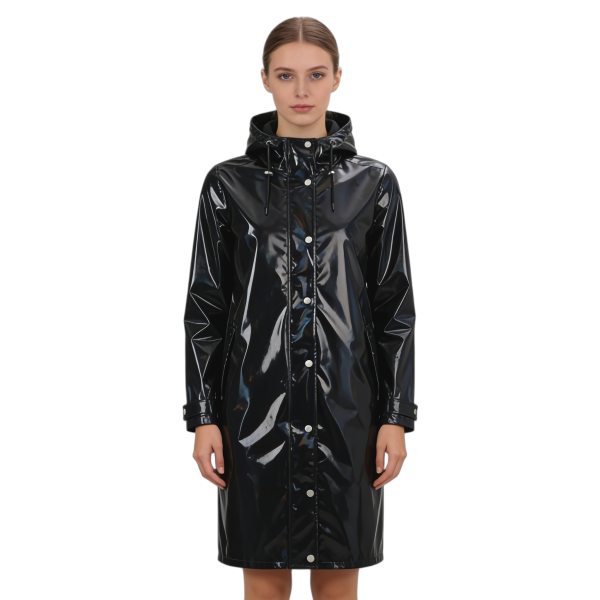
Black raincoat, level 3 waterproof, resistant to heavy rain, adjustable hat, classic for multiple occasions.

Black insulated parka, locks in warmth, two-way zipper, elastic cuffs block wind, essential for winter travel.
Conclusion
Choosing the right fabric for extreme cold weather outdoor clothing is not about trends—it’s about performance science.
You need to consider:
Insulation efficiency
Waterproof and breathability balance
Layering system compatibility
Real-world temperature performance
If you get the fabric wrong, the entire product fails. But if you get it right, you build a brand that people trust in life-critical conditions.
That’s why working with an experienced manufacturer like Uniouter can significantly reduce risk and accelerate product success.
Learn more about us:
FAQs
1. What is the best fabric for extreme cold weather jackets?
Down insulation combined with waterproof hardshell fabrics is the most effective combination for extreme cold environments.
2. Is synthetic insulation better than down?
Synthetic insulation performs better in wet conditions, while down provides superior warmth-to-weight ratio in dry cold.
3. Can Uniouter help with fabric selection and product development?
Yes, Uniouter provides full OEM/ODM support including fabric sourcing, testing, and custom design development.