How to Choose the Right Outdoor Clothing Manufacturer for Your Brand
- Share
- Issue Time
- Dec 26,2025
Summary
Learn how to choose the right outdoor clothing manufacturer for your brand. Compare OEM capabilities, MOQ, quality control, and see how UniOuter supports custom outdoor apparel production.
Preface
The global outdoor apparel market is projected to surpass USD 45 billion by 2030, growing at an annual rate of over 6%, driven by hiking, skiing, hunting, and urban outdoor lifestyles. That growth looks exciting, but it also raises the stakes. A wrong manufacturing partner can lead to inconsistent quality, delayed launches, and margins that quietly disappear.
So how do you choose the right outdoor clothing manufacturer—one that grows with your brand instead of holding it back? Let’s break it down step by step.
Why Choosing the Right Outdoor Clothing Manufacturer Is So Critical
Many emerging and even established brands start with price as the main decision factor. It feels logical, right? Lower cost, higher margin.
But here’s the reality: according to industry surveys, over 35% of outdoor apparel brands switch manufacturers within their first two production cycles. The reasons are surprisingly consistent—quality instability, missed deadlines, and poor communication.
Outdoor clothing isn’t basic apparel. It involves waterproof membranes, seam sealing, insulation mapping, abrasion resistance, and performance testing. If a factory lacks real outdoor expertise, problems won’t show up in the sample—they’ll show up in the field.
That’s why choosing the right manufacturer early saves years of rework later.

Understanding Your Brand’s Real Needs Before Contacting a Manufacturer
Before sending inquiries to factories, ask yourself a few hard questions.
What category are you really in? Hiking, skiing, hunting, or urban outdoor wear all require different manufacturing capabilities. A factory strong in cotton casual wear may struggle with waterproof-breathable laminates.
Next, think about volume. Are you starting with 300–500 units per style, or are you planning seasonal drops of 5,000+ pieces? Not every manufacturer can support both ends of that spectrum.
Performance standards matter too. For example:
Waterproof ratings (10,000mm vs 20,000mm)
Breathability (5,000–15,000 g/m²/24h)
Fabric weight and durability (Denier ratings)
Manufacturers like UniOuter specialize in translating these technical requirements into production-ready garments, helping brands avoid costly trial-and-error.
Key Criteria to Evaluate an Outdoor Clothing Manufacturer
Manufacturing Experience & Technical Capability
Experience isn’t just about years—it’s about relevance. A factory with 20 years in outdoor apparel understands pattern engineering, articulated joints, and weather-resistant construction.
For example, alpine jackets require different seam placements and reinforcement compared to commuter shells. An experienced manufacturer anticipates these needs instead of reacting to problems later.
UniOuter brings 20+ years of dedicated outdoor apparel manufacturing experience, covering hiking, mountaineering, hunting, and urban outdoor categories.
Fabric Expertise and Performance Testing
Fabrics define outdoor performance. A reliable manufacturer should guide you through fabric selection instead of simply following instructions.
Key fabric considerations include:
Waterproof membranes (TPU, PU, ePTFE)
Insulation types (synthetic vs down)
Face fabrics (nylon vs polyester durability)
Data matters here. For instance, jackets made with 70D nylon typically last 30–40% longer in abrasion tests than 40D alternatives.
UniOuter works with a wide range of tested outdoor fabrics and helps brands select the best balance between performance, durability, and cost.
Customization, MOQ, and Flexibility
Rigid MOQs kill young brands. Flexible manufacturers understand market testing.
A good outdoor clothing manufacturer should offer:
Low MOQs (300–500 pcs per style)
Custom trims, colors, and functional details
OEM and ODM support
UniOuter’s Outdoor Uniform Customization Service allows brands to scale gradually while maintaining consistent quality.
Quality Control, Certifications, and Compliance
Quality control isn’t optional—it’s insurance.
Look for factories with:
In-house QC teams
AQL inspection standards
Compliance with REACH, OEKO-TEX, or ISO
Brands that skip this step often face return rates exceeding 8–10%, which silently erodes profit.
Cost, Lead Time, and Communication — What Brands Often Overlook
Cost isn’t just the unit price. Sampling fees, revisions, logistics delays, and rework all add up.
Average timelines in outdoor apparel manufacturing:
Sample development: 7–10 days
Bulk production: 30–50 days
Communication matters just as much. Time zone alignment, clear tech packs, and responsive feedback loops reduce misunderstandings.
UniOuter assigns dedicated project managers to ensure smooth communication from concept to delivery.
How UniOuter Helps Brands Build Scalable Outdoor Apparel Lines
UniOuter isn’t just a factory—it’s a long-term manufacturing partner.
From custom hiking and mountaineering apparel to urban commuter outdoor wear and hunting clothing, UniOuter supports brands through design, fabric selection, sampling, and scalable production.
Explore:
This integrated approach helps brands launch faster, reduce risk, and grow sustainably.

Hooded Mountaineering Jacket – All-Climate Protection, Built for Versatility.
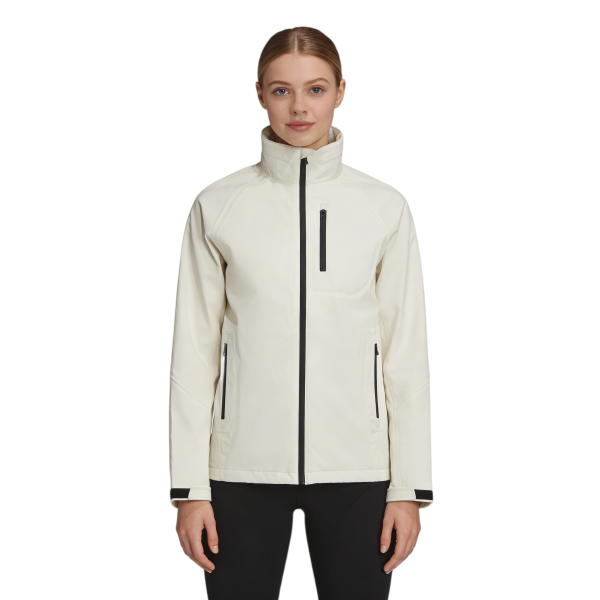
All-Purpose Outdoor Jacket – Combines Waterproof & Windproof Protection, Also Great for City Wear.
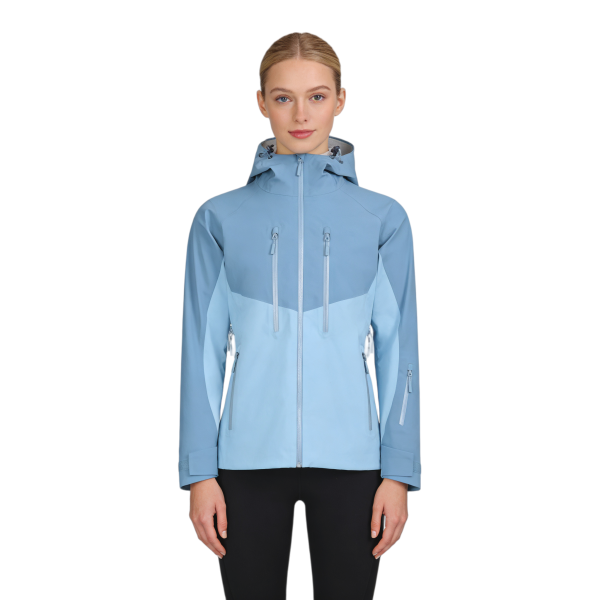
Women's Hiking Jacket – Windproof & Waterproof, Fitted with a Hood, Balancing Style and Functionality.
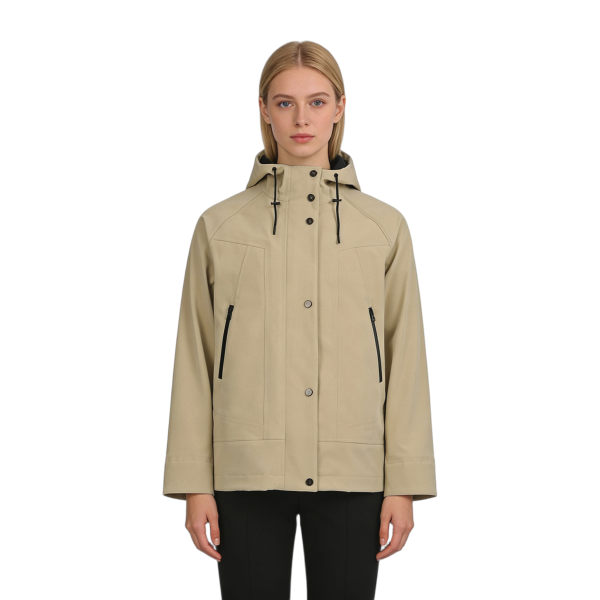
Rugged Windproof Outdoor Jacket – OEM Customizable, Built for Varied Outdoor Conditions.
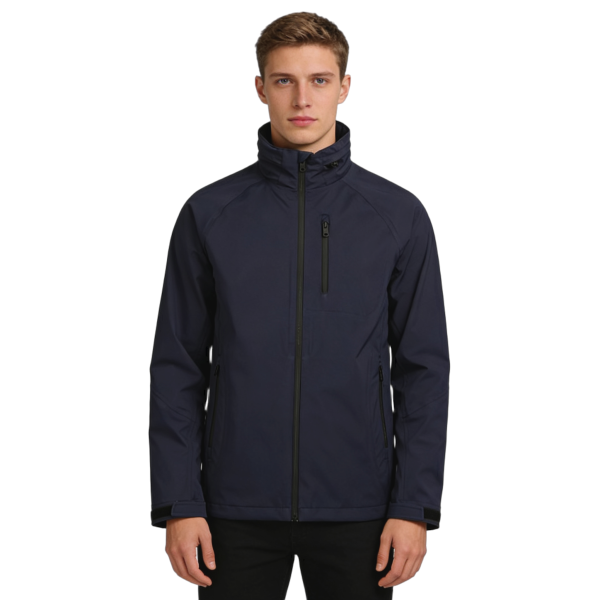
Rainproof hiking jacket, made of high-tech fabric, hidden hood, tailored fit, supports wholesale.
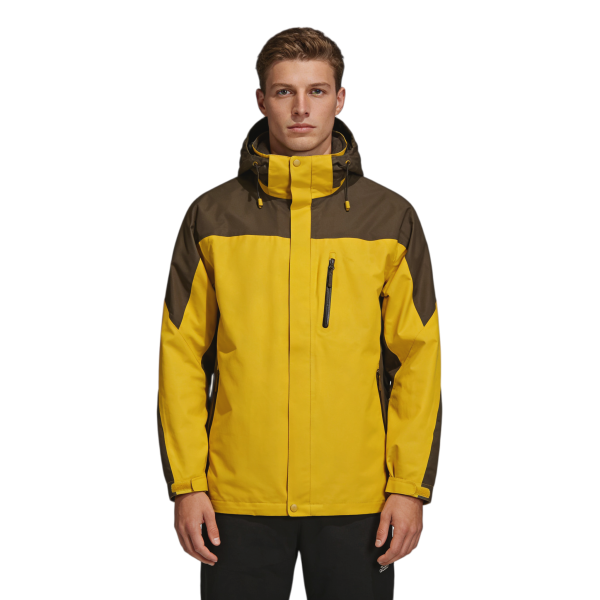
Windproof mountain coat, waterproof fabric, elastic cuffs, detachable hat, tailored fit, ideal for outdoor adventures.
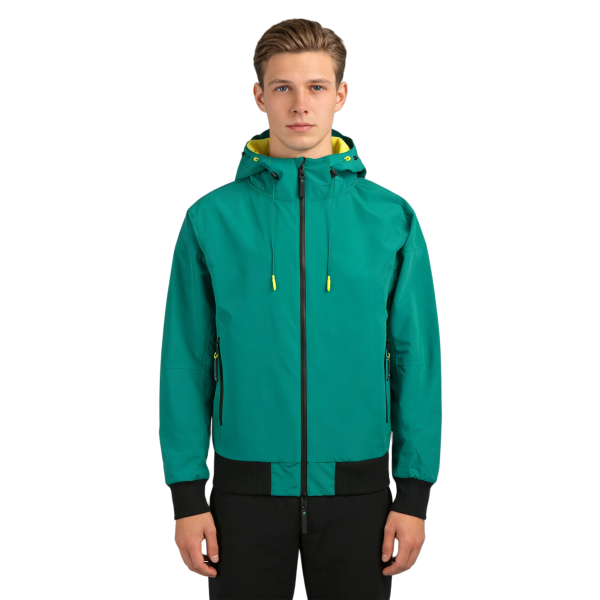
Waterproof mountain jacket with high-tech fabric, tailored fit, supports wholesale, ideal for outdoor adventures.
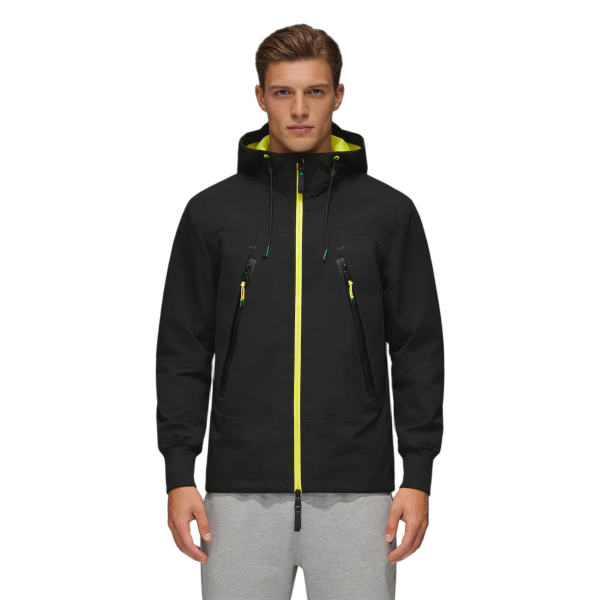
Hiking windproof jacket, adjustable hat, waterproof zipper, elastic cuffs, high-performance fabric, lightweight, warm
Final Checklist Before You Make Your Decision
Before signing with a manufacturer, confirm:
Proven outdoor apparel experience
Fabric and performance expertise
Flexible MOQ and customization
Strong QC and compliance systems
Transparent communication
Choosing the right outdoor clothing manufacturer is like choosing a climbing partner—you want someone who knows the terrain and won’t let you fall.
Conclusion
Your manufacturer shapes your product, your timeline, and your reputation. By choosing an experienced outdoor clothing manufacturer like UniOuter, you’re not just sourcing garments—you’re building a foundation for long-term brand growth.
FAQs
1. What is the ideal MOQ for a new outdoor clothing brand?
Most startups work best with 300–500 units per style to test the market without overstocking.
2. How long does it take to produce custom outdoor jackets?
From sampling to bulk delivery, the process usually takes 40–60 days.
3. Can manufacturers help with fabric selection?
Yes. Experienced manufacturers like UniOuter actively guide brands in choosing performance-appropriate fabrics.