How to Source Custom Outdoor Clothing from China: A Complete Step-by-Step Guide
- Share
- publisher
- UniOuter
- Issue Time
- Sep 3,2026
Summary
A 10-step roadmap for sourcing custom outdoor clothing from China: defining needs, finding and vetting manufacturers, quoting, sampling, testing, contracts, production monitoring, inspection, and shipping - plus the 10 most common first-time buyer mistakes.
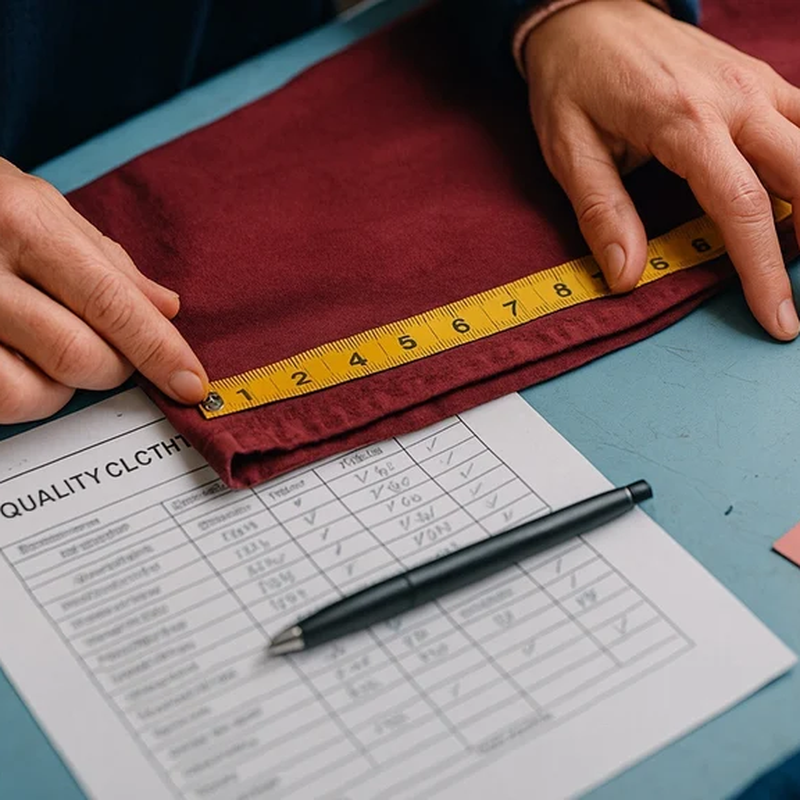
China remains the world's most capable base for custom outdoor clothing manufacturing - but the difference between a smooth program and a costly failure usually comes down to process. This guide walks through the ten steps professional buyers follow, from defining requirements to clearing customs, so you can approach Chinese manufacturers with confidence.
If you are still comparing sourcing regions or evaluating specific factories, our China outdoor apparel sourcing guide and top 10 manufacturers comparison are good companions to this walkthrough.
Add photo here: a buyer meeting with a Chinese manufacturer's sales team at their factory showroom, reviewing jacket samples
Steps 1-3: Define, Find, and Evaluate Manufacturers
Step 1 - Define your needs. Before contacting any factory, write down product type, target market, quantity, budget, timeline, and required certifications. A manufacturer cannot quote accurately - and you cannot judge a quote - without these five anchors.
Step 2 - Find manufacturers. The reliable channels are industry trade shows (Canton Fair, Intertextile Shanghai), B2B platforms, referrals from other brands, and factory visits. Directories list thousands of "manufacturers", but many are trading companies. Our manufacturer comparison guide explains how to tell factory owners from middlemen.
Step 3 - Evaluate before you engage. Check certifications (OEKO-TEX, ISO 9001, BSCI), request a factory audit or video walkthrough, examine sample quality, and test communication speed. A factory that answers in 24 hours before you pay will behave very differently from one that takes a week.
Steps 4-6: Quotes, Prototyping, and Testing
Step 4 - Request quotes the right way. A useful RFQ includes tech pack or reference samples, target quantity, Incoterm (FOB, CIF, or EXW), required certifications, and packaging instructions. Understand which cost components are included - fabric, trims, testing, and inland freight are the usual surprises. Our transparent pricing calculator shows how an itemized quote should look.
Step 5 - Design and prototyping. You can supply a complete tech pack or start from rough sketches - a capable OEM partner will fill the gaps. Expect 7-14 days per sample round and two to three rounds for a new style. Every change should be documented so the final pre-production sample becomes the binding reference.
Step 6 - Testing and certification. Functional claims need proof: hydrostatic head for waterproofness, RET or MVTR for breathability, and flame-retardant or high-visibility tests where relevant. Ask which third-party lab will run the tests and make sure reports are in your company's name.
Steps 7-10: Contract, Production, Inspection, Shipping
Step 7 - Contract and payment. Key terms: product specification (reference the approved sample), price and validity, lead time, payment structure (commonly 30% deposit / 70% balance), quality standards (AQL level), IP protection, and remedies for defects. An NDA is standard practice before sharing designs.
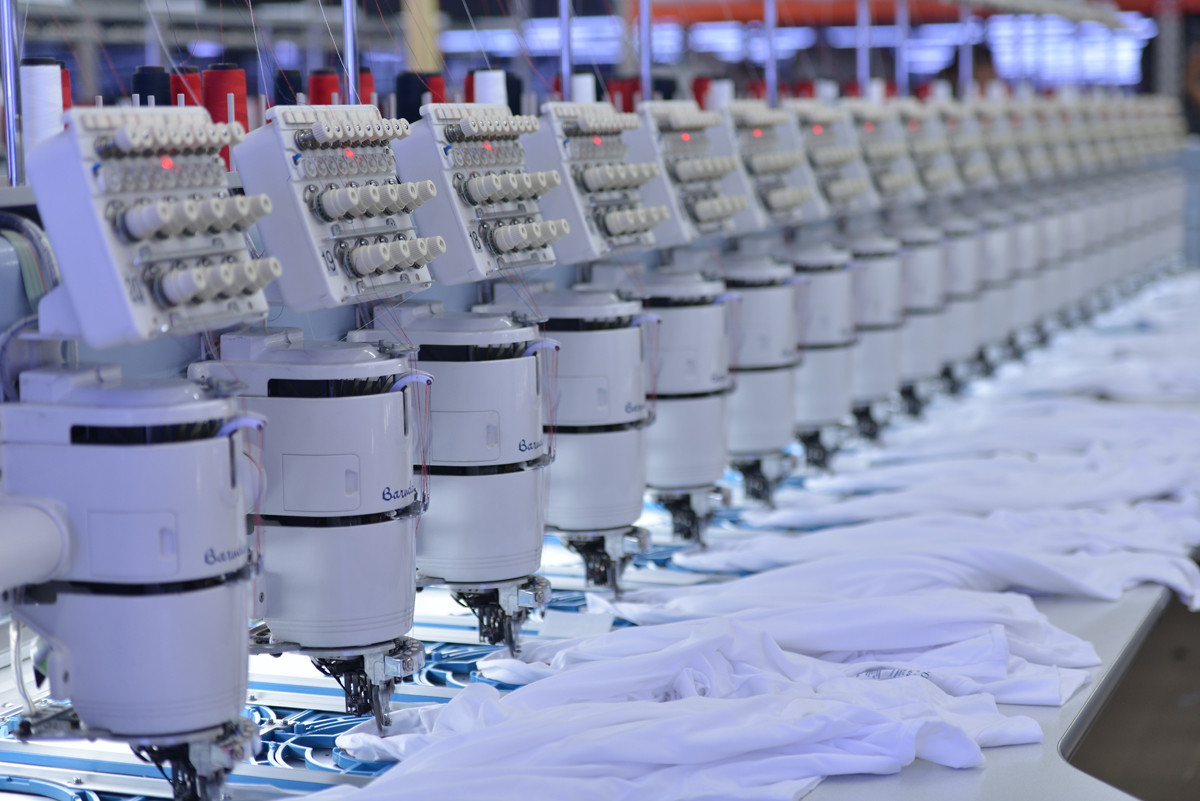
Step 8 - Production monitoring. Bulk production typically runs 30-50 days for outdoor apparel. Ask for in-line QC reports and progress photos at defined milestones - cutting complete, 50% sewn, seam taping complete - rather than waiting until the end.
Add photo here: quality control inspector performing final inspection on waterproof jackets before shipment, checking seams and zippers
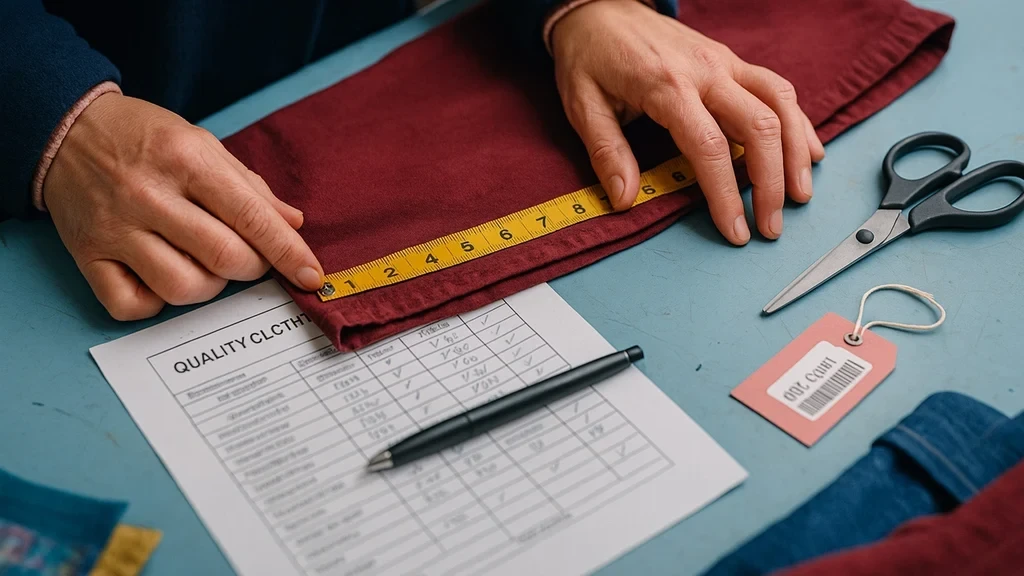
Step 9 - Pre-shipment inspection. Inspect against an agreed AQL sampling plan, covering measurements, workmanship, and functional performance. Third-party inspectors (SGS, BV, Intertek) provide independent verification for around USD 300 per man-day - cheap insurance on a bulk order.
Step 10 - Shipping and customs. Confirm Incoterms, book freight (sea FCL/LCL or air), and prepare documents: commercial invoice, packing list, certificate of origin, and test reports. An AEO-certified manufacturer clears customs faster with lower inspection rates - our AEO certification article explains the concrete benefits for importers.
Ten Common First-Time Buyer Mistakes
- 1. Choosing on price alone. The cheapest quote usually omits testing, proper seam taping, or QC - costs that return as defects.
- 2. Skipping sample approval. Production without a signed pre-production sample leaves you no reference for disputes.
- 3. Vague specifications. "Waterproof jacket" means nothing; "10,000 mm hydrostatic head, fully taped seams" is enforceable.
- 4. No AQL standard in contract. Without a defined quality threshold, "acceptable" is whatever the factory says.
- 5. Paying 100% upfront. Deposits should be partial and balanced against verified shipment.
- 6. Ignoring MOQ negotiation. Flexible manufacturers offer 300-500 piece minimums - see our MOQ negotiation guide.
- 7. No IP protection. Share designs only under NDA, and register trademarks in target markets early.
- 8. Rushing the timeline. Compressed schedules force shortcuts in seam sealing and QC - the failure points of outdoor apparel.
- 9. Skipping third-party inspection. Self-reported quality is not verification.
- 10. Treating sourcing as one transaction. The best pricing and priority come from long-term manufacturer relationships.
UniOuter's Streamlined Sourcing Process
UniOuter - the manufacturing brand of Zhejiang Hualilai with 20+ years of OEM/ODM experience - runs a buyer-friendly process: 24-hour response on inquiries, transparent itemized quotations, a dedicated account manager per client, 7-14 day sampling, and three-tier QC with 30-day rework warranty. MOQ starts at 300-500 pieces, which lets emerging brands test the market before scaling. For the technical background on production stages, read our complete custom manufacturing guide, or start directly by browsing the product catalog and sending an inquiry.
New to B2B apparel sourcing in general? The UniOuter purchasing guide covers fundamentals, and the about page introduces our factory, certifications, and manufacturing philosophy.
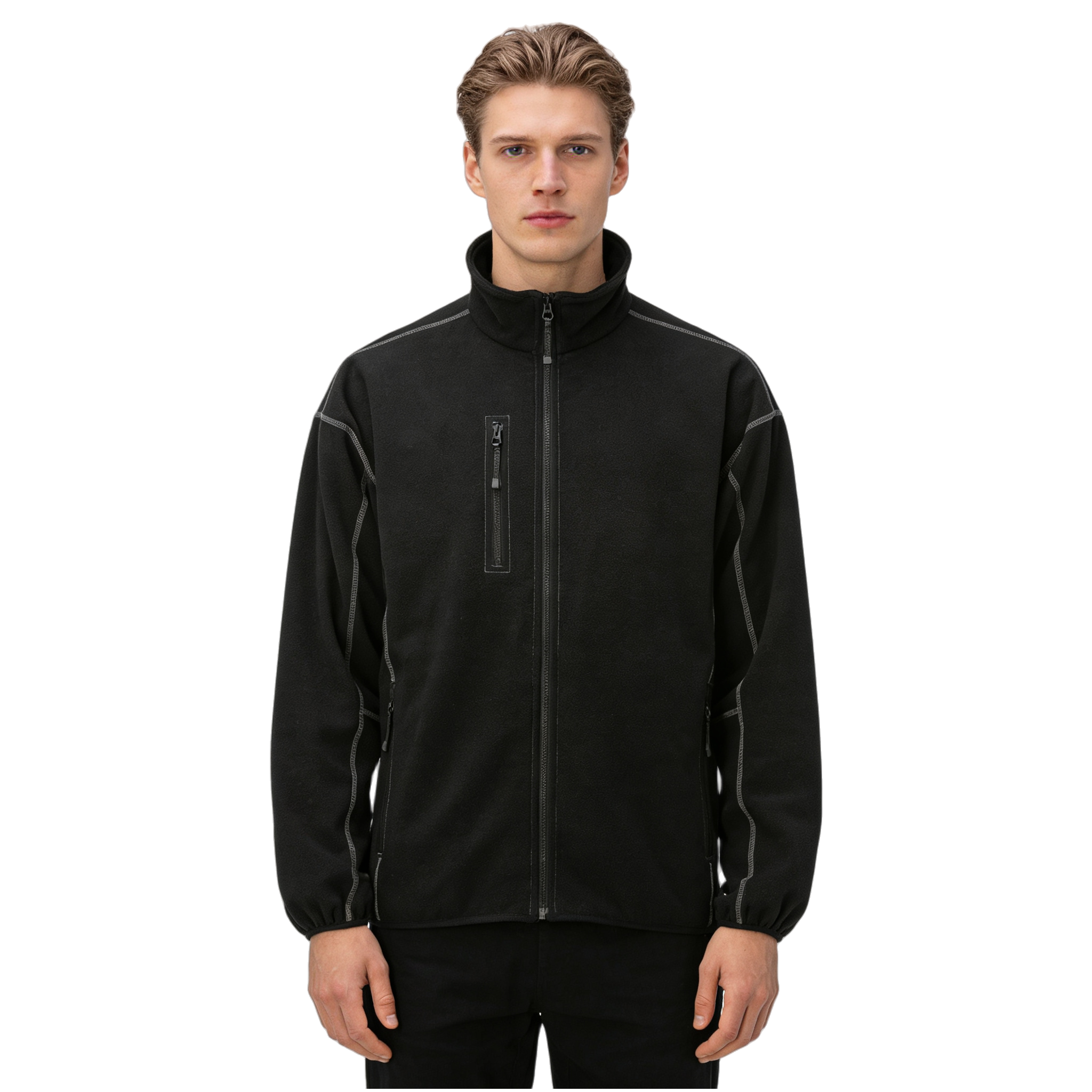
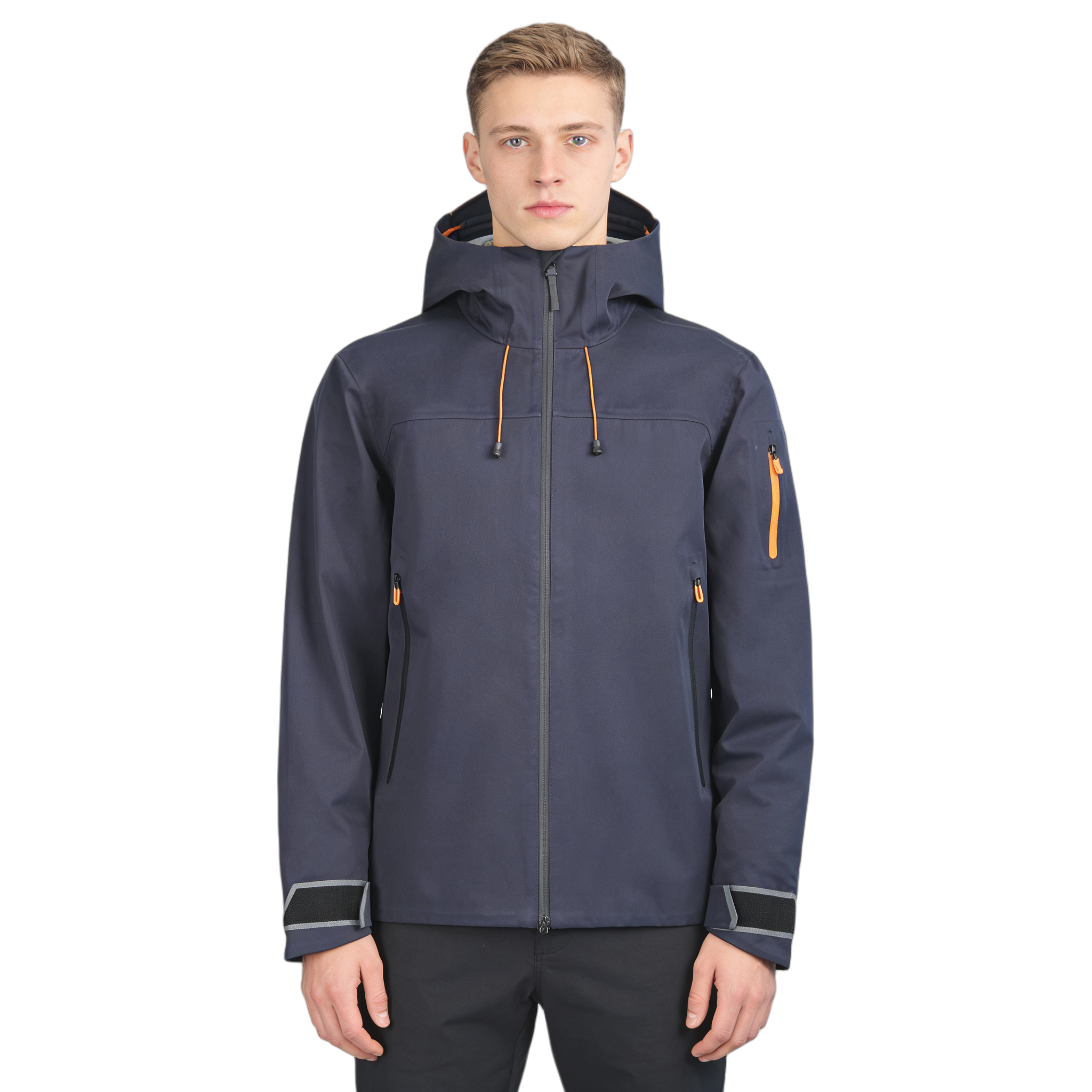
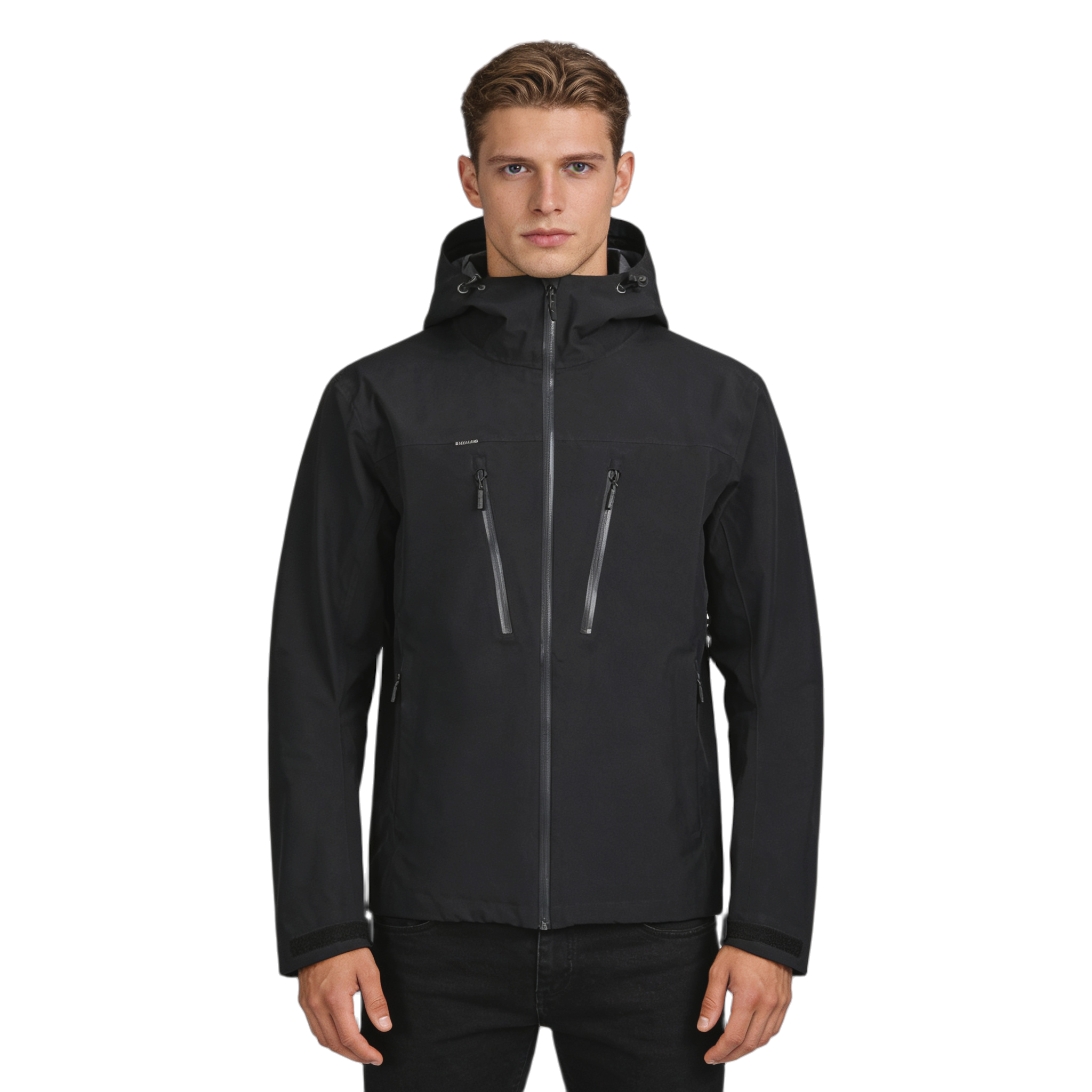
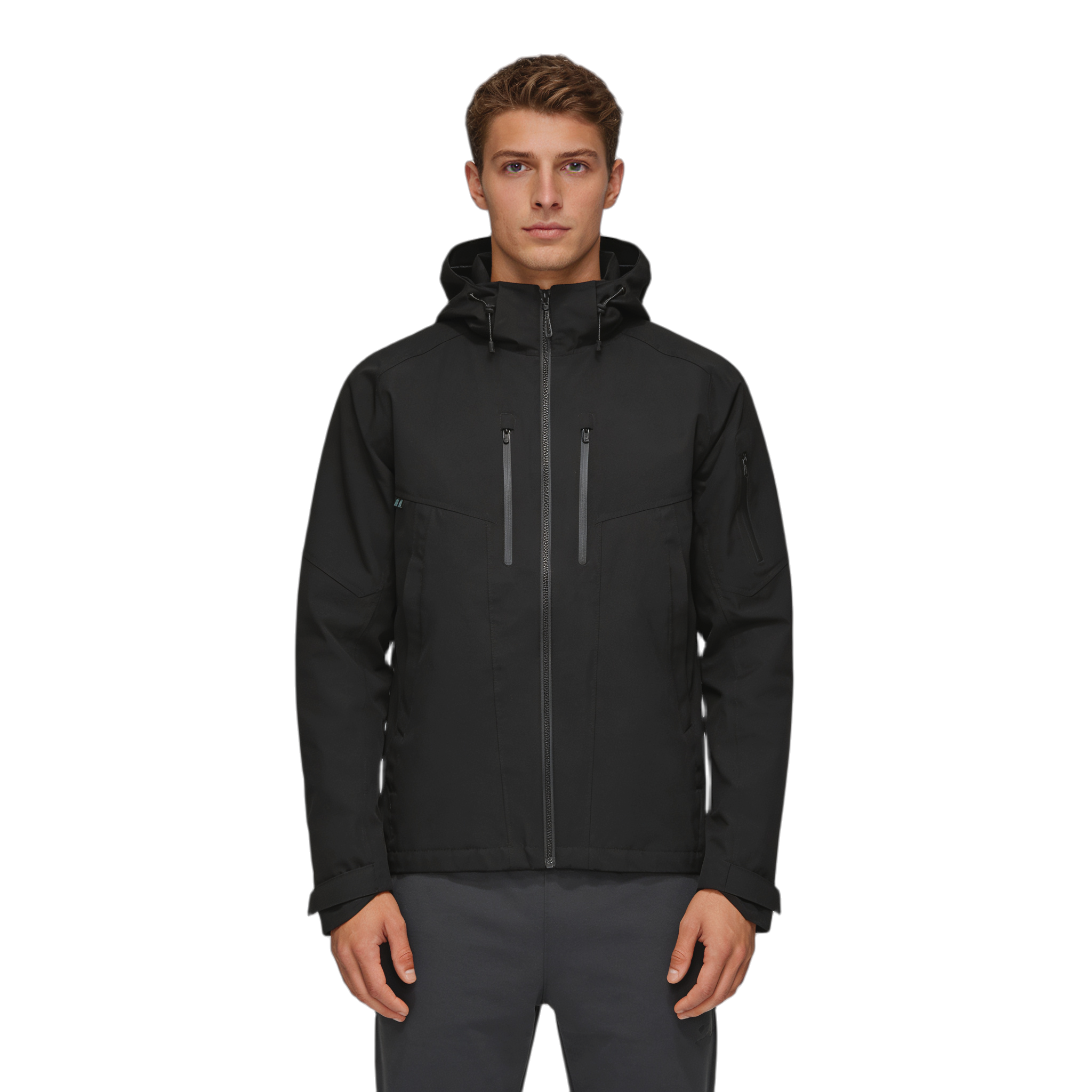
Shop Custom Outdoor Jackets
Frequently Asked Questions
For a new custom style, plan on 2-4 weeks for evaluation, quotes, and sampling, then 30-50 days for bulk production, plus shipping time (25-40 days by sea to most Western markets). A realistic first-order timeline is 3-4 months end to end.
FOB (Free on Board) is the most common choice for new buyers: the manufacturer handles inland transport and export clearance, and you control the ocean freight. EXW is cheaper on paper but shifts all export formalities to you, which is impractical without a Chinese freight forwarder. Read about how AEO certification speeds up the export side.
Traditional factories ask for 1,000+ pieces per style and color. Flexible manufacturers offer 300-500 piece minimums so brands can validate demand first. Our MOQ negotiation guide shows how to structure these conversations.
Ask for a business license with matching factory address, request a live video walkthrough, check certifications against issuing-body databases, and ideally visit in person or hire a third-party auditor. Detailed vetting criteria are in our factory vetting guide.
Yes for meaningful order values. Factory QC checks against internal standards; a third-party inspector verifies against your contract and AQL level, and provides an independent report you can use in disputes. Typical cost is USD 250-350 per man-day.