How to Start Your Own Outdoor Clothing Brand with a Custom Manufacturer
- Share
- Issue Time
- Dec 21,2025
Summary
This guide explains how to start an outdoor clothing brand using a custom manufacturer, covering brand positioning, fabric selection, OEM vs ODM, sampling, bulk production, and long-term scaling.
Preface
But reality hits fast.
Suddenly, you’re buried in questions:
Which fabrics actually work outdoors?
Why does every factory quote a different price?
Why does the sample look great, but bulk production feels risky?
This is where many first-time brands stall — or worse, fail.
According to global apparel industry data, over 60% of new clothing brands fail within the first three years, and in the outdoor segment, the failure rate is even higher due to technical complexity.
The good news? Most failures are preventable.
In this guide, we’ll break down how to start your own outdoor clothing brand step by step, using a custom manufacturer — and show how UniOuter, a professional outdoor apparel manufacturer with 20+ years of experience, helps brands avoid costly mistakes.
Why Starting an Outdoor Clothing Brand Is Harder Than It Looks
Outdoor apparel is not just fashion. It’s equipment.
Customers expect jackets that survive rainstorms, pants that resist abrasion, and garments that perform consistently in real environments. That expectation raises the bar dramatically.
Here’s what the data tells us:
72% of customer complaints in outdoor apparel relate to performance issues (waterproofing failure, seam leakage, poor breathability)
38% of brands underestimate production costs due to fabric and trimming choices
Over 40% of delays come from unclear communication with manufacturers
In other words, great branding alone won’t save a bad product.
That’s why successful brands start by building a manufacturing strategy, not just a marketing plan.
Defining Your Brand Positioning and Product Focus
Choosing the Right Outdoor Category and Target User
One of the biggest beginner mistakes is trying to do everything.
Outdoor clothing is a broad field:
Each category has completely different priorities.
For example:
Hiking jackets typically require waterproof ratings of 10,000–20,000 mm
Hunting apparel prioritizes quiet fabrics and durability over weight savings
Urban outdoor wear balances stretch, appearance, and light weather protection
Successful brands choose one clear starting point.
At UniOuter, we help clients align their product idea with real-world use cases, whether it’s Custom Hiking & Mountaineering Apparel, Custom Urban Commuter Clothing, or Custom Hunting & Fishing Apparel.
Understanding Fabrics, Performance Standards, and Costs
Outdoor Fabric Choices Explained with Real Industry Data
Fabric selection is where most outdoor brands either win or lose.
Here’s a simplified breakdown with real performance data:
Polyester Softshell
Cost-effective, durable, water-resistant. Abrasion resistance often exceeds 20,000 rubs.
Nylon Ripstop
Lightweight with high tear strength. Up to 2× stronger than standard polyester fabrics.
3-Layer Waterproof Laminates
Used in premium jackets. Typical lifespan 5–7 years under frequent use.
Stretch Woven Blends
Common in urban commuter apparel, offering comfort with light protection.
Price impact matters too:
Fabric can account for 45–65% of total garment cost
Choosing the wrong fabric can increase returns by up to 30%
UniOuter works closely with brands to customize fabric specs, helping balance performance, cost, and target price through our Outdoor Uniform Customization Services.
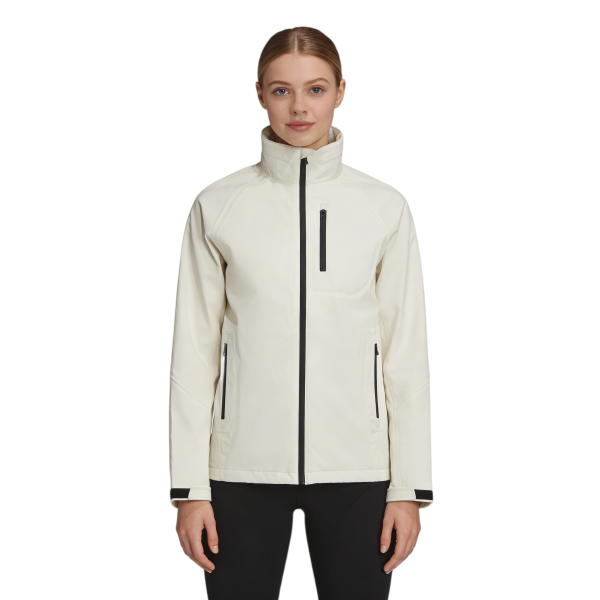
All-Purpose Outdoor Jacket – Combines Waterproof & Windproof Protection, Also Great for City Wear.
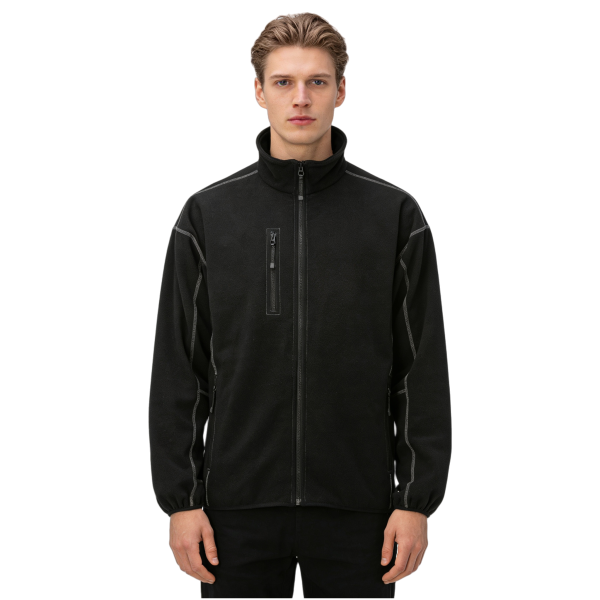
Lightweight Windbreaker Hiking Jacket – Easy to Pack and Carry, Perfect for Outdoor Treks.
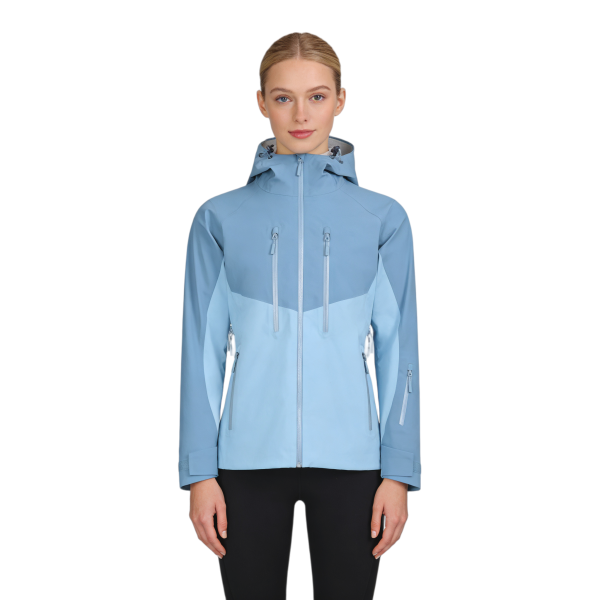
Women's Hiking Jacket – Windproof & Waterproof, Fitted with a Hood, Balancing Style and Functionality.
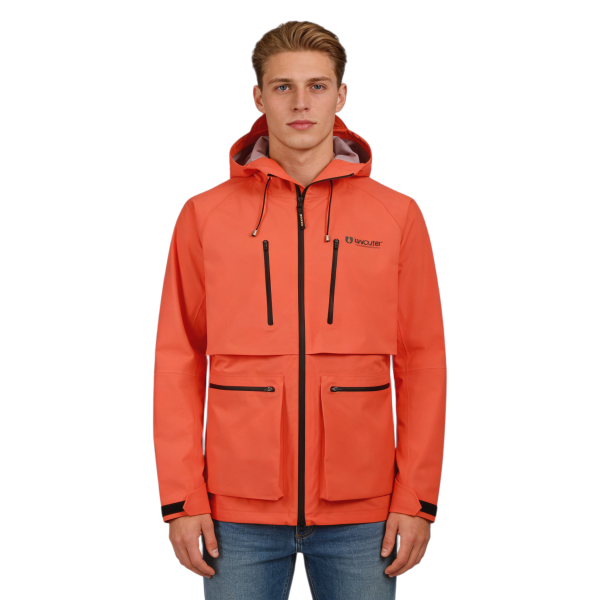
Orange waterproof parka with high-performance fabric, adjustable hat, and waterproof pockets for outdoor adventures.
Finding and Working with the Right Custom Manufacturer
OEM vs ODM: What New Brands Must Know
Not all manufacturers operate the same way.
OEM (Original Equipment Manufacturer): You provide designs and specs
ODM (Original Design Manufacturer): The factory assists with design and development
For startups, ODM support can reduce development time by 30–40%.
However, many factories claim ODM capabilities but lack real outdoor expertise.
With 20 years of specialization in outdoor apparel, UniOuter supports both OEM and ODM models, helping brands refine designs, select fabrics, and avoid structural mistakes before production.
Learn more about who we are on our About UniOuter page.
Sampling, Bulk Production, and Quality Control
Sampling is not optional — it’s critical.
Industry averages show:
Brands need 2–4 sample rounds before approval
Each round takes 7–10 days
Skipping or rushing sampling often leads to:
Fit issues
Seam failures
Inconsistent sizing
UniOuter minimizes risk through:
Fast sampling cycles
Pre-production testing
Inline quality inspections
With MOQs starting from 300–500 pieces, we help new brands enter the market without excessive inventory pressure.
Scaling Your Brand with a Long-Term Manufacturing Partner
Launching your first product is only the beginning.
Long-term success depends on:
Stable quality across reorders
Cost optimization as volumes grow
Reliable delivery timelines
Brands that maintain consistent manufacturing partnerships see:
15–25% cost reduction after 2–3 seasons
Faster product development cycles
UniOuter supports long-term brand growth through production planning, pattern archiving, and continuous material optimization. Explore more at our homepage: www.uniouter.com.
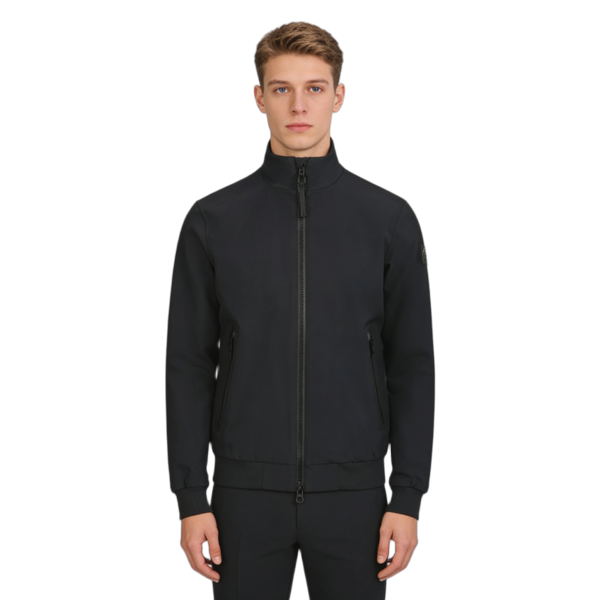
Breathable Lightweight Commuter Jacket – Practical for Daily Wear and Short Outdoor Trips, Available for Bulk Orders.
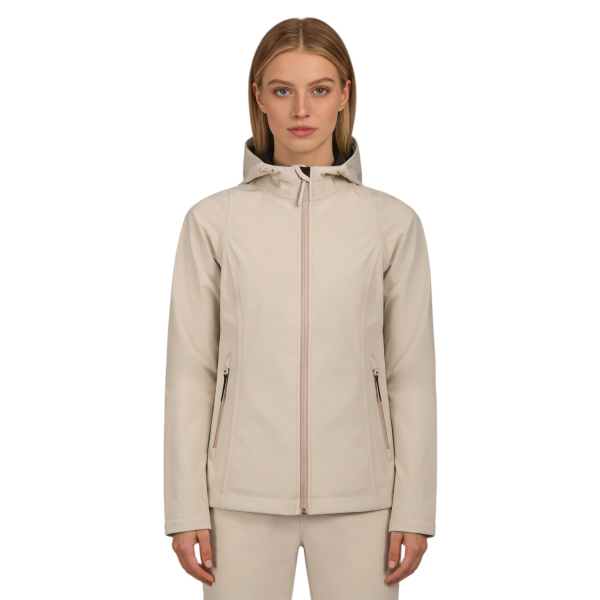
Women's slim-fit rainproof jacket, waterproof and lightweight, with an adjustable hat, suitable for various occasions.
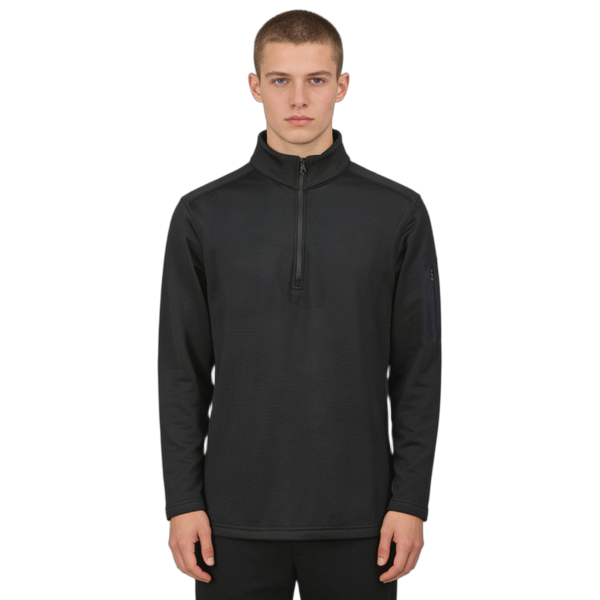
Stretch Commuter Apparel – Flexible and Adaptable for Fast-Paced Urban Lifestyles, Available for Bulk Orders.
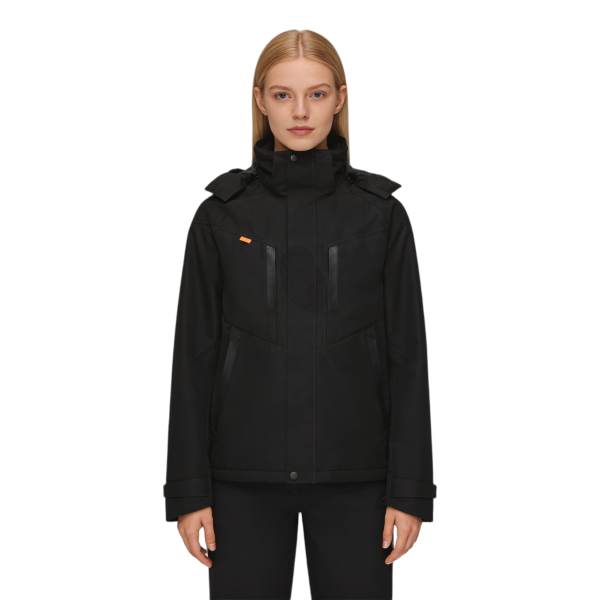
Custom Black Waterproof Jacket - Lightweight, breathable, and comfortable. Explore our OEM & ODM solutions for your brand.
Conclusion: A Strong Outdoor Brand Starts with the Right Manufacturer
Starting an outdoor clothing brand isn’t about luck. It’s about decisions.
From fabric selection to factory choice, every step compounds over time.
A reliable custom manufacturer doesn’t just produce garments — they protect your brand reputation.
At UniOuter, we help brands turn ideas into scalable, performance-driven outdoor apparel.
If you’re serious about building an outdoor clothing brand, don’t ask “Who’s the cheapest factory?” Ask “Who will still support my brand three years from now?”
FAQs
1. How much does it cost to start an outdoor clothing brand?
Initial costs vary, but most startups invest USD 10,000–50,000 for sampling, production, and logistics.
2. Can small brands work with custom manufacturers?
Yes. UniOuter offers flexible MOQs and development support for startups and growing brands.
3. How long does it take to launch a first product?
Typically 45–70 days, depending on design complexity and sampling rounds.