Landed Cost Modelling for Outdoor Apparel: Scenario Planning Tariffs, Duty and Freight in 2027
- Share
- publisher
- UniOuter
- Issue Time
- Oct 8,2026
Summary
Budgeting one duty rate is the fastest way to get a 2027 sourcing plan wrong. This guide builds a landed cost model for outdoor apparel that runs three duty scenarios, treats freight and financing as variables, and turns the result into a sourcing decision rather than a spreadsheet exercise.

The factory price is the smallest part of the number that decides whether a programme makes money. Landed cost is where sourcing decisions are actually made.
This guide builds a landed cost model for outdoor apparel that runs several duty scenarios instead of one, treats freight and financing as modelled variables rather than assumptions, and produces a decision rather than a spreadsheet. It complements our import, customs and logistics guide and the cost breakdown work in our manufacturing economics analysis.
The Seven Lines in a Real Landed Cost
Most buyers track the first line and guess the rest. The lines below are the ones that reappear in every outdoor apparel programme, and the ones where a modelled range beats a single figure.
| Cost line | Why it varies | How to model it |
|---|---|---|
| Ex-works unit price | Fabric, labour, MOQ, finishing chemistry, order timing | Lock with a validity window and a stated review trigger |
| Freight | Mode, season, fuel, route disruption, container utilisation | Model sea and a partial air top-up separately; do not average |
| Duty and tariffs | Classification and origin, and policy changes that repeat | Run at least three effective duty rates, from base to stress |
| Compliance and testing | Standards required, re-tests after chemistry change, certification | Budget per style per season, not as a one-off project cost |
| Financing and payment terms | Deposit percentage, balance timing, currency movement | Model the cash cycle, not just the unit price |
| Inland and last mile | Port of entry, warehouse location, staging of deliveries | Include the cost of splitting one production run into several deliveries |
| Quality failure allowance | Defect rate, rework, air freight to recover a schedule slip | Carry an explicit allowance instead of discovering it in month nine |
The single most useful habit. Ask for price validity windows in writing. A quotation without one is a starting point, not a price, and a budget built on it will be wrong the moment the season turns.

Get the Classification Right First
Duty depends on classification, and classification errors are one of the most common sources of unexpected cost. The framework that duty rates are built on is published by the World Customs Organization, so the WCO nomenclature is where a classification question starts. Importers then check the applicable measures for their code and origin using the EU Access2Markets portal or the equivalent national tool.
Two practical points. First, keep the reasoning for each classification on file, because a reclassification later is far easier to defend when the original logic is documented. Second, remember that performance claims can affect classification and compliance obligations: protective garments placed on the EU market sit inside the framework of Regulation (EU) 2016/425, which carries its own technical file requirement.
Running the Three-Scenario Model
Where Freight Behaviour Changes the Answer
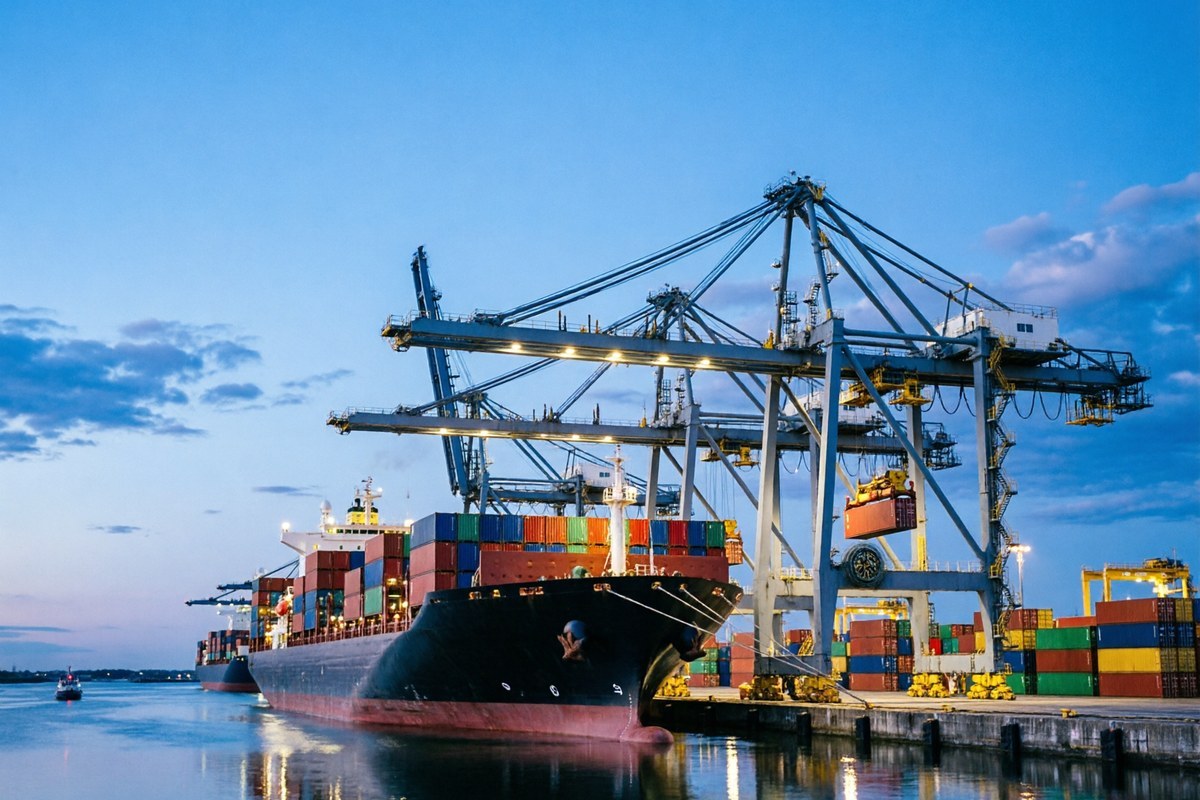
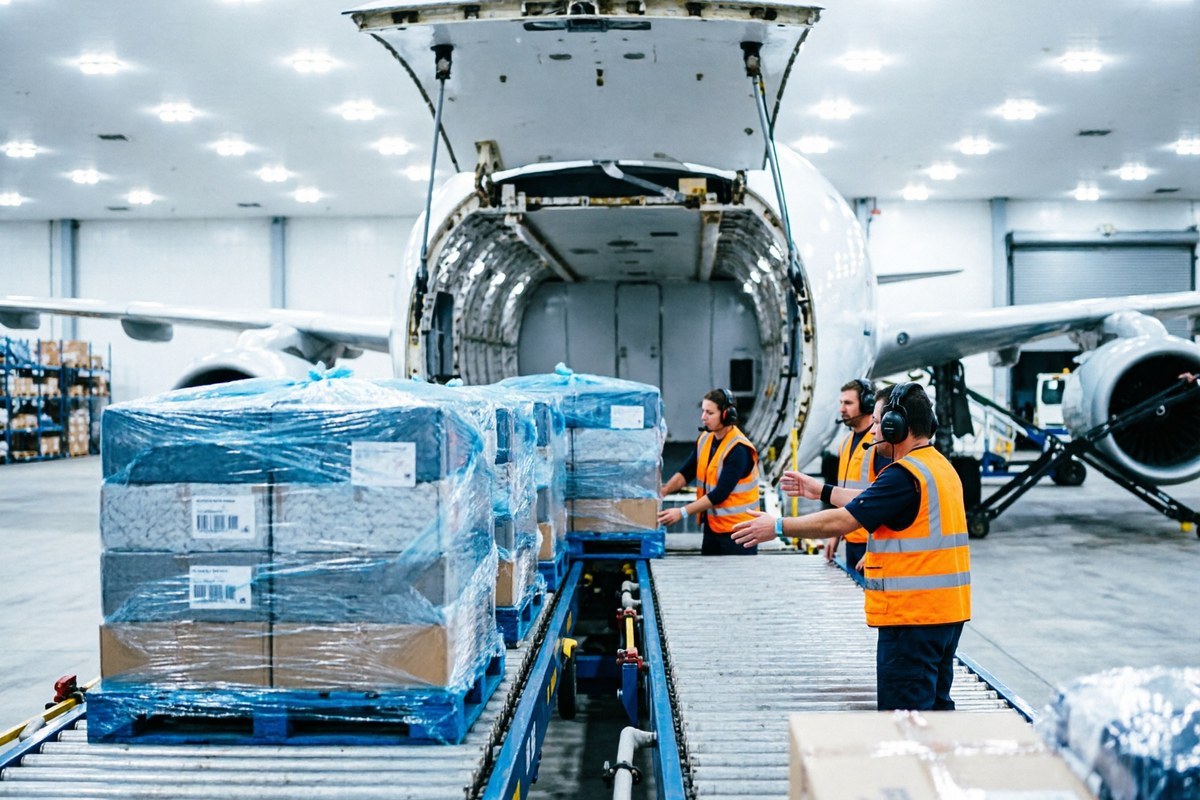
The strategic conclusion from the numbers is that freight volatility is best managed by schedule design rather than by negotiating harder. Programs that place orders earlier and split deliveries absorb disruption, while programs that compress the calendar to the last possible week end up paying air freight and calling it a cost overrun rather than a planning failure.
Reading the Model as a Decision
If base and stress both work
Buy on quality and capability, not on price. The tariff exposure is not the constraint, so do not trade performance for a small unit saving.
If only base works
Reduce exposure: split volume across origins, shorten the payment cycle, or move part of the range to a lower-duty classification-appropriate construction.
If neither works
The product is mispriced for the market, not badly sourced. Change the construction, the price point or the market before changing the supplier.
If the model is sensitive to one line
That line is your risk. Fix it with contract terms, staging or a second source rather than hoping the assumption holds.
Where UniOuter Fits
We quote in a structure that supports modelling, with the fabric and trim breakdown visible so you can model changes rather than renegotiate blind, and with staged delivery available inside one purchase order. Where a cost target is tight, we can propose construction alternatives at different cost points so the landed cost model has more than one input to work with. Send your target landed cost and market through our inquiry page and we will return a costed construction proposal.
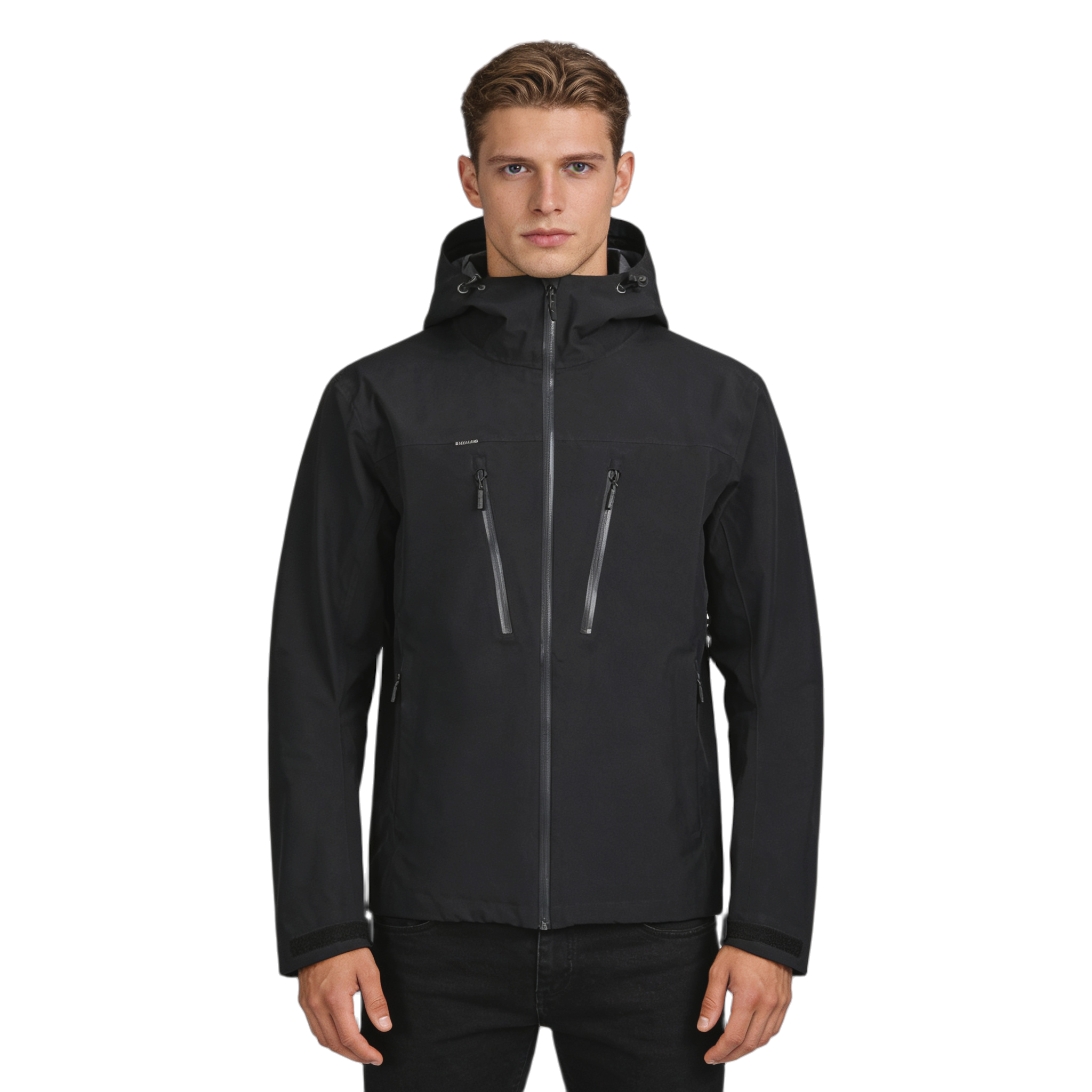
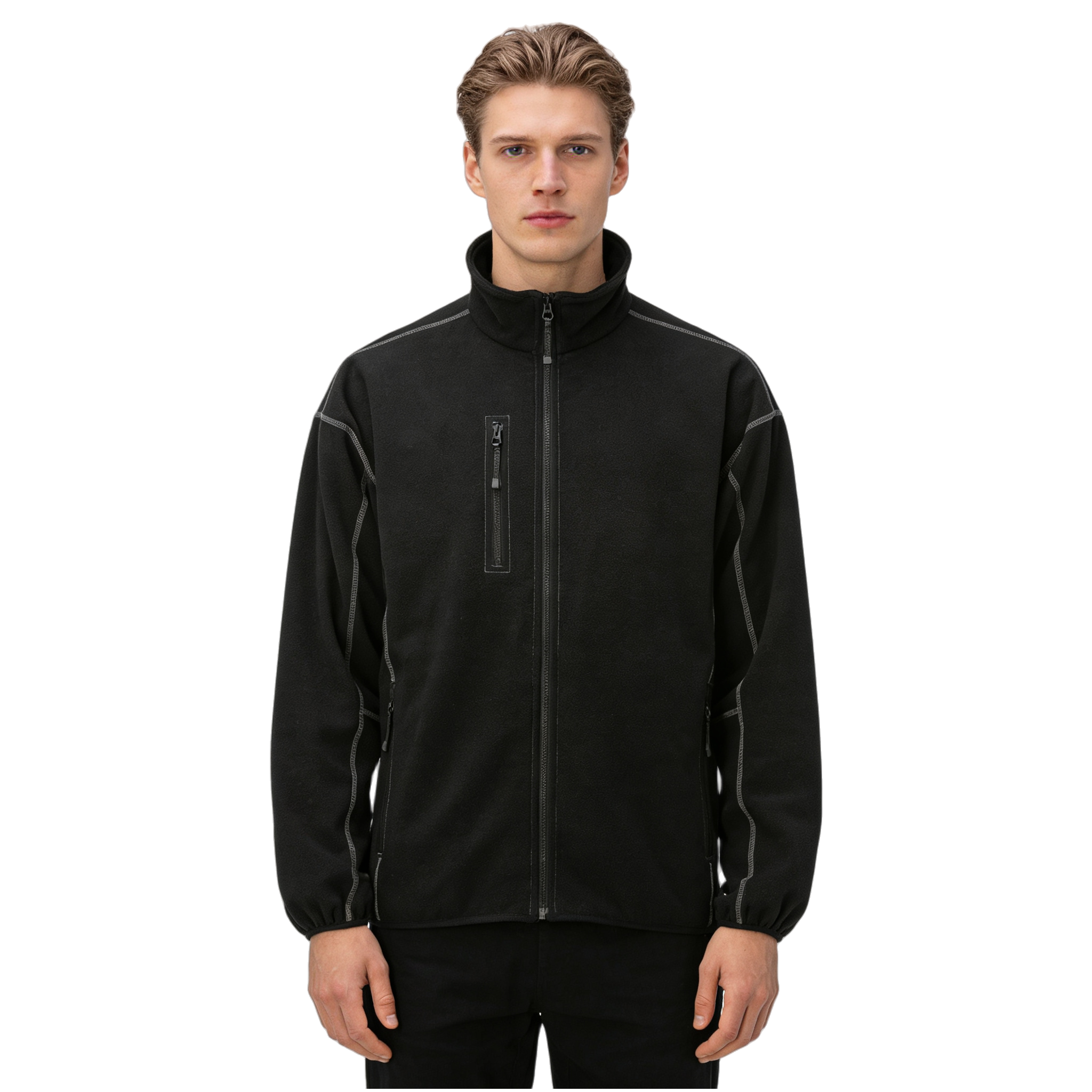
Shop Waterproof & Insulated Outerwear
Frequently Asked Questions
Because tariff treatment of apparel has changed repeatedly and a single-rate budget has repeatedly proved wrong. A base, stress and best case shows whether the product still works if rates move, which is a risk question, rather than pretending the rate can be predicted.
Confirm the HS classification for every core style, keep the reasoning on file, and check the applicable measures for your code and origin through a portal such as EU Access2Markets. Classification errors are the most common source of surprise duty.
It is a recovery tool, not a plan. Air typically costs several times sea freight on the same weight, so it makes sense to protect a launch date or recover a slip, not to move routine volume.
The quality failure allowance. Buyers rarely budget explicitly for defect rate, rework or the air freight needed to recover a schedule slip, and those costs appear in the last quarter as an unplanned overrun instead of a modelled line.