OEM vs ODM in Outdoor Apparel: Which Manufacturing Model Is Right for You?
- Share
- Issue Time
- Apr 23,2026
Summary
Compare OEM vs ODM in outdoor apparel and choose the right manufacturing model for your brand growth.
Introduction
It’s a business-defining move.
Pick the wrong model, and you risk delays, high costs, or worse—products that don’t sell. Pick the right one, and you accelerate growth, reduce risk, and build a brand that actually stands out.
So… OEM or ODM—which one fits you best?
Let’s break it down in a practical, no-fluff way.
What Do OEM and ODM Really Mean in Outdoor Clothing?
Before diving deep, let’s simplify:
OEM (Original Equipment Manufacturer): You design it, the factory produces it.
ODM (Original Design Manufacturer): The factory designs it, you brand it.
Sounds simple, right? But the real difference lies in control, cost, speed, and risk.
Key Differences That Impact Your Business
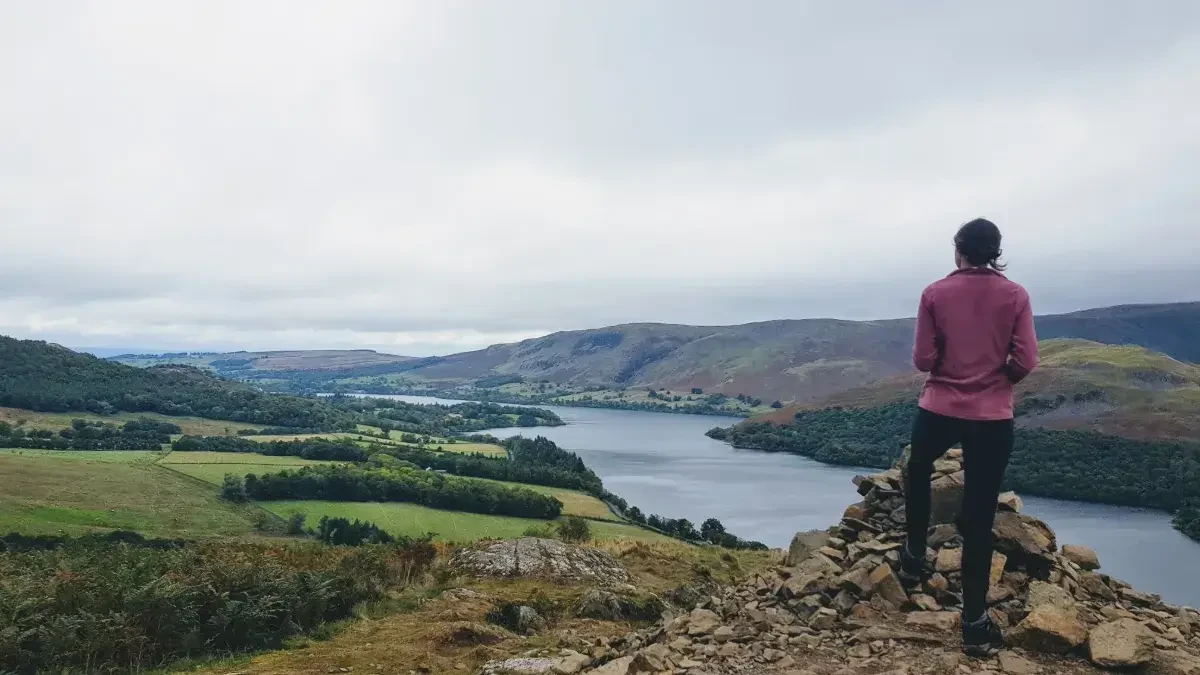
| Factor | OEM | ODM |
Design Ownership | You | Manufacturer |
Development Time | Longer | Shorter |
| Cost | Higher upfront | Lower upfront |
| Flexibility | High | Limited |
| Branding Potential | Strong | Moderate |
According to industry reports:
Over 65% of new outdoor brands start with ODM to test the market
Established brands prefer OEM for differentiation and brand identity
The Real Challenges Brands Face When Choosing OEM or ODM
Here’s where things get real.
Most brands don’t fail because of bad ideas—they fail because of bad execution decisions.
User Pain Points
“I want a unique product—but development costs are too high”
“I need to launch fast—but don’t want generic designs”
“I don’t have technical expertise in fabrics or patterns”
“MOQ requirements are killing my cash flow”
Sounds familiar?
Choosing OEM vs ODM is like choosing between building a house from scratch vs buying a ready-made one and renovating it.
OEM Model Deep Dive – Full Control, Higher Complexity
If you want to build a strong, differentiated outdoor brand—OEM is powerful.
But it’s not easy.
How OEM Works
You create the concept、Develop tech packs、Select fabrics and trims、Work with manufacturer for sampling、Iterate and finalize
When OEM Is the Right Choice
OEM makes sense if:
You want unique product design、You’re targeting premium or niche markets、You have a long-term brand vision、You can invest in development
User Problem
OEM often leads to:
High sampling costs、Long development cycles、Communication gaps with factories
UniOuter Solution
This is where UniOuter becomes more than a manufacturer—we become your development partner.
We help you:
Translate ideas into technical designs、Select high-performance fabrics (waterproof, breathable, UV-resistant)、Reduce trial-and-error cycles
ODM Model Deep Dive – Speed, Simplicity, and Lower Risk
Need to move fast? ODM might be your shortcut.
How ODM Works
Manufacturer provides ready-made designs
You customize branding (logo, colors, minor tweaks)
Faster production, lower risk
When ODM Makes More Sense
ODM is ideal if:
You’re launching a new brand、You want to test product-market fit、You need fast turnaround、You have limited budget
Industry Insight
ODM can reduce product launch time by 30–50%, making it a popular entry strategy.
User Problem
But here’s the downside:
Limited differentiation、Risk of similar products in the market、Brand identity becomes weaker
UniOuter Solution
UniOuter bridges the gap between OEM and ODM by offering:
Semi-custom solutions (ODM + customization)
Design optimization for uniqueness
Fabric upgrades for performance differentiation
Explore product inspirations:
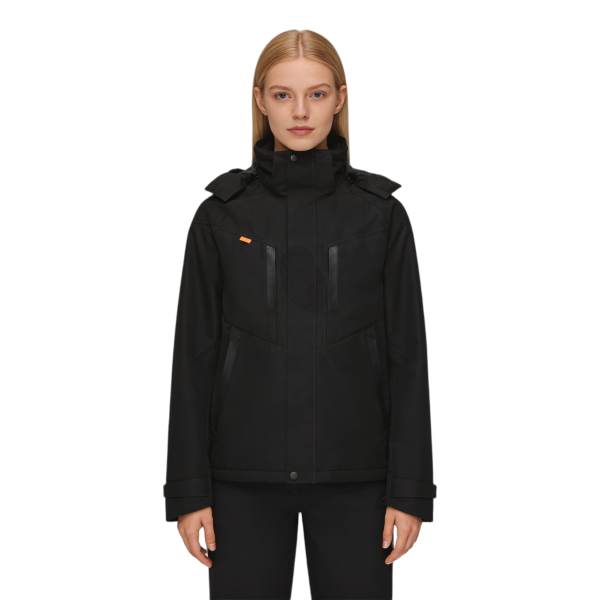
Custom Black Waterproof Jacket - Lightweight, breathable, and comfortable. Explore our OEM & ODM solutions for your brand.
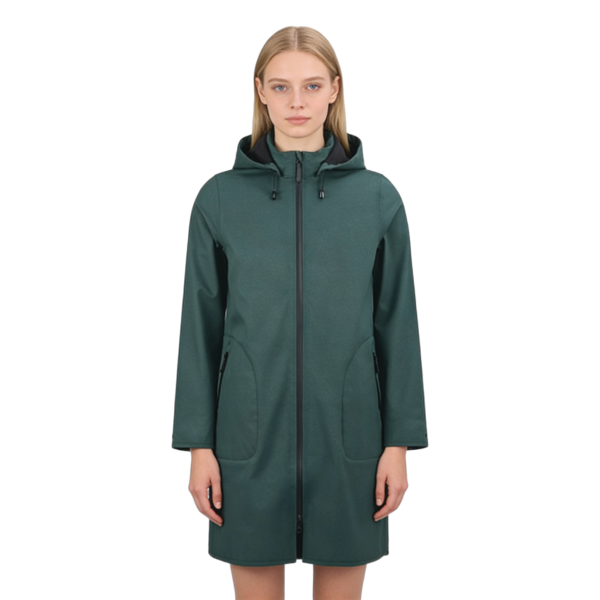
Waterproof parka, adjustable hat, simple and fashionable, suitable for commuting, leisure, and travel.
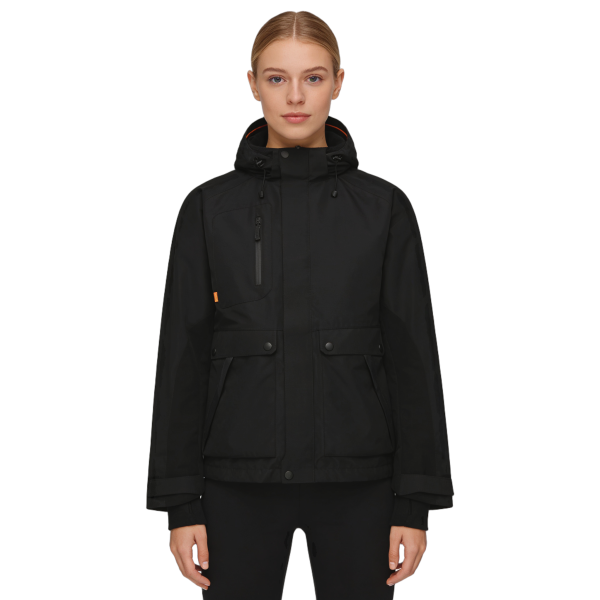
Custom stretch softshell jacket with adjustable cuffs and a hood. OEM/ODM services available for personalized design.
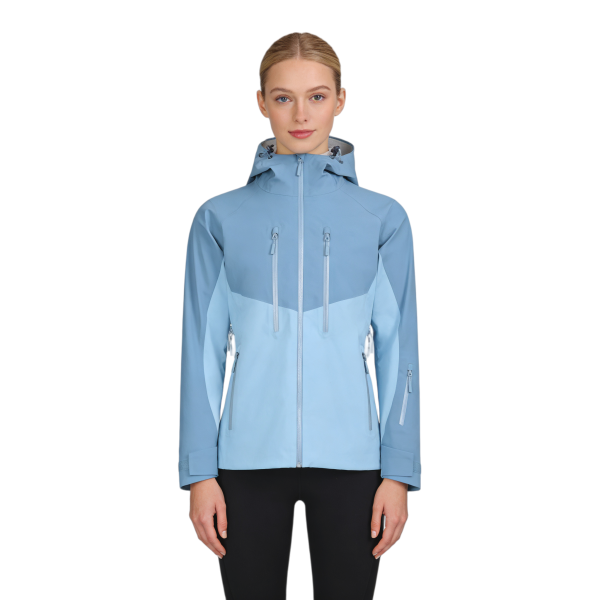
Women's Hiking Jacket – Windproof & Waterproof, Fitted with a Hood, Balancing Style and Functionality.
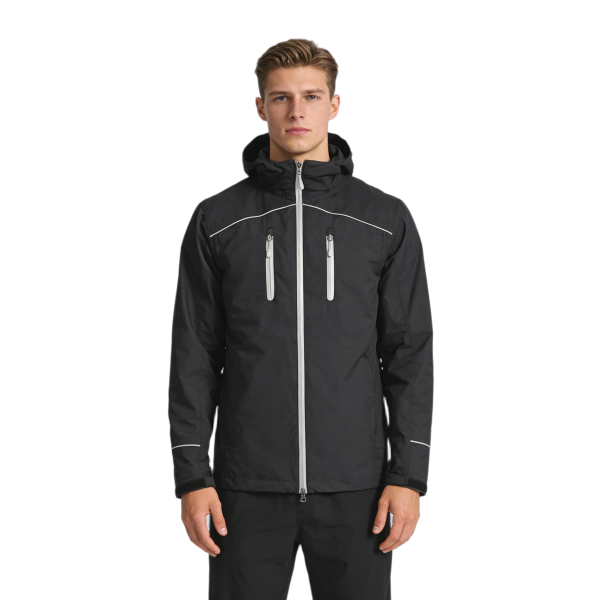
Abrasion-Resistant Windproof Mountaineering Jacket – Excellent Waterproof Protection, OEM Supported.
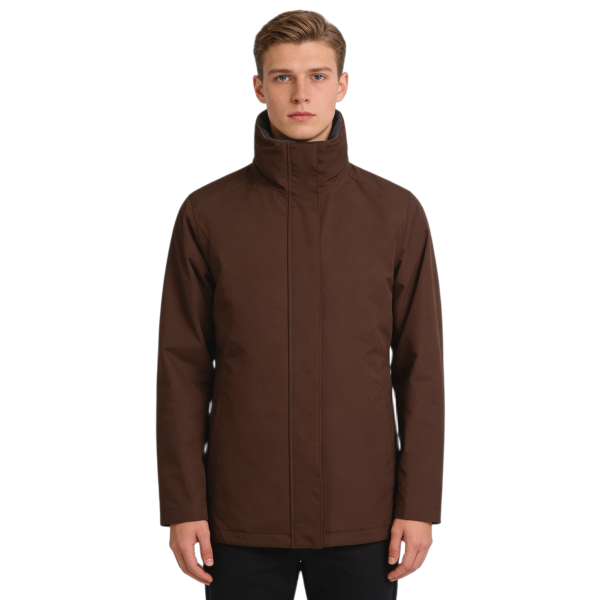
Warm rainproof coat, simple design, Velcro fasteners, supports wholesale, ideal for outdoor and commuting.
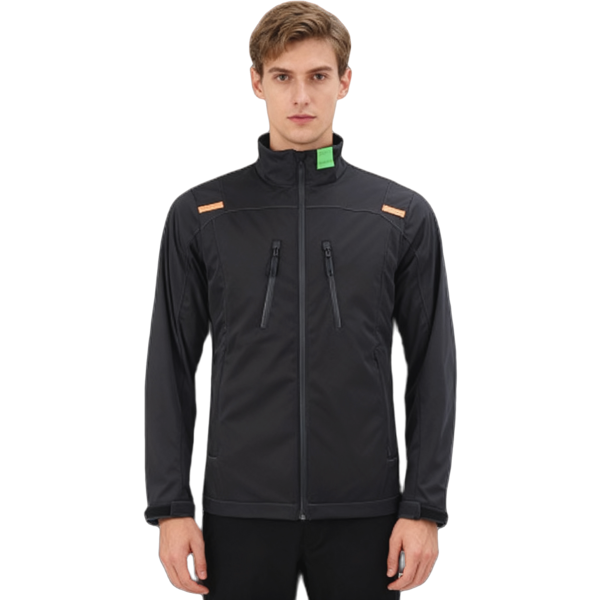
Custom Waterproof Fishing Jacket with Fully Sealed Seams. OEM & ODM services available for superior comfort and breathability.
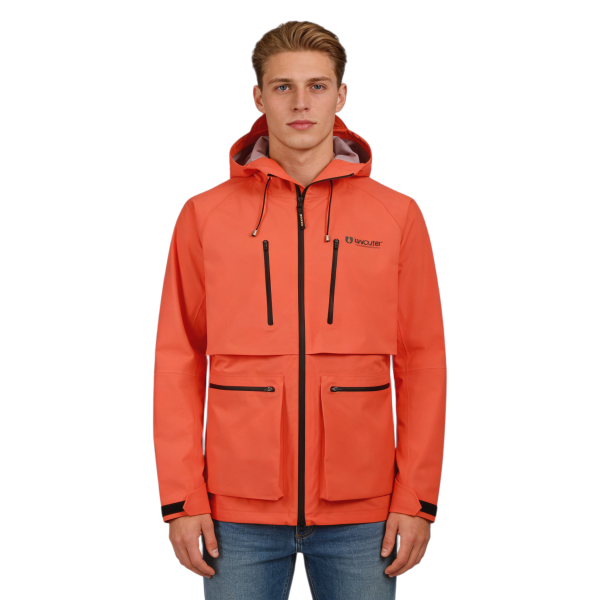
Orange waterproof parka with high-performance fabric, adjustable hat, and waterproof pockets for outdoor adventures.
How UniOuter Helps You Choose and Execute the Right Model
Here’s the truth:
You don’t have to choose strictly OEM or ODM.
The smartest brands use a hybrid strategy.
Our Flexible Cooperation Policy
At UniOuter, we remove the typical barriers:
MOQ: 300–500 pieces、Sample time: 7–14 days、Bulk production: 30–50 days、Sample fee waived for qualified clients、Support for design development & bidding projects
Real Advantage: Experience + Execution
With over 20 years of manufacturing experience, UniOuter offers:
End-to-end product development、Fabric sourcing expertise、Stable supply chain、Quality control systems
Conclusion
So, OEM or ODM?
There’s no “one-size-fits-all” answer.
Want control and brand power? → Go OEM、Want speed and lower risk? → Start with ODM、Want the best of both worlds? → Use a hybrid approach
In today’s competitive outdoor market, success isn’t just about the product—it’s about how smartly you build it.
And that’s where UniOuter comes in.
FAQs
1. Can I switch from ODM to OEM later?
Yes. Many brands start with ODM and move to OEM once they validate their market.
2. Which model is more profitable long-term?
OEM typically offers higher margins due to brand differentiation.
3. Is MOQ flexible for startups?
With UniOuter, MOQ starts at 300–500 pieces, making it startup-friendly.