Outdoor Apparel Functionality Explained: Windproof + Waterproof + Breathable — How to Choose the Right One for You?
- Share
- Issue Time
- Mar 22,2026
Summary
Learn how windproof, waterproof, and breathable technologies work in outdoor apparel and how to choose the right performance combination.
Introduction
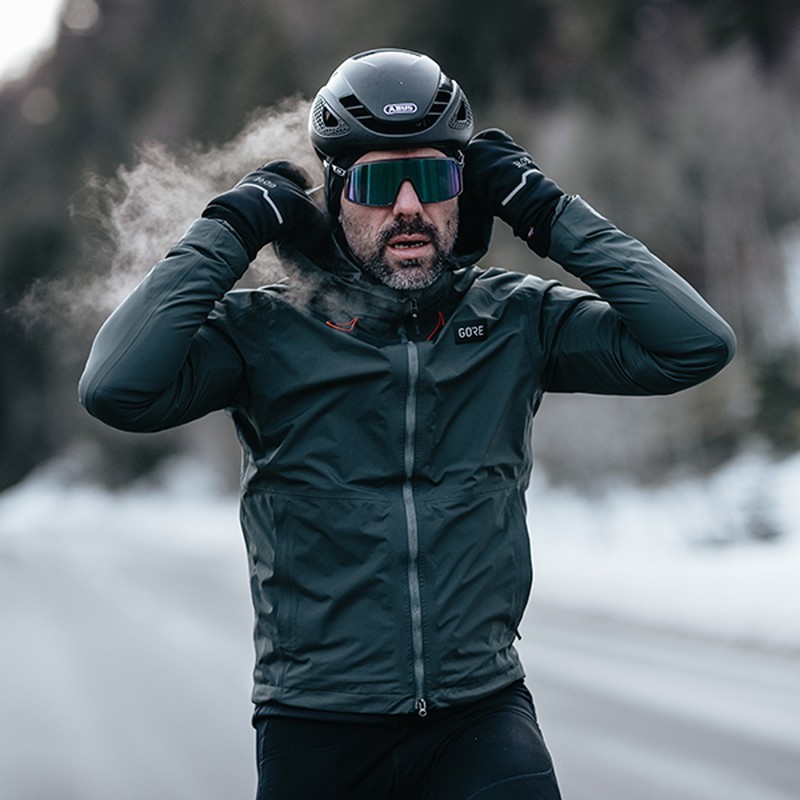
Windproof. Waterproof. Breathable.
They sound impressive. But what do they really mean?
More importantly — which one do you actually need?
Many outdoor enthusiasts, brand owners, and gear buyers face the same confusion. A jacket claims to be waterproof, yet you still feel damp after hiking. Another promises breathability, but suddenly you're freezing in strong winds.
So what's going on?
Here’s the truth: no single feature works alone. High-performance outdoor apparel is all about balance.
Think of it like building a house. Waterproofing is the roof, windproofing is the walls, and breathability is the ventilation system. Remove one, and the entire structure becomes uncomfortable.
According to the Outdoor Industry Association, the global outdoor apparel market exceeded $35 billion in 2024, with functional performance being the top purchasing factor for more than 68% of consumers.
Understanding how these three functions work together will help you choose the right gear—and for brands, it’s the key to designing products customers actually trust.
Let’s break it down.
Why Outdoor Apparel Functionality Matters More Than You Think
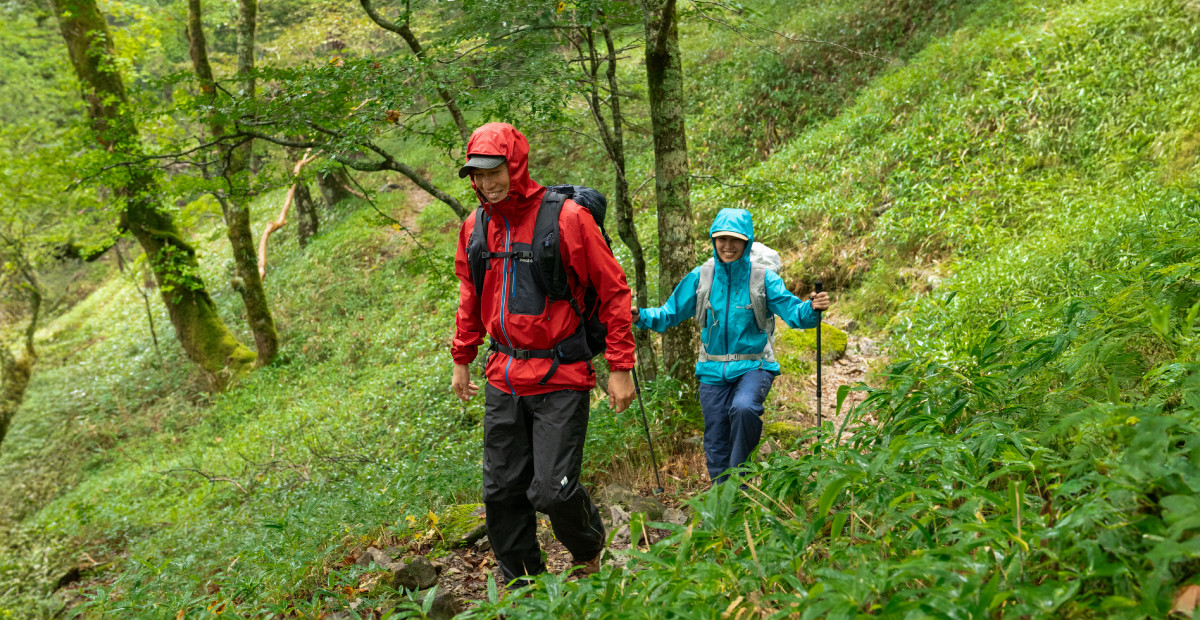
Outdoor environments are unpredictable.
One moment you’re hiking under clear skies. The next, a sudden storm rolls in, temperatures drop, and wind picks up.
Ordinary clothing simply isn’t designed for these conditions.
That’s why modern outdoor apparel relies on technical fabrics and advanced garment engineering.
According to Textile Exchange research, technical outdoor fabrics now account for over 40% of performance apparel materials globally.
These fabrics are engineered to provide:
weather protection、temperature regulation、moisture management、durability under harsh conditions
For outdoor brands or procurement managers sourcing apparel, choosing the right functionality is critical.
Many brands partner with experienced manufacturers capable of producing technical outdoor garments such as hiking and mountaineering apparel:
At Uniouter, with over 20 years of experience in outdoor apparel manufacturing, our development teams help brands select the right fabric technologies for each application.
Because the truth is simple: the right function depends entirely on the environment and activity.
Windproof Technology Explained — Protection Against Cold and Harsh Winds
Wind may not seem dangerous at first glance. But in outdoor environments, it can drastically change how cold you feel.
For example:
At 0°C (32°F) with calm air, conditions may feel manageable.
Add a 30 km/h wind, and the perceived temperature drops to −10°C (14°F).
This is known as the wind chill effect.
Windproof fabrics block airflow to prevent heat loss.
These materials typically include:
tightly woven nylon or polyester fabrics、laminated membranes、softshell materials
The goal is simple: stop cold air from penetrating the garment.
Windproof technology is particularly important for activities such as:
mountaineering、hunting、cycling、winter hiking
Brands producing custom hunting and fishing apparel frequently require strong windproof performance
Because hunters often stay stationary for long periods, wind exposure can rapidly lower body temperature.
Waterproof Performance — Staying Dry in Extreme Weather
If wind steals heat, water steals comfort.
Once clothing becomes wet, the body loses heat up to 25 times faster compared to dry conditions.
This is why waterproof performance is essential for outdoor apparel.
But here’s where many people misunderstand things.
Not all waterproof jackets are created equal.
Waterproof performance is typically measured by hydrostatic head (mm).
| Waterproof Rating | Performance Level |
| 5,000 mm | Light rain |
| 10,000 mm | Moderate rain |
| 20,000 mm | Heavy storms |
30,000 mm+ | Extreme outdoor environments |
According to Global Market Insights, demand for waterproof breathable fabrics is growing at over 7% annually.
These fabrics combine water resistance with moisture control.
Common waterproof technologies include:
PU coatings、laminated membranes、seam-sealed construction
For brands producing urban outdoor apparel, waterproof features are especially popular in commuter clothing:
Consumers want jackets that handle both city rainstorms and outdoor adventures.
Breathability — The Key to Comfort During High-Intensity Outdoor Activities
Here’s a surprising fact.
Most outdoor discomfort doesn’t come from rain or wind.
It comes from sweat.
During hiking or climbing, the human body can produce up to 1 liter of sweat per hour.
If that moisture stays trapped inside clothing, you’ll feel wet, cold, and uncomfortable.
That’s where breathability comes in.
Breathable fabrics allow water vapor to escape while blocking external moisture.
Breathability is typically measured using MVTR (Moisture Vapor Transmission Rate).
| MVTR Rating | Activity Level |
| 5,000 g/m²/24h | Light activity |
| 10,000 g/m²/24h | Hiking |
| 20,000 g/m²/24h | High-intensity sports |
This is why high-performance outdoor apparel balances waterproofing with ventilation.
For industrial environments, breathability is equally important.
Workers wearing safety or emergency response clothing need protection without overheating:
How to Choose the Right Combination of Features for Different Outdoor Scenarios
So which feature matters most?
The answer depends on where and how the clothing will be used.
Let’s look at a few examples.
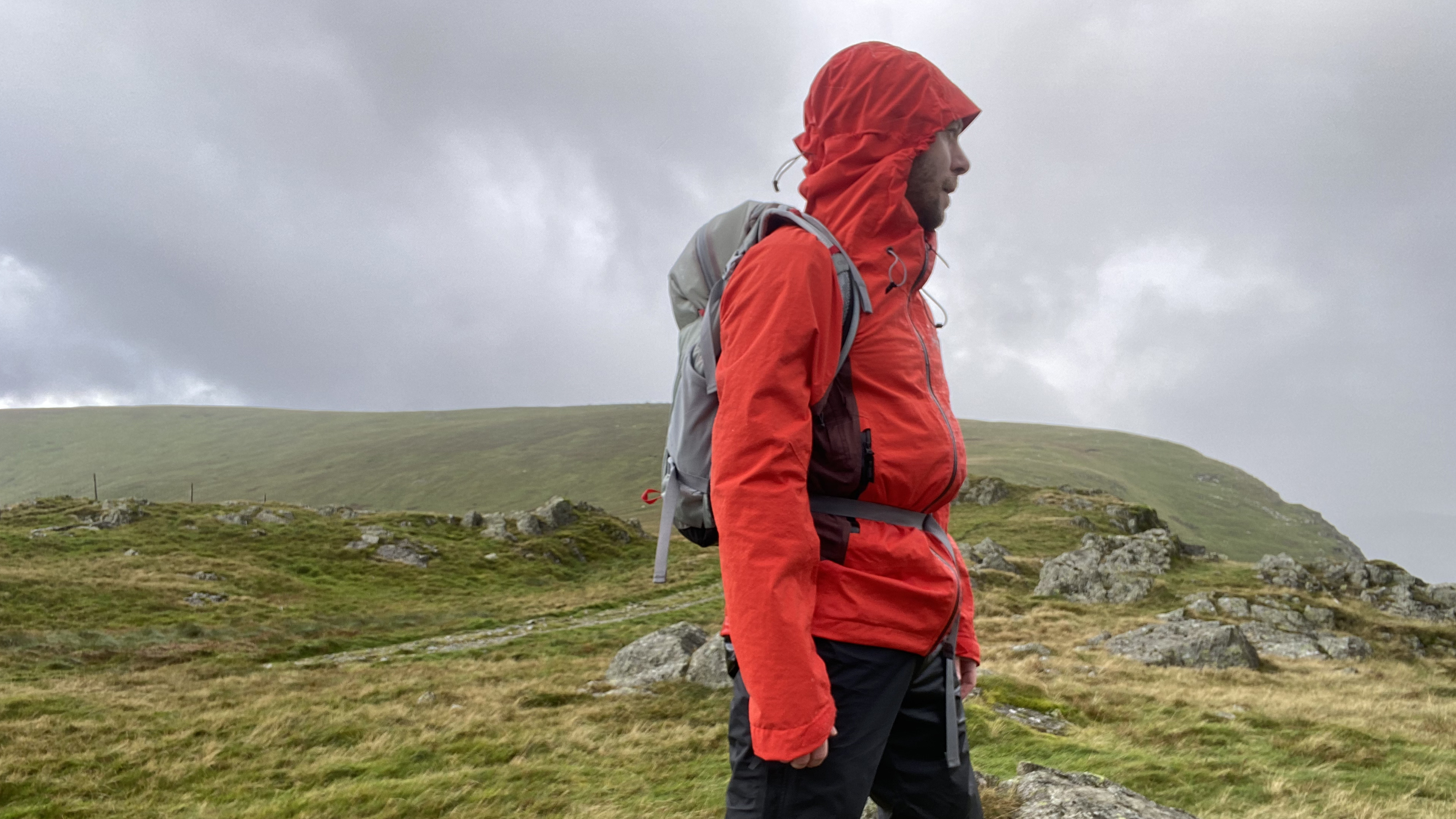
Hiking and Trekking Priority:
breathability、moderate waterproofing、lightweight wind protection
Hunting Priority:
strong windproofing、waterproof protection、quiet fabrics
Urban Commuting Priority:
waterproof performance、style and comfort、moderate breathability
Industrial Workwear Priority:
durability、weather protection、safety compliance
Companies producing construction and industrial clothing often require rugged materials capable of handling extreme working environments:
How Uniouter Helps Brands Build High-Performance Outdoor Apparel
Designing functional outdoor clothing isn’t just about fabric selection.
It involves complete garment engineering.
At Uniouter, we provide professional manufacturing services for global outdoor brands through our customization platform:
https://www.uniouter.com/comm02/Outdoor-Uniform-Customization.htm
Our teams help clients with:
technical fabric sourcing、waterproof garment construction、durability testing、product development
With more than 20 years of manufacturing experience, we produce apparel for industries including:
outdoor sports、hunting gear、commuter outdoor fashion、industrial workwear、logistics and maintenance uniforms
For example, our equipment maintenance and logistics clothing must balance durability with comfort for long working hours:
This expertise allows us to help brands design garments that perform reliably in real-world environments.
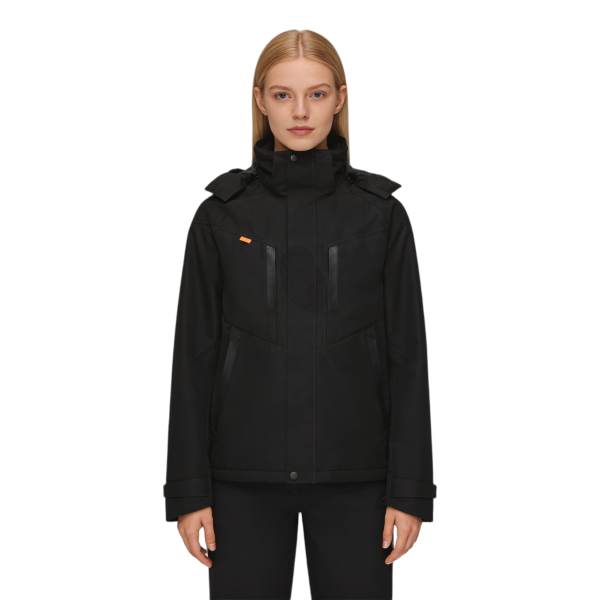
Custom Black Waterproof Jacket - Lightweight, breathable, and comfortable. Explore our OEM & ODM solutions for your brand.
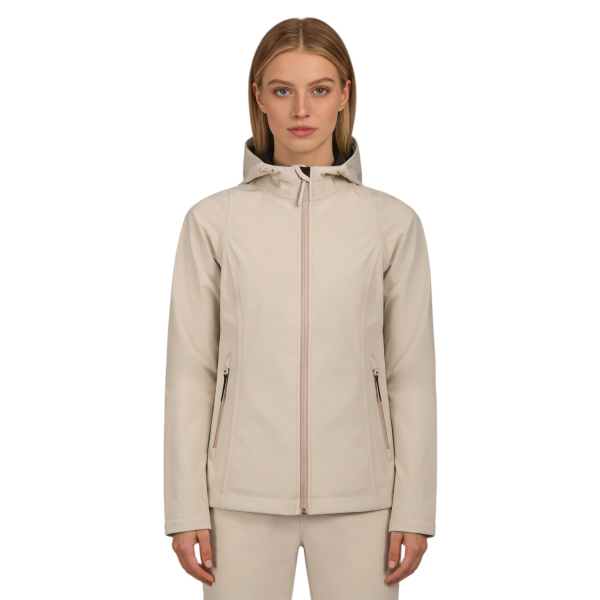
Women's slim-fit rainproof jacket, waterproof and lightweight, with an adjustable hat, suitable for various occasions.
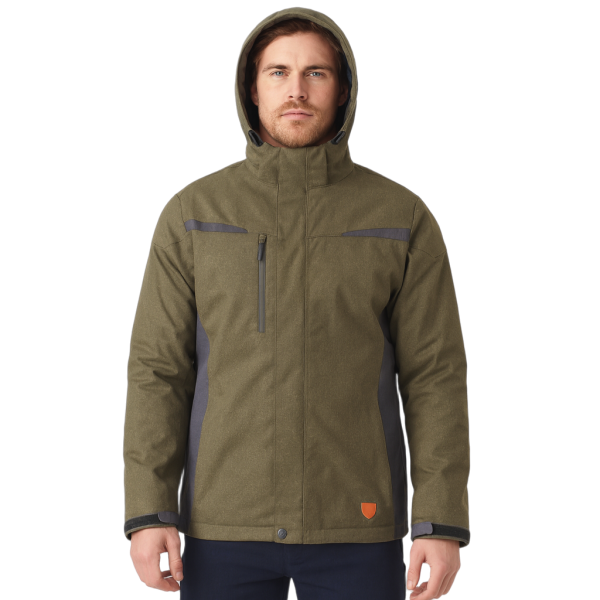
Windproof hiking jacket made with high-performance fabric, featuring a hooded design and ideal for daily commuting and urban strolls.
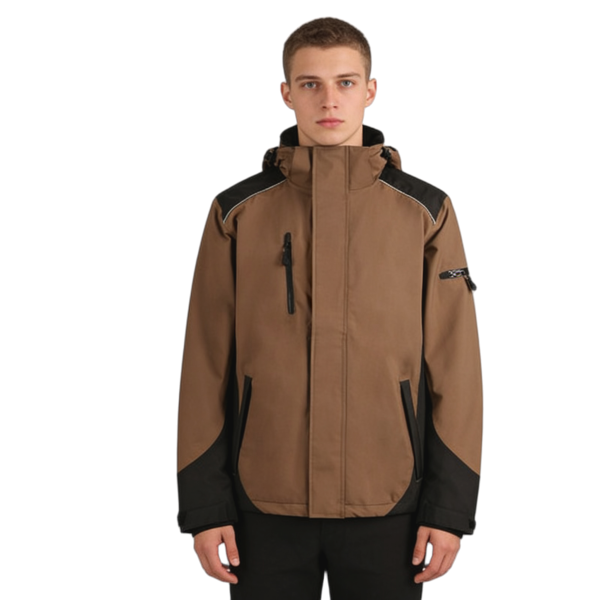
A windproof jacket featuring elastic cuffs, a hooded design, hook-and-loop front closure, and lightweight warmth — perfect for daily outings and business travels.
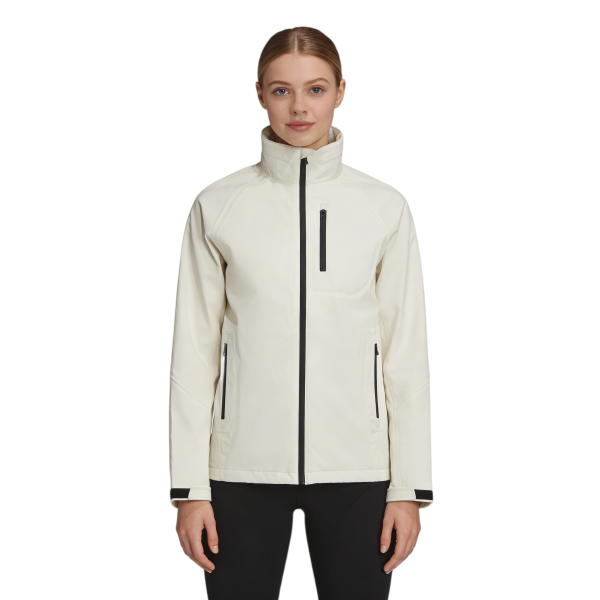
All-Purpose Outdoor Jacket – Combines Waterproof & Windproof Protection, Also Great for City Wear.
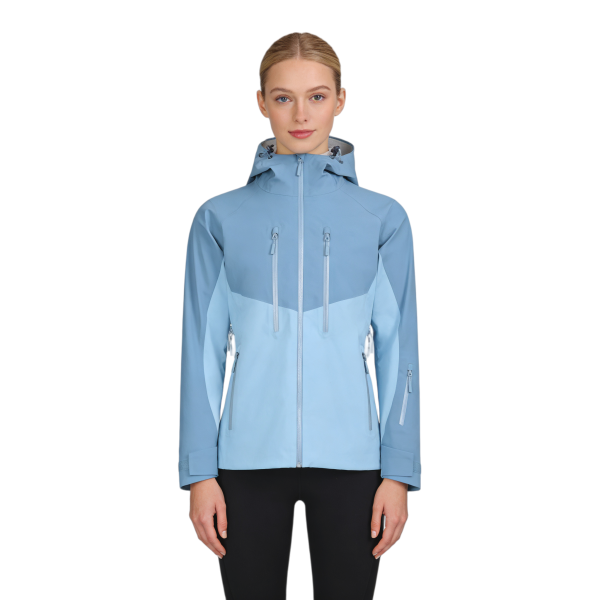
Women's Hiking Jacket – Windproof & Waterproof, Fitted with a Hood, Balancing Style and Functionality.
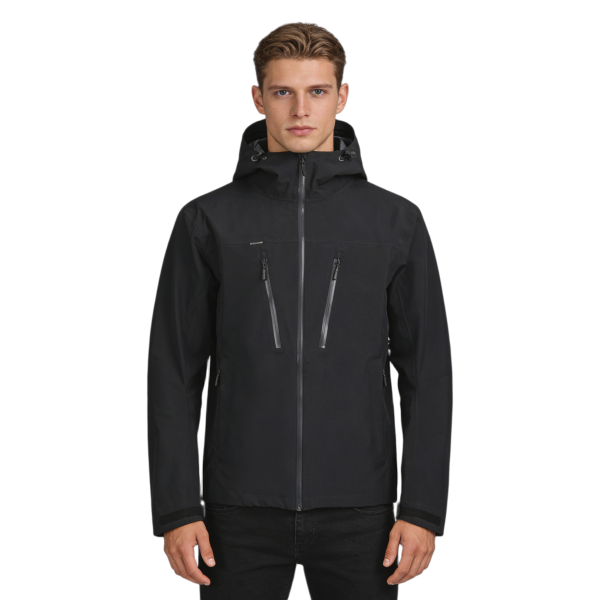
3-Layer Mountaineering Jacket – Enhanced Wind & Water Resistance, Ideal for Plateau and Mountain Wear.
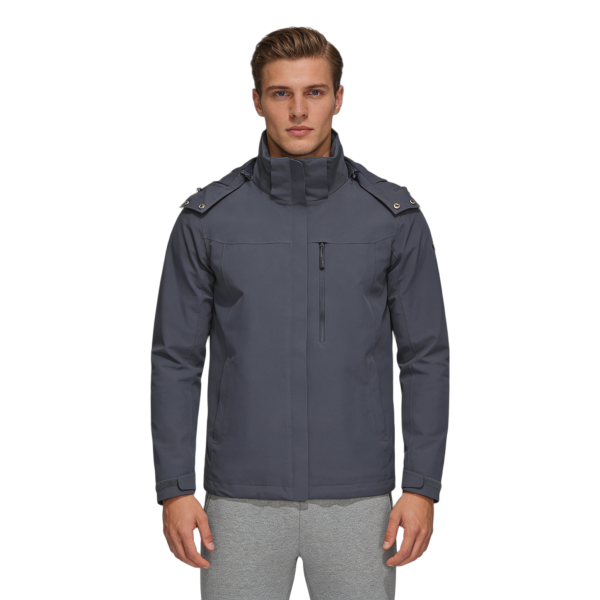
Outdoor Trekking Jacket – Combines Windproof & Waterproof Performance for High-Intensity Activities.
Conclusion
When choosing outdoor apparel, the question isn’t simply:
“Is it waterproof?”
The real question is:
“Does it balance wind protection, water resistance, and breathability for my activity?”
Each function plays a different role:
Windproof keeps warmth inside、Waterproof keeps rain outside、Breathable keeps sweat from building up
The best outdoor gear combines all three in the right proportions.
For outdoor brands developing new products, working with experienced manufacturers like Uniouter ensures those technical features are designed correctly from the beginning.
Because in outdoor environments, performance isn’t optional — it’s survival.
FAQs
1. Can a jacket be both waterproof and breathable?
Yes. Modern membrane fabrics allow water vapor to escape while preventing liquid water from entering.
2. Is windproof clothing always waterproof?
Not necessarily. Some windproof fabrics block air but may not fully resist heavy rain.
3. What is the best fabric for outdoor jackets?
High-performance fabrics such as laminated nylon, polyester membranes, and softshell materials are commonly used for outdoor gear.