Outdoor Clothing vs Workwear: Understanding the Difference and Choosing the Right Apparel
- Share
- publisher
- UniOuter
- Issue Time
- Aug 26,2026
Summary
Outdoor clothing and workwear look similar but serve different purposes. This guide compares purpose, design, materials, safety standards, durability, cost, and compliance so buyers choose the right category.
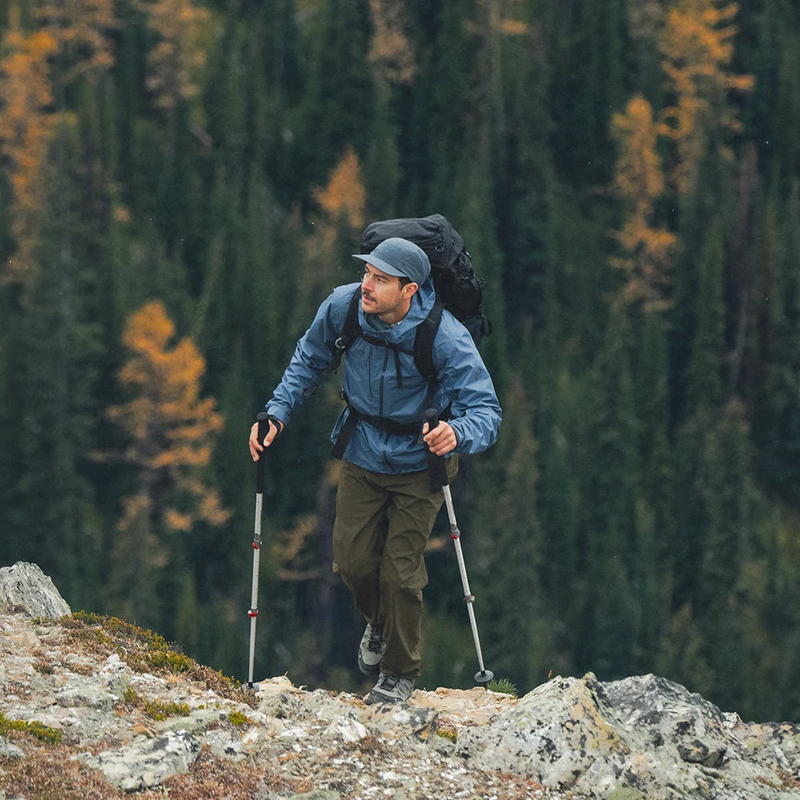
Outdoor clothing and workwear are often confused because both are technical, durable, and weather-resistant. But they are built for fundamentally different users and governed by different rules. Choosing the wrong category wastes budget and, in regulated industries, can create legal liability. This guide separates the two so buyers can specify the right product.
For the broader context of how UniOuter produces both categories, see our purchasing guide and company background.
Purpose & Use Case
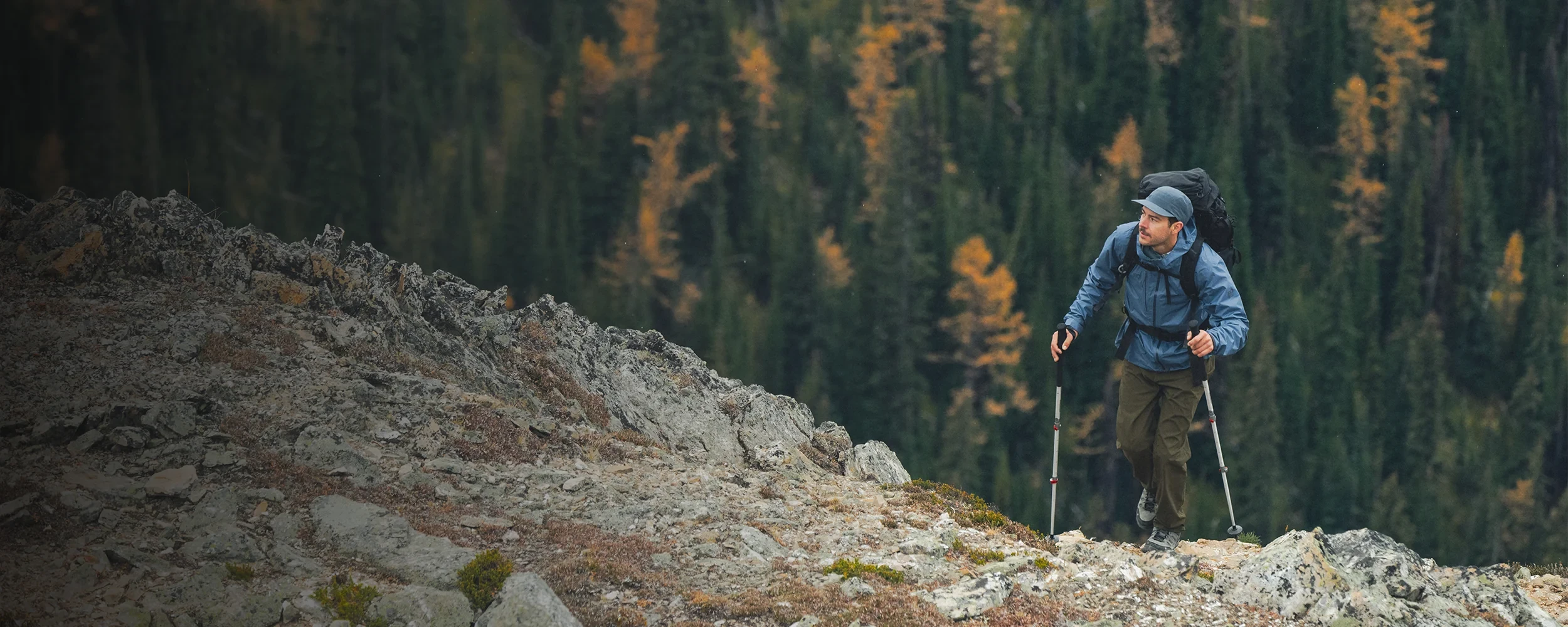
Outdoor clothing is built for recreation and sport: hiking, climbing, hunting, fishing, and urban outdoor wear. The user chooses to wear it, and performance means comfort, mobility, and weather protection over hours of voluntary activity. Workwear is built for occupational use: construction, welding, logistics, medical, and emergency response. The user wears it because the job requires it, and performance means safety, compliance, and survival of daily wear over months or years.
Design & Material Differences
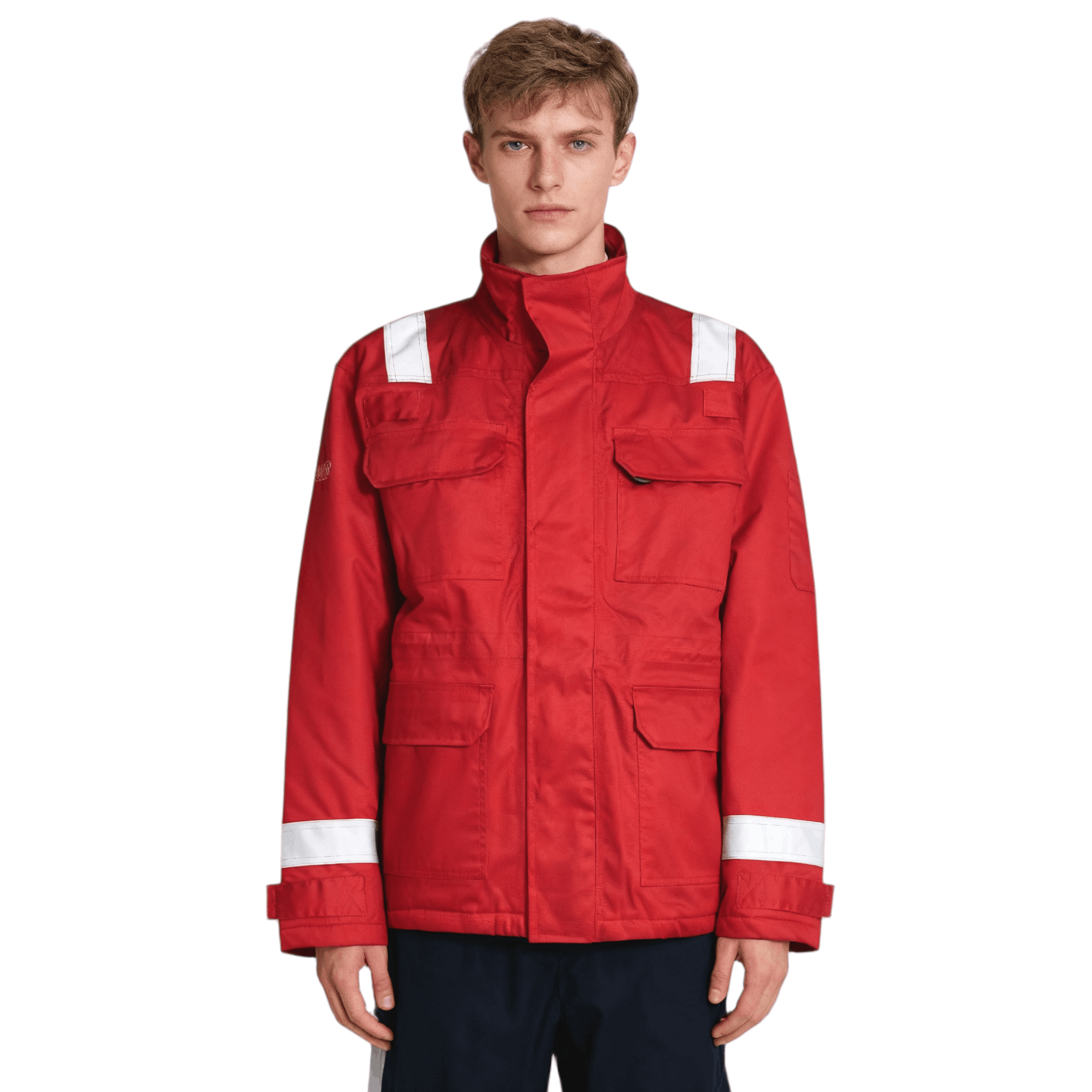
Outdoor design prioritizes comfort, mobility, and aesthetics. Fabrics lean lightweight and performance-oriented: nylon and polyester shells, stretch blends, and breathable membranes like Gore-Tex. Workwear design prioritizes durability, safety, and functionality. Fabrics lean heavy-duty: Cordura reinforcements, flame-retardant fibers like Nomex and Kevlar, and coatings for chemical resistance.
| Attribute | Outdoor Clothing | Workwear |
|---|---|---|
| Primary goal | Comfort & performance | Safety & compliance |
| Typical fabric | Lightweight nylon/polyester + membrane | Heavy-duty cotton blend, FR fibers, Cordura |
| Design driver | Mobility, ventilation, aesthetics | Reinforcement, pocket utility, hazard protection |
| Replacement cycle | Seasonal | Multi-year daily wear |
Safety, Compliance & Durability
This is where the two categories diverge most sharply. Outdoor clothing mostly follows voluntary performance standards. Workwear in regulated industries follows mandatory safety standards, and non-compliance can block a product from the market entirely.
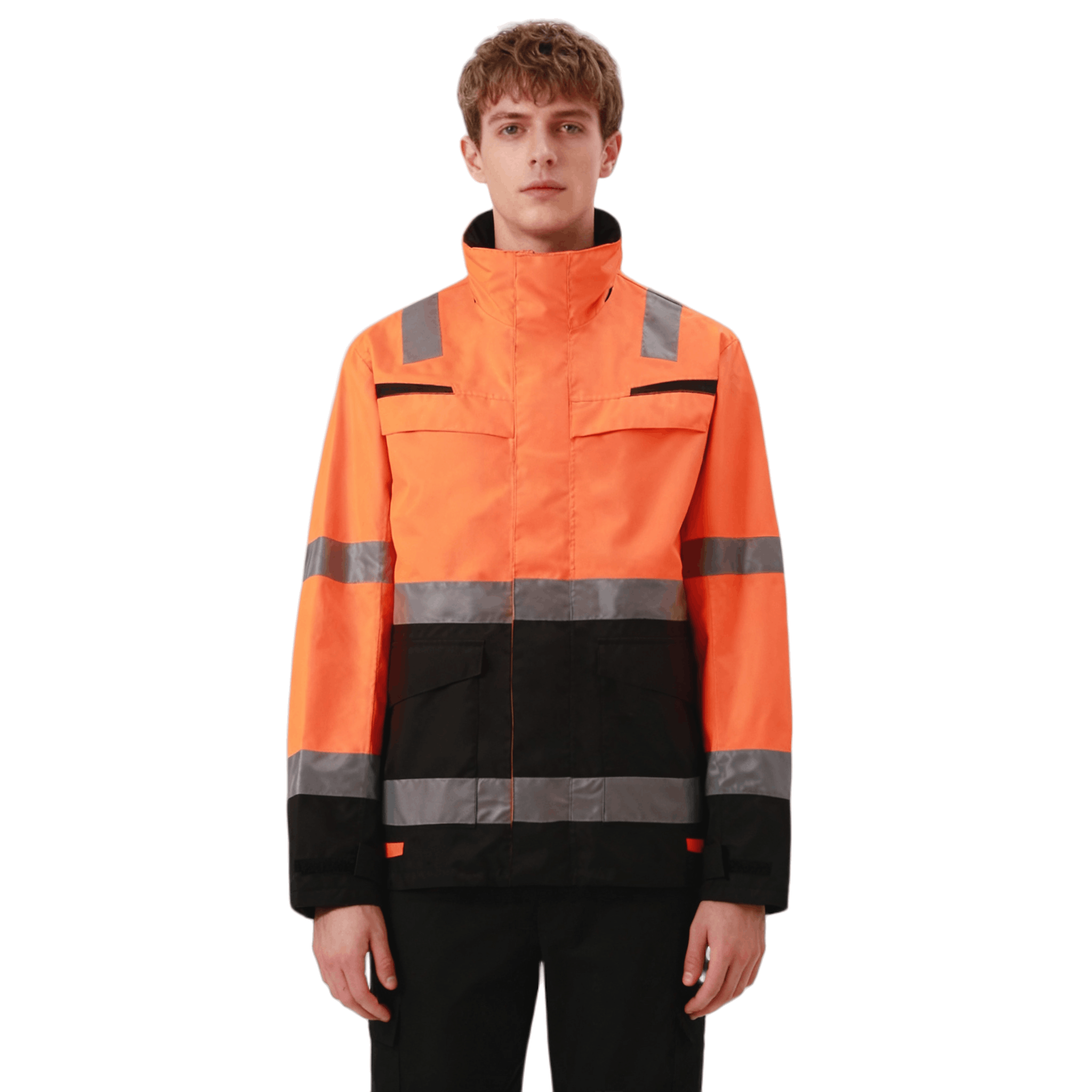
- Workwear safety standards. EN ISO 11611 (welding), EN ISO 11612 (heat & flame), ANSI/ISEA 107 and EN ISO 20471 (high-visibility), EN 13034 (chemical), ASTM F1506 (arc flash). These define protection levels that are legally enforceable in many workplaces.
- Outdoor voluntary standards. Waterproof ratings (mmH2O), breathability (MVTR/RET), and OEKO-TEX safety for skin contact. Useful, but not legally mandated for recreation.
- Durability expectations. A hiking jacket is replaced seasonally. A work jacket may be worn 250+ days a year for multiple years, so seam strength, abrasion resistance, and wash durability are engineered to a higher bar.
For certification basics that apply to both categories, read our certification guide.

Cost, Customization & Testing
Outdoor clothing carries a performance premium: licensed membranes and brand-name fabrics raise unit cost. Workwear is often priced for bulk value because companies outfit entire teams. Customization differs too: outdoor brands invest in visual identity (colors, logos, cut), while workwear customization focuses on company uniforms: logo embroidery, hi-vis tape layout, and functional add-ons like tool pockets.
Testing also splits. Outdoor gear is performance-tested (waterproofness, breathability, wear). Workwear is compliance-tested to prove it meets the safety standard, with documentation that customs and workplace inspectors may request. Our custom design page shows how both customization paths work in practice.
The Overlap & Market Trends
The categories are converging. Outdoor workwear, built for agriculture, environmental, and field-service professionals, blends outdoor comfort with workwear durability. The gorpcore fashion trend pushes outdoor aesthetics into lifestyle wear. And sustainability pressure, including PFAS restrictions, affects both categories equally.
Decision Framework & UniOuter's Dual Expertise
Use five questions to pick the right category: Who wears it? What hazard must it handle? Is compliance mandatory? How long must it last? What is the budget structure? If the answers point to a regulated workplace, you need workwear. If they point to voluntary recreation, you need outdoor clothing.
UniOuter manufactures both, sharing technology like laser cutting, pneumatic seam pressing, and sew-free bonding across the lines. That shared backbone means a workwear client gets outdoor-level comfort engineering, and an outdoor brand gets workwear-grade durability where it matters. To start a program in either category, send an inquiry or browse the product catalog.
Shop Technical Jackets
Frequently Asked Questions
Only in low-risk, non-regulated environments. If a workplace mandates a specific safety standard (EN ISO 11611 for welding, EN ISO 20471 for high-vis, ASTM F1506 for arc flash), a voluntary outdoor garment will not satisfy the requirement and may create legal liability.
Workwear is usually bought in bulk for entire teams, so pricing is structured for volume. Outdoor clothing often uses licensed membranes and brand-name fabrics that carry a performance premium. The cost difference reflects volume structure and material choice, not quality.
Outdoor workwear is the overlap category: apparel for agriculture, environmental, utility, and field-service professionals who work outdoors. It blends outdoor comfort (breathability, mobility) with workwear durability and safety features (reinforcement, hi-vis, optional FR).
OEKO-TEX Standard 100 is valuable for both because it verifies the garment is free from harmful substances. For skin-contact apparel and any product sold into the EU, it is strongly recommended regardless of category.