PFAS-Free Outdoor Gear Explained: What 'Forever Chemicals' Mean for Your Brand
- Share
- Issue Time
- Jul 21,2026
Summary
Understand PFAS in outdoor clothing: what forever chemicals are, why they are used in waterproof jackets and coats, the global regulatory landscape for apparel (EU, CA, NY), PFAS-free DWR and membrane alternatives, and what the PFAS transition means for your outdoor clothing brand.
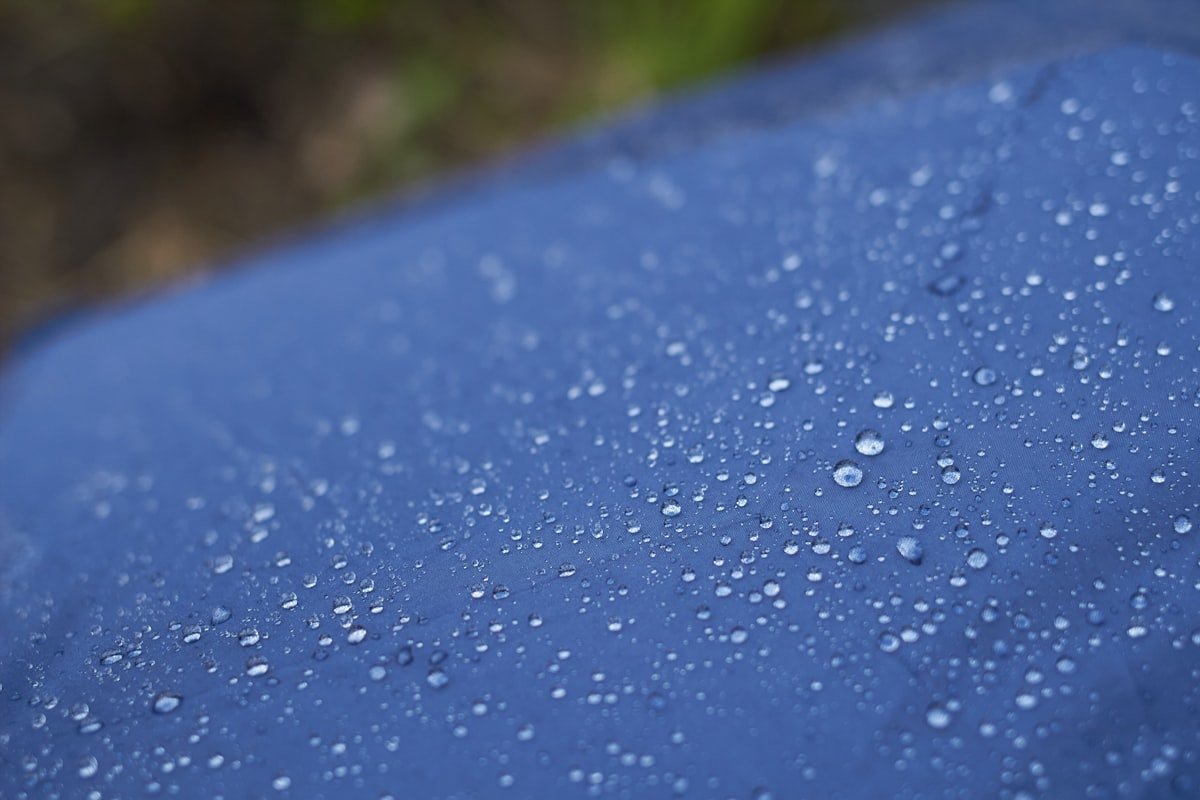
PFAS, the so-called "forever chemicals", are at the center of a regulatory shift that affects every outdoor brand selling into Europe, several US states, and Canada. For an apparel brand that uses DWR, membranes, or water-repellent trims, 2026 is the year to commit to PFAS-free — not because it is a marketing claim, but because the law is closing in. At UniOuter, we have spent 18 months transitioning our standard outdoor programs to PFAS-free membranes and DWR treatments. This guide explains what PFAS means for an outdoor brand, what the alternatives look like, and how to plan a transition that does not blow up production schedules. PFAS stands for per- and polyfluoroalkyl substances. They are a family of synthetic chemicals used for water, oil, and stain resistance in membranes, DWR coatings, zippers, and seam tapes. The two best-known sub-types, PFOA and PFOS, are linked to long-term health concerns, which is why regulators are moving against the broader family. For outdoor apparel, the practical impact is that any garment relying on long-lasting water repellency is being re-engineered, because the C8 chemistry behind it is being phased out and C6 chemistry is being restricted in major markets. The 2026 EU PFAS restriction covers broad categories of apparel with PFAS-based water-repellent treatments. Brands shipping to the EU after mid-2026 must have already transitioned, or face customs holds. PFAS compounds persist in water and in the body. Long-term exposure has been linked to specific health risks; regulators are moving to restrict the broader family rather than individual compounds. Standard 3-layer membranes use PFAS in both the membrane and the DWR face. A PFAS-free alternative needs a different membrane and a different DWR chemistry working together. PFAS-free DWR does not last as long as C8 DWR out of the factory. Specs need to allow for either re-treatment in the field or a slightly lower initial rating. PFAS-free claims must be backed by test reports at the fabric level, not just brand-level statements. EU customs are asking. For an apparel brand, the practical comparison comes down to four dimensions: water repellency, durability, cost, and compliance. Below is the comparison most outdoor brands reach by the end of their PFAS-free transition. A PFAS-free transition looks like a sourcing project, not a marketing refresh. There are four stages, and the first one is the only one where a brand can still use up existing inventory. We hold stock on PFAS-free bluesign membranes for our standard programs, which means a brand can lock material on day one of sampling rather than waiting for a 60 to 90 day fabric run. We also produce test reports at the fabric level, not just at the garment level, so EU and US customs filings are not blocked. No. PFAS-free membranes still meet 10K to 20K waterproof ratings. The difference is the surface water repellency (DWR), which is slightly lower out of the factory and rebounds with proper care. The main restriction comes into force in mid-2026 for several PFAS sub-categories, with the broader family covered by phased dates through 2027. Brands shipping to Europe after these dates need PFAS-free certification at the fabric level. DWR durability. PFAS-free DWR lasts slightly fewer wash cycles out of the factory. This is usually solved by capsule refresh cycles rather than formulation. Yes. Stock bluesign-certified PFAS-free fabric is available on most of our standard shell programs, with test reports per fabric batch. PFAS is no longer a marketing story. It is a compliance clock that brands selling into Europe, several US states, and Canada have to take seriously. Our materials and fabric finishing page documents the membrane and DWR options we keep in stock for PFAS-free programs. For a brand already in motion, send us your current fabric spec and we will map it against PFAS-free alternatives within one business day.What PFAS actually is in outdoor gear
PFAS-free vs PFAS — what actually changes
Dimension PFAS (C8) PFAS-free (C6/bluesign) Initial water repellency Excellent Very good (slightly lower initial rating) Durability (after 5–10 washes) Excellent Good (improves every year) EU/US compliance 2026 Restricted Compliant Cost vs virgin equivalent Baseline +5% to +12% Recycled-content compatible Sometimes Yes Customs risk Rising Low 
How a brand plans the switch to PFAS-free

What UniOuter does to support a PFAS-free transition

Shop PFAS-Free Outdoor Apparel
Frequently Asked Questions