Safety Workwear Procurement: How to Specify Hi-Vis, FR and Waterproof Garments That Pass Inspection
- Share
- publisher
- UniOuter
- Issue Time
- Oct 23,2026
Summary
How to specify safety workwear that passes inspection: EN ISO 20471 hi-vis classes, EN ISO 11612 flame retardance, EN 343 waterproofing and EN 1149 anti-static, plus the wash-test reports and lot-tied documents to demand with every shipment.
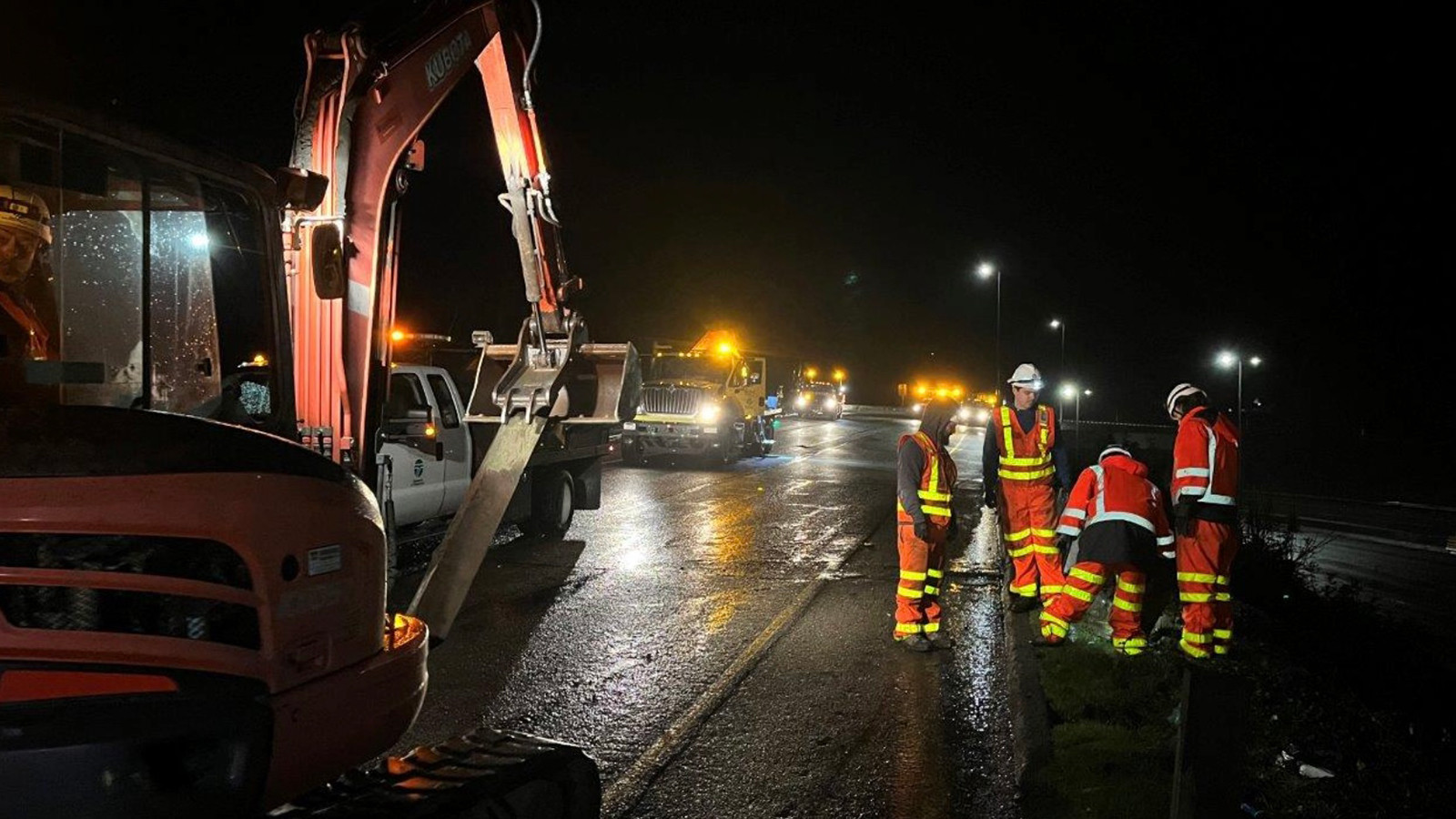
Buying safety workwear is the one category of procurement where a specification error is measured in injuries, not just returns. Hi-vis, flame retardant, and waterproof-protective garments all carry formal standards, and the difference between a compliant garment and a lookalike is invisible in a product photo.
This guide explains how to specify safety workwear that passes inspection: which standards to quote, how performance classes map to real work environments, and which documentation to demand from your supplier before and after production. Every recommendation reflects how we engineer garments at UniOuter for construction, road work, rescue, and industrial maintenance programs. For the sourcing side, see our purchasing guide; for supplier checks, see our factory vetting guide.
Start From the Hazard, Not From the Catalog
The most expensive mistake in PPE procurement is choosing garments by appearance and then discovering the standard class does not match the worksite. The correct order is the reverse: identify the hazard, pick the standard, then let the standard determine the garment construction and price. Regulators frame it the same way: guidance such as the UK HSE's PPE at work pages makes the risk assessment the starting point for selecting protective clothing.
A road worker at night needs different retro-reflective performance than a day-shift warehouse operative. A welder needs flame retardance with anti-static properties; a dock worker needs waterproofing and nothing else. When buyers skip the hazard analysis, they either overspend on classes they do not need or, far worse, under-specify and fail a site inspection after garments are already in service.
The Standards That Matter in 2027
Quote standard numbers, not adjectives. The table below covers the four standards that drive most safety workwear programs we manufacture.
| Standard | Covers | Key Classes | Typical Programs |
|---|---|---|---|
| EN ISO 20471 / ANSI ISEA 107 | High-visibility clothing, retro-reflective and fluorescent area requirements | Class 1 to 3 (EU); Performance Class 2-3, Type R/O (US) | Road work, night logistics, airports, railways |
| EN ISO 11612 | Heat and flame protection for industrial clothing | A1/A2, B1-B3, C1-C6 indices | Welding support, oil and gas, foundries |
| EN 343 | Protective clothing against rain, waterproofing and breathability | Class 1-4 water column, Class 1-3 breathability | Outdoor maintenance, docks, winter road crews |
| EN 1149 | Electrostatic properties (anti-static) | Part 1 surface resistivity, Part 3 charge decay | Refineries, chemical handling, ATEX zones |
Matching Hi-Vis Classes to the Work Environment
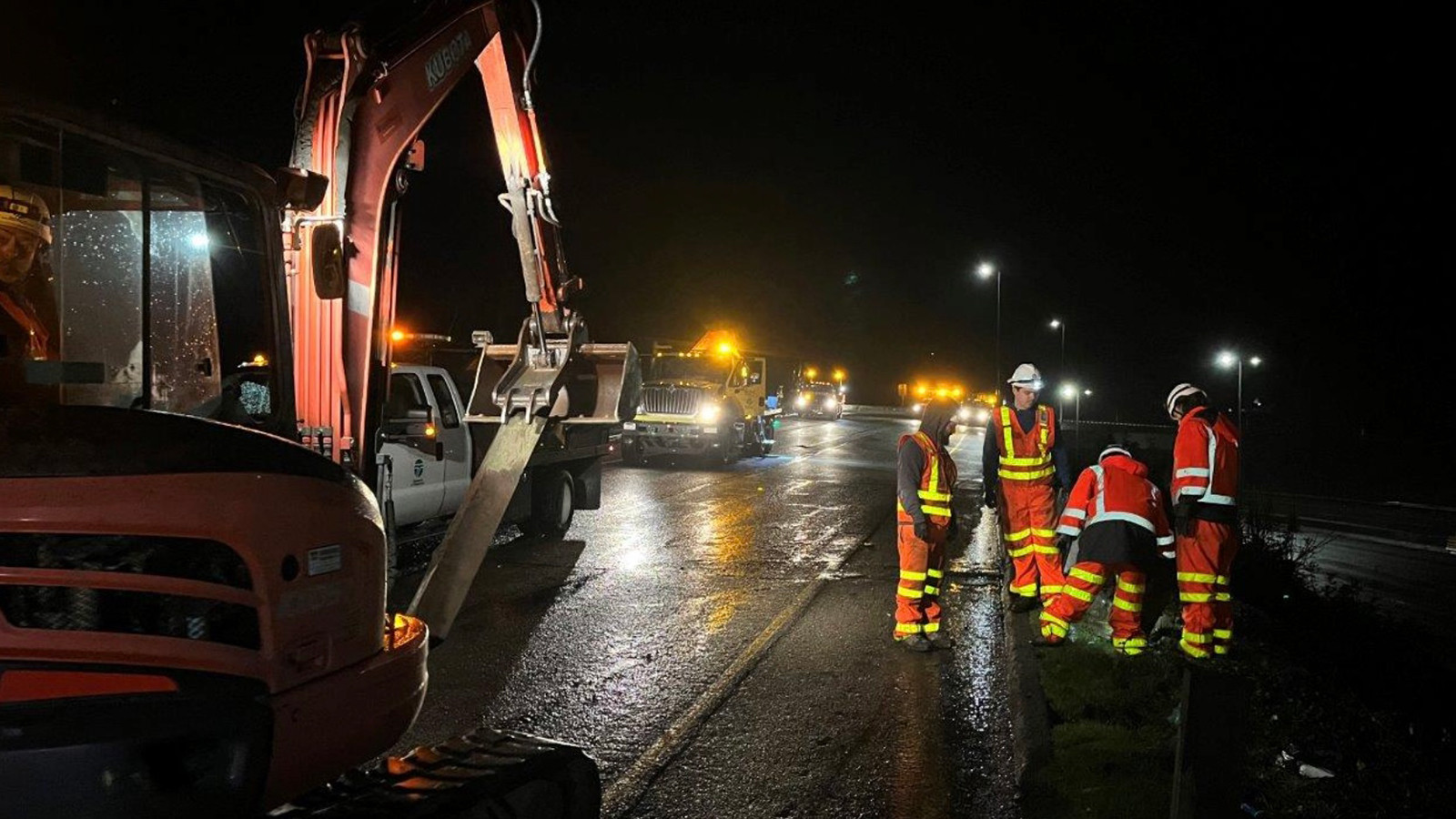
Hi-vis is the most commonly mis-specified category because the classes are easy to confuse with color. The class is calculated from fluorescent background area and retro-reflective material area, not from how bright the fabric looks.
- Class 1. Low-risk environments: off-road areas, vehicle traffic under 30 km/h, parking attendants. Minimum reflective trim, typically a short vest.
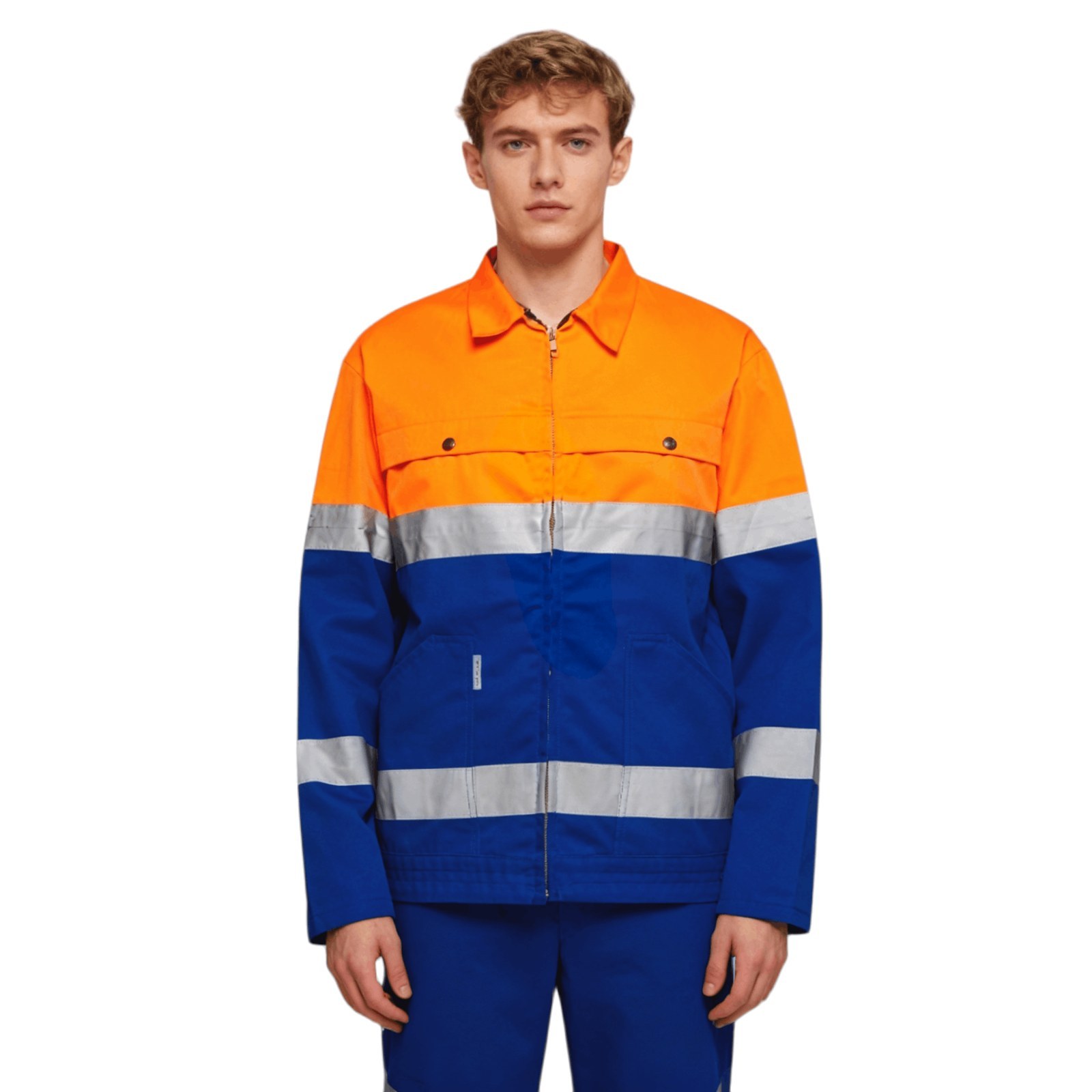
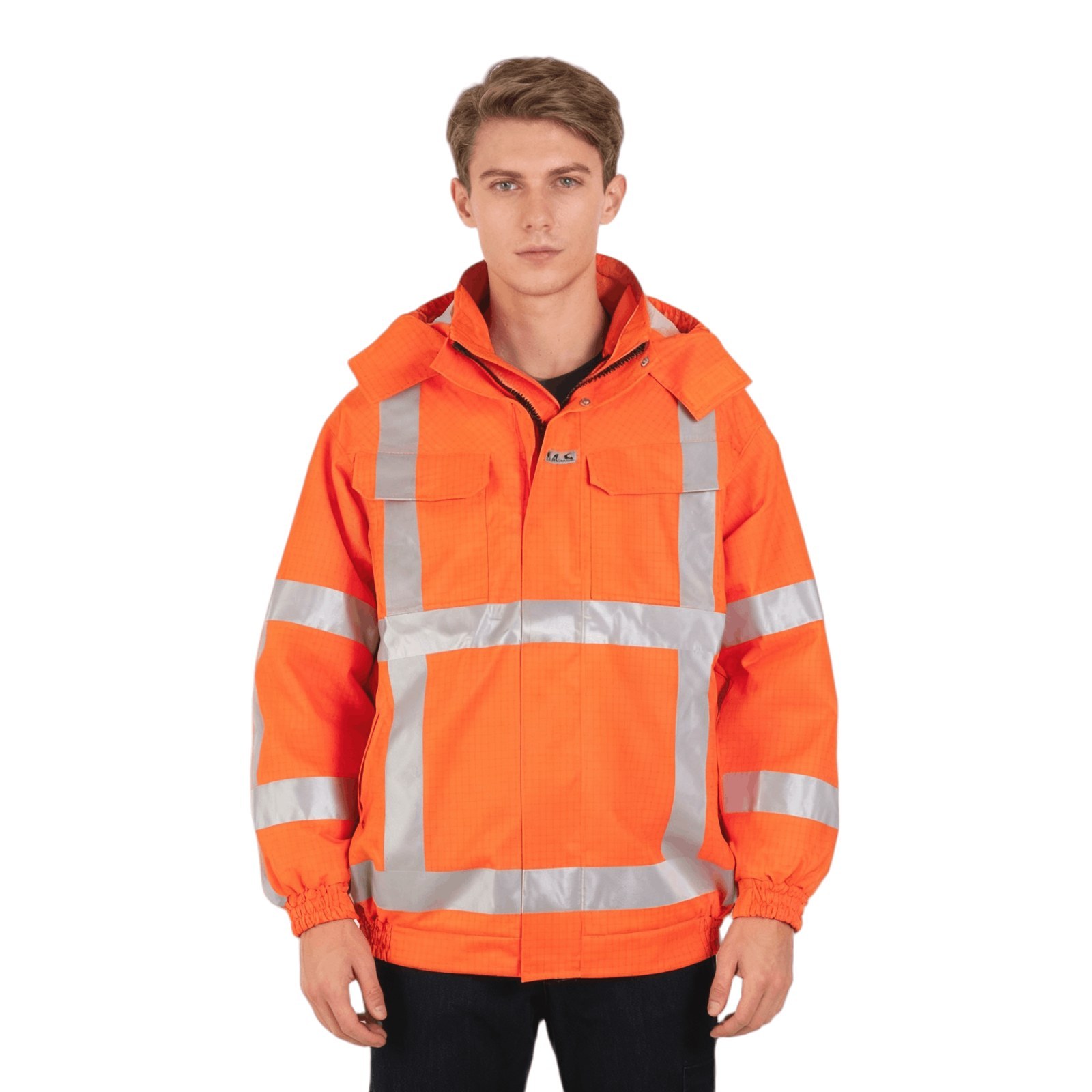
- Class 2. Intermediate risk: roads with traffic up to 60 km/h, warehouse loading areas, delivery work in mixed zones. Requires defined torso and band areas, usually a full-coverage vest or jacket.
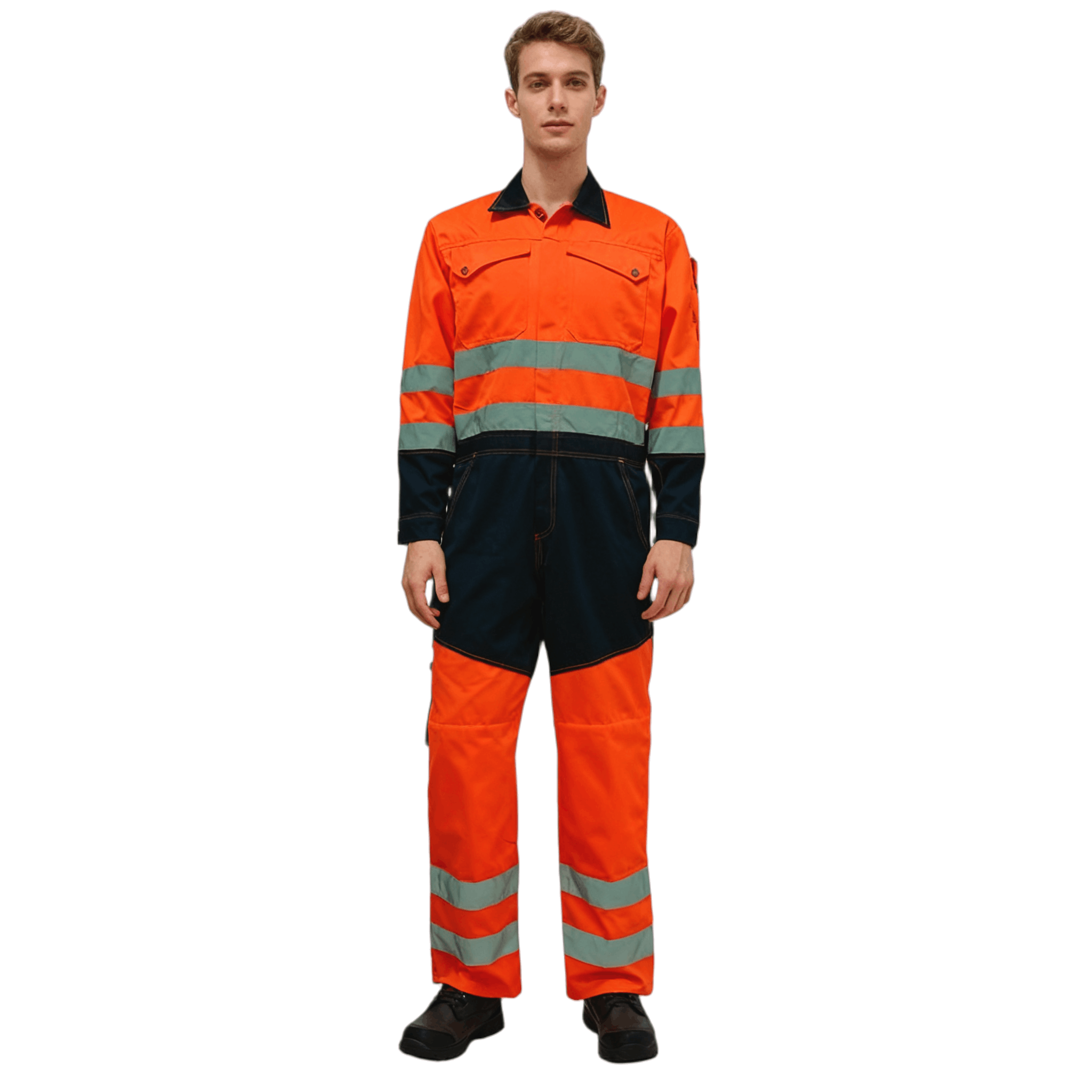
- Class 3. Highest risk: highways, night work, adverse weather, operators working facing traffic. Requires sleeve and trouser coverage with the highest retro-reflective area, meaning jackets with sleeves and bands on limbs.
- Combination garments. A Class 3 jacket layered over Class 2 trousers still must be assessed as a set. Suppliers should state the class of the set, not of each piece.
Flame Retardant and Waterproof: Where Specs Commonly Fail
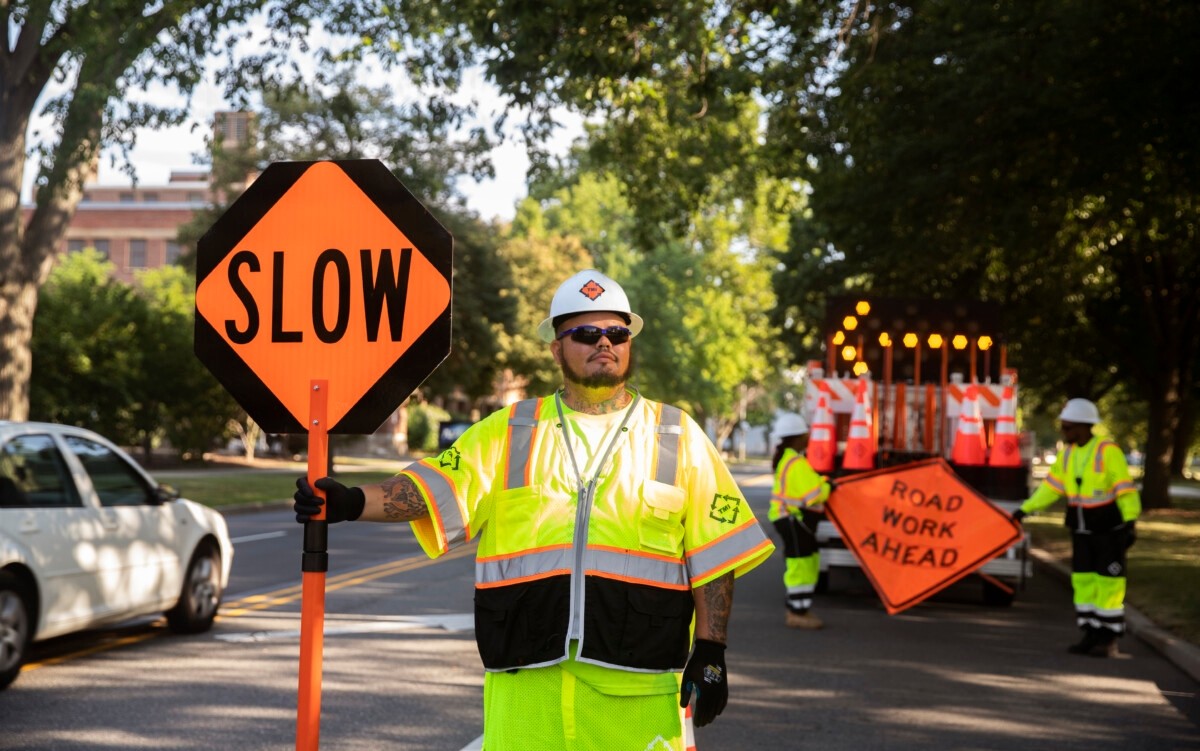
Flame retardant garments fail audits for two reasons. First, buyers accept "FR fabric" without the EN ISO 11612 index, which hides what the fabric actually withstands. Second, washing destroys non-durable finishes: an FR treatment that is not industrial-laundering rated can drop below spec within 25 washes, so the garment passes on delivery and fails on site three months later. Always require the wash-test report showing performance after the number of cycles your client's laundry program will run.
Waterproof safety garments fail differently. The water column number on a label is measured on fabric, not on the finished seam. For EN 343 garments, fully taped seams are what turn a Class 3 fabric into a Class 3 garment, and tape quality is exactly where low-cost suppliers save money. Our waterproof rating guide explains how water column classes translate into field performance, and our work uniform fabric guide covers fabric selection for durability.

Documentation to demand with every safety garment shipment. Fabric test reports tied to the lot numbers used in production, garment conformity statements citing the exact standard and class, and retained sealed samples from the bulk run. These three documents turn a supplier claim into something your inspector, insurer, or tender committee can verify. Under Regulation (EU) 2016/425, PPE placed on the EU market must be backed by a technical file and an EU type-examination certificate, so treat them as a legal requirement rather than a favour.
A Practical Specification Workflow
Shop Safety and Protective Workwear
Frequently Asked Questions
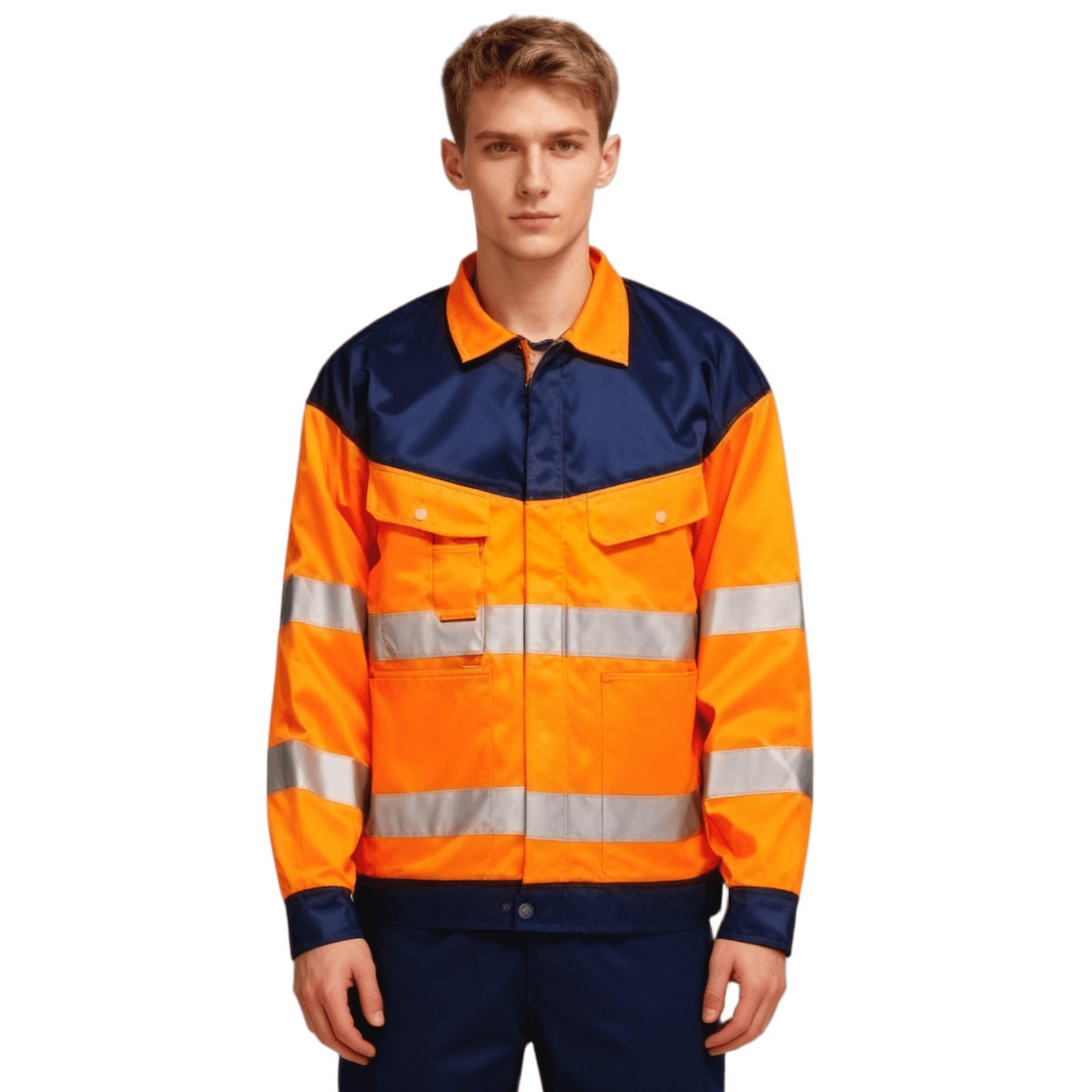
Class 3 requires more fluorescent background material and more retro-reflective material than Class 2, including coverage on sleeves and trouser legs. Class 2 is typically a vest or jacket for mixed-traffic areas, while Class 3 is full-coverage clothing for highways, night work, and poor weather.
Yes, and it is a common combination for road and rescue programs. The specification must name each standard separately, for example EN ISO 20471 Class 3, EN ISO 11612, and EN 343, because each adds fabric and construction requirements that affect price and wash life.
Quality hi-vis garments keep compliance for roughly 25 to 50 industrial washes depending on fabric and reflective tape grade, while durable FR fabrics are rated for 50 to 100 washes. Always ask for the wash-cycle test report rather than a marketing claim.
Yes. We provide lot-tied fabric test reports, garment conformity statements for the quoted standards, and sealed retained samples with every safety workwear order, and we support third-party pre-shipment inspection.