Seam Sealing, Laser Cutting, and More: Key Technologies in Outdoor Apparel
- Share
- Issue Time
- May 3,2026
Summary
Explore key technologies like seam sealing and laser cutting that define high-performance outdoor apparel manufacturing.

Why Technology Is the Real Differentiator in Outdoor Apparel
Let’s start with a simple question:
Why do two jackets that look identical perform completely differently in the field?
One keeps you dry in a storm.
The other leaks in 20 minutes.
The answer isn’t design.
It’s technology.
The Hidden Problems Behind “Average” Outdoor Gear
Most outdoor apparel failures don’t come from fabric alone. They come from how the garment is made.
Common issues include:
Water leaking through stitched seams
Bulky construction limiting movement
Weak stress points leading to tearing
Inconsistent quality across production batches
According to industry testing data, over 70% of waterproof garment failures occur at seams—not fabric.
Let that sink in.
You can have a 20,000mm waterproof fabric… and still get soaked.

Core Manufacturing Technologies That Define Performance
Let’s break down the technologies that actually matter—and why they’re non-negotiable for serious brands.
1. Seam Sealing: The Invisible Shield
Seam sealing is what turns a water-resistant garment into a truly waterproof one.
It involves applying heat-bonded tape over stitched seams to block water entry.
Key facts:
Without seam sealing, waterproof performance drops by up to 60%
Fully taped seams are standard in high-end outdoor jackets
Think of seams as “tiny doors.” Seam sealing locks them shut.
2. Laser Cutting: Precision Meets Efficiency
Traditional cutting methods can fray edges and reduce accuracy.
Laser cutting:
Ensures clean, sealed edges
Improves material utilization by up to 10–15%
Enables complex pattern designs
It’s like switching from scissors to surgical tools.
3. Heat Bonding (Seamless Construction)
Instead of stitching, panels are bonded using heat and adhesive films.
Benefits:
Reduced weight
Improved waterproofing
Sleeker, modern aesthetics
This is widely used in:
High-performance rainwear
Urban outdoor apparel
4. Advanced Stitching Techniques
Not all stitching is equal.
High-performance garments use:
Reinforced stitching at stress points
Flatlock seams for comfort
Double or triple stitching for durability
Poor stitching = product returns.
Common Mistakes Brands Make When Choosing Manufacturing Techniques
Let’s be blunt—this is where many brands lose money.
1. Choosing Simpler Processes to Cut Costs
Skipping seam sealing or advanced bonding may save a few dollars.
But it leads to:
Higher defect rates
Customer complaints
Brand reputation damage
A single product failure can cost more than upgrading your production process.
2. Ignoring Product Positioning
Not every product needs every technology.
But many brands either:
Over-engineer (wasting cost)
Or under-engineer (hurting performance)
The key is matching technology to use case.
3. Lack of Technical Expertise
Here’s the truth:Most brands don’t fully understand manufacturing technologies.
They rely on suppliers.
And if the supplier lacks expertise?
You’re gambling with your product.

How Uniouter Delivers High-Performance Apparel Through Advanced Manufacturing
Now let’s move from problem to solution.
If you're building an outdoor or workwear brand, you need more than a factory.
You need a technical partner.
Problem → Solution Model
Problem 1: “We don’t know which technologies to use.”
Uniouter Solution:
We provide technology-driven product development, helping you choose:
Seam sealing levels
Fabric + bonding combinations
Construction methods based on end use
Problem 2: “We need fast and low-risk development.”
Uniouter Policy:
Sample development: 7–14 days
Sample fee reduction for qualified clients
This allows rapid testing and iteration.
Problem 3: “We need flexible production.”
Uniouter Production Capability:
MOQ: 300–500 pieces
Bulk production: 30–50 days
Perfect for:
Growing brands
B2B buyers
Government procurement projects
Problem 4: “We lack design and engineering support.”
Uniouter Solution:
Style design assistance
Technical engineering support
Tender project assistance
Check our product categories:
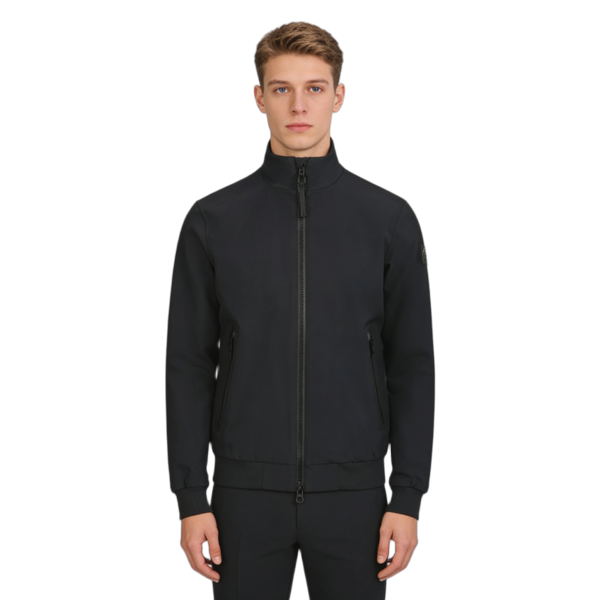
Breathable Lightweight Commuter Jacket – Practical for Daily Wear and Short Outdoor Trips, Available for Bulk Orders.
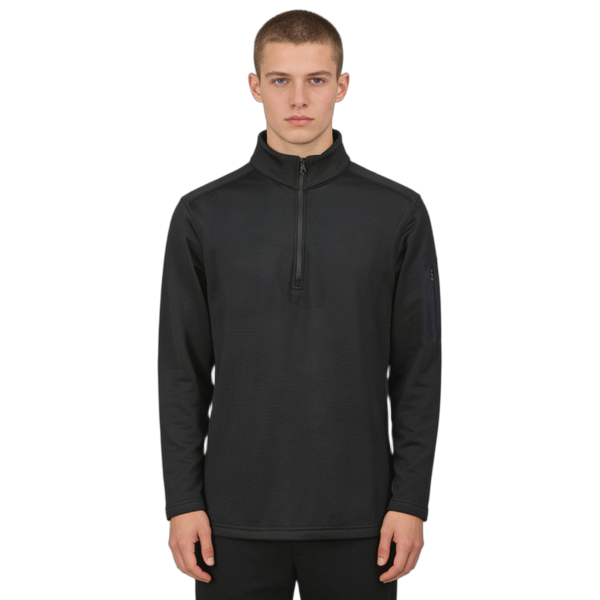
Stretch Commuter Apparel – Flexible and Adaptable for Fast-Paced Urban Lifestyles, Available for Bulk Orders.
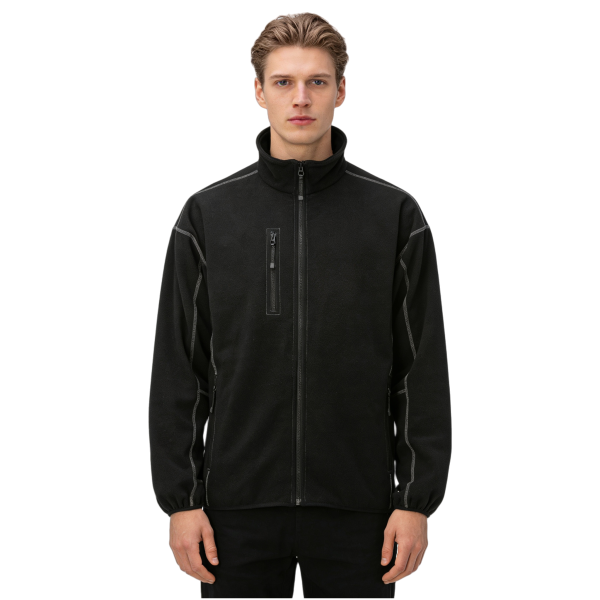
Lightweight Windbreaker Hiking Jacket – Easy to Pack and Carry, Perfect for Outdoor Treks.
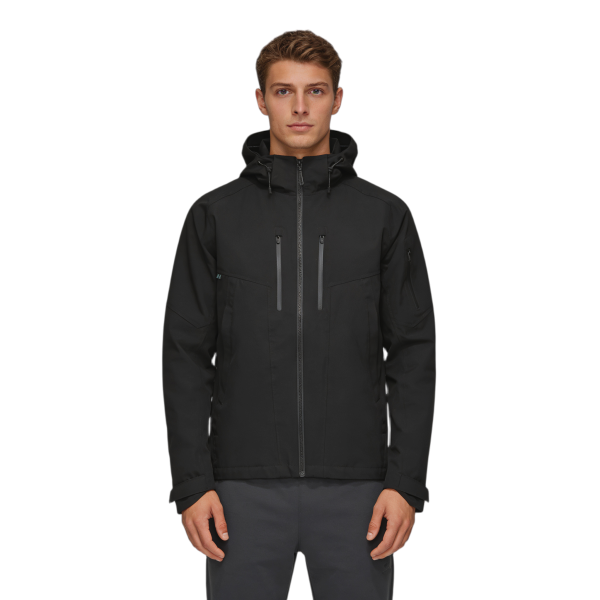
Breathable, Durable Commuter Jacket – All-Day Comfort and Customization for Bulk Orders.
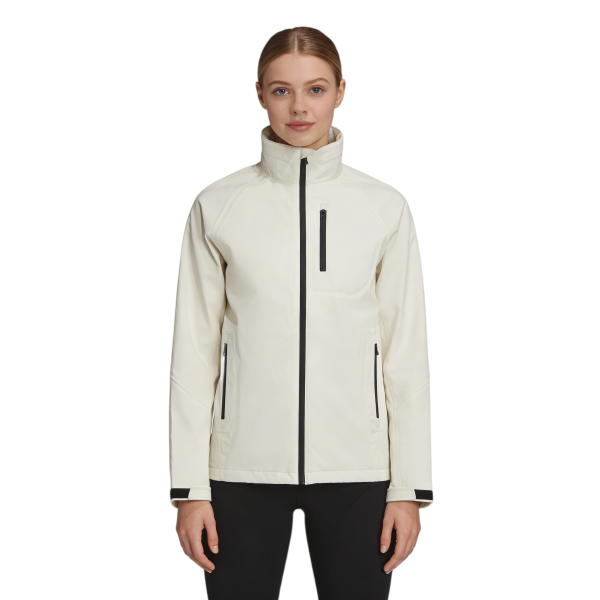
All-Purpose Outdoor Jacket – Combines Waterproof & Windproof Protection, Also Great for City Wear.
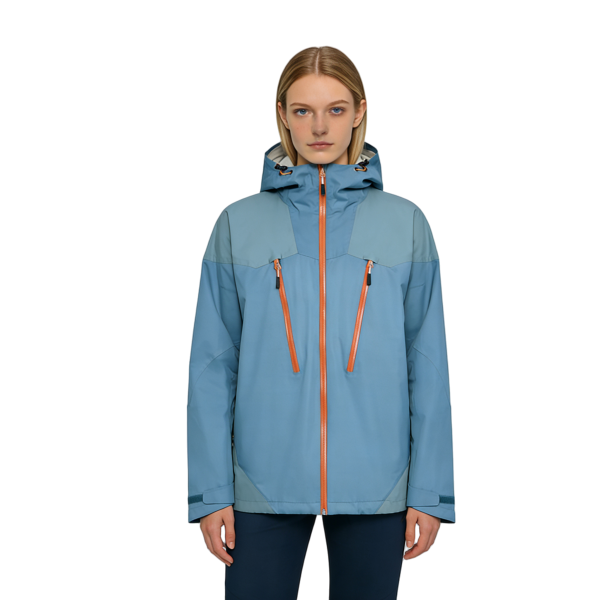
Women's rainproof hiking jacket, waterproof fabric, adjustable design, tailored fit, perfect for hiking adventures.
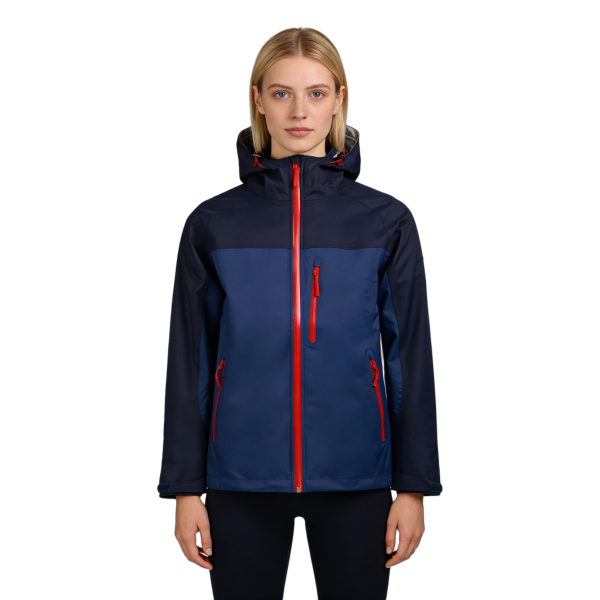
Hiking rainproof jacket, high-performance fabric, adjustable hat, waterproof zipper, keeps you dry and comfortable.
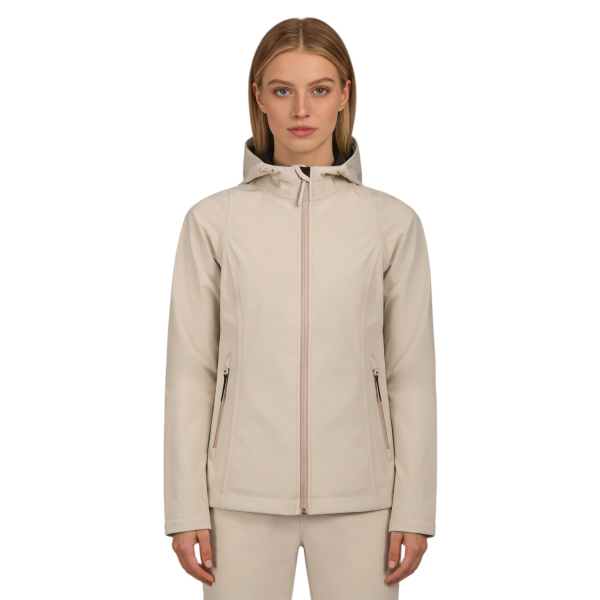
Women's slim-fit rainproof jacket, waterproof and lightweight, with an adjustable hat, suitable for various occasions.
Industry Trends: The Shift Toward Tech-Driven Outdoor Apparel
The outdoor apparel industry is no longer just about style—it’s about performance engineering.
Key Data Insights
Global outdoor apparel market expected to exceed $45 billion by 2028
Over 60% of consumers prioritize functionality over brand name
Seamless and bonded garments are growing at 8%+ annually
What This Means for You
If your products don’t integrate advanced manufacturing technologies, you’re falling behind.
Consumers today expect:
Lightweight performance
Multi-functional design
Long-term durability
And brands that deliver this?
They win.
Conclusion: Technology Is the Backbone of Performance Apparel
Let’s keep it simple.
Fabric gets the attention.
Design gets the compliments.
But technology delivers the performance.
Seam sealing, laser cutting, bonding—these aren’t optional upgrades.
They are the foundation of serious outdoor apparel.
And if you’re a brand looking to compete in this space, you need a partner who understands that.
That’s where Uniouter comes in.
Because in today’s market, you’re not just making clothes.
You’re engineering protection, performance, and trust.
FAQs
1. Is seam sealing necessary for all outdoor garments?
Not all, but for waterproof products, it’s essential. Without it, water can penetrate through seams.
2. Does laser cutting increase production cost?
Slightly, but it improves precision, reduces waste, and enhances product quality—making it cost-effective long term.
3. What is the ideal MOQ for technical outdoor apparel?
Typically 300–500 pieces, balancing customization and production efficiency.