Small Batch Customization vs. Mass Production: Flexible MOQ Strategies to Help Startup Brands Get Started Easily
- Share
- Issue Time
- Mar 12,2026
Summary
Learn how flexible MOQ strategies and small batch production help startup apparel brands launch products and scale manufacturing efficiently.
Introduction
Minimum Order Quantity.
For many startup brands, this single requirement becomes the biggest barrier between a great idea and a real product.
Imagine this situation: you’ve designed a fantastic outdoor jacket. You’ve tested the concept, maybe even built a small community online. But when you contact factories, they respond with something like:
“Our MOQ is 2,000 pieces per style.”
Suddenly, your dream launch requires tens of thousands of dollars in inventory.
That’s why many young brands get stuck at the same stage — great product ideas but no scalable production partner.
According to McKinsey’s State of Fashion report, nearly 35% of startup apparel brands fail within the first three years due to supply chain and inventory issues.
The good news?
Modern apparel manufacturing is changing. Flexible production models — especially small batch customization — are helping new brands enter the market faster and with lower risk.
Let’s explore how small batch production and mass production strategies work, and how the right manufacturer can support your brand at every stage.
Why MOQ Is the Biggest Barrier for New Apparel Brands
MOQ exists for a simple reason: factories must maintain production efficiency.
When producing garments, factories incur fixed costs such as:
pattern development、fabric sourcing、machine setup、quality testing
These costs are spread across the total order volume.
If production volume is too small, the cost per unit increases significantly.
For traditional manufacturers focused on high-volume production, this often results in MOQ requirements such as:
| Product Type | Typical MOQ |
| Outdoor jackets | 800–2000 pieces |
| Workwear uniforms | 500–1500 pieces |
| Technical outdoor pants | 600–1200 pieces |
But here’s the problem for startups.
When launching a new brand, you rarely know which products will succeed.
Producing large inventory is like betting your entire budget on one hand of cards.
According to Startup Genome, nearly 60% of consumer startups fail due to overproduction and unsold inventory.
This is why flexible manufacturing models are becoming increasingly important.
Small Batch Customization — A Safer Launch Strategy for Startup Brands
Small batch production is exactly what it sounds like: manufacturing limited quantities of products to test the market.
Instead of ordering thousands of pieces, startups might begin with 50–300 units per design.
This approach provides several advantages.
1. Lower Financial Risk
Smaller production runs reduce upfront investment.
If a design doesn’t perform well in the market, brands can pivot quickly without being stuck with unsold inventory.
2. Faster Product Testing
Modern fashion cycles move quickly.
According to Deloitte retail research, apparel brands that test products in small batches can shorten their product development cycles by up to 30%.
This allows brands to:
launch new designs faster、gather customer feedback、refine products before scaling
3. Brand Identity Development
Startup brands often experiment with:
fabric choices、color combinations、design features
Small batch production allows brands to evolve naturally as they learn what customers love.
For example, many outdoor startups begin with niche categories such as:
or lifestyle-focused gear like:
These niche markets allow brands to build loyal communities before expanding.
Mass Production — When Scale Becomes the Competitive Advantage
Of course, small batch production isn’t the final goal.
Once a product proves successful, brands must eventually scale.
Mass production provides several major advantages.
1. Lower Cost Per Unit
As production volume increases, factories achieve economies of scale.
According to Fashion Industry Benchmark studies, unit production costs can drop 20–40% when order volumes exceed 1,000 units.
2. Stable Supply Chains
High-volume production enables:
stable fabric sourcing、optimized logistics、consistent product quality
This becomes essential as brands expand into wholesale, retail, or international distribution.
3. Market Expansion
Large production volumes allow brands to supply:
retail chains、online marketplaces、distributors
For specialized categories like:
scaling production is critical for meeting seasonal demand.
Flexible MOQ Strategies: How Smart Manufacturers Support Brand Growth
The real challenge is transitioning between small batch experimentation and large-scale production.
This is where experienced manufacturers play a crucial role.
Modern apparel manufacturers now offer flexible MOQ strategies, such as:
1. Modular Production Lines
Instead of dedicating entire lines to one product, modular setups allow factories to handle smaller runs efficiently.
2. Shared Fabric Sourcing
Factories can reduce MOQs by using commonly sourced fabrics across multiple clients.
This helps startups access premium materials without large commitments.
3. Progressive Order Scaling
A typical growth path might look like this:
| Stage | Production Volume |
| Market testing | 100–300 pieces |
| Early growth | 300–800 pieces |
| Brand scaling | 800–3000+ pieces |
This phased approach reduces risk while supporting expansion.
Flexible manufacturing is also important for industries beyond fashion, including:
Where organizations may require custom uniforms in varying quantities.

How Uniouter Helps Startup Brands Launch and Scale Their Outdoor Apparel
Choosing the right manufacturing partner can make or break a startup brand.
With over 20 years of experience in outdoor apparel manufacturing, Uniouter has helped brands at every stage — from early concepts to global distribution.
Our approach focuses on flexibility, technical expertise, and long-term partnerships.
Flexible Custom Manufacturing
we support brands with:
prototype development、small batch production、scalable mass manufacturing
Specialized Outdoor Apparel Expertise
Our product categories include:
We also support professional uniforms such as:
These products require both durability and functional design.
Global Market Experience
Uniouter works with clients across Europe, North America, and international markets, helping brands develop products that meet diverse consumer expectations.
Our goal isn’t just manufacturing garments — it’s helping brands grow sustainably.
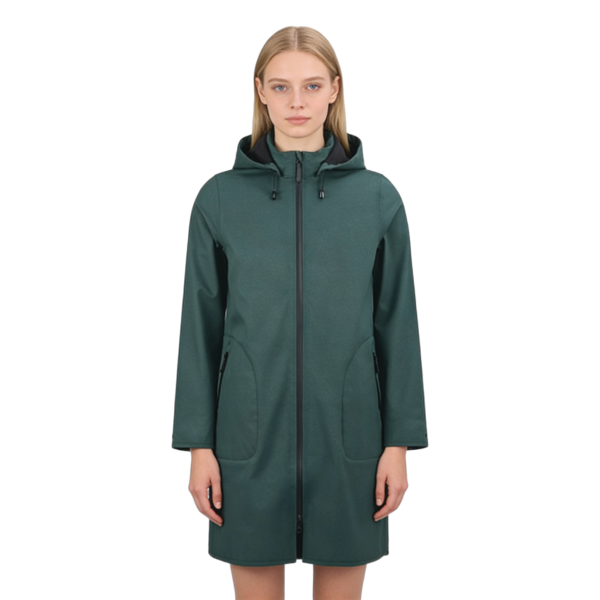
Waterproof parka, adjustable hat, simple and fashionable, suitable for commuting, leisure, and travel.
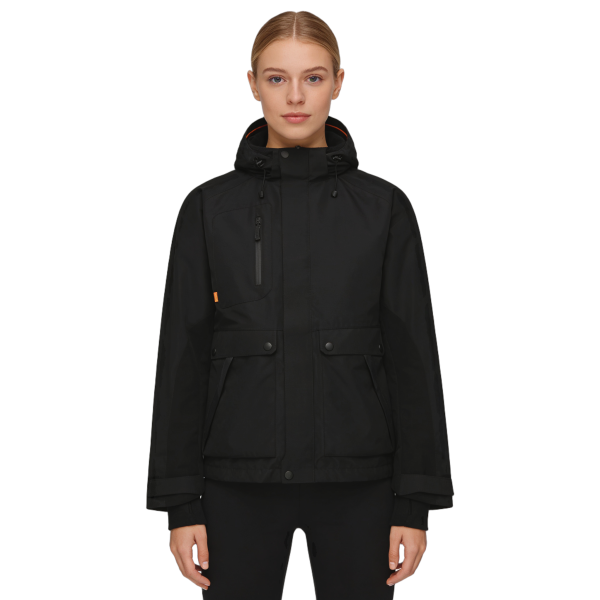
Custom stretch softshell jacket with adjustable cuffs and a hood. OEM/ODM services available for personalized design.
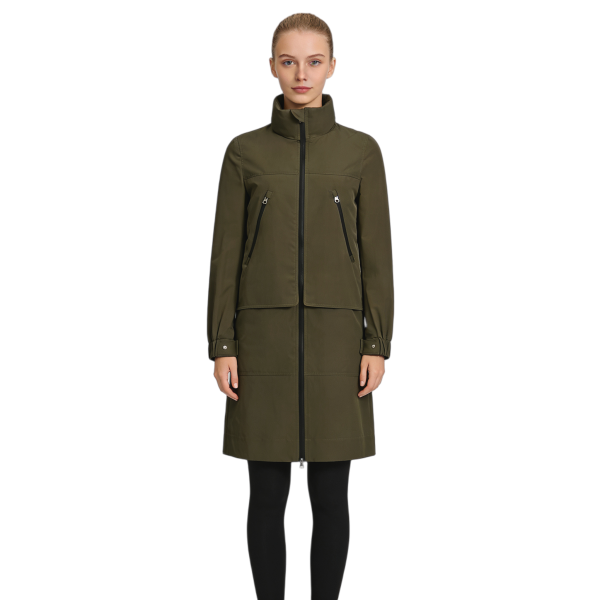
Waterproof hiking parka, essential for the outdoors, waterproof fabric, adjustable hat, secure pockets, supports wholesale.
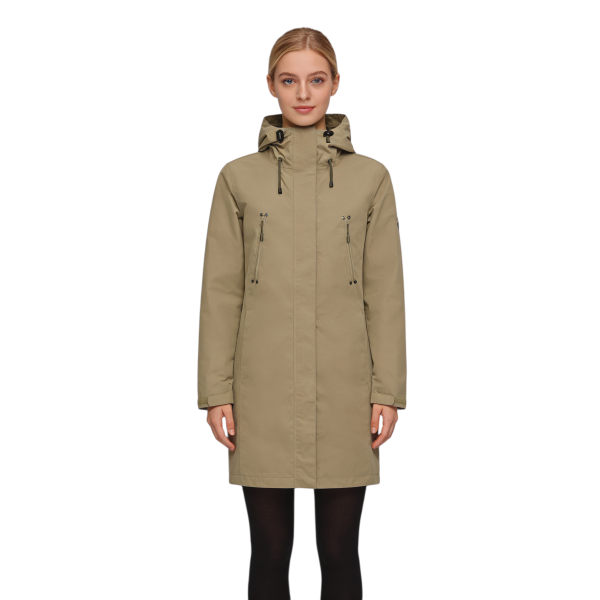
Windproof hiking coat, warm, adjustable cuffs, hooded with Velcro, ideal for outdoor adventures and daily travel.
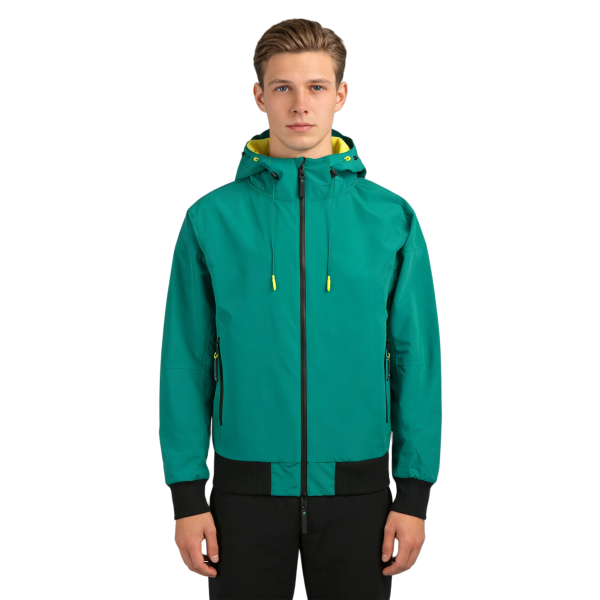
Waterproof mountain jacket with high-tech fabric, tailored fit, supports wholesale, ideal for outdoor adventures.
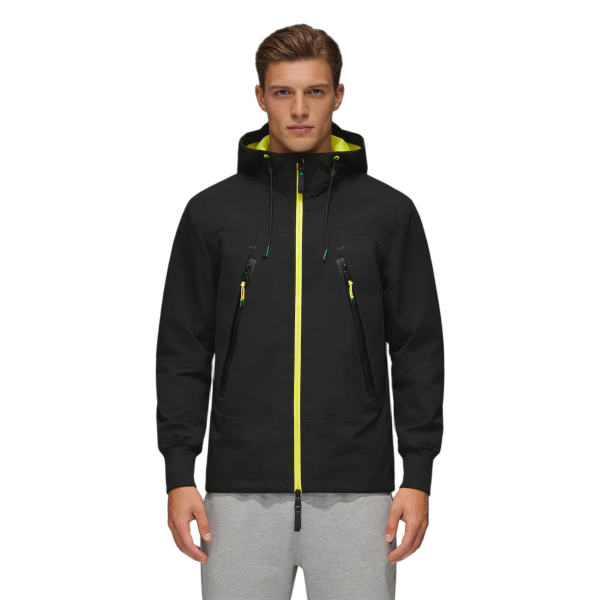
Hiking windproof jacket, adjustable hat, waterproof zipper, elastic cuffs, high-performance fabric, lightweight, warm
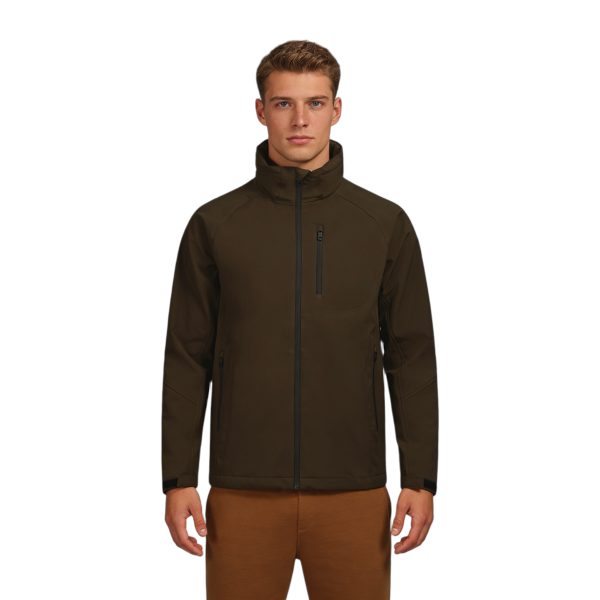
Rainproof hiking jacket, waterproof and breathable, hidden hood, waterproof zipper, simple and fashionable.
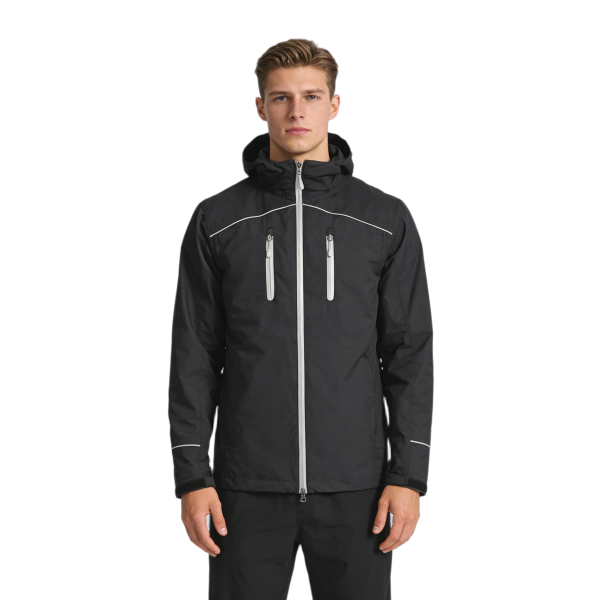
Abrasion-Resistant Windproof Mountaineering Jacket – Excellent Waterproof Protection, OEM Supported.
Conclusion
Launching an apparel brand has never been easier — but building a successful one still requires smart production strategies.
Small batch customization allows startups to:
test ideas、minimize financial risk、refine products
Mass production, on the other hand, unlocks:
lower costs、stable supply chains、global market expansion
The key is finding a manufacturing partner that supports both stages of growth.
With flexible MOQ strategies and deep expertise in technical outdoor apparel, manufacturers like Uniouter help brands move confidently from concept to scale.
Because in today’s fast-moving apparel market, flexibility isn’t just helpful.
It’s essential.
FAQs
1. What is a typical MOQ for outdoor apparel manufacturing?
Most factories require 500–2000 pieces per design, though flexible manufacturers may offer smaller trial orders.
2. Is small batch production more expensive?
Yes, the unit cost is higher, but it reduces financial risk and helps validate products before scaling production.
3. How can startup brands find manufacturers with flexible MOQ?
Look for experienced custom manufacturers that support prototype development and phased production scaling.