Sustainable Outdoor Apparel Manufacturing: What Brands Need to Know in 2026
- Share
- publisher
- UniOuter
- Issue Time
- Sep 18,2026
Summary
A comprehensive guide to sustainable outdoor apparel manufacturing in 2026: sustainable materials, responsible sourcing, low-waste production, water management, chemical management, PFC-free DWR, certifications, greenwashing, circular economy, carbon footprint, and UniOuter's sustainability journey.
Sustainability in outdoor apparel has shifted from marketing differentiator to regulatory and commercial necessity. In 2026, PFAS restrictions, EPR laws, and consumer expectations make sustainable manufacturing a baseline requirement. This guide maps what brands need to know - from material selection to greenwashing prevention.
For related context, see our PFAS-free guide, GRS certification explainer, and industry trends report.
The Environmental Challenge in Apparel Manufacturing
Conventional apparel manufacturing carries significant environmental costs: water consumption (a single cotton t-shirt requires ~2,700 liters of water), chemical pollution from dyeing and finishing, microfiber shedding from synthetic fabrics, carbon emissions from energy-intensive production and global shipping, and end-of-life waste as garments enter landfills. The outdoor apparel industry, built on a love of nature, faces particular pressure to address these impacts.
For brand buyers, the environmental footprint of your supply chain is increasingly a commercial issue. EU Extended Producer Responsibility (EPR) laws make brands financially responsible for end-of-life product management. Consumers, particularly Gen Z and millennials, expect verifiable sustainability claims - not decorative green marketing. Retailers and platforms increasingly require sustainability documentation as a condition of listing.
Add photo here: sustainable textile manufacturing facility with water recycling systems or eco-friendly dyeing equipment
Sustainable Materials and Responsible Sourcing
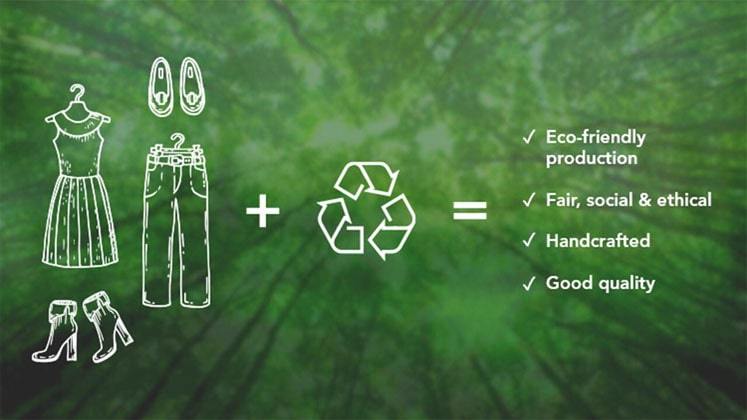
Sustainable material options have expanded significantly: recycled polyester (rPET) from post-consumer plastic bottles offers performance parity with virgin polyester at a modest premium; recycled nylon from fishing nets and carpet waste (Econyl and similar) provides a circular alternative; organic cotton eliminates pesticide and synthetic fertilizer impacts; bio-based membranes reduce dependence on petroleum-derived materials; and plant-based DWR replaces fluorocarbon water repellents. See our fluorine-free DWR guide for technical details.
Responsible sourcing requires supply chain transparency: knowing where materials come from, how they're processed, and whether claims are verifiable. Oeko-Tex Standard 100 certification ensures materials are free from harmful substances. GRS certification verifies recycled content with chain-of-custody documentation. Brands should request certificates from manufacturers and verify their authenticity directly with issuing bodies.
Low-Waste Manufacturing and Water Management
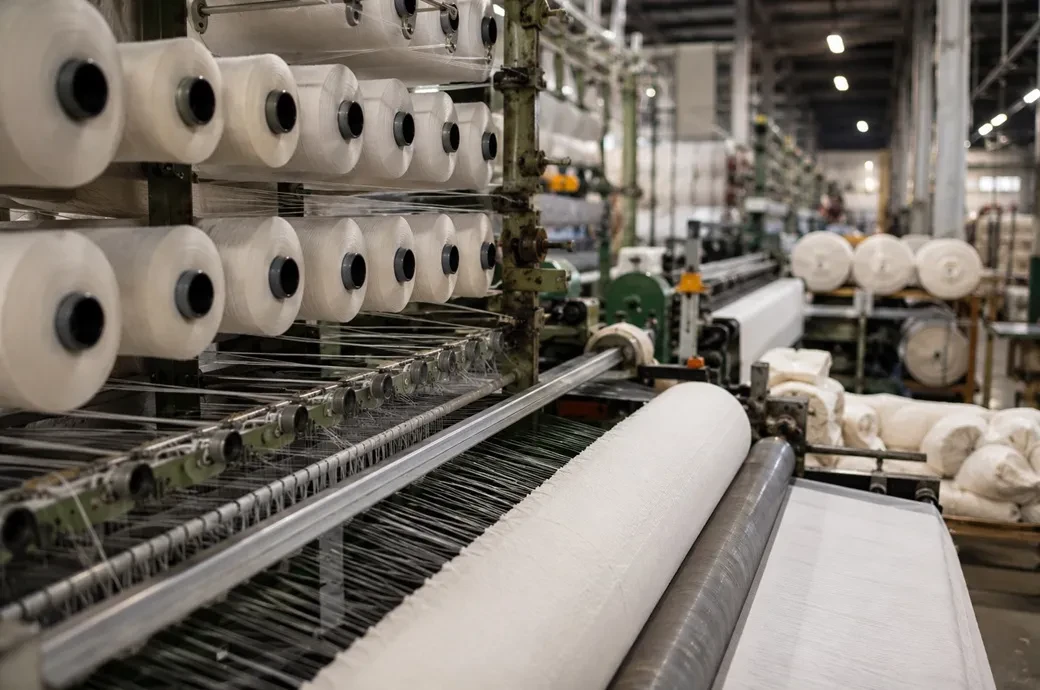
Low-waste manufacturing starts with optimized cutting plans that maximize fabric utilization. Advanced pattern nesting software can reduce fabric waste by 10-20% compared to manual cutting. UniOuter's laser cutting technology improves cutting precision while reducing waste. Fabric scraps that cannot be avoided are recycled where possible or repurposed.
Water management focuses on dyeing - the most water-intensive process in apparel manufacturing. Innovations include waterless dyeing technologies (supercritical CO2 dyeing), reduced-water dyeing processes, and water recycling systems that treat and reuse process water. Wastewater treatment ensures that discharged water meets environmental standards. These investments are significant but increasingly expected by regulators and brand buyers.
Chemical Management and PFC-Free DWR
Chemical management is the most regulated aspect of sustainable manufacturing. Restricted Substance Lists (RSLs) define which chemicals cannot be present in finished products. Bluesign certification ensures that the entire production process meets strict chemical safety and resource productivity standards. The most significant chemical management shift in outdoor apparel is the transition from PFC-based (per- and polyfluorinated chemicals) to fluorine-free DWR treatments.
PFC-based DWR has been the industry standard for decades due to its superior oil and water repellency. However, PFCs are persistent environmental contaminants - they don't break down, they bioaccumulate, and they're linked to health concerns. EU PFAS restrictions and US state bans are making fluorine-free DWR mandatory rather than optional. For a complete technical guide, see our fluorine-free DWR article.
Certifications, Greenwashing, and Circular Economy
Sustainability certifications provide third-party verification that claims are real. Key certifications for outdoor apparel: Oeko-Tex (harmful substance testing), GRS (recycled content), ISO 14001 (environmental management), and BSCI (social compliance). Each certification covers a specific dimension - no single certification covers everything.
Greenwashing - making misleading or false sustainability claims - is both a reputational and legal risk. EU regulations now require substantiation of environmental claims; the US Federal Trade Commission's Green Guides set similar expectations. To avoid greenwashing: make specific, verifiable claims (not vague "eco-friendly" language), back claims with certificates, and be honest about limitations. A product made with recycled polyester but conventional DWR is "partially sustainable" - not "green."
The circular economy vision extends beyond material selection: repair programs extend product life, take-back schemes enable recycling at end-of-life, and design-for-disassembly makes recycling feasible. Leading brands like Patagonia demonstrate that circular programs build brand loyalty while reducing environmental impact.
Add photo here: recycling process showing plastic bottles being transformed into recycled polyester fabric for outdoor clothing
UniOuter's Sustainability Journey
UniOuter integrates sustainability across our manufacturing process: Oeko-Tex certified materials ensure harmful-substance-free production, low-waste cutting reduces fabric waste, BSCI certification verifies ethical labor practices, GRS certification confirms recycled material chain-of-custody, and our transition to fluorine-free DWR aligns with regulatory timelines. Our PFAS preparation article details our regulatory readiness.
For brands seeking a sustainability-aligned manufacturing partner, UniOuter offers: in-house fabric R&D for bio-based and recycled material development, complete certification documentation, transparent quotation that doesn't hide sustainability premiums, and low-MOQ programs that make sustainable product lines viable for startups. Start your sustainability conversation through the contact page, explore our product catalog, or send an inquiry with your sustainability requirements. The fabric development page covers material options, and the purchasing guide covers commercial terms.
Shop Outdoor Apparel


Frequently Asked Questions
Sustainable outdoor apparel manufacturing integrates: recycled or bio-based materials, low-waste production processes, responsible water and chemical management, PFC-free DWR treatments, ethical labor practices (BSCI certified), verifiable certifications (GRS, Oeko-Tex, ISO 14001), and circular design principles. No single factor makes manufacturing sustainable - it requires holistic commitment across the entire production process.
Make specific, verifiable claims backed by certificates. Avoid vague terms like "eco-friendly" without substantiation. Be honest about partial sustainability (e.g., recycled fabric with conventional DWR). Request and maintain certification documentation. Follow FTC Green Guides (US) and EU environmental claims regulations. The key test: can you prove every sustainability claim you make to a skeptical auditor?
EU PFAS restrictions are active and tightening through 2026-2027. Several US states (California, New York, others) have banned PFAS in apparel with staggered effective dates starting 2025. The practical implication: specify fluorine-free DWR in all new product development now. Our PFAS-free guide and PFAS preparation article cover the regulatory timeline in detail.
Recycled polyester (rPET) achieves performance parity with virgin polyester in most applications - strength, durability, and functional performance are comparable. Recycled nylon may have slightly different performance characteristics depending on source material. GRS certification verifies recycled content without performance trade-offs. The modest cost premium (typically 10-20%) is increasingly accepted by consumers who value sustainability.
Key certifications: Oeko-Tex Standard 100 (harmful substance testing), GRS (recycled content verification), ISO 14001 (environmental management system), BSCI (social compliance and ethical labor), and Bluesign (chemical and resource management). No single certification covers everything - look for manufacturers with multiple certifications addressing different sustainability dimensions. Always verify certificate authenticity directly with issuing bodies.