Sustainable Outdoor Clothing: Market Shift and Buyer Expectations
- Share
- Issue Time
- Apr 3,2026
Summary
Explore sustainable outdoor clothing trends, buyer challenges, and how manufacturers like UniOuter enable eco-friendly, high-performance apparel production.
Introduction
If you're a brand owner, buyer, or sourcing manager, you’ve probably asked yourself:
How do I balance sustainability, performance, and cost—without compromising my brand?
Let’s break it down together.

Why Sustainability Is Reshaping the Outdoor Apparel Industry
Sustainability isn’t a trend anymore—it’s a structural shift.
According to industry reports, over 67% of global consumers now consider sustainability when making apparel purchases, and in Europe, that number climbs even higher. Even more interesting? Around 73% of Gen Z buyers are willing to pay more for sustainable products.
But here’s the catch.
Consumers don’t just want eco-friendly labels. They want proof—traceability, certifications, and real performance.
Key Market Data and Consumer Behavior Trends
The global sustainable apparel market is projected to exceed $15 billion by 2030, growing at over 9% CAGR
Outdoor brands are under increasing pressure to adopt bluesign®, OEKO-TEX®, and GRS-certified materials
Governments (especially in the EU) are tightening regulations on carbon footprint and textile waste
So what does this mean for you?
If your products don’t align with sustainability expectations, you risk losing both retail partners and end consumers.
The Real Challenges Buyers Face When Sourcing Sustainable Outdoor Clothing
Let’s be honest—going sustainable sounds great in theory, but in practice?
It’s complicated.
Cost, Performance, and Certification Conflicts
Here are the three biggest pain points buyers face:
1. Higher Material Costs
Recycled polyester, organic cotton, and eco-membranes often cost 20–40% more than conventional fabrics.
2. Performance Trade-offs
Will recycled fabrics still be waterproof? Breathable? Durable enough for hiking or mountaineering?
3. Certification Confusion
There are too many labels—GRS, bluesign®, OEKO-TEX®… Which ones actually matter to your target market?
It’s like trying to build a high-performance car using only eco-friendly parts—you want sustainability, but you can’t sacrifice speed.
Materials and Technologies Driving Sustainable Outdoor Apparel
Here’s the good news: technology is catching up fast.
Modern sustainable outdoor clothing is no longer a compromise—it’s an upgrade.
From Recycled Fabrics to Advanced Eco-Coatings
Let’s break down what’s working right now:
1. Recycled Polyester (rPET)
Made from plastic bottles, reducing landfill waste and lowering carbon emissions by up to 30%
2. PFC-Free Waterproof Coatings
Traditional DWR coatings use harmful chemicals. New eco-alternatives offer similar water resistance—without environmental damage.
3. Bio-Based Fabrics
Materials derived from plants (like castor oil-based nylon) are gaining traction in premium outdoor gear.
4. Durable Design = Sustainability
Longer-lasting garments reduce replacement frequency, which is one of the most overlooked sustainability factors.
How UniOuter Solves Sustainable Manufacturing Challenges for Brands
Now comes the real question:
How do you actually execute this at scale?
This is where most brands struggle—and where the right manufacturing partner makes all the difference.
Problem → Analysis → UniOuter Solution
Problem 1: You need sustainable materials—but don’t know which ones fit your product line
Solution: UniOuter offers tailored fabric recommendations based on your target use (hiking, commuting, hunting, or industrial workwear), balancing cost, durability, and eco-performance.
Explore customization options here:
https://www.uniouter.com/comm02/Outdoor-Uniform-Customization.htm
Problem 2: You worry eco-friendly means lower performance
Solution: With over 20 years of experience, UniOuter integrates technical fabrics into real-world applications—from waterproof hiking jackets to durable construction uniforms.
Browse outdoor apparel solutions:
https://www.uniouter.com/products2135561/Custom-Hiking-Clothes-and-Mountaineering-Apparel.htm
https://www.uniouter.com/products2145495/Custom-Commuter-Clothing-and-Urban-Outdoor-Wear.htm
Problem 3: You need scalable, reliable production with quality control
Solution: UniOuter combines advanced manufacturing processes like seam sealing, fabric testing, and strict QC systems to ensure every piece meets international standards.
For workwear applications:
https://www.uniouter.com/products2135560/Custom-Safety-and-Emergency-Clothing.htm
https://www.uniouter.com/products2135558/Custom-Construction-and-Industrial-Clothing.htm
Problem 4: You want a long-term partner—not just a factory
Solution: UniOuter works as an ODM/OEM partner, helping brands from concept to production, including design optimization and material sourcing.
Learn more about UniOuter:
https://www.uniouter.com/aboutus.htm
https://www.uniouter.com
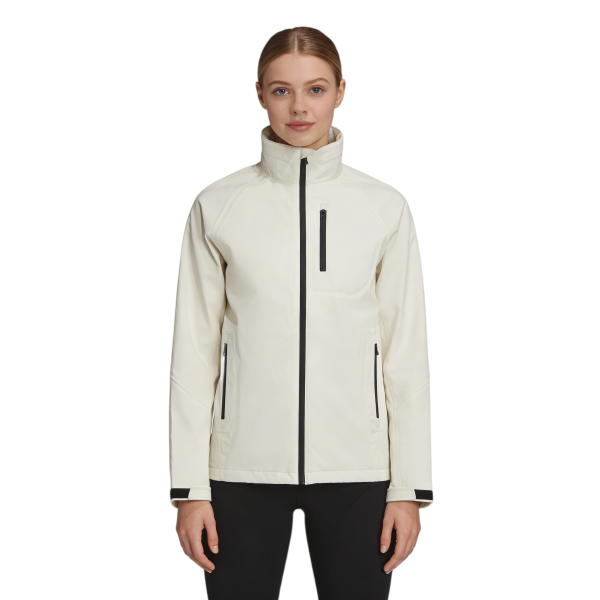
All-Purpose Outdoor Jacket – Combines Waterproof & Windproof Protection, Also Great for City Wear.
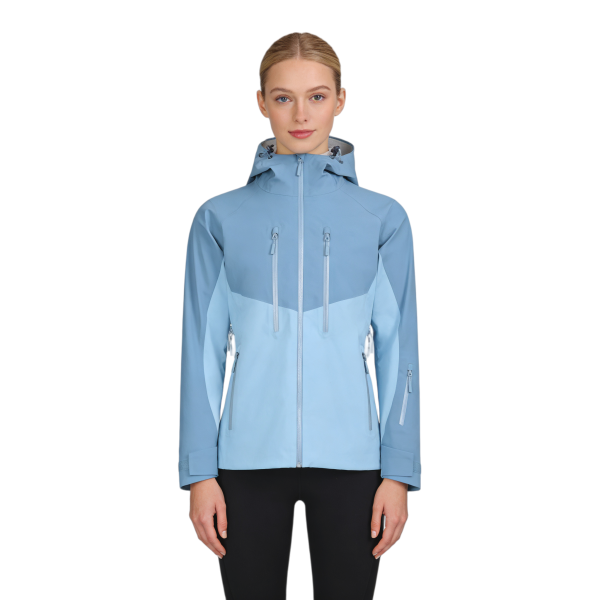
Women's Hiking Jacket – Windproof & Waterproof, Fitted with a Hood, Balancing Style and Functionality.
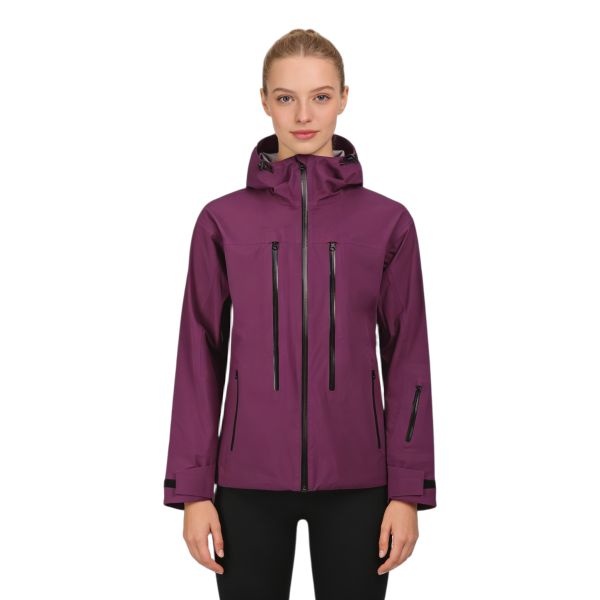
Women's waterproof hiking jacket, blends function and fashion , supports OEM customization, ideal for outdoor enthusiasts.
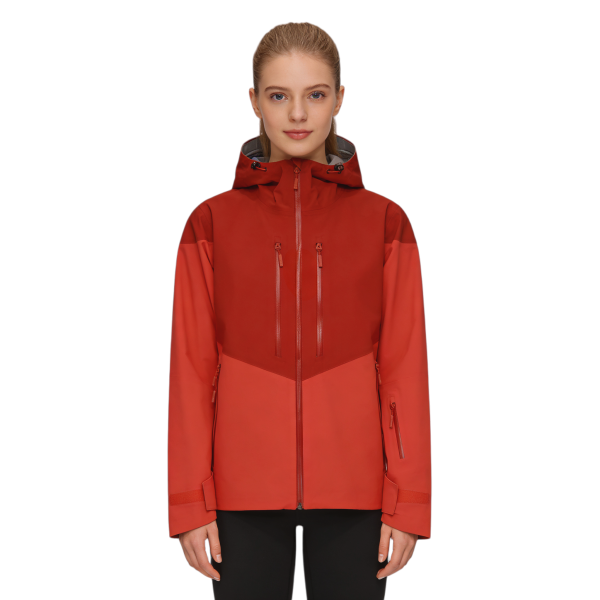
Women's waterproof jacket, combines fashion and function, tailored fit, ideal for adventures and daily wear.
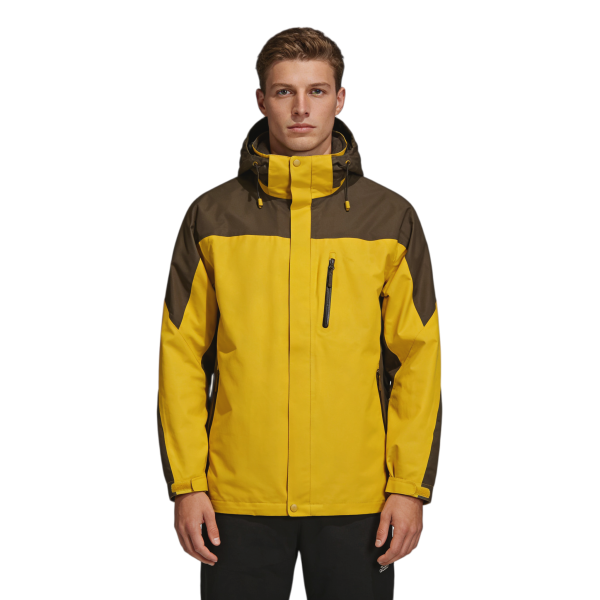
Windproof mountain coat, waterproof fabric, elastic cuffs, detachable hat, tailored fit, ideal for outdoor adventures.
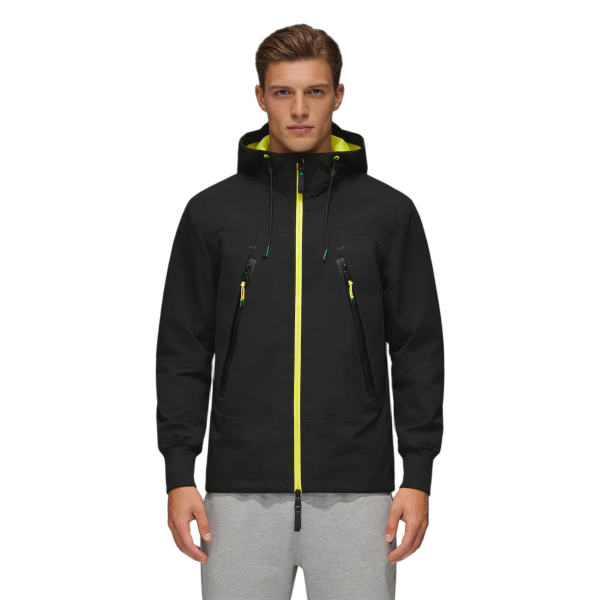
Hiking windproof jacket, adjustable hat, waterproof zipper, elastic cuffs, high-performance fabric, lightweight, warm
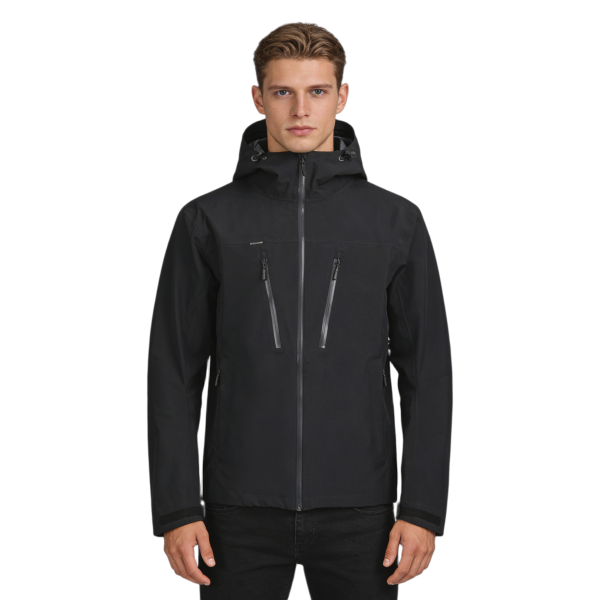
3-Layer Mountaineering Jacket – Enhanced Wind & Water Resistance, Ideal for Plateau and Mountain Wear.
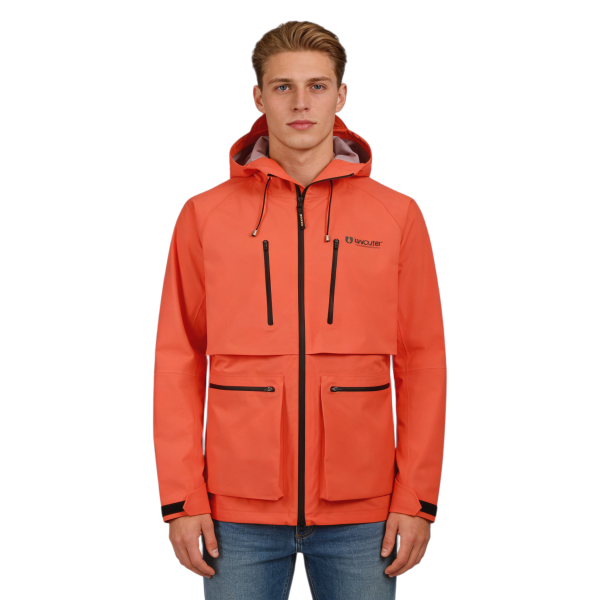
Orange waterproof parka with high-performance fabric, adjustable hat, and waterproof pockets for outdoor adventures.
How to Choose the Right Sustainable Outdoor Clothing Manufacturer
Choosing a supplier today isn’t just about price—it’s about alignment.
Here’s what you should look for:
1. Material Expertise
Can they recommend the right sustainable fabrics—or just offer what’s available?
2. Proven Experience
Have they worked with outdoor or workwear brands before?
3. Certification Support
Can they help you meet EU or US compliance standards?
4. Customization Capability
Do they offer true OEM/ODM—or just basic production?
5. Transparent Communication
Because delays and misunderstandings cost more than materials.
Think of your manufacturer as your “engine room.” If it’s weak, your brand won’t go far.
Conclusion
Sustainable outdoor clothing is no longer optional—it’s the direction the entire industry is heading.
But here’s the truth:
Sustainability without performance doesn’t sell
Performance without sustainability won’t last
The winning brands are those that balance both—and partner with manufacturers who understand that balance deeply
If you’re looking to build or scale a sustainable outdoor or workwear line, the right partner can turn complexity into clarity—and ideas into products that actually perform in the real world.
FAQs
1. Is sustainable outdoor clothing more expensive to produce?
Yes, typically 20–40% higher material costs—but long-term brand value and market demand often justify the investment.
2. Do recycled fabrics perform as well as traditional ones?
In many cases, yes. Modern recycled polyester and eco-coatings can match or even exceed traditional performance standards.
3. What certifications should I look for in sustainable apparel?
Focus on globally recognized ones like GRS, OEKO-TEX®, and bluesign®, depending on your target market.