Sustainable Workwear: Materials, Trends, and Future Opportunities
- Share
- Issue Time
- May 11,2026
Summary
Sustainable workwear combines eco-friendly materials, durability, and smart manufacturing to meet modern industrial sourcing demands.

Introduction
From construction companies in Europe to logistics providers in North America, buyers are asking tougher questions than ever before:
Where are these fabrics sourced?How sustainable is the production process?Will these garments last longer?Can suppliers meet ESG requirements?
And honestly? They should.
The global apparel industry contributes nearly 10% of worldwide carbon emissions according to the United Nations Environment Programme. Meanwhile, industrial uniforms and workwear are often replaced frequently due to wear and tear, making sustainability even more critical.
For brands, distributors, and procurement teams, sustainable workwear is no longer just a marketing slogan. It’s becoming a competitive advantage.

Why Sustainable Workwear Matters More Than Ever
Traditional workwear manufacturing has long relied on heavy chemical processing, synthetic materials, and low-cost production models. While this approach reduced short-term costs, it created long-term environmental and operational problems.
Here’s the reality:
Polyester production alone accounts for millions of tons of CO₂ emissions annually.
Cheap fabrics often fail faster, increasing replacement frequency.
Governments in Europe are tightening sustainability regulations for textile imports.
Large corporations now require ESG-compliant suppliers.
According to Textile Exchange, the demand for recycled and responsibly sourced textiles has increased by over 35% in the past five years. Buyers are actively searching for suppliers that can deliver both performance and sustainability.
But this creates a challenge.
Many sourcing managers struggle to find manufacturers that can balance:
durability,cost-efficiency,customization,compliance,and reliable lead times.
That’s where experienced manufacturers become valuable partners rather than simple suppliers.
Sustainable Materials Changing the Workwear Industry
Choosing the right material is like building a house on the right foundation. If the fabric fails, everything else fails with it.
Let’s look at the most important sustainable materials shaping modern workwear.
Recycled Polyester and Nylon
Recycled polyester (rPET) has become one of the most widely used sustainable materials in workwear.
Made from recycled plastic bottles and industrial waste, rPET can reduce energy consumption by up to 45% compared to virgin polyester production.
For industries like:
construction,logistics,maintenance,and emergency services,recycled polyester offers excellent durability, moisture resistance, and abrasion performance.
At UniOuter, recycled performance fabrics are increasingly used in custom industrial jackets, reflective safety clothing, and waterproof outerwear designed for demanding environments.
Organic Cotton and Better Cotton Alternatives
Traditional cotton farming consumes massive amounts of water and pesticides. Organic cotton and Better Cotton alternatives help reduce environmental impact while improving worker safety.
These fabrics are especially popular for:
warehouse uniforms,transportation apparel,lightweight work shirts,and corporate industrial wear.
However, buyers often face a major pain point:
Organic fabrics can sometimes sacrifice durability.
That’s why many manufacturers now blend organic cotton with recycled synthetics to achieve both comfort and long-term performance.
Durable Waterproof and Performance Fabrics
Sustainability doesn’t mean weak performance.
In fact, longer-lasting garments are often more sustainable because they reduce replacement cycles.
Modern sustainable workwear now includes:
fluorine-free waterproof coatings,breathable membranes,abrasion-resistant stretch fabrics,and recycled softshell materials.
For outdoor industrial workers, durability is sustainability.
A jacket that lasts three years instead of one dramatically lowers waste and procurement costs.
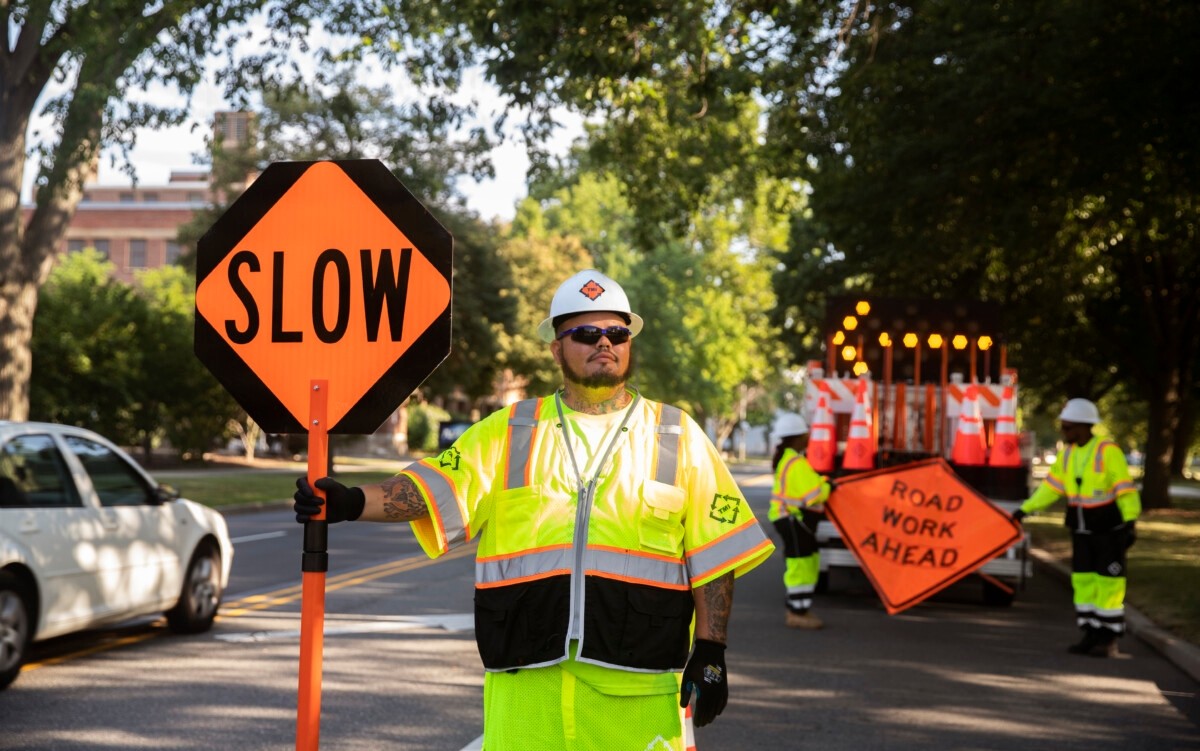
This is especially important in industries such as oil & gas, infrastructure, railway maintenance, and utility construction.
Key Trends Driving the Future of Sustainable Workwear
The future of workwear isn’t just about fabrics anymore. The entire supply chain is evolving.
Circular Manufacturing and Recycling Programs
More companies are introducing circular manufacturing systems where old garments are recycled into new textile products.
Europe is leading this movement.
Under new sustainability regulations, many buyers now prioritize suppliers capable of supporting:
recyclable materials,
reduced packaging waste,
repairable garment construction,
and low-carbon production processes.
Manufacturers that ignore this shift risk becoming obsolete within the next decade.
Smart Functional Workwear
Today’s workers expect more from their uniforms.
Modern sustainable workwear increasingly integrates:
ergonomic design,temperature regulation,stretch mobility,lightweight insulation,and advanced reflective technology.
Think about it like smartphones replacing old flip phones. Workwear is becoming smarter, lighter, and more performance-driven.
, brands can customize fabrics, trims, reflective elements, waterproof levels, embroidery, printing, and functional details based on industry-specific requirements.
ESG Procurement and Brand Transparency
Procurement teams are under pressure.
Large corporations now evaluate suppliers not only on price but also on:
environmental impact,labor compliance,factory transparency,and sustainability certifications.
This is particularly important in European public tenders and industrial contracts.
Many buyers now request:
BSCI compliance,ISO certifications,recycled fabric documentation,and supply chain traceability.
Suppliers that can provide transparent production processes gain a major competitive advantage.
Common Challenges Buyers Face When Sourcing Sustainable Workwear
Sourcing sustainable workwear sounds great on paper.
But in reality, buyers often encounter frustrating roadblocks.
1. High Minimum Order Quantities
Many factories demand massive orders before offering customization.
This creates problems for:
startups,distributors testing new markets,and niche industrial brands.
2. Long Development Cycles
Some manufacturers take months just to produce samples.
Slow development delays market launches and weakens competitiveness.
3. Inconsistent Product Quality
One shipment looks perfect.
The next shipment? Completely different fabric tone or stitching quality.
Consistency is one of the biggest hidden challenges in apparel sourcing.
4. Sustainability Without Practicality
Some eco-friendly garments simply don’t perform well in harsh industrial environments.
Workers care about comfort and protection first. Sustainability only works when performance remains strong.

How UniOuter Helps Brands Build Sustainable Workwear Collections
This is where manufacturing experience becomes critical.
With over 20 years of experience in outdoor and industrial apparel manufacturing, UniOuter About Us
focuses on combining sustainability, functionality, and scalable production for global clients.
Custom Manufacturing Solutions
UniOuter provides customized solutions for:
construction workwear,industrial safety apparel,logistics uniforms,maintenance clothing,and emergency response garments.
Relevant product categories include:
The company supports sustainable fabric sourcing, technical customization, OEM/ODM development, and functional garment engineering.
Flexible Cooperation Policies
One major frustration buyers face is inflexible supplier policies.
UniOuter addresses this with more practical cooperation terms:
Minimum order quantity: 300–500 pieces
Sample development time: 7–14 days
Bulk production lead time: 30–50 days
Sample fee reductions for qualified buyers
Assistance with garment style development
Support for tender and bidding projects
This approach helps brands move faster while reducing sourcing risks.
Design, Sampling, and Tender Support
Many clients don’t just need a factory.
They need a manufacturing partner.
UniOuter assists customers with:
fabric recommendations,functional design optimization,logo applications,technical sampling,and production planning.
For European and North American distributors, this can significantly reduce development pressure while improving product-market fit.
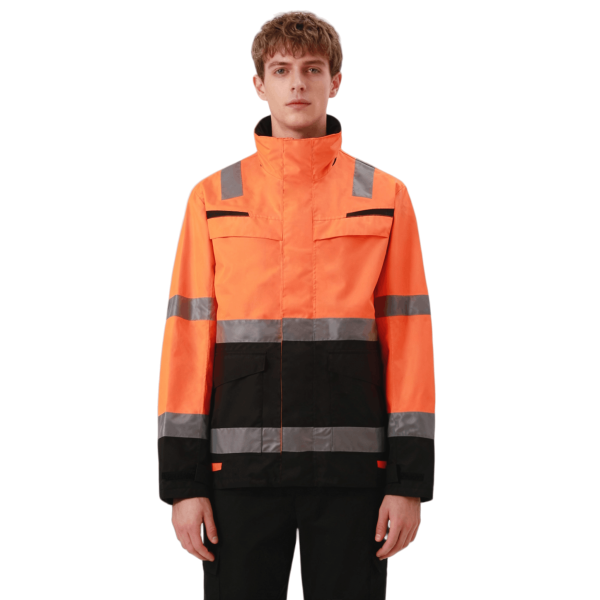
Inherent Flame Retardant Hi-Vis Winter Jacket with removable hood, fiberfur lining in body and quilted lining in sleeves.
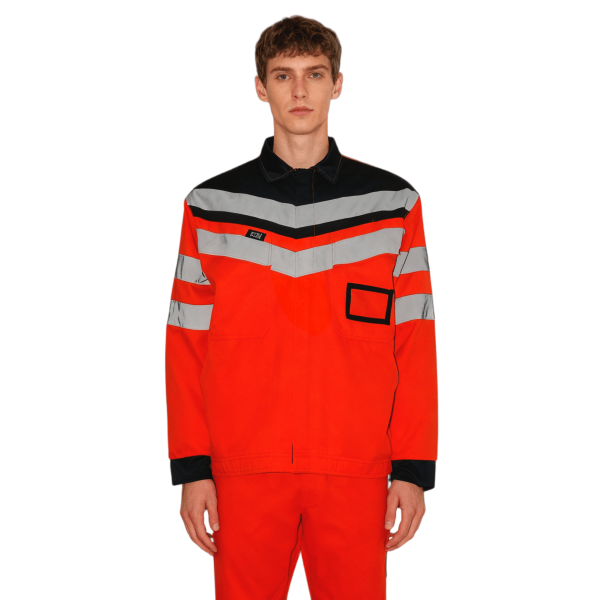
Hi Vis Jackets, Safety Jackets, Reflective Jackets with Pockets for Cold Weather, Waterproof High Vis Rain Coat, Class 3
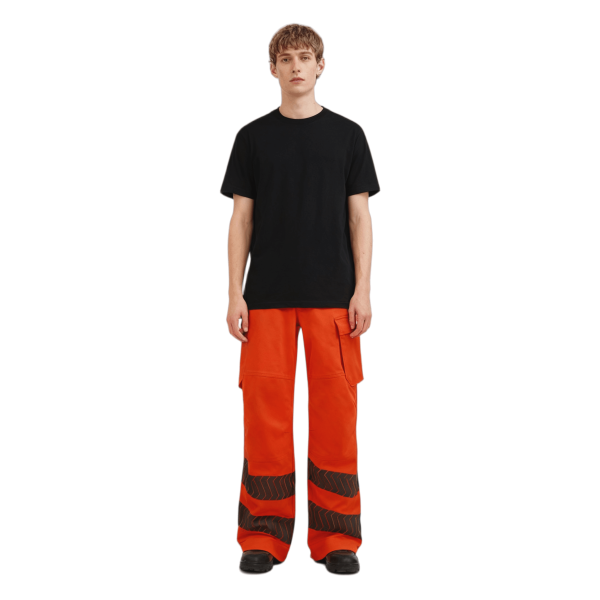
Inherent flame-retardant rail cutting trousers with Barricader fabric for high protection against metal splashes.
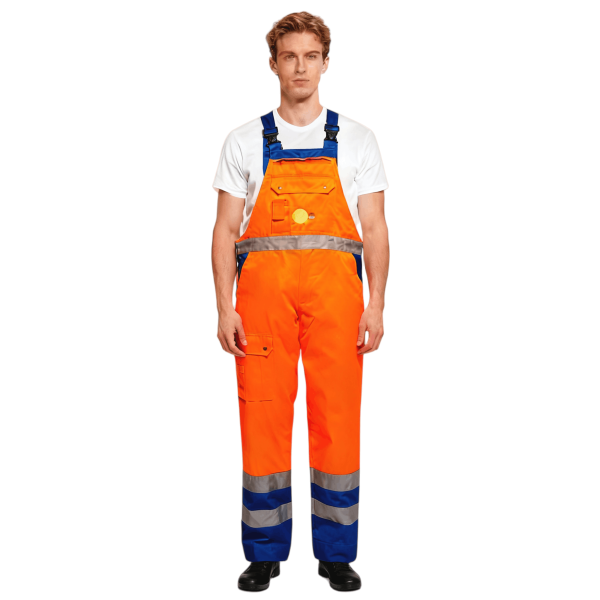
Non-metal, flame-retardant waterproof bib overalls with front zip, thin lining for EN 61482-2 APC 2 electric arc protection.
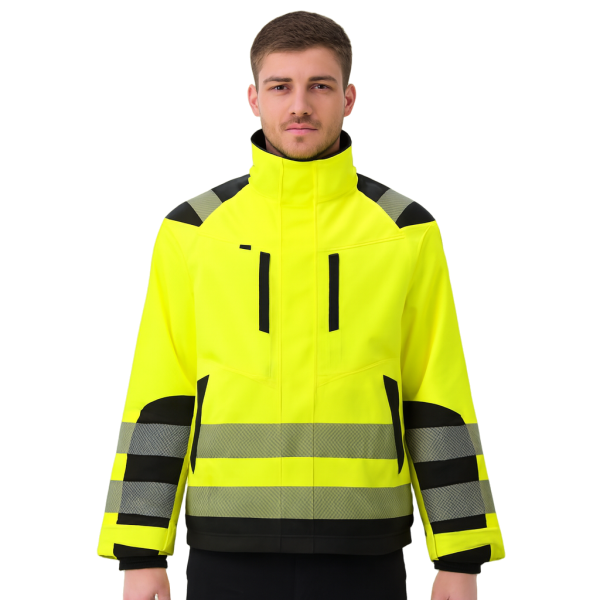
Inherent Flame Retardant Hi-Vis Winter Jacket with removable hood, fiberfur lining in body and quilted lining in sleeves.
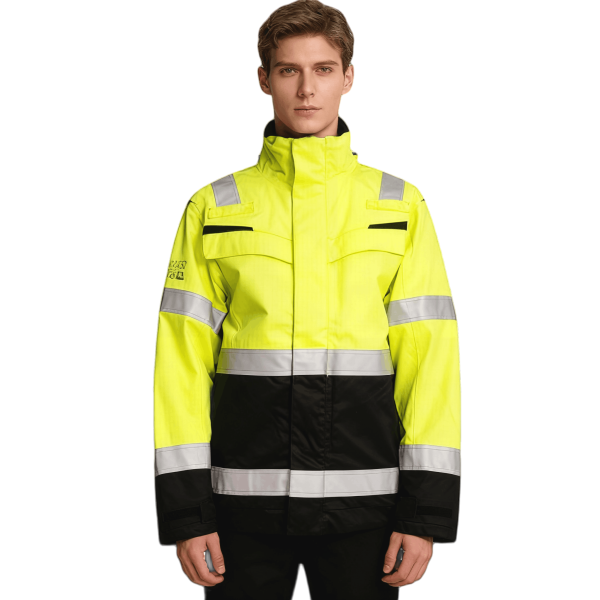
This winter jacket features accessible pockets, a comfortable fit, and durable material for extreme working conditions.
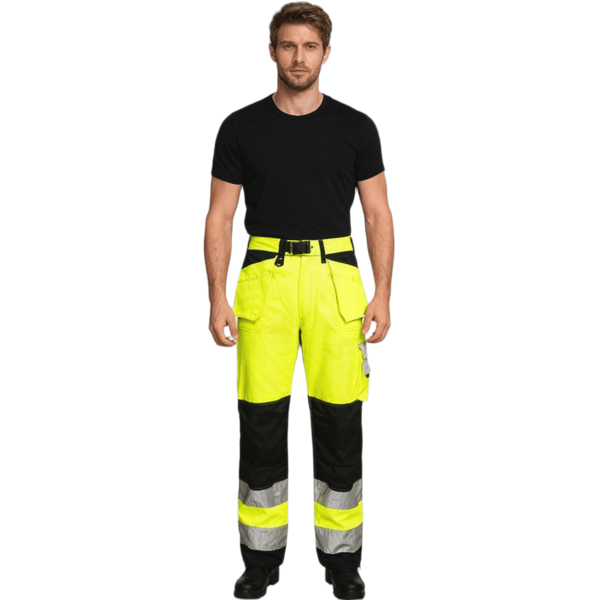
Inherent Flame Retardant Hi-Vis trousers with front in Cantex Weld for high protection against molten metal and heavy welding.
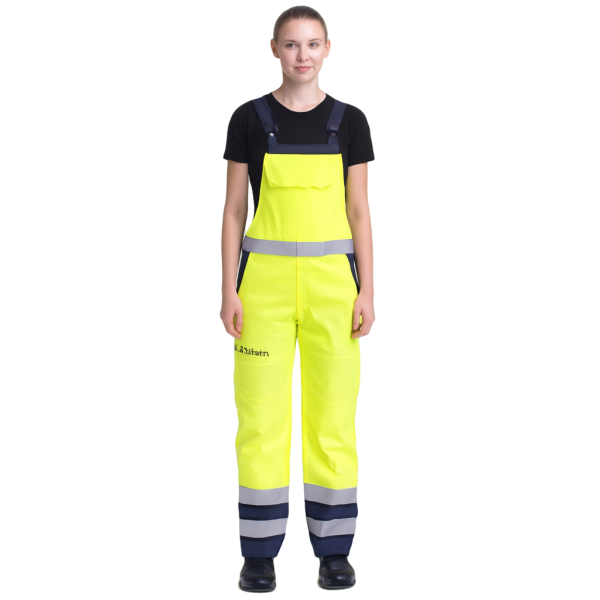
Advanced Hi-Vis bib 'n' brace with fluorescent stretch fabric and 4-way stretch in key areas.
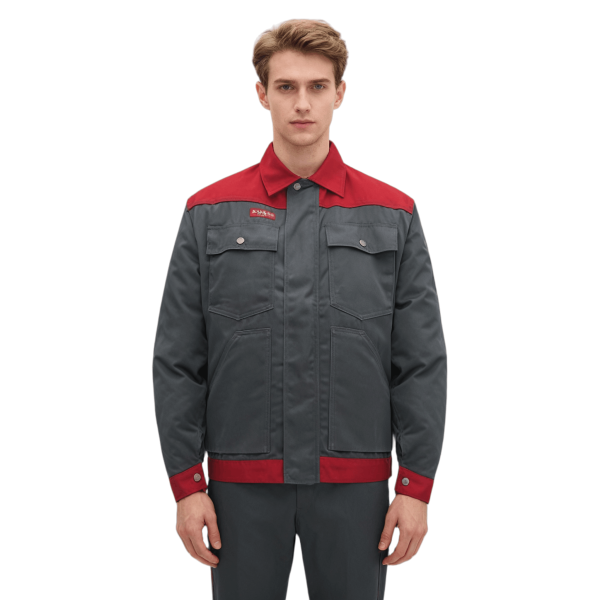
Repair work jacket with multiple pockets, wear-resistant and durable, featuring a fashionable lapel design.
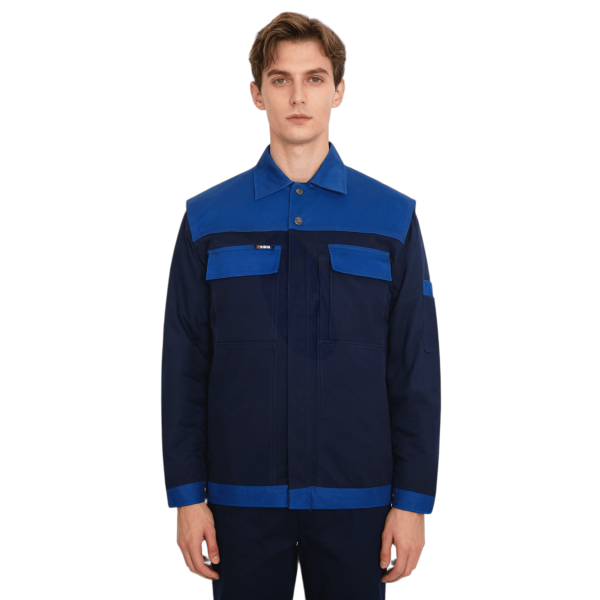
Industrial maintenance jacket with multiple pockets, wear-resistant and damage-proof.

Equipment Maintenance Jumpsuit, with high-visibility safety features, anti-static properties, and practical multiple pockets.
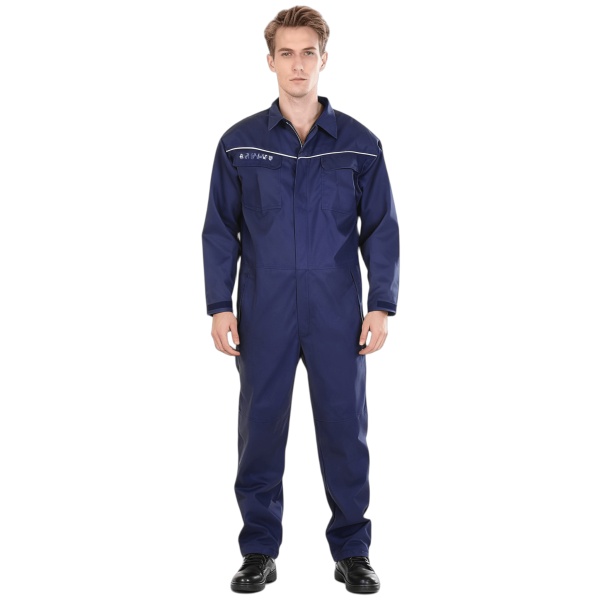
mechanical work Jumpsuit, with convenient multiple pockets, dust-proof and stain-resistant, durable for long-term use.
Conclusion
Sustainable workwear is no longer a niche trend. It’s becoming the new standard.
The companies that succeed in the next decade will be those that combine:
sustainability,functionality,durability,and transparent manufacturing.
But here’s the key takeaway:
Sustainability alone is not enough.
Industrial buyers still demand garments that survive tough environments, protect workers, and maintain cost efficiency.
That’s why experienced manufacturing partners matter more than ever.
As global demand for eco-friendly industrial apparel continues growing, manufacturers capable of delivering reliable quality, flexible customization, and sustainable innovation will shape the future of the workwear industry.
And for brands looking to build long-term competitive advantages, now is the time to invest in sustainable workwear development before the market becomes even more crowded.
FAQs
1. What is the most sustainable material for workwear?
There is no single perfect material. Recycled polyester, organic cotton blends, and durable recycled softshell fabrics are currently among the most practical and widely adopted sustainable workwear options.
2. How can brands reduce costs when sourcing sustainable workwear?
Brands can reduce costs by choosing durable fabrics with longer product life cycles, optimizing order quantities, and partnering with experienced manufacturers that provide integrated sampling and production services.
3. Why is supplier transparency important in sustainable workwear?
Transparent suppliers help brands meet ESG requirements, ensure consistent quality, improve compliance documentation, and reduce sourcing risks in international markets.