The Durability Secrets of Outdoor Apparel: Technical Barriers in Seam Taping, Fabric Coating, and B2B Suppliers
- Share
- Issue Time
- Mar 9,2026
Summary
Discover how seam taping, fabric coatings, and expert manufacturers ensure durability in outdoor apparel and why supplier expertise matters.
Introduction
But here’s the question most buyers never ask:
What actually makes outdoor apparel durable enough to survive real environments?
The answer isn’t just fabric.
Durability is built through a combination of advanced textile engineering, precise manufacturing processes, and experienced B2B suppliers.
Two technologies in particular sit at the heart of performance outdoor clothing:
Seam taping、Fabric coating and lamination
If these processes are poorly executed, even the best fabric can fail in the rain, snow, or extreme environments.
And this is where many outdoor brands run into trouble.
According to industry reports from Textile World, over 30% of waterproof apparel failures are caused by seam leakage rather than fabric defects.
So how do professional outdoor apparel manufacturers overcome these challenges?
Let’s take a closer look at the technical barriers behind durable outdoor clothing — and how experienced manufacturers like Uniouter help brands solve them.
Why Durability Is the Ultimate Benchmark in Outdoor Apparel
In regular fashion, durability is nice to have.
In outdoor apparel, it’s non-negotiable.
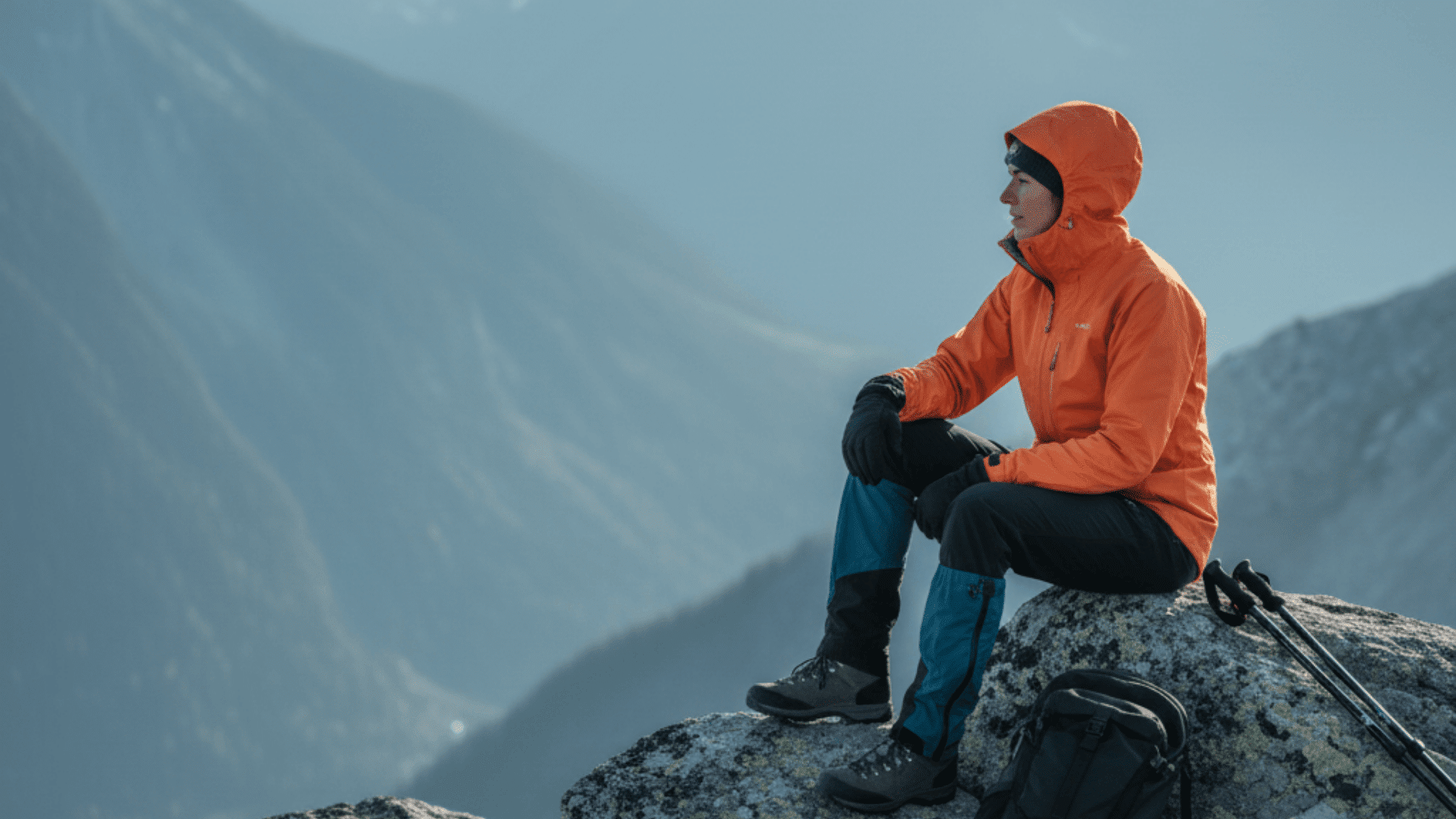
Think about where these garments are used:
high-altitude hiking、winter mountaineering、hunting and fishing environments、construction and industrial sites
These environments push clothing to its limits.
According to Grand View Research, durability and weather protection are the top two purchase factors for more than 68% of outdoor apparel consumers worldwide.
But here’s the tricky part: durability doesn’t come from one component.
It comes from a system that includes:
| Component | Role |
| Technical fabrics | Waterproof, breathable protection |
| Seam construction | Prevents water penetration |
| Coatings and membranes | Adds weather resistance |
Reinforced stitching | Improves structural strength |
Without proper manufacturing expertise, even premium materials can fail.
That’s why outdoor brands carefully choose experienced manufacturing partners.
With over 20 years of experience producing technical outdoor clothing, Uniouter understands how durability is engineered from the inside out.
Seam Taping Technology — The Invisible Shield of Waterproof Performance
Imagine drilling tiny holes in a raincoat.
That’s essentially what happens when you sew a garment.
Every needle creates microscopic openings where water can seep in.
This is why seam taping is essential in waterproof apparel.
How Seam Taping Works
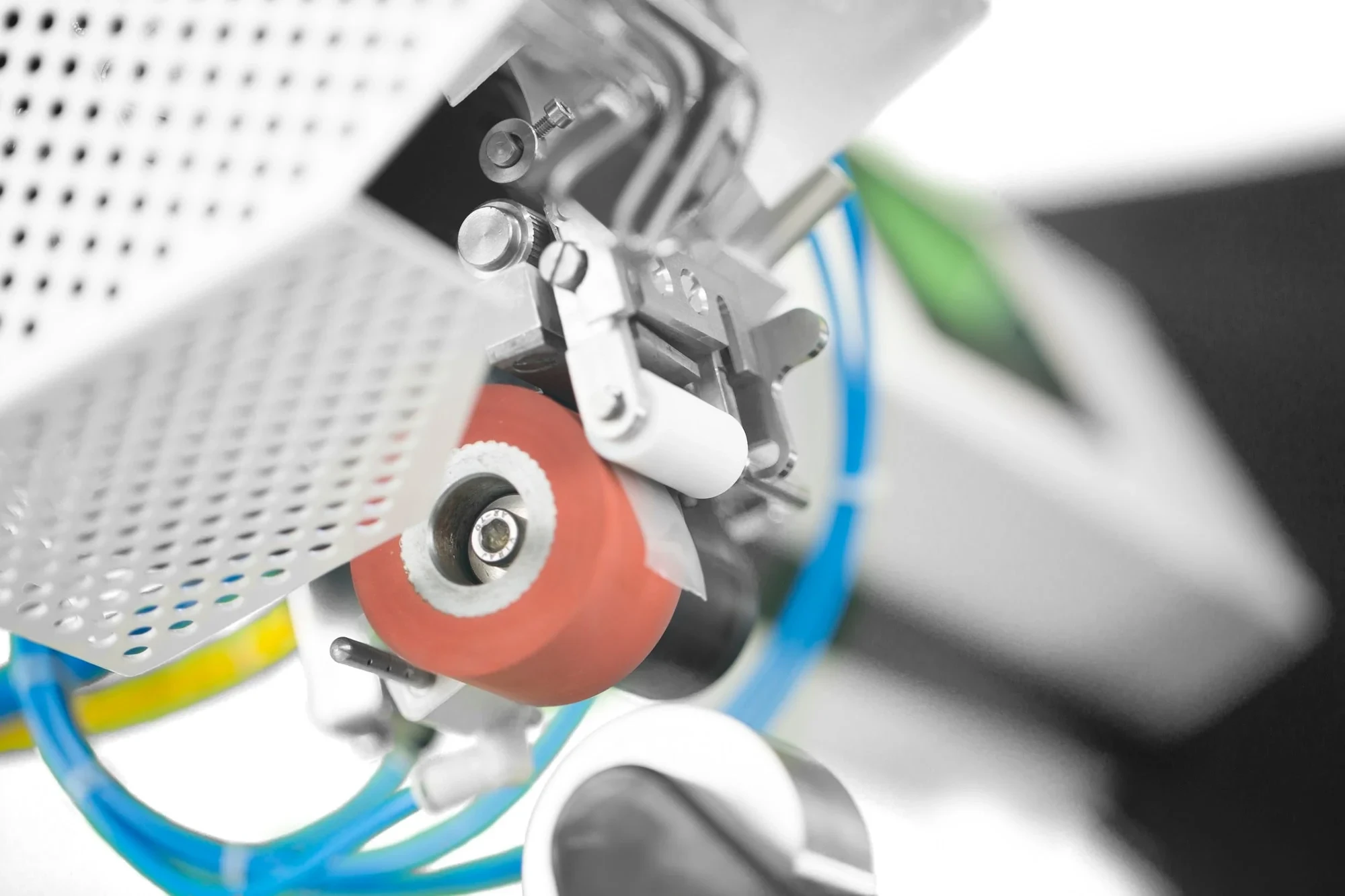
After garments are sewn, a specialized waterproof tape is applied over seams using heat and pressure machines.
This process seals the needle holes and restores waterproof integrity.
Typical seam tape materials include:
PU seam tape、PVC seam tape、3-layer breathable seam tape
When applied correctly, seam taping allows jackets to achieve waterproof ratings of 10,000mm–20,000mm hydrostatic pressure or higher.
But the process is extremely sensitive.
If temperature, pressure, or timing are incorrect, problems appear such as:
tape peeling、seam leakage、fabric damage
According to Apparel Resources, nearly 40% of seam tape failures occur due to improper bonding during production.
That’s why experienced factories invest heavily in precision seam sealing equipment and technician training.
This technology is especially critical in products like:
Where garments must withstand heavy rain, snow, and extreme weather
Fabric Coating & Lamination — The Science Behind Weather Resistance
Seam taping protects stitch lines.
But what about the fabric itself?
That’s where coating and lamination technologies come into play.
These processes transform ordinary textiles into high-performance weatherproof fabrics.
Common Fabric Technologies in Outdoor Apparel
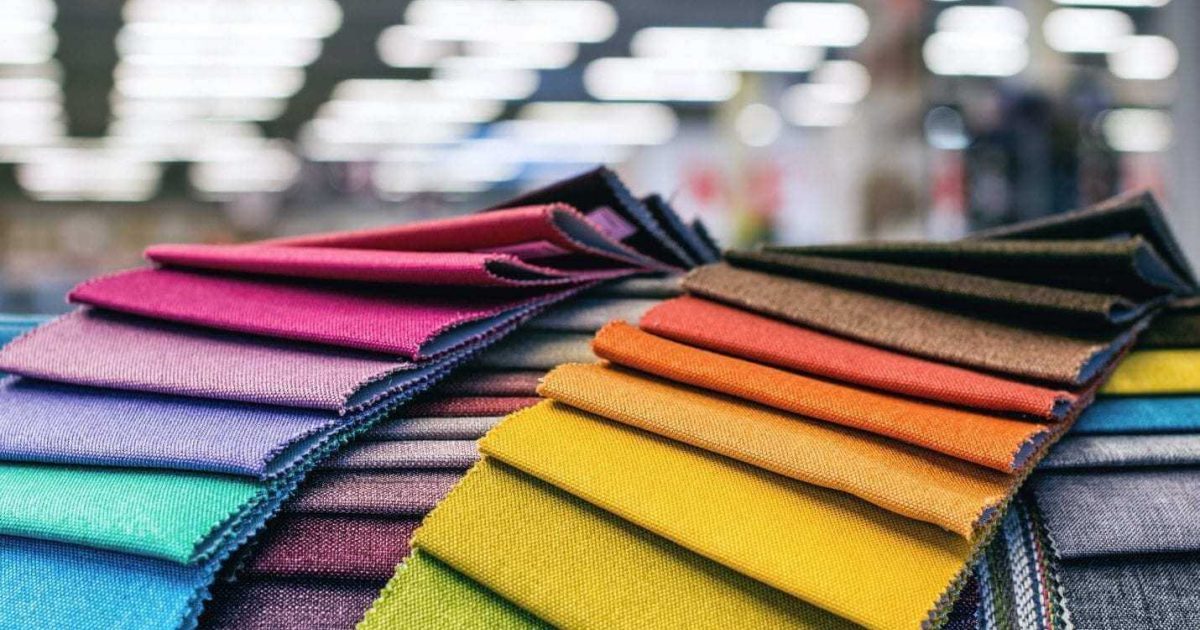
PU Coating
Polyurethane coating adds waterproof protection to fabrics while maintaining flexibility.
Commonly used in lightweight outdoor jackets.
Membrane Lamination
High-performance fabrics often include laminated membranes that allow vapor to escape while blocking water.
These fabrics achieve the classic outdoor balance of:
waterproof + breathable
DWR (Durable Water Repellent)
DWR finishes cause water droplets to bead and roll off the fabric surface.
According to Outdoor Industry Research, modern DWR treatments can improve water resistance by up to 80% in light rain conditions.
But fabric technology isn’t only about weather protection.
Different applications require different durability levels.
For example:
often prioritizes comfort and breathability.
Meanwhile:
requires stronger abrasion resistance and weather durability.
Choosing the right fabric system is a critical design decision for outdoor brands.
Why Many Outdoor Apparel Suppliers Struggle With Technical Production
Here’s something many brands discover too late:
Not all clothing factories can produce technical outdoor apparel.
The barriers to entry are surprisingly high.
1. Specialized Machinery
Technical garments require equipment such as:
seam sealing machines、waterproof testing chambers、laser cutting systems
Without these tools, production quality becomes inconsistent.
2. Skilled Technical Staff
Outdoor apparel construction involves:
multi-layer fabrics、reinforced seam structures、ergonomic pattern design
Training technicians to master these techniques takes years.
3. Quality Control Standards
High-performance garments require strict inspection processes, including:
waterproof testing、seam strength testing、abrasion resistance evaluation
According to global sourcing data, factories lacking proper QC systems experience defect rates up to 3 times higher than specialized outdoor manufacturers.
For workwear and industrial clothing — such as:
technical reliability is even more critical.
How Professional Manufacturers Like Uniouter Overcome These Technical Barriers
For outdoor brands, the solution is simple in theory but difficult in practice:
partner with experienced technical apparel manufacturers.
At Uniouter, durability is engineered through an integrated production system that includes:
Advanced Production Technology
Our factories use specialized equipment for:
seam taping、waterproof garment construction、technical fabric processing
Strict Material Selection
Our sourcing team evaluates fabrics based on:
waterproof ratings、abrasion resistance、breathability performance
This ensures garments meet real outdoor conditions.
Custom Development Services
Through our outdoor apparel customization service, brands can develop specialized garments tailored to their markets
We support projects ranging from outdoor jackets to industrial uniforms.
For example:
These garments require both durability and functional design.
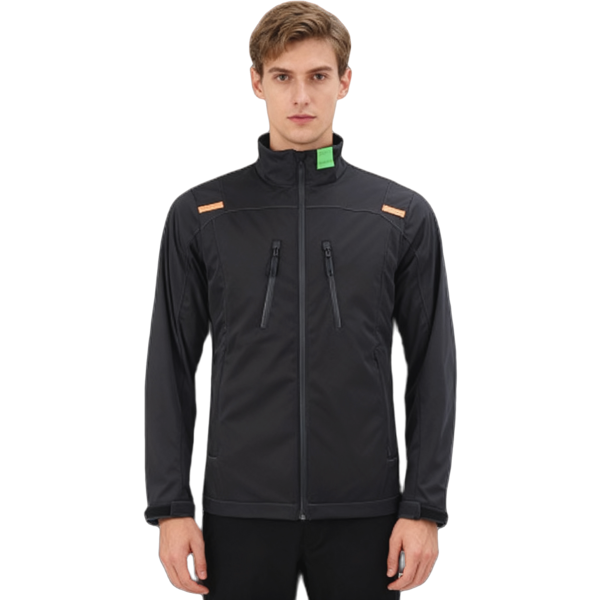
Custom Waterproof Fishing Jacket with Fully Sealed Seams. OEM & ODM services available for superior comfort and breathability.
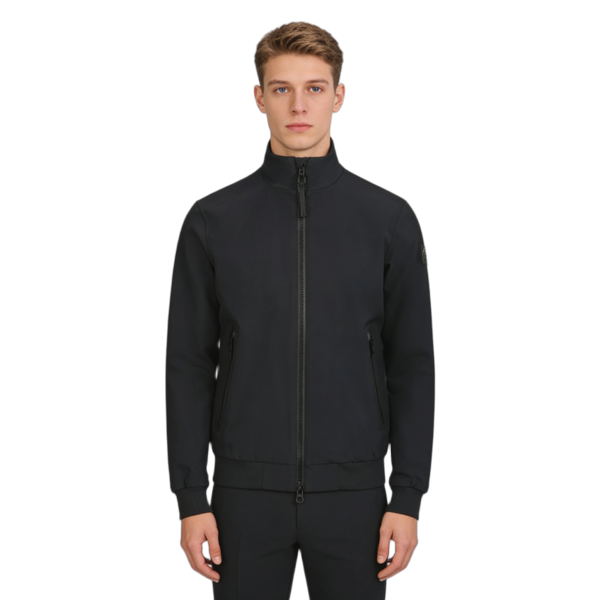
Breathable Lightweight Commuter Jacket – Practical for Daily Wear and Short Outdoor Trips, Available for Bulk Orders.
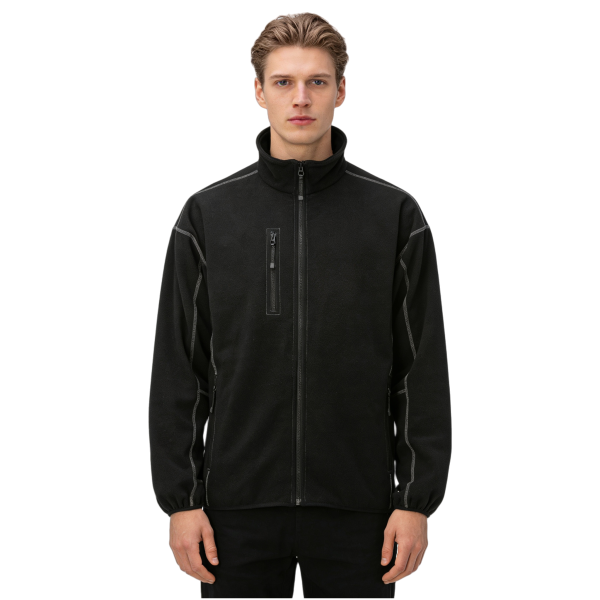
Lightweight Windbreaker Hiking Jacket – Easy to Pack and Carry, Perfect for Outdoor Treks.
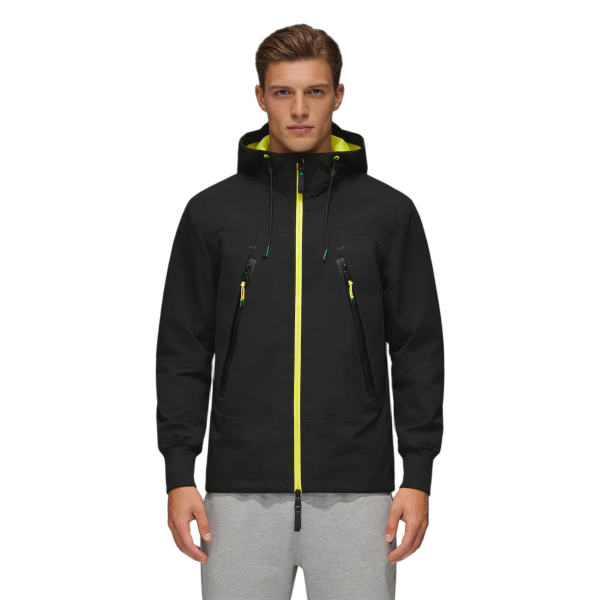
Hiking windproof jacket, adjustable hat, waterproof zipper, elastic cuffs, high-performance fabric, lightweight, warm
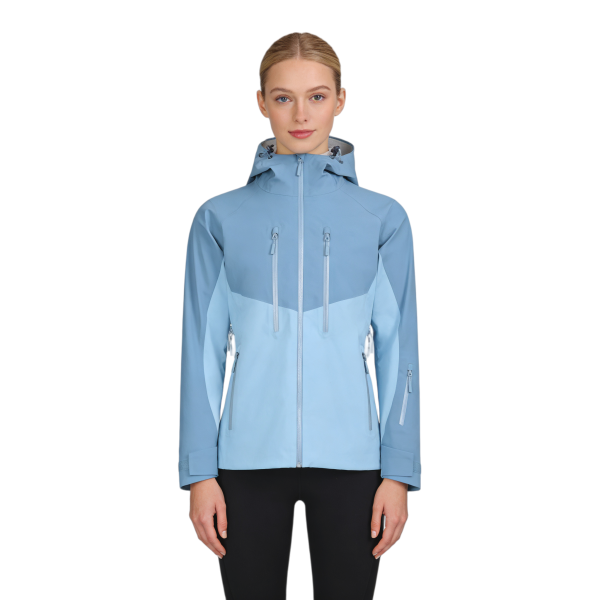
Women's Hiking Jacket – Windproof & Waterproof, Fitted with a Hood, Balancing Style and Functionality.
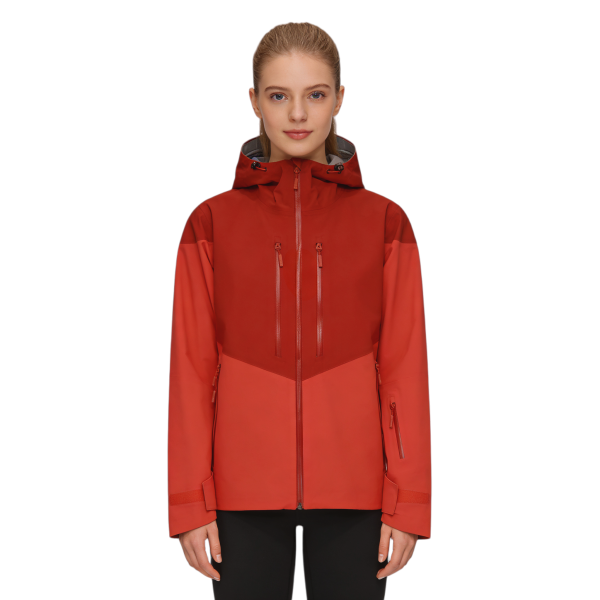
Women's waterproof jacket, combines fashion and function, tailored fit, ideal for adventures and daily wear.
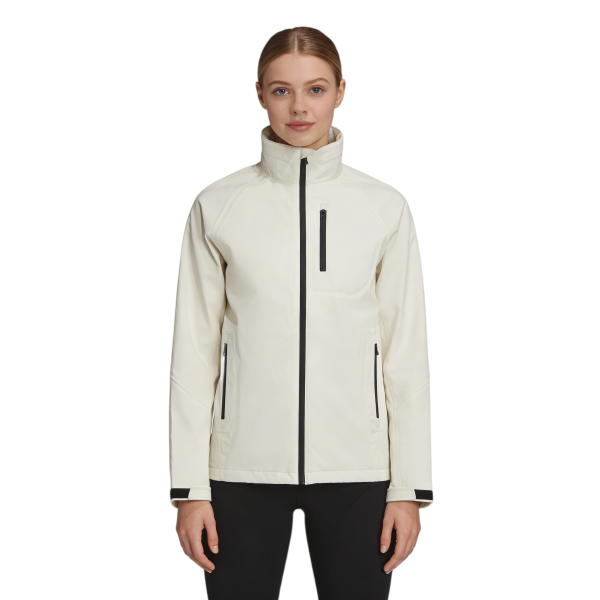
All-Purpose Outdoor Jacket – Combines Waterproof & Windproof Protection, Also Great for City Wear.
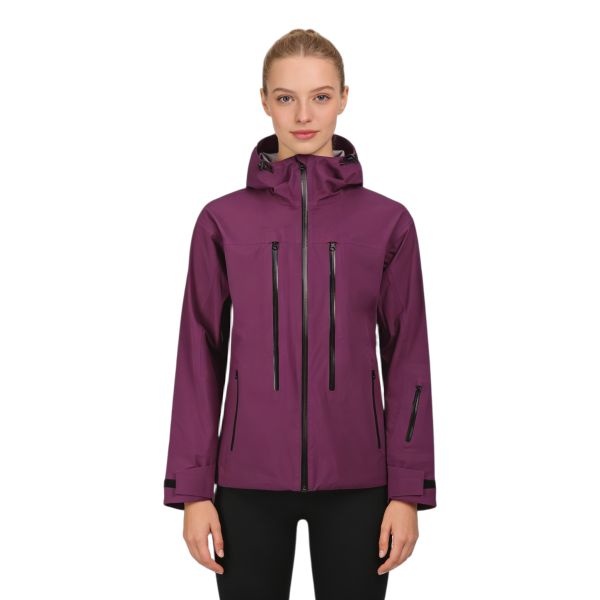
Women's waterproof hiking jacket, blends function and fashion , supports OEM customization, ideal for outdoor enthusiasts.
Conclusion
Outdoor apparel durability isn’t magic.
It’s the result of advanced textile technology, precise manufacturing processes, and experienced suppliers.
Behind every reliable outdoor jacket are critical technical elements:
seam taping that seals every needle hole
fabric coatings and membranes that repel harsh weather
skilled manufacturing teams that ensure consistent quality
But these technologies create high technical barriers that many apparel factories simply cannot overcome.
For outdoor brands that want reliable performance and long-lasting products, partnering with experienced manufacturers like Uniouter provides the expertise needed to turn technical designs into durable garments.
Because in the outdoor industry, durability isn’t just a feature.
It’s the foundation of your brand reputation.
FAQs
1. Why is seam taping necessary in waterproof jackets?
Seam taping seals needle holes created during sewing, preventing water from leaking through seams.
2. What fabrics are best for durable outdoor apparel?
Common choices include laminated nylon, polyester softshell fabrics, ripstop fabrics, and coated waterproof textiles.
3. How can brands ensure consistent outdoor apparel quality?
By working with experienced manufacturers, selecting high-performance fabrics, and implementing strict quality control during production.