The Evolution of the Global Outdoor Apparel Market — Is Your Supply Chain Keeping Pace?
- Share
- Issue Time
- Mar 6,2026
Summary
Explore how outdoor apparel evolved from performance gear to lifestyle fashion and why supply chain flexibility is critical for brands today.
Introduction
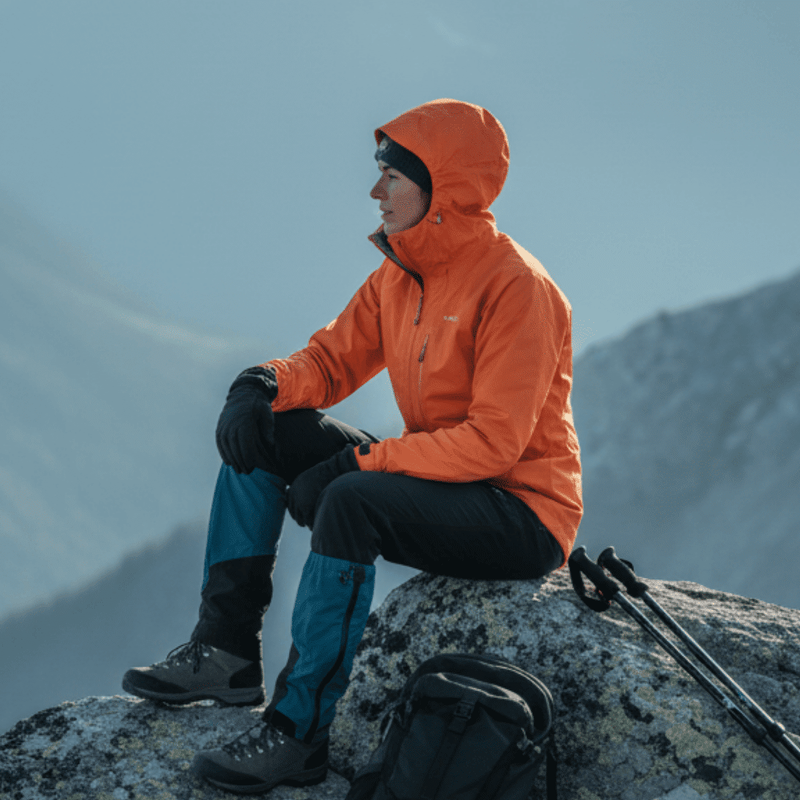
Hikers needed waterproof jackets. Mountaineers needed insulated layers. Fishermen wanted durable gear. Function came first, and style was often an afterthought.
But fast forward to today, and the outdoor apparel industry looks completely different.
Outdoor clothing is no longer limited to mountains or forests. You’ll see it in city streets, tech offices, airports, and coffee shops. People wear softshell jackets on their commute, hiking pants at work, and performance fabrics in everyday life.
According to Grand View Research, the global outdoor apparel market surpassed $35 billion in 2024 and is expected to reach over $60 billion by 2030, growing at a CAGR of around 7%.
So what changed?
Outdoor apparel has evolved from pure functionality to functional fashion. And this shift has dramatically reshaped the entire supply chain.
For outdoor brands and distributors, the big question is no longer just “Can your product perform outdoors?”
It’s now also:
“Can your supply chain keep up with rapidly changing consumer expectations?”
Let’s break it down.
The Outdoor Apparel Market Is Changing Faster Than Ever
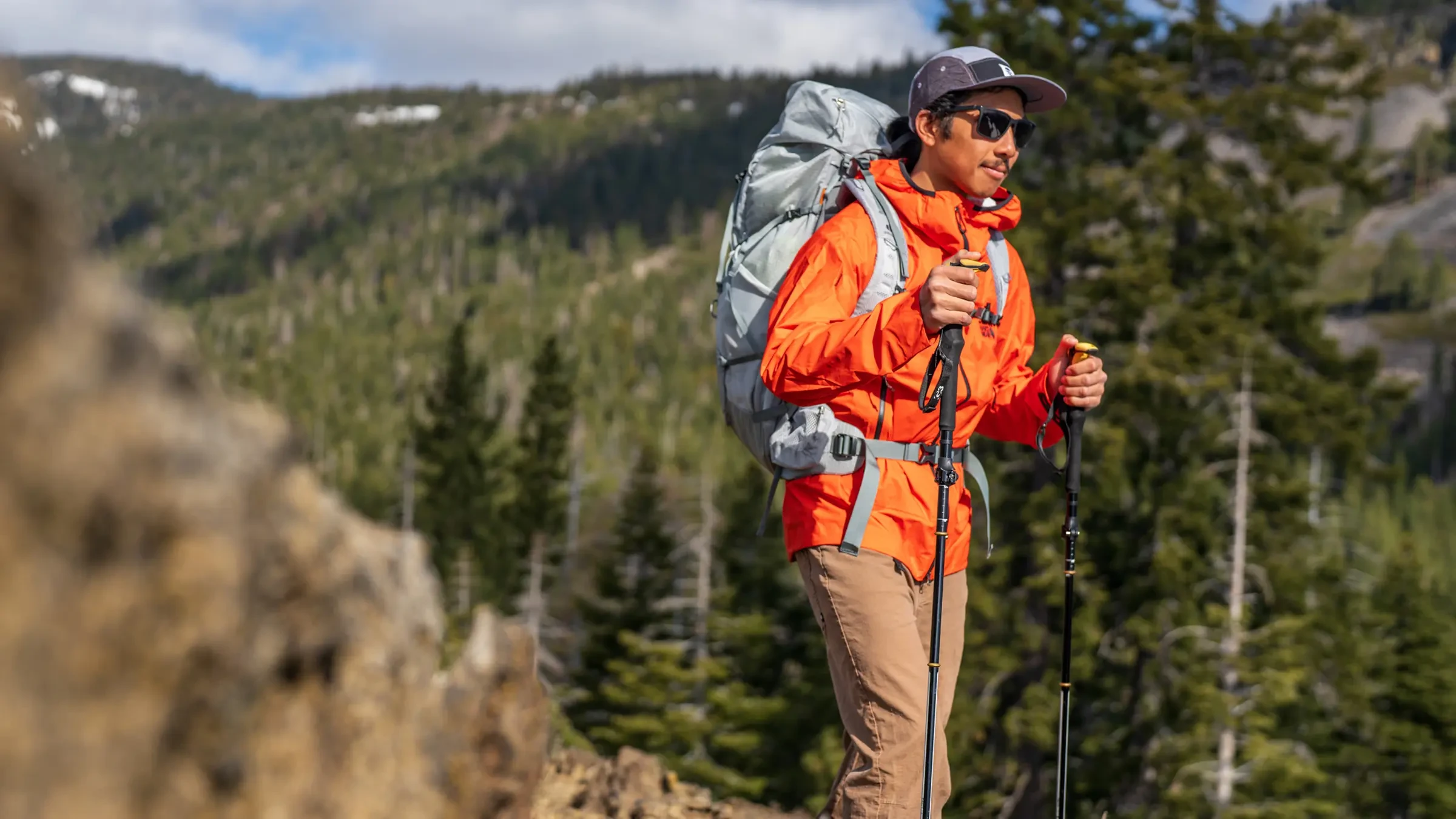
The outdoor industry used to be niche. Today, it’s mainstream.
Three major trends are driving this transformation.
1. The Rise of the “Outdoor Lifestyle”
Outdoor activities are booming globally.
According to the Outdoor Industry Association, over 168 million Americans participated in outdoor recreation in 2023, representing nearly 55% of the U.S. population.
Meanwhile, Europe has seen a similar surge, especially in activities like:
hiking、camping、cycling、fishing、trail running
But here’s the interesting part: people don’t just wear outdoor gear during activities anymore.
They wear it every day.
This trend — often called “Outdoor Lifestyle Wear” — has pushed brands to design clothing that performs outdoors but also looks stylish in urban settings.
That’s why categories like:
have become one of the fastest-growing segments in the industry.
2. Technical Fabrics Are Becoming Everyday Materials
Another major shift is the mainstream adoption of performance fabrics.
Materials once reserved for mountaineering gear are now used in daily apparel, including:
softshell fabrics、stretch nylon、waterproof laminates、breathable membranes
According to Textile Exchange, the use of technical performance fabrics in lifestyle apparel has grown more than 40% over the past decade.
Consumers now expect clothing to be:
breathable、lightweight、water-resistant、durable
Even if they’re just commuting to work.
From Pure Function to Lifestyle Fashion — What Consumers Really Want Today
Here’s the big shift: performance alone is no longer enough.
Consumers now expect outdoor clothing to deliver three things at the same time:
| Requirement | Description |
| Performance | Weather protection, durability |
| Comfort | Lightweight fabrics and ergonomic design |
| Style | Modern silhouettes and fashionable colors |
This trend has given rise to what many industry experts call “Outdoor Fashion Hybrid”.
Think about brands like Arc’teryx or Patagonia. Their jackets are just as likely to appear in city cafes as mountain trails.
But this creates a challenge for apparel brands.
Design complexity increases dramatically.
A modern outdoor jacket might involve:
multiple technical fabrics、ergonomic pattern cutting、waterproof seam sealing、stylish trims and hardware
Without the right manufacturing partner, maintaining consistency becomes extremely difficult.
For brands developing technical products like:
this complexity is even higher.
The Hidden Supply Chain Challenges Behind Modern Outdoor Apparel
While consumers see sleek jackets and stylish hiking pants, the real battle happens behind the scenes — in the supply chain.
Here are three common challenges brands face.
1. Small Batch Customization
Outdoor brands increasingly demand:
custom fabrics、unique trims、private label production
But many traditional factories prefer large, standardized orders.
This mismatch creates delays and higher costs.
According to McKinsey’s fashion supply chain report, brands that cannot support flexible manufacturing lose up to 30% of potential product opportunities.
2. Technical Production Requirements
Outdoor apparel is far more complicated than regular fashion garments.
Production may involve:
waterproof seam taping、laser cutting、reinforced stitching、abrasion-resistant fabrics
Each process requires specialized machinery and trained technicians.
For industries such as:
quality standards are even stricter.
3. Supply Chain Speed
Fashion cycles are accelerating.
Brands now launch multiple product drops each year, sometimes every quarter.
According to Deloitte retail research, the average product development cycle in apparel has shortened by over 35% in the past decade.
Slow supply chains simply cannot keep up.
How Smart Brands Adapt: Building a Flexible Outdoor Apparel Supply Chain
So how do successful outdoor brands stay competitive?
They rethink their manufacturing partnerships.
Instead of working with factories that only provide sewing services, modern brands look for full-service development partners.
These partners help with:
fabric sourcing、prototype development、technical design、quality control、scalable production
This is where custom manufacturing services become essential.
Brands that partner with experienced manufacturers can move much faster from concept to market.
For example, companies often develop specialized uniforms or gear through custom outdoor apparel manufacturing services:
This allows brands to maintain flexibility while ensuring consistent quality.
How Uniouter Helps Brands Keep Up With the New Outdoor Apparel Era
In a rapidly evolving industry, experience matters.
Uniouter has spent over 20 years specializing in outdoor apparel manufacturing, serving brands across North America, Europe, and global markets.
What sets Uniouter apart is our ability to support both performance and lifestyle outdoor apparel.
Our production capabilities include:
technical outdoor jackets、commuter outdoor clothing、hunting and fishing gear、industrial workwear、logistics and maintenance uniforms
For example:
Our development team works closely with brands during every stage of the product lifecycle, including:
design consultation、technical sampling、material sourcing、quality control
This integrated approach helps brands reduce development risks and accelerate market launches.
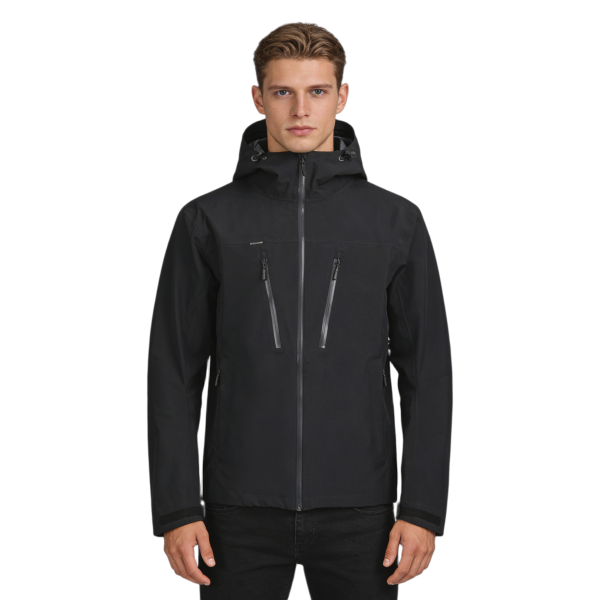
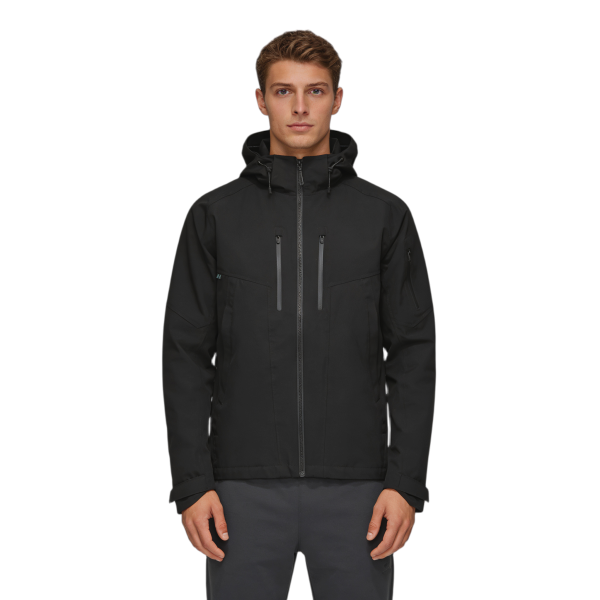
3-Layer Mountaineering Jacket – Enhanced Wind & Water Resistance, Ideal for Plateau and Mountain Wear.
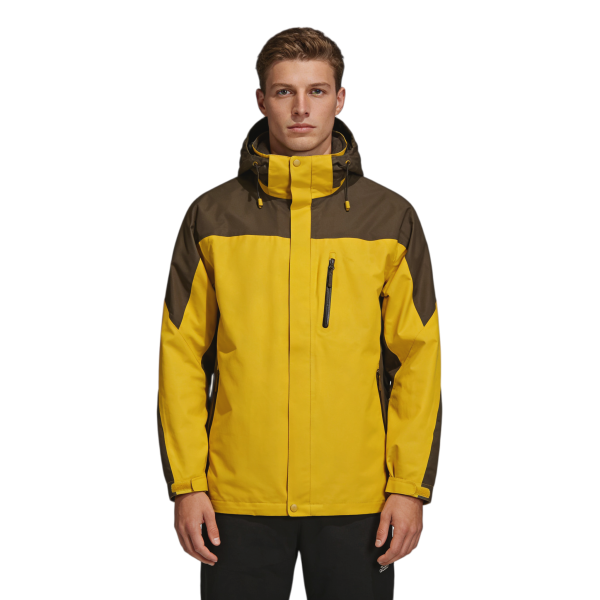
Breathable, Durable Commuter Jacket – All-Day Comfort and Customization for Bulk Orders.
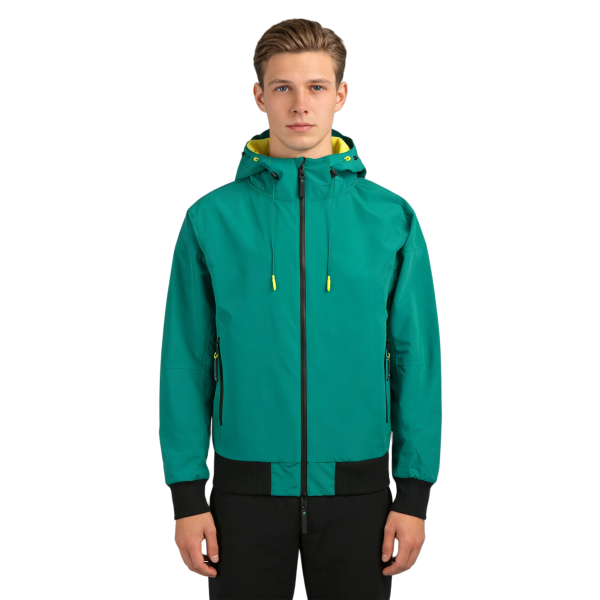
Windproof mountain coat, waterproof fabric, elastic cuffs, detachable hat, tailored fit, ideal for outdoor adventures.
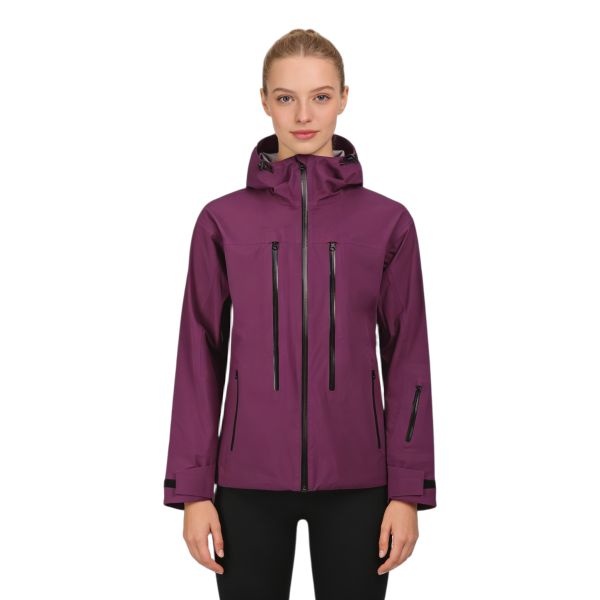
Waterproof mountain jacket with high-tech fabric, tailored fit, supports wholesale, ideal for outdoor adventures.
Women's waterproof hiking jacket, blends function and fashion , supports OEM customization, ideal for outdoor enthusiasts.
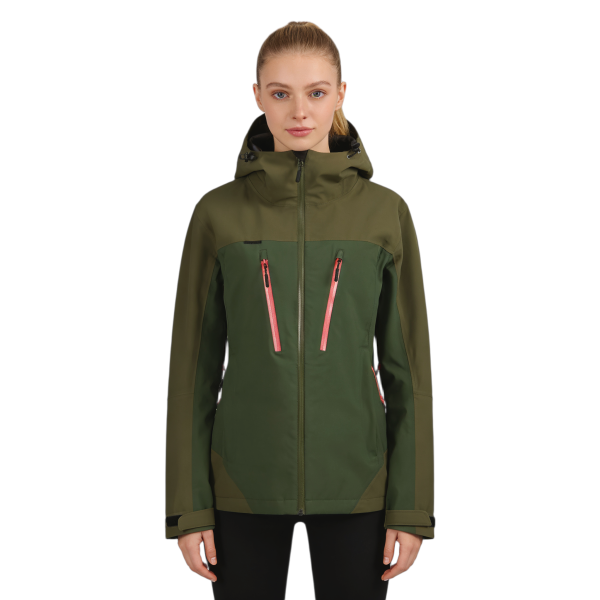
Women's slim-fit hiking jacket, waterproof and windproof, adjustable hat, slim-fit tailoring, highlights female charm.
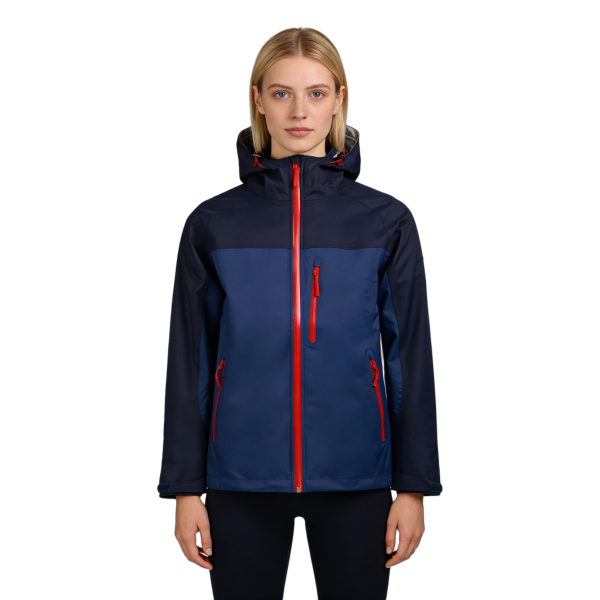
Hiking rainproof jacket, high-performance fabric, adjustable hat, waterproof zipper, keeps you dry and comfortable.
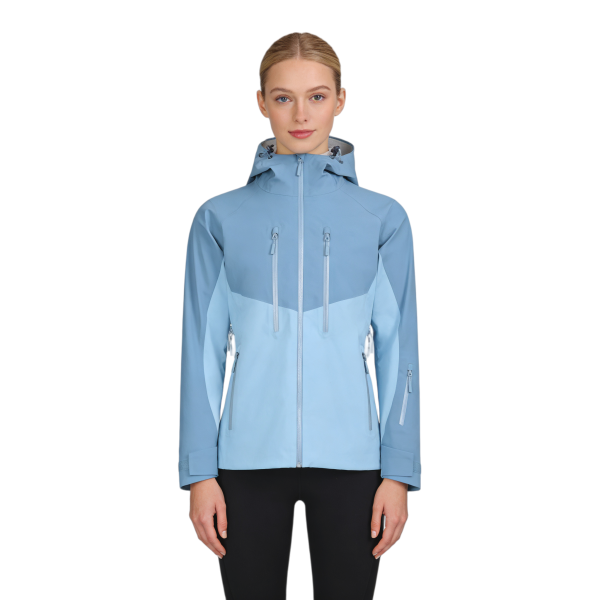
Women's Hiking Jacket – Windproof & Waterproof, Fitted with a Hood, Balancing Style and Functionality.
Conclusion
The outdoor apparel industry is no longer just about survival in the wilderness.
It’s about blending performance with lifestyle fashion.
Consumers expect clothing that works on the trail and looks great in the city. That means brands must balance:
advanced materials、functional design、modern aesthetics
But behind every successful outdoor product is a supply chain capable of delivering speed, quality, and flexibility.
If your manufacturing partners can’t keep up, even the best product ideas may never reach the market.
That’s why choosing the right development and production partner — like Uniouter — can make the difference between slow growth and global expansion.
FAQs
1. Why is outdoor apparel becoming more fashionable?
Consumers now use outdoor clothing in everyday life, creating demand for stylish yet functional apparel.
2. What fabrics are most common in modern outdoor apparel?
Softshell fabrics, waterproof laminates, stretch nylon, recycled polyester, and breathable membranes are widely used.
3. How can brands ensure consistent quality in outdoor apparel production?
Partnering with experienced manufacturers, using technical testing, and implementing strict quality control systems are essential.