The Zipper Is the Second Leak: Specifying Zipper Systems for Waterproof Shells
- Share
- publisher
- UniOuter
- Issue Time
- Nov 18,2026
Summary
After seams, the front zip is the biggest leak path in a shell. Zipper type, storm flap, garage and pullers decide it.
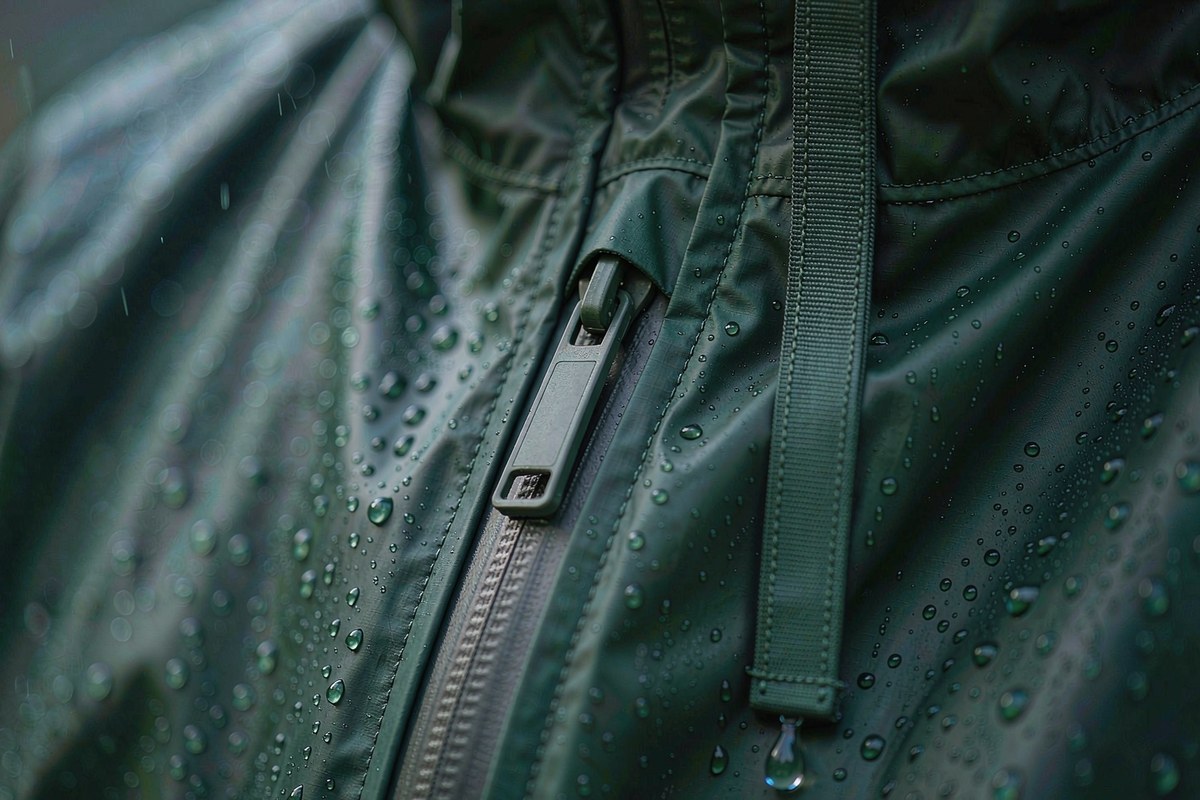
Seams get taped, hoods get engineered - and then a jacket leaks through the front zip. After the seam, the zipper is the largest and most used water path on a shell: thousands of open-close cycles, a slider that wears, a flap that misaligns, a puller nobody can grip with gloves. This briefing covers the zipper constructions that actually keep water out, the hardware decisions that decide daily usability, and the specification lines that belong in a shell tech pack.
Quick Answer: The front zipper is the second-biggest leak path in a waterproof shell after the seams, because it is a moving joint across the highest-exposure line on the body. Above 10,000 mm, specify a laminated or PU-coated coil zipper on the main closure backed by an internal storm flap with a drain-friendly fold; below that, a good storm flap over a standard coil is usually enough. Add a zipper garage at the chin, an auto-lock slider, a glove-friendly puller, and two-way hardware only where a use case justifies it. Validate with a reciprocating slider test, a water-spray test on the closed zip, and a finished-garment rain run - a zipper is a wear part, and its waterproof claim is only as good as its cycle life.
For production-ready programmes, see UniOuter's custom hiking and mountaineering apparel line, or read about our factory's zipper installation, seam-sealing and waterproof testing capability.
A zipper is the only component on a shell that opens and closes thousands of times while sitting across the body's most exposed vertical line. The seam tape never moves; the hood adjusts rarely. The front zip flexes with every breath, every pack strap, every climb. That is why zipper complaints rarely appear in the sample review and almost always appear in the second month of wear - the specification was fine on day one, and the construction was never designed for year one. What follows is the zipper side of waterproof shell development: the constructions, the hardware, and the tests that catch problems before bulk.
Which zipper constructions actually keep water out?
There is no single 'waterproof zipper'. There are four constructions with different performance, cost and wear characteristics, and the right choice follows the garment's claim - not the hardware catalogue.
| Construction | How it seals | Typical programme | Where it fails |
|---|---|---|---|
| Standard coil + storm flap | Nothing on the zip itself - an internal fabric flap shields the closure | Casual rainwear and commuters, 5,000-10,000 mm | Flap shifts in wind; wet-out wicks along exposed tape |
| Water-repellent coated tape | A DWR-style coating on the tape slows wet-out, flap still required | Mid-range hiking shells, 10,000-15,000 mm | Coating abrades with use and washes out; performance fades silently |
| Laminated / PU-fused tape | Film fused over the coil closes the tape completely | Technical shells, ski and alpine, 15,000 mm and above | Laminate cracks at tight fold radius or delaminates at the ends |
| Fully waterproof (splash-proof) zip | Interlocking profiles instead of teeth - no needle line on the element | Dry suits, marine, premium alpine | Cost, stiffness, two-handed operation, repair scarcity |
The practical rule mirrors the seam logic. A storm flap over a standard coil is a legitimate construction below 10,000 mm, but the flap must be a real flap - a fold of shell fabric on a defined width, not a strip of lining. Laminated tape earns its cost on technical programmes, and it introduces two new failure modes: cracking where the tape folds around the top stop, and delamination at the cut ends if they are not properly finished. Both are quality-control items, not design items, and both are caught by opening ten production units and inspecting the folds under a lamp.
What does a storm flap do, and why does geometry decide it?
A storm flap works by making water change direction twice before it reaches the zipper line. The details that matter are all geometric, and all of them are cheap to specify.
Which zipper hardware decisions do users feel every day?
Hardware is where waterproofing meets usability, and where a lot of value is quietly won or lost. These are the five decisions worth making explicitly.

The same zipper in two factories can behave differently, because the failure lives in the sewing: uneven tape tension makes the zip wave, a flap sewn with a raw edge rolls open at the top, and a laminated tape pierced by an unnecessary basting stitch becomes a permanent pinhole line along the chest. The installation sequence matters - attach, fold, topstitch, then bar-tack the base of the garage and the hem of the flap - and each step should be photographed in the factory's standard file. The audit question is not which zipper you bought, but whether the line has a zipper station standard and whether anyone inspects the fold radius on laminated tape before sewing.
The seam is where waterproofing is built. The zipper is where it is used up - one cycle at a time.
UniOuter technical notes, closure systems, autumn 2026How do you test a zipper system before bulk production?
Zipper claims are verified on hardware and on the garment. The minimum set worth requiring from a supplier covers both, plus the wear dimension that most documentation omits.
- Reciprocating slider endurance - run the slider through several thousand open-close cycles and re-check locking force. A slider that holds on cycle 100 and slips on cycle 2,000 is a warranty schedule, not a specification.
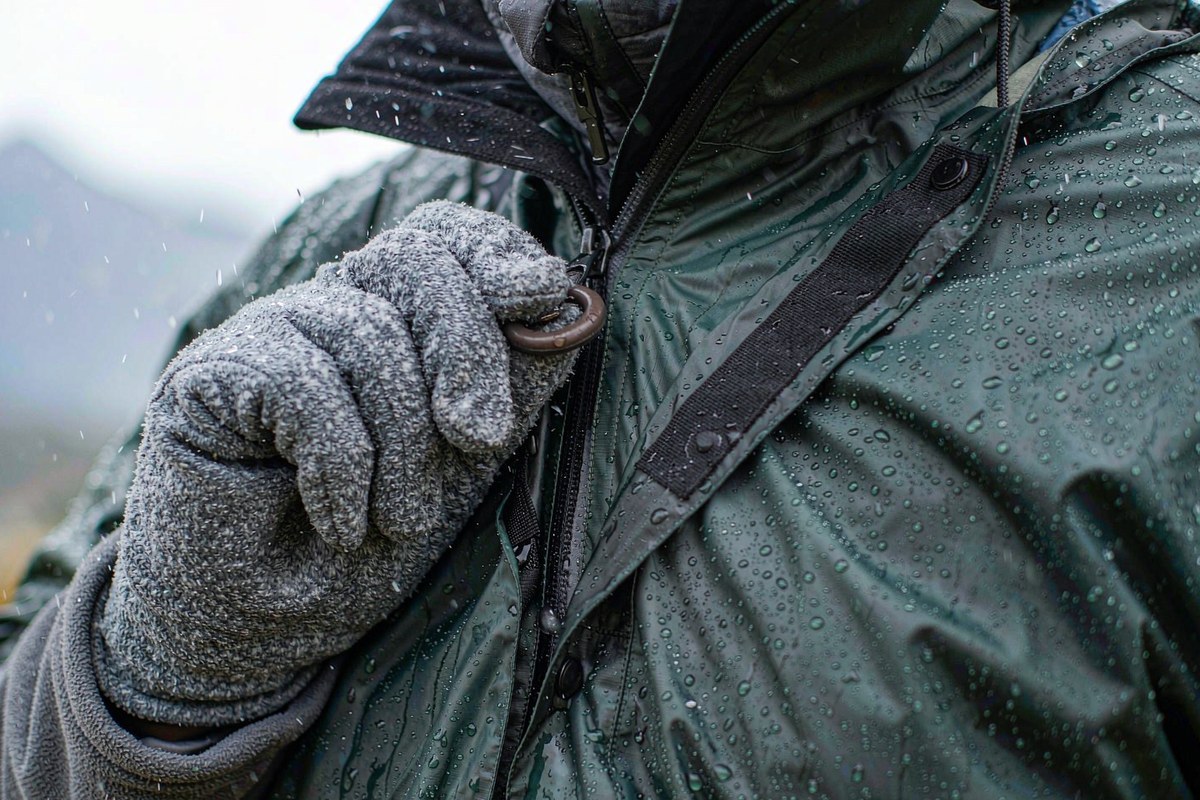
- Water spray on the closed zip - with the main zip closed and the flap in place, direct a spray at the chest line and inspect the inner face with absorbent paper. This catches flap misalignment and tape wet-out that a fabric report never sees.
- Laminate fold check - open ten production units and inspect the laminated tape at the top stop, the bottom stop and any tight fold, under a lamp, for cracks and end delamination.
- Finished-garment rain run - EN 14360 exposes the full front line including the zip, the flap and the collar interface, on a worn garment. It is the only test that sees the closure as a system.
- Glove operation test - open and close the main zip, pocket zips and pit zips with a gloved hand, three testers, and record any fumbling. Usability failures at this stage are trivial to fix and expensive after launch.
- Wash and wear sequence - 20 and 40 domestic cycles (ISO 6330), then re-check slider lock, puller attachment, flap topstitching and coating survival. Zipper complaints in the field cluster here.
What belongs in the zipper section of a tech pack?
'Main zip: waterproof YKK' is not a specification. These lines cost nothing to write and remove the arguments that follow bulk production.
- Main zip construction named: storm flap over coil, repellent-coated tape, laminated tape or splash-proof element - with the garment's waterproof claim matched to it.
- Chain type and gauge, and the slider model with its lock type - auto-lock on the main closure named explicitly.
- Flap geometry: internal or external, fold width, top closure type and position, hem drainage path.
- Zipper garage: present at the top stop, fold construction and bar-tack positions.
- Puller spec per zip: main, hand pockets, pit zips - size, material, cord or rigid, glove-operable.
- Two-way hardware: justified per use case or omitted, with the second slider's position stated.
- Cut-end finishing and fold radius rules for laminated tape, plus the in-line inspection photo set.
- Test plan: reciprocating cycles, spray test on the closed zip, EN 14360 garment run, glove test, and the wash sequence at which each element must still pass.
Which regulation threads now reach the zipper line?
The first is durability regulation. Under the EU's product rules, garment-level performance is increasingly assessed on the finished article rather than the fabric, and the reference framework for protective clothing is published through the ISO and EN standards system. A closure that leaks on a worn garment undermines any claim the label makes, which is why the finished-garment rain test has moved from a nice-to-have to a documentation line. Hardware makers publish their own construction and test references - YKK's product documentation is the usual starting point for chain, slider and laminated-tape options, and the same logic applies whatever brand the tech pack names.
The second is chemistry. PFAS-free water-repellent coatings now dominate new shell programmes, and they change how zipper tape and storm flap fabric wet out: fluorine-free finishes absorb water faster at the flap fold, which raises the stakes on flap geometry and drainage. Zipper suppliers have followed with fluorine-free laminates, but the compatibility should be verified per programme rather than assumed - the material side is covered in the waterproof-breathable fabric science guide and the fluorine-free transition in the fluorine-free DWR guide. The closure's neighbours matter too: the seam line above and below the zip is covered in the seam-sealing briefing, and the top of the closure - the hood and collar interface - in the hood engineering guide.
UniOuter builds shells with the closure treated as a system: laminated and flap-shielded main zips, glove-friendly pullers, garages and drain paths specified in the pattern file, and zipper spray, reciprocating and finished-garment rain tests recorded per lot. The jacket line building guide shows how closure specification scales across a range, and the shoulder-season shell briefing covers the lighter constructions where a flap-only main zip is a legitimate choice.
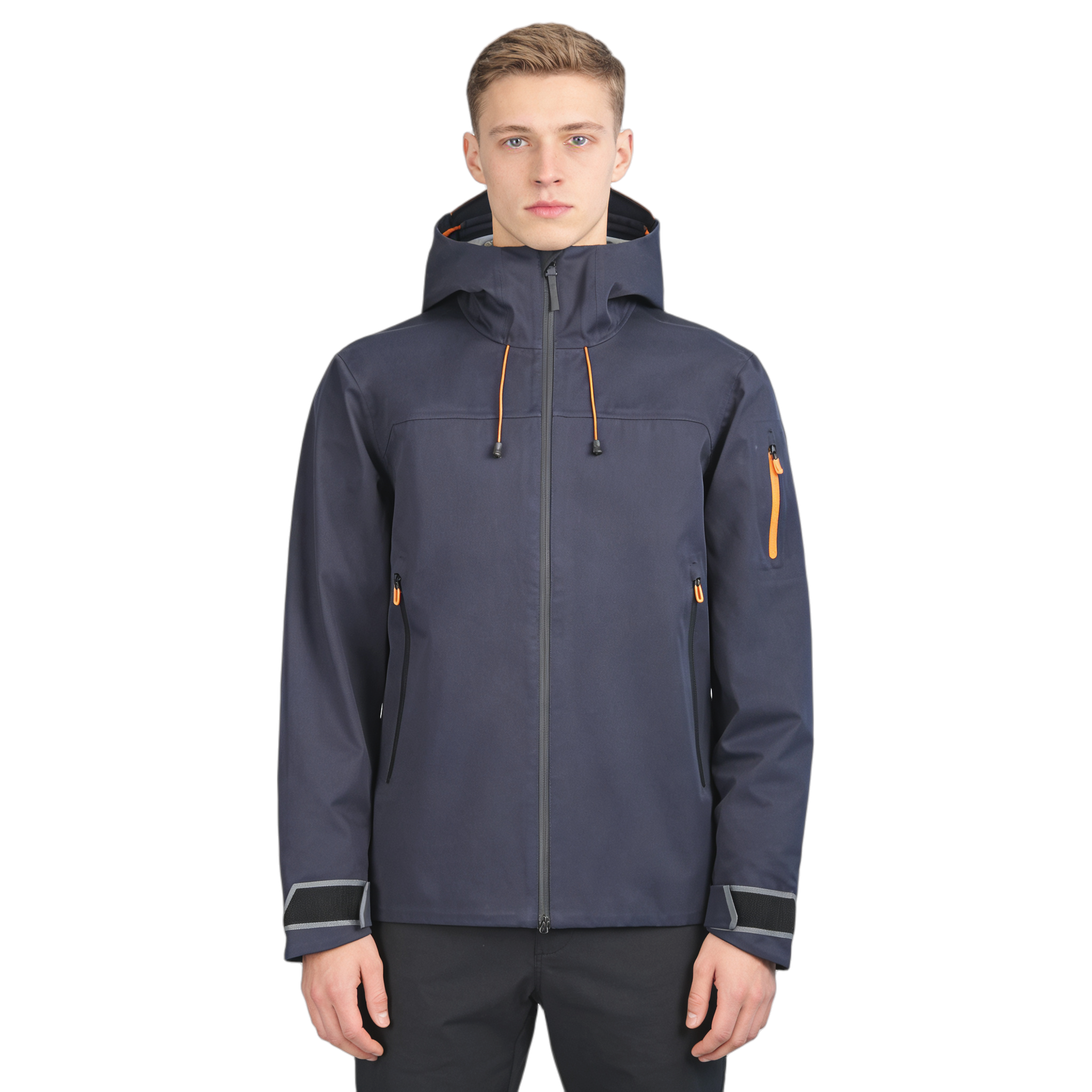
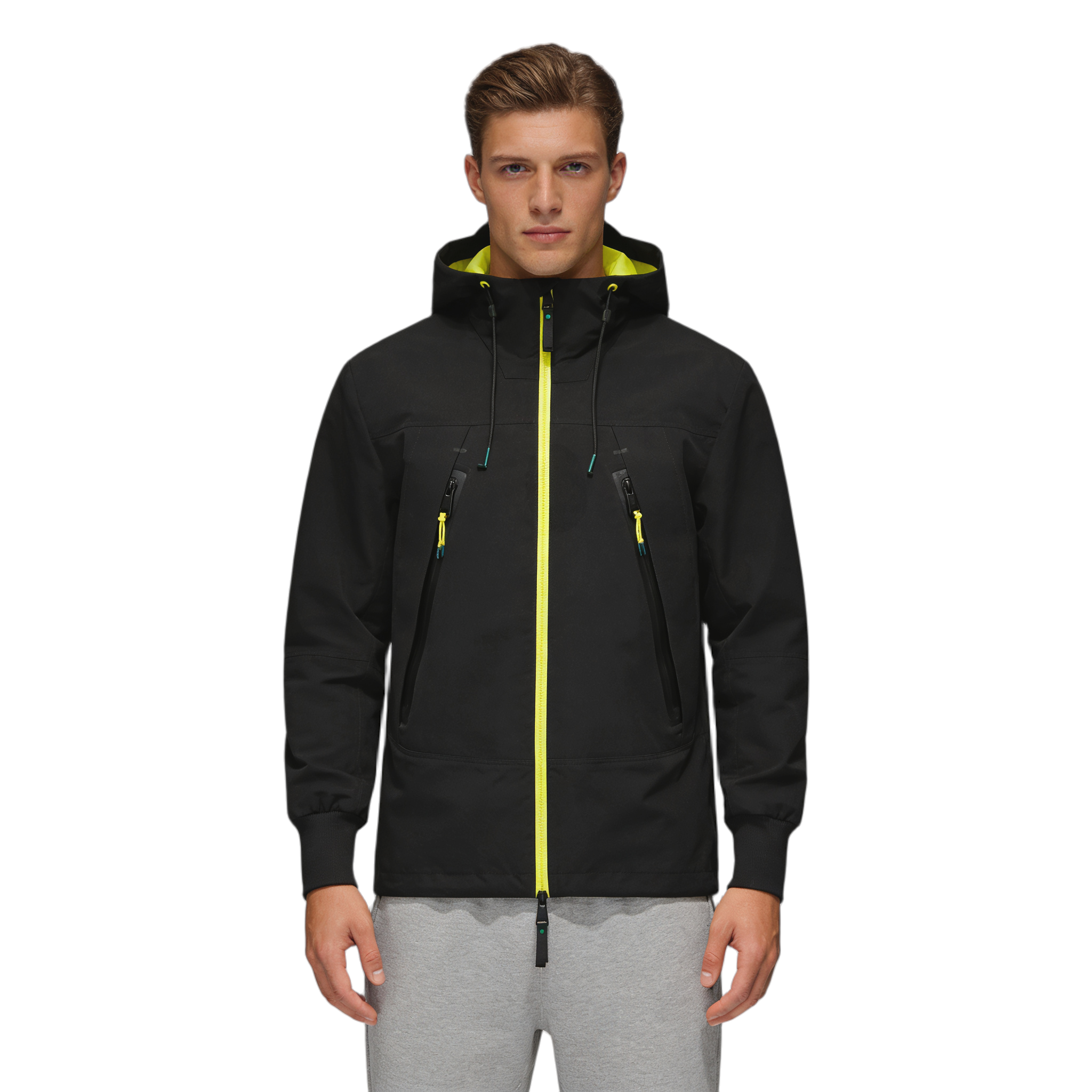
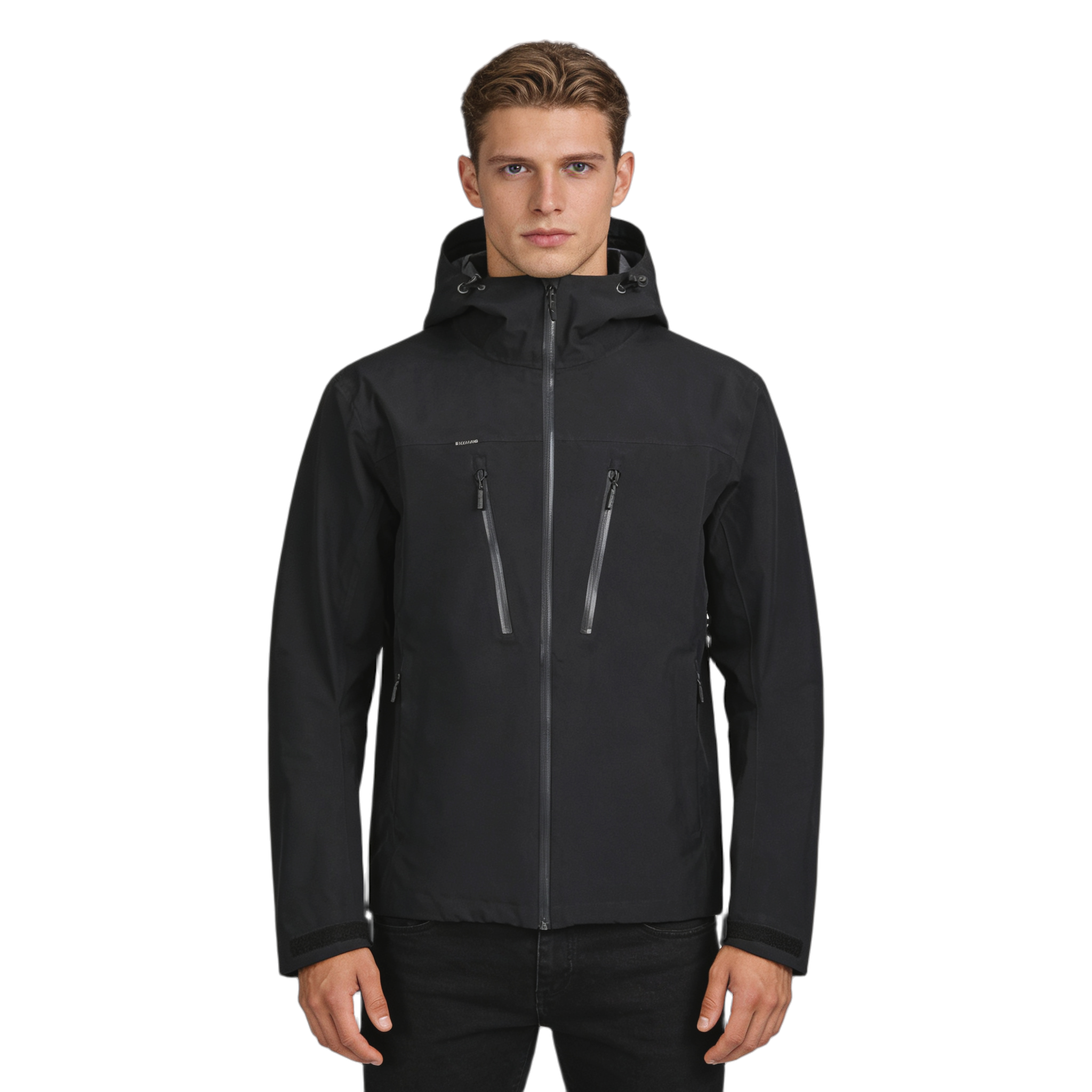
Two things together: the zipper construction and what shields it. Laminated or PU-fused tape closes the tape surface over the coil, and an internal storm flap makes water change direction before it reaches the zip. A standard coil zipper with a well-built flap can outperform a badly installed laminated zip - the closure is a system, not a component.
For shells claiming 10,000 mm or above, laminated tape backed by an internal flap is the standard pairing. Below that, a storm flap over a standard coil is defensible for commuting and light hiking. A flap-only main zip on a jacket marketed as a technical shell is the most common cause of 'leaks at the chest' reviews.
Usually wear, not installation: the auto-lock slider's locking force decays with cycles and stops holding the flap under tension, repellent coatings on the tape wash out, and laminated tape can crack at the top-stop fold. All three are detectable in a 20-40 wash-cycle re-test, which is why the wash sequence belongs in the acceptance criteria.
It is a small folded fabric tab at the top of the front zip that stops the slider biting the chin and gives the slider a rest position that reduces locking-force wear. It costs almost nothing, removes one of the most common comfort complaints on high-collar shells, and should be bar-tacked at its base.
On hardware and on the garment: a reciprocating slider endurance run with locking force re-checked, a water spray test on the closed zip with the flap in place, a laminate fold and end-finish inspection on opened production units, a finished-garment rain run such as EN 14360, a gloved-hand operation test, and a 20-40 wash cycle sequence with slider and flap re-inspected.
Specifying a shell programme for 2027? Send us your waterproof claim, target price and climate window - UniOuter will map the zipper construction, storm flap geometry and test plan, and return a construction sample with costed options.
Start a closure programme