Three-Layer Hardshell vs Alternatives: Choosing the Best Waterproof Outdoor Jacket
- Share
- Issue Time
- Jan 23,2026
Summary
This guide compares three-layer hardshells and alternatives to help brands choose waterproof outdoor clothing.
If you've ever sourced or sold waterproof outdoor jackets, you've heard it before:
“Three-layer hardshell is the gold standard.”
But here's the uncomfortable truth most suppliers don't say out loud: three-layer construction isn't always the best choice—it's just the most misunderstood.
For some outdoor activities, it's perfect. For others, it's overkill, uncomfortable, or simply too expensive for the end user.
So how do you decide what actually works?
In this guide, we break down what three-layer hardshell really is, where it shines, where it fails, and what alternatives might make more sense—especially if you're building or sourcing performance outdoor clothing for real users, not just product descriptions.
What Is Three-Layer Hardshell Construction and Why Is It So Popular?
Three-layer hardshell construction refers to a laminated system made up of:
Outer shell fabric (usually nylon or polyester)、Waterproof breathable membrane、Inner protective layer bonded directly to the membrane、Unlike lined jackets, all three layers are permanently bonded. No loose lining. No floating layers.
Why brands love it:
Excellent durability、Consistent waterproof performance、Better long-term membrane protection
Most premium alpine and mountaineering jackets use this structure for a reason—it survives abuse.
But popularity doesn't automatically equal suitability.
Where Three-Layer Hardshell Excels—and Where It Falls Short
Where it truly performs
Three-layer construction is unbeatable in:
Alpine climbing、Long-duration rain exposure、Harsh wind environments、Professional or expedition-level use
For these scenarios, weight and cost are secondary to reliability. Failure is not an option.
This is why many mountaineering and professional hiking jackets fall under UniOuter's Custom Hiking Clothes and Mountaineering Apparel
Where problems appear
However, many brands misuse three-layer construction because:
It feels “premium” on spec sheets、Buyers assume higher specs = better product、In reality, three-layer jackets can feel:、Stiff and noisy、Less comfortable for casual users、Overbuilt for urban or light hiking use、Price-prohibitive for mid-market brands
This mismatch leads to poor sell-through—not because the jacket is bad, but because it's wrong for the user.
Key Alternatives to Three-Layer Waterproof Outdoor Clothing
This is where smart brands gain an edge—by matching construction to use case, not trends.
Two-Layer Construction
Two-layer jackets pair a waterproof membrane with the outer shell, while a separate lining protects the membrane.
Why brands choose it:
Better comfort、Softer hand feel、Lower production cost
Ideal for urban outdoor, travel, and casual hiking
Two-layer systems dominate products like Custom Commuter Clothing and Urban Outdoor Wear, where comfort matters as much as waterproofing.
The trade-off? Slightly lower durability under extreme abrasion—but for most consumers, that's irrelevant.
2.5-Layer and Hybrid Waterproof Systems
2.5-layer constructions apply a printed or sprayed protective layer instead of a full lining.
Advantages:
Lightweight、Packable、Cost-efficient
Popular in running, fast hiking, and seasonal rain jackets
Hybrids take this further—combining three-layer panels in high-abrasion zones and lighter constructions elsewhere.
This method delivers performance where needed, without unnecessary weight or cost.
Choosing the Right Waterproof Construction for Different Outdoor Scenarios
So what's “best”?
It depends.
| Activity | Recommended Construction |
| 3-Layer | |
| 3-Layer or Hybrid | |
| 2-Layer | |
2.5-Layer | |
Hybrid or Reinforced 2-Layer |
For rugged environments like hunting, durability plus comfort matter—making UniOuter's
Custom Hunting Clothes and Fishing Apparel a strong example of balanced construction strategy.
Choosing wrong doesn't just hurt performance—it hurts brand credibility.
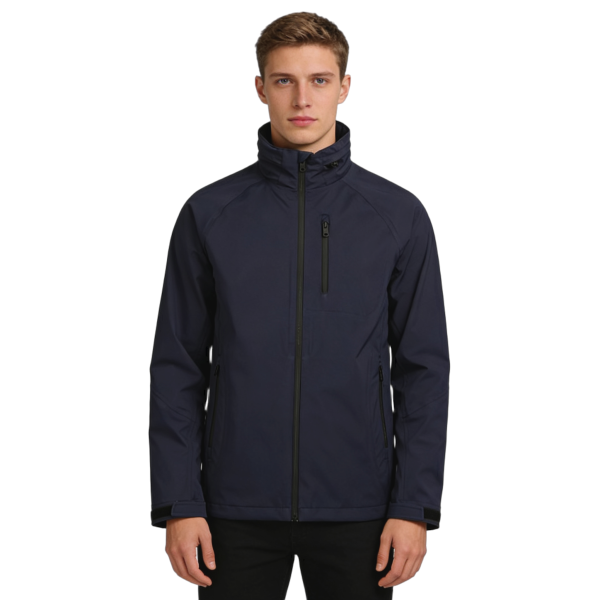
Rainproof hiking jacket, made of high-tech fabric, hidden hood, tailored fit, supports wholesale.
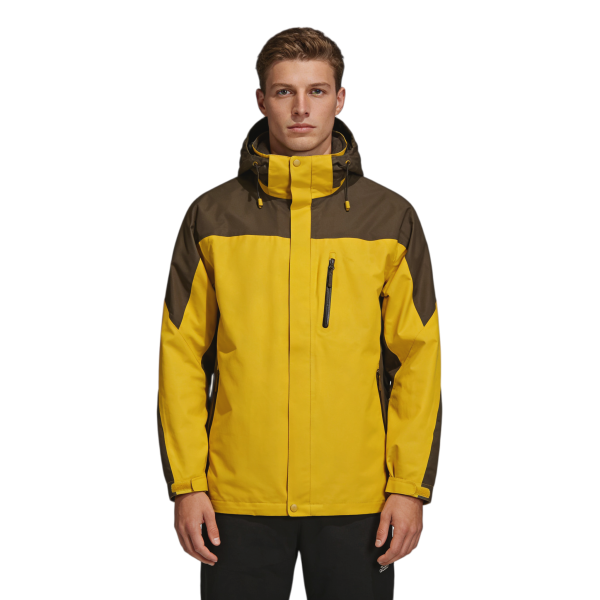
Windproof mountain coat, waterproof fabric, elastic cuffs, detachable hat, tailored fit, ideal for outdoor adventures.
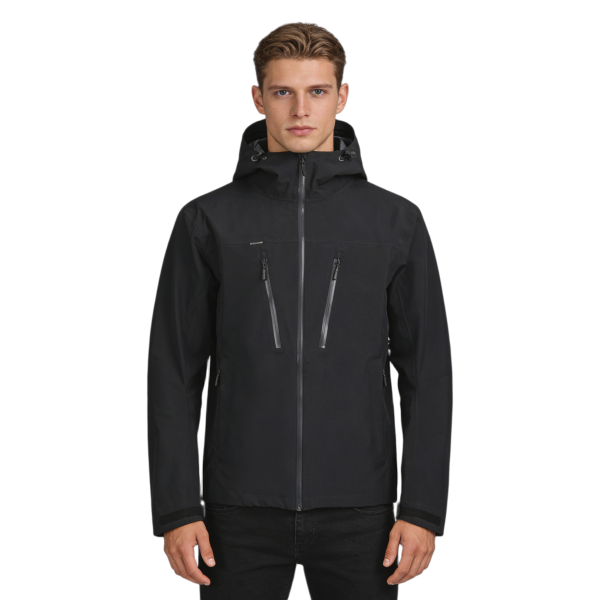
3-Layer Mountaineering Jacket – Enhanced Wind & Water Resistance, Ideal for Plateau and Mountain Wear.
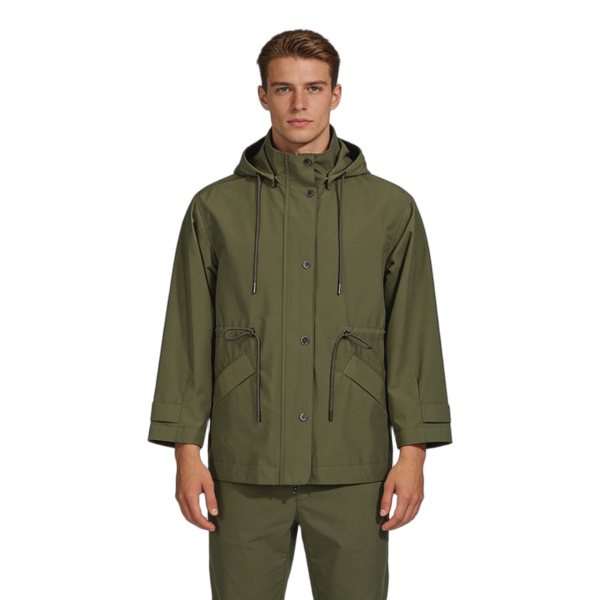
Waterproof Windproof Commuter Jacket – Ideal for Spring/Fall Urban & Outdoor Use.

Hooded Mountaineering Jacket – All-Climate Protection, Built for Versatility.
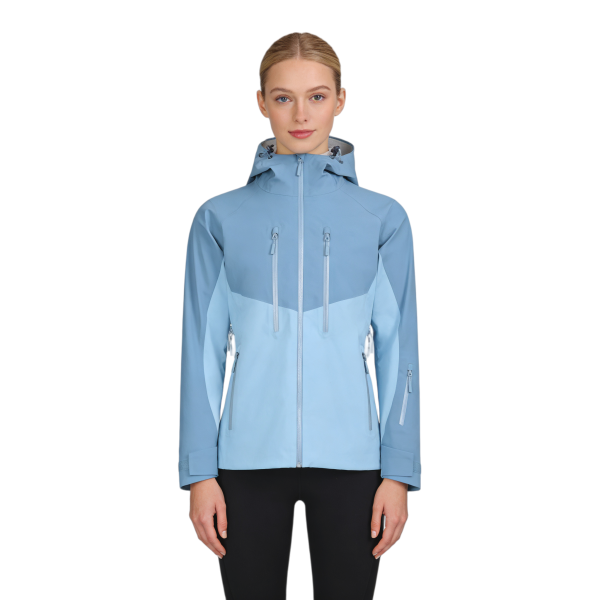
Women's Hiking Jacket – Windproof & Waterproof, Fitted with a Hood, Balancing Style and Functionality.
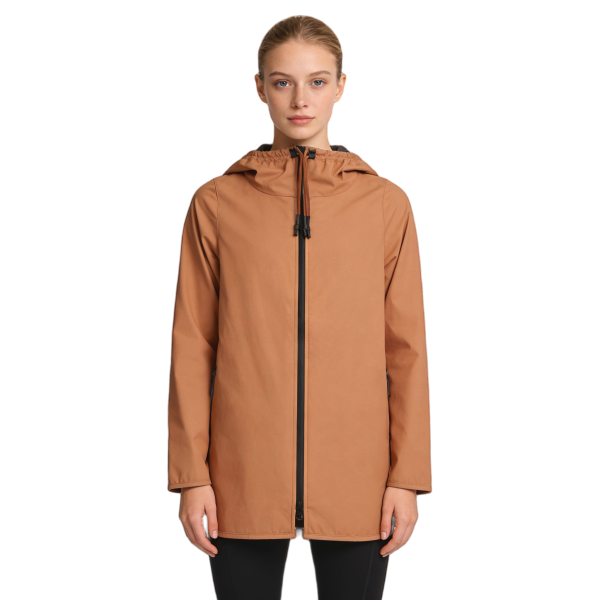
Level 3 waterproof raincoat, resistant to heavy rain, with an adjustable hat and lightweight material. Supports wholesale.
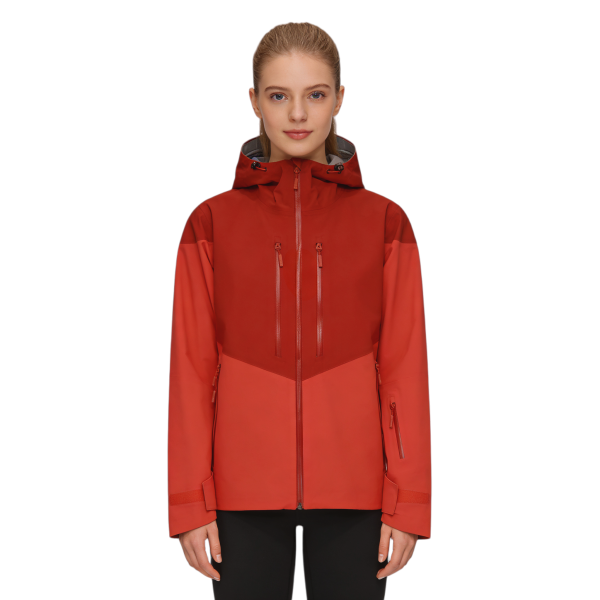
Women's waterproof jacket, combines fashion and function, tailored fit, ideal for adventures and daily wear.
How UniOuter Helps Brands Select the Right Waterproof Construction
This is where UniOuter differentiates itself—not by pushing the most expensive option, but by recommending the right one.
With nearly 20 years in outdoor apparel manufacturing, UniOuter helps brands:
Match fabric + construction + end-use
Avoid overengineering that kills comfort and price
Balance performance specs with market reality
Customize waterproof systems through
Rather than selling “three-layer everything,” UniOuter applies engineering logic to real-world use.
To better understand UniOuter's manufacturing philosophy and experience, visit:
Conclusion
So, is three-layer hardshell construction the best waterproof outdoor clothing?
Sometimes—but not always.
True performance doesn't come from copying premium specs. It comes from understanding users, conditions, and expectations. Brands that win are the ones that choose smarter construction—not louder marketing.
And that's exactly where experienced manufacturing partners like UniOuter add real value.
Frequently Asked Questions (FAQ)
1: Is three-layer hardshell always more waterproof than two-layer?
Not necessarily. Waterproof ratings depend more on membrane quality and seam sealing than the number of layers.
2: Why do some three-layer jackets feel uncomfortable?
Because durability is prioritized over softness and flexibility. They're built for harsh environments, not casual wear.
3: Can UniOuter customize waterproof construction for my brand?
Yes. UniOuter offers flexible construction options—2-layer, 2.5-layer, 3-layer, and hybrids—based on your market needs.