Top 10 Outdoor Clothing Manufacturers in China: A Brand Buyer's Comparison Guide
- Share
- publisher
- UniOuter
- Issue Time
- Aug 30,2026
Summary
How to evaluate the top outdoor clothing manufacturers in China: criteria, comparison matrix, geographic clusters, OEM vs ODM, quality tiers, red flags, and a step-by-step shortlisting process.
Quick Answer: How to evaluate the top outdoor clothing manufacturers in China: criteria, comparison matrix, geographic clusters, OEM vs ODM, quality tiers, red flags, and a step-by-step shortlisting process.
For programme-ready garments built to this spec, see UniOuter’s custom hunting and fishing apparel, or read our guide to our factory’s testing and production capability.
China dominates outdoor apparel manufacturing, but "top 10" lists that name factories without an evaluation framework are marketing, not analysis. This guide gives brand buyers the criteria, comparison matrix, and shortlisting process to identify the right manufacturer for their program, and profiles UniOuter honestly within that framework.
For the full sourcing workflow, pair this with our China sourcing guide.
Why does China dominate outdoor apparel manufacturing?
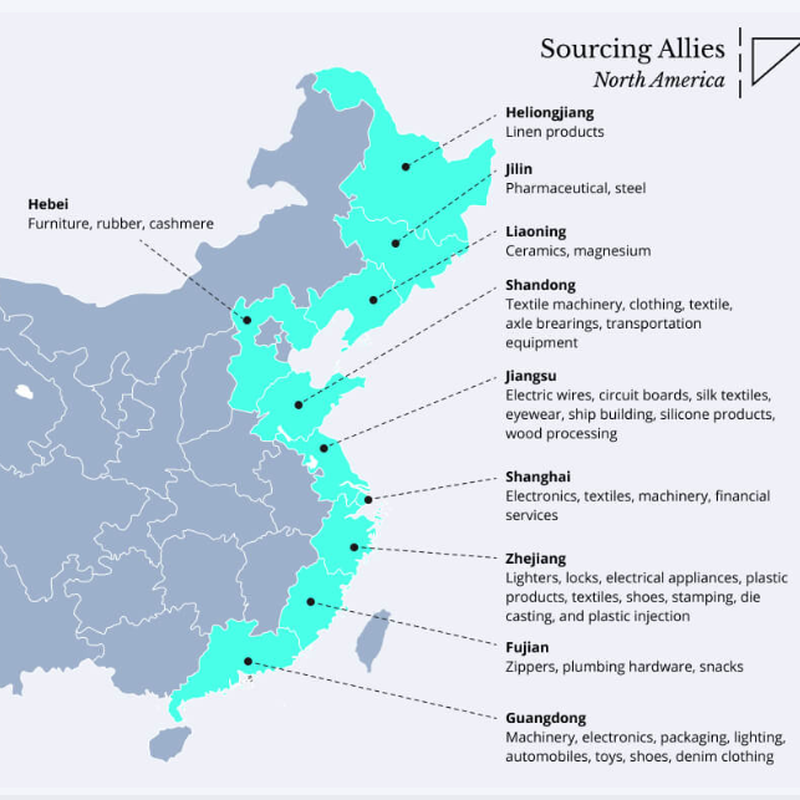
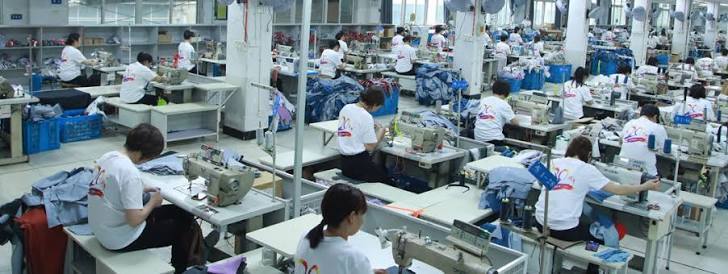
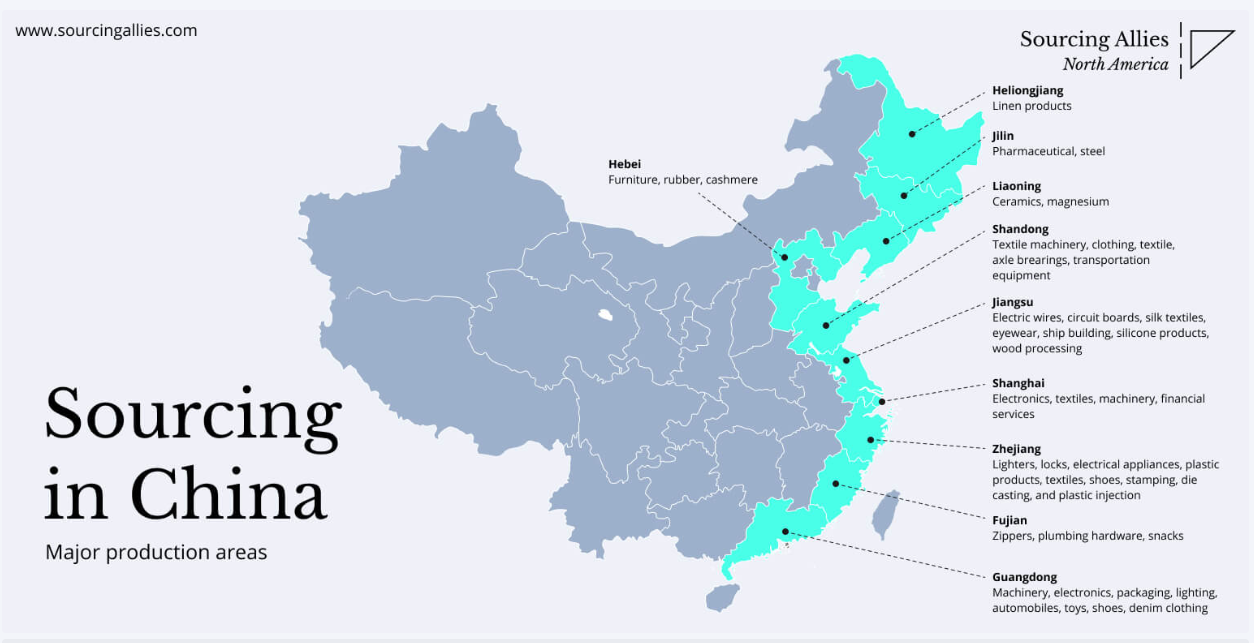
China leads because it has the complete stack: fiber and fabric mills, component suppliers (zippers, tapes, membranes), skilled labor for functional construction, and export infrastructure. Geographic clusters specialize: Hangzhou/Zhejiang for apparel, Guangdong for technical fabrics, Jiangsu and Shandong for volume production. No other country yet matches this depth across the full supply chain, which is why even brands nearshoring to Southeast Asia still source fabrics and technical components from China.
Which evaluation criteria belong in a comparison matrix?
Evaluate every manufacturer against the same eight criteria so comparisons are honest. The matrix below is the framework; fill it for each candidate you audit.
| Criterion | What to verify | Red flag |
|---|---|---|
| Factory ownership | On-site visit, business license | Trader posing as factory |
| Years in business | Registration date, client history | Under 3 years, no references |
| Certifications | OEKO-TEX, ISO, BSCI, GRS, AEO | Refuses to share originals |
| MOQ flexibility | Written MOQ per style | Hidden quantity surcharges |
| Sampling speed | 7-14 day turnaround | 30+ days, no schedule |
| QC system | Three-tier inspection, AQL | No QC reports, no testing |
| Export experience | Markets served, trade terms | Single market, no Incoterms knowledge |
| Communication | Response time, English fluency | Days of silence, vague answers |
Which geographic clusters and manufacturer profiles matter?
Rather than name factories that may change status, here are the manufacturer archetypes you will encounter, and how to recognize them:
- The clothing OEM giant. 20+ years, large floor space, high MOQ, strong compliance. Best for established brands with volume. Risk: too rigid for small batches.
- The flexible mid-size specialist. 10-20 years, 300-500 MOQ, in-house fabric or design, multiple certifications. Best for startups and mid-market brands. UniOuter sits here.
- The fabric-mill-backed producer. Owns dyeing and printing, strong on custom fabrics and camouflage. Best when fabric customization is core.
- The workwear-focused factory. Strong on FR, hi-vis, and compliance testing. Best for industrial programs.
- The trader. No factory, sources from others. Useful for sourcing breadth, but you pay a margin and lose production control. Always verify factory ownership.
How do OEM versus ODM, export experience and quality tiers separate suppliers?
Some manufacturers excel at OEM (you design, they build); others at ODM (they design, you brand). Few do both well. Export experience matters: a factory that has shipped to EU, US, and AU understands Incoterms, documentation, and customs, and an AEO-certified exporter clears faster. Quality tiers run from budget (price-driven, thin QC) through mid-range (balanced) to premium (full compliance, third-party testing). Match the tier to your brand position, not just your budget. See our custom vs stock membrane guide for how tier affects materials.
How do you shortlist & Red Flags?
Shortlist in five steps: define your needs (product, quantity, budget, timeline, certifications), build a longlist from trade shows and referrals, audit the top 5 against the matrix above, request samples from the top 2-3, then run a small trial order before bulk. For the trade-show path, our purchasing guide covers Canton Fair strategy.
Red flags: no factory audit allowed, certificates that cannot be verified with the issuing body, pricing far below market (hidden cost traps), poor communication in the sampling phase (it only gets worse in bulk), and refusal to provide references. Our low-MOQ comparison shows how transparent factories behave differently.
What does UniOuter's profile add to your decision framework?
UniOuter is the manufacturing brand of Zhejiang Hualilai: 20+ years, 20,000 sqm factory, in-house fabric mill, OEKO-TEX, ISO 9001, ISO 14001, BSCI, GRS, and AEO certified, 300-500 MOQ, 2,000+ developed styles. We serve EU, US, and AU markets with FOB/CIF/EXW terms. Our transparent pricing is in the cost calculator, and our production timeline in the 2027 timeline guide. Learn more on our about page, or send an inquiry to start the audit process.
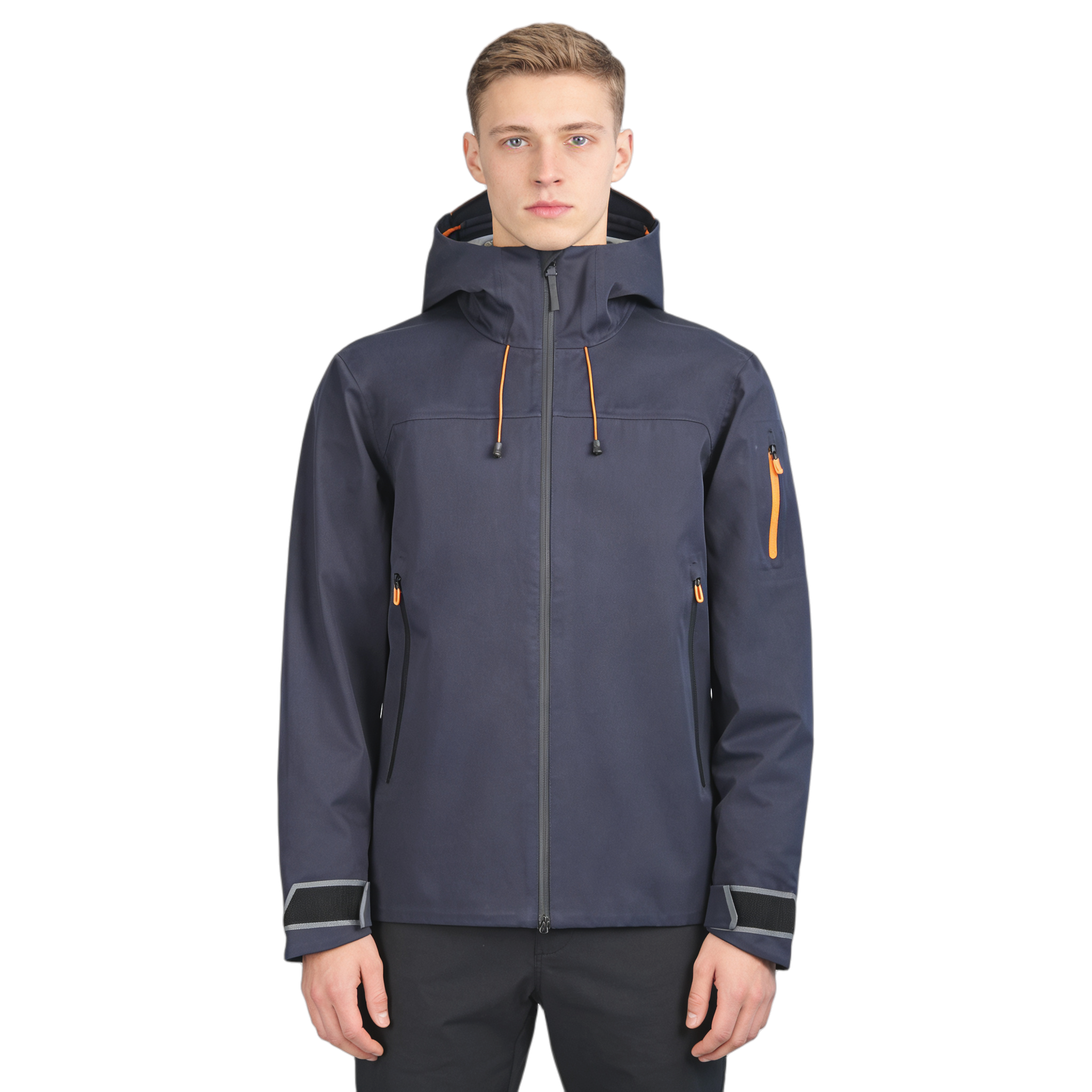
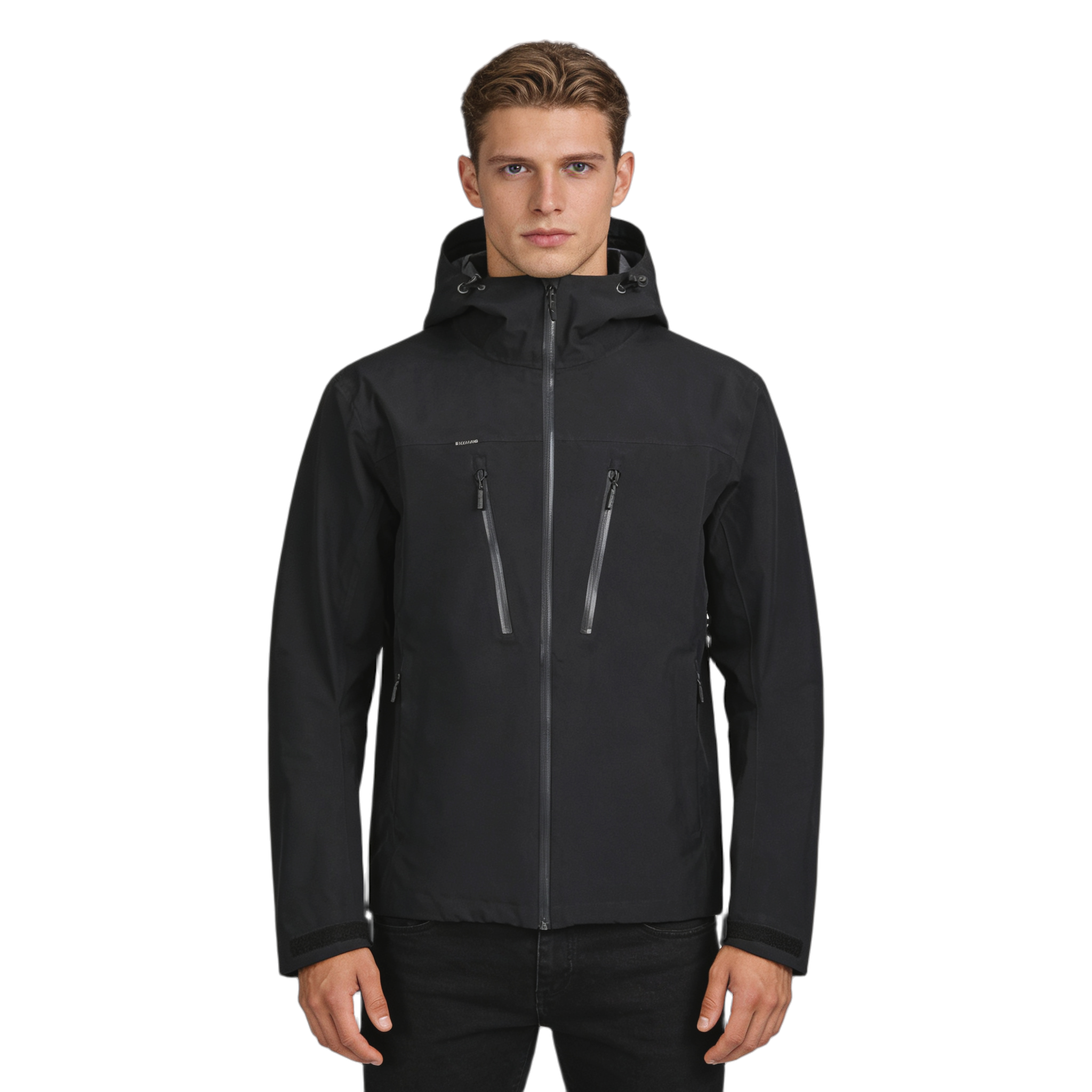
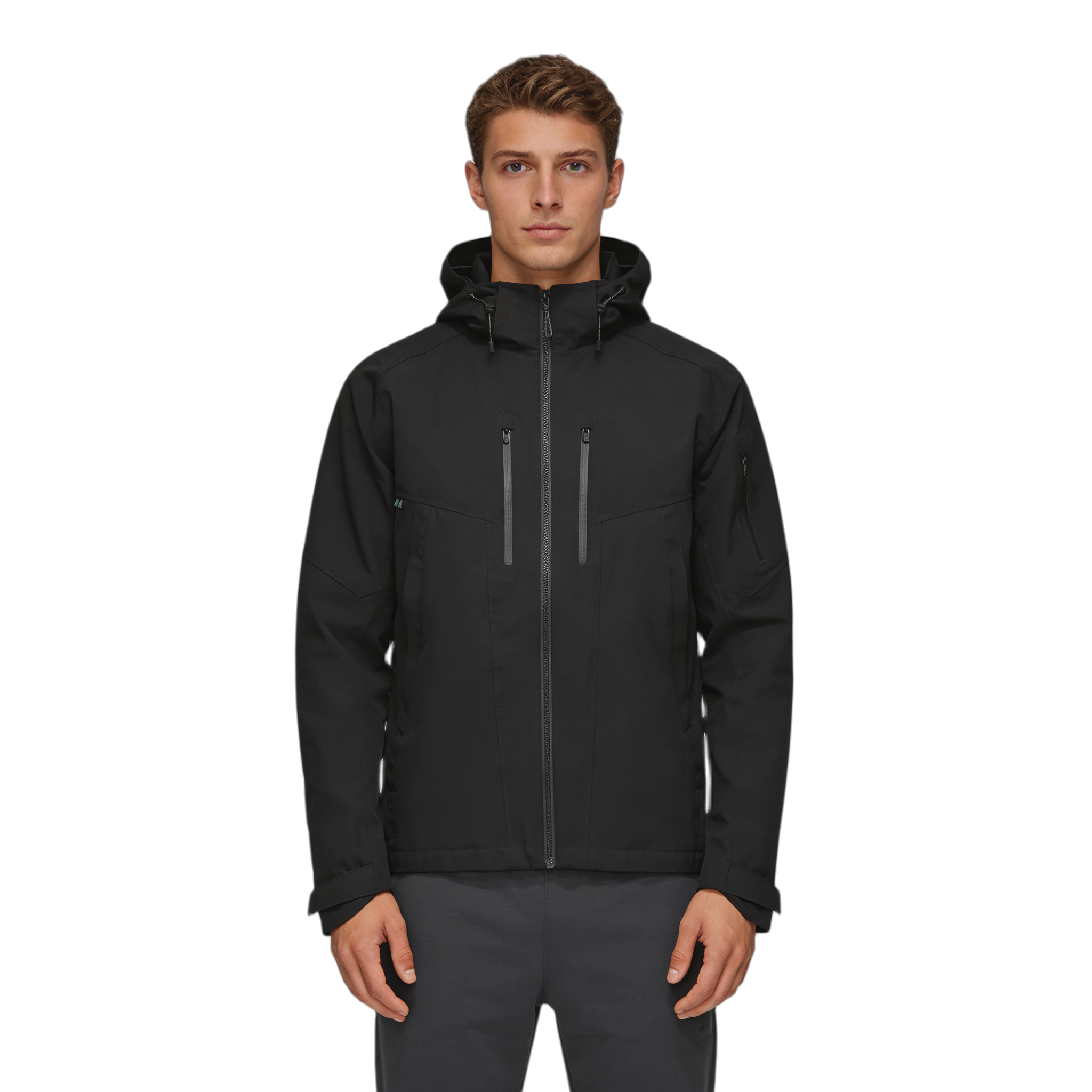
Where can you shop outdoor jackets?
Frequently Asked Questions
Visit on-site, request the business license and check it against the registered address, ask for photos of the production floor with dated context, and call existing client references. A trader will hesitate or deflect on each of these; a real factory accommodates them routinely.
Traditional factories require 1,000+ pieces. Flexible mid-size manufacturers offer 300-500 piece MOQs, which lets startups test a program before scaling. Always get the MOQ in writing before sampling.
Certifications are necessary but not sufficient. Verify each certificate with the issuing body (OEKO-TEX, BSCI, GRS all have public databases), and pair certification with a factory audit and sample evaluation. A certificate proves capability; only an audit proves the capability is applied to your order.
No. Pricing far below market usually means hidden costs: thinner QC, cheaper trims, or surprise fees at production. Match the factory tier to your brand position and budget, and prioritize transparent itemized quoting over the lowest headline price.
Capacity
Planning a volume your current supplier cannot hold?
Tell us the monthly run rate and delivery window. We confirm line capacity and a production calendar alongside the price.
About UniOuter: UniOuter (Zhejiang Hualilai Imp & Exp Co., Ltd) works both ways: full OEM production to a buyer’s tech pack, and ODM development where its Hangzhou team proposes fabrics, construction and fit. Founded in 2005, the company runs one self-owned factory with 200+ skilled workers and serves 20+ export markets.
About the author
Evan, Sales General Manager at UniOuter. He manages key accounts across 20+ export markets and writes on MOQ, pricing structure, payment terms and supplier negotiation.