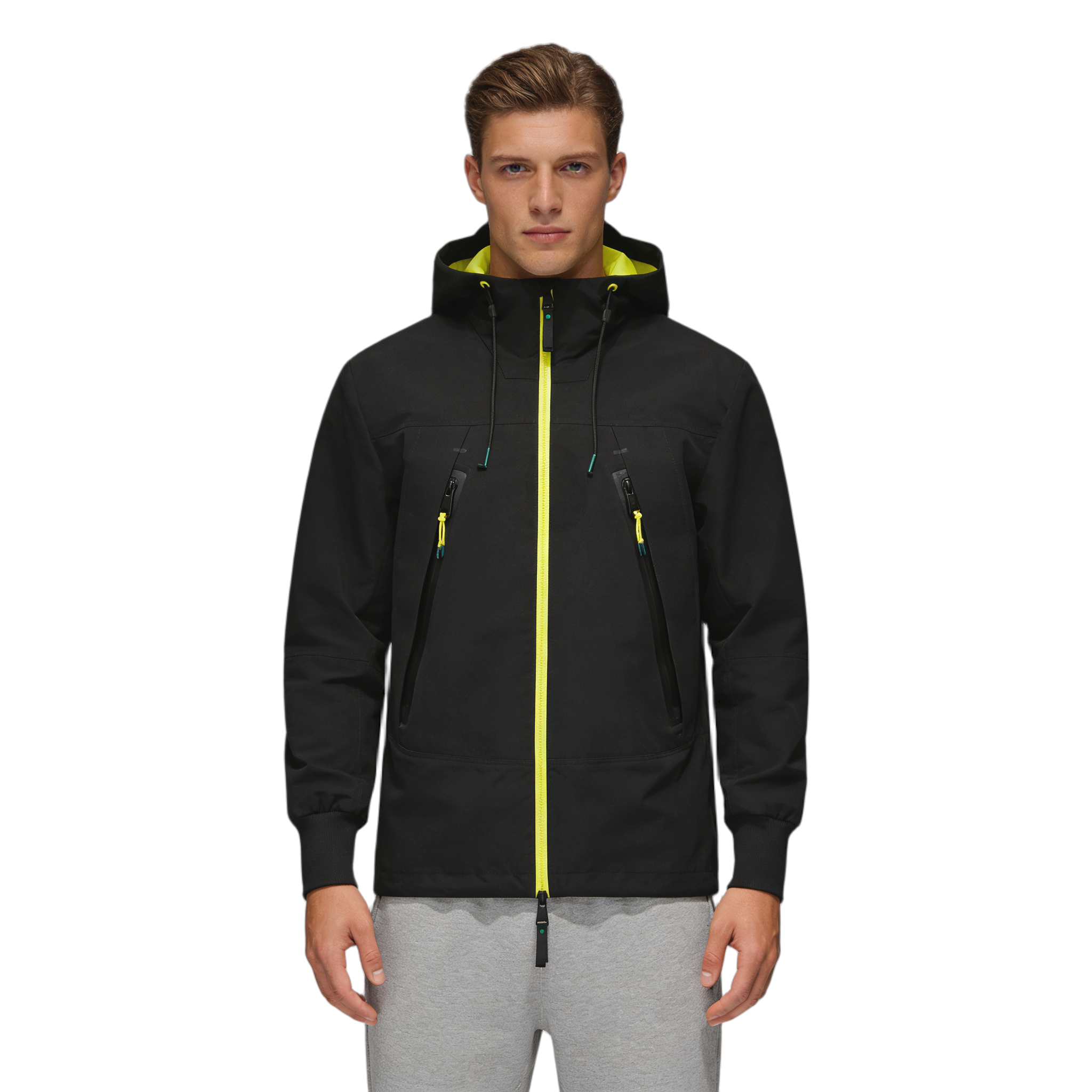
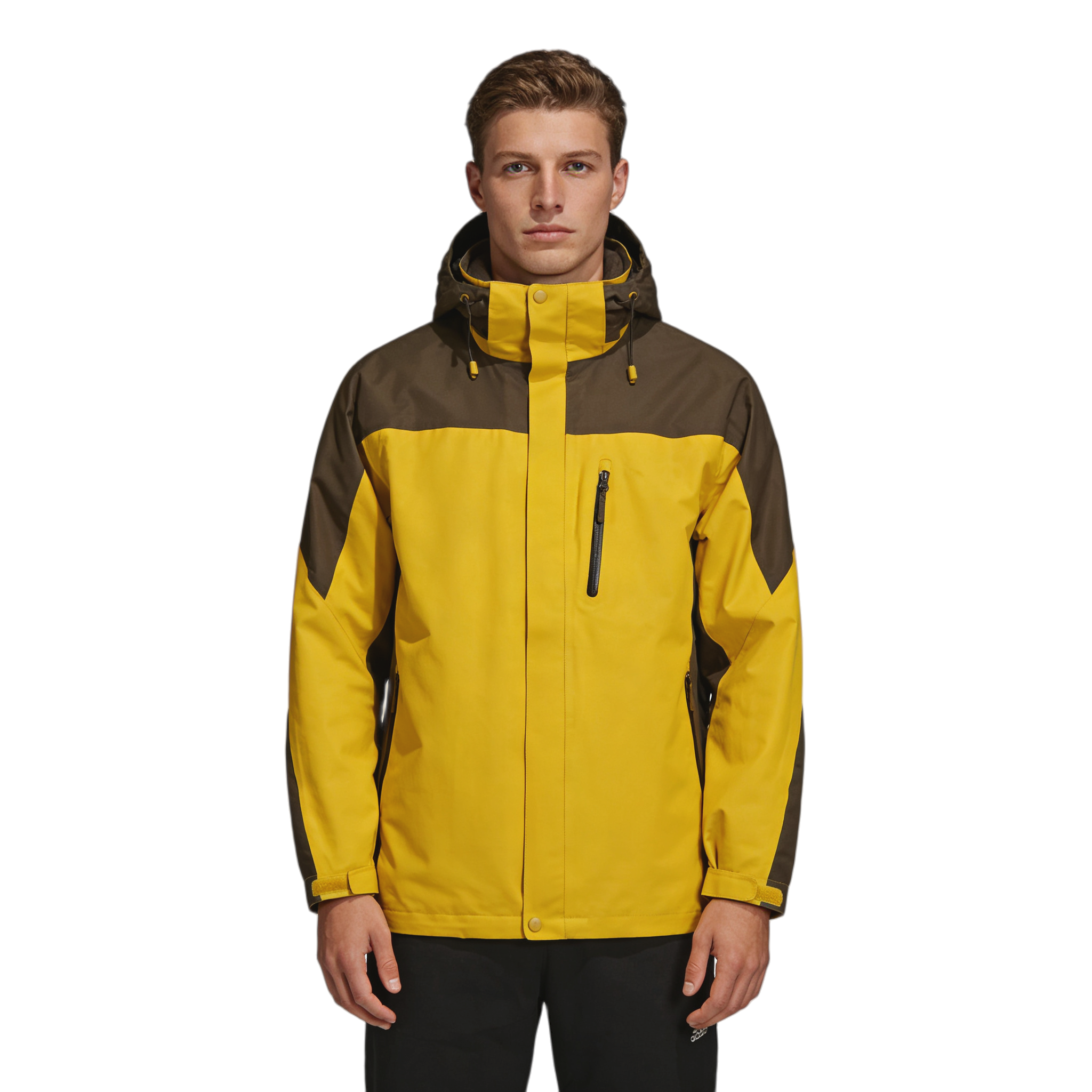
Top Outdoor Apparel Trends to Watch in 2026

Top Outdoor Apparel Trends to Watch in 2026

Summary

Explore 2026 outdoor apparel trends, sustainability insights, smart fabrics, and how UniOuter empowers brands with custom high-performance manufacturing solutions worldwide.
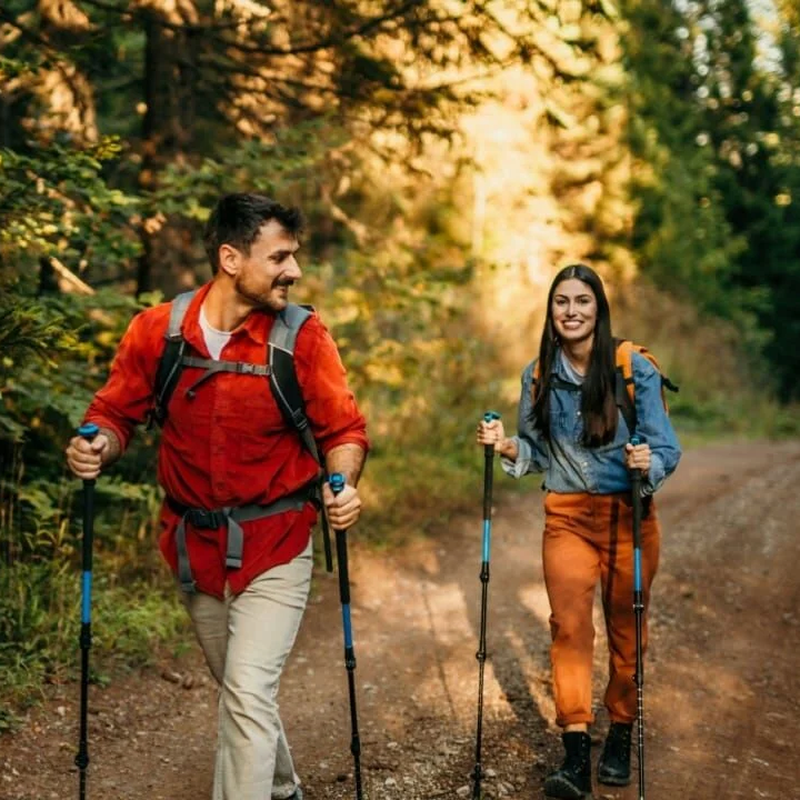
The outdoor apparel industry is changing fast. What worked five years ago? Not enough anymore. Today’s buyers demand performance, sustainability, speed, customization, and style — all at once. Sounds overwhelming, right?

If you’re a brand owner, sourcing manager, or startup founder, you’re likely asking:

Which fabrics will dominate in 2026?

How do I balance sustainability with margins?

Can I launch faster without sacrificing quality?

In this guide, we break down the top outdoor apparel trends shaping 2026 — and more importantly, how experienced manufacturers like UniOuter help brands turn these trends into profitable product lines.
1. Smart Functional Fabrics Are Redefining Performance

Performance isn’t a luxury anymore — it’s the baseline.

In 2026, outdoor apparel buyers expect garments to regulate temperature, resist abrasion, repel water, stretch dynamically, and remain lightweight. According to industry reports, the global outdoor apparel market continues growing steadily, driven by technical innovation and consumer demand for multifunctional gear.

But here’s the big problem brands face:

User Pain Point: Choosing the Right Fabric for Harsh Conditions

If you’re developing hiking jackets or mountaineering pants, fabric choice can make or break your product.

Common sourcing questions include:

Should I use 3-layer laminated waterproof fabric or softshell?

Is recycled nylon durable enough?

How do I balance breathability and waterproofing?

What certification is required for EU markets?

Selecting the wrong material can result in:

High return rates

Poor brand reputation

Excess inventory

Fabrics like high-density nylon blends, mechanical stretch polyester, and 3L membrane composites are trending in 2026 — especially for alpine, hunting, and tactical applications.

Brands looking to produce high-performance collections often explore expert manufacturers through resources like “How to Choose the Right Outdoor Clothing Manufacturer for Your Brand” on UniOuter’s blog.

But knowing theory isn’t enough. Execution matters.

UniOuter’s Fabric Innovation & Custom Development Capabilities

As detailed on our About Us page (www.uniouter.com/aboutus.htm
), UniOuter has over 20 years of experience in technical outdoor garment manufacturing.

Here’s how we solve fabric challenges:

✔ Custom material sourcing based on climate and use scenario
✔ Lab-tested waterproof ratings (3,000mm–20,000mm)
✔ Abrasion resistance testing for mountaineering lines
✔ Breathability optimization for active hiking

Our Custom Hiking Clothes and Mountaineering Apparel collection (https://www.uniouter.com/products2135561/Custom-Hiking-Clothes-and-Mountaineering-Apparel.htm
) integrates reinforced knees, seam-taping techniques, and ergonomic patterning to ensure real-world durability.

[Image suggestion: Close-up of 3-layer waterproof fabric cross-section with membrane. Prompt: “High-resolution macro shot of technical 3-layer waterproof breathable outdoor fabric cross section, modern outdoor gear concept.”]

In short: we don’t just offer fabric. We engineer performance around your target market.
2. Sustainable & Transparent Manufacturing Is No Longer Optional

Sustainability used to be marketing. In 2026, it’s regulation and expectation.

The EU’s tightening environmental standards and growing U.S. consumer awareness are reshaping the supply chain. Recycled materials, traceable sourcing, and responsible dyeing processes are now essential for brands entering Western markets.

But here’s the tension:

Sustainable materials can increase costs by 8–15%. How do you protect your margins?

Industry Data & Consumer Expectations

Surveys show that over 60% of consumers are willing to pay more for eco-conscious products — but only if performance remains intact.

This creates a dual challenge:

Maintain durability

Reduce environmental footprint

Many brands struggle with minimum order quantities when testing sustainable lines.

How UniOuter Builds Responsible Supply Chains

UniOuter integrates sustainability without compromising functionality. Our manufacturing approach includes:

✔ Recycled polyester & nylon integration
✔ OEKO-TEX compliant dyeing
✔ Fabric waste optimization during cutting
✔ Long-life garment design philosophy

For brands developing uniforms or field gear, our Outdoor Uniform Customization Service (https://www.uniouter.com/comm02/Outdoor-Uniform-Customization.htm
) incorporates durable, long-cycle materials to reduce replacement frequency — an often-overlooked sustainability metric.

Let’s be honest: sustainability isn’t just about material — it’s about product lifespan. A jacket that lasts 5 years creates less environmental impact than one replaced annually.

That’s engineering thinking. That’s where manufacturers matter.
3. Urban Outdoor & Hybrid Apparel Take the Lead

One of the biggest trends for 2026? Hybrid functionality.

Consumers no longer separate “outdoor jacket” and “city coat.” They want one piece that works for commuting, light hiking, and travel.

Why? Because modern life blends environments.

From Trail to City: The Rise of Multi-Scenario Clothing

Urban outdoor wear is growing quickly as professionals adopt versatile garments.

Key features trending:

Clean silhouettes

Concealed functional pockets

Lightweight insulation

Windproof yet breathable shells

The rise of “gorpcore” and functional fashion blurred boundaries — technical aesthetics are now mainstream.

But brands face a challenge: how do you design apparel that looks minimal yet performs technically?

Custom Solutions for Commuter & Outdoor Brands

UniOuter’s Custom Commuter Clothing and Urban Outdoor Wear line (https://www.uniouter.com/products2145495/Custom-Commuter-Clothing-and-Urban-Outdoor-Wear.htm
) addresses exactly this.

We combine:

✔ Technical shell fabrics
✔ Tailored silhouettes
✔ Seamless branding integration
✔ European & American market sizing standards

[Image suggestion: Urban professional wearing minimalist waterproof jacket in city setting. Prompt: “Stylish urban commuter wearing sleek technical waterproof jacket in modern European city, minimalist outdoor fashion style.”]

This is where 2026 wins will happen — brands that merge design and function effortlessly.
4. Small-Batch Customization & Faster Production Cycles

Speed is strategy.

Traditional production cycles of 6–8 months feel outdated. Micro-collection launches and digital marketing demand agility.

Why Flexibility Matters More Than Ever

Startups and mid-size brands increasingly request:

Lower MOQs

Private label production

Rapid prototyping

Sample turnaround under 10 days

Without flexibility, brands lose seasonal windows and influencer momentum.

UniOuter’s OEM/Private Label Advantage

As an experienced OEM and private label manufacturer (explored in “How to Start Your Own Outdoor Clothing Brand with a Custom Manufacturer”), UniOuter provides:

✔ Flexible MOQs
✔ Dedicated development teams
✔ Pattern engineering support
✔ Multi-category production (hiking, hunting, commuter, fishing)

For brands entering hunting markets, our Custom Hunting Clothes and Fishing Apparel line (https://www.uniouter.com/products2145496/Custom-Hunting-Clothes-and-Fishing-Apparel.htm
) includes camouflage fabric options, reinforced construction, and moisture management technologies.

We don’t just produce garments — we support product lifecycle planning.
Conclusion: 2026 Belongs to Brands That Adapt Fast

Outdoor apparel in 2026 is smarter, greener, more versatile, and faster to market.

The biggest mistake brands can make? Treating manufacturing as transactional.

In reality, your manufacturer is your silent product engineer, quality controller, and supply chain strategist.

UniOuter stands at the intersection of innovation, customization, and reliability — helping global brands create high-performance outdoor collections that meet modern expectations.

If 2026 is about adaptability, isn’t it time your supply chain adapted too?
FAQs
1. What fabric is best for outdoor jackets in 2026?

Three-layer waterproof-breathable laminates, high-stretch softshells, and recycled nylon blends dominate. Selection depends on use case and climate.

2. Is sustainable outdoor apparel more expensive to produce?

Initially yes (8–15% higher), but durability and premium positioning often offset costs long-term.

3. How can startups reduce risk when launching outdoor collections?

Partner with experienced OEM manufacturers offering flexible MOQs, rapid sampling, and fabric development expertise.