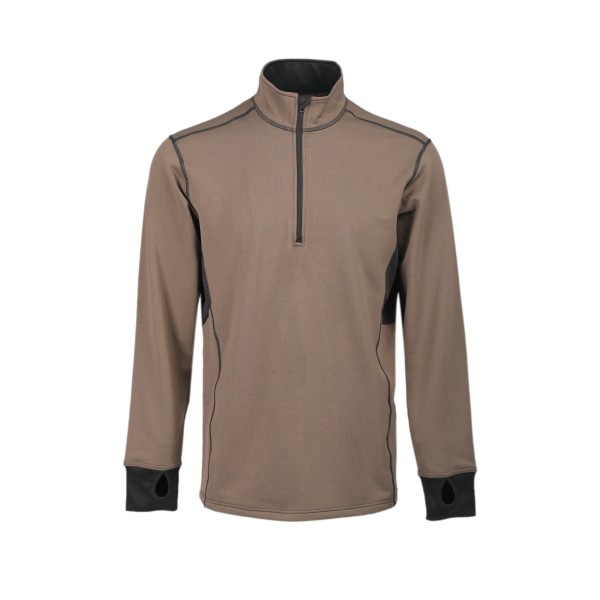
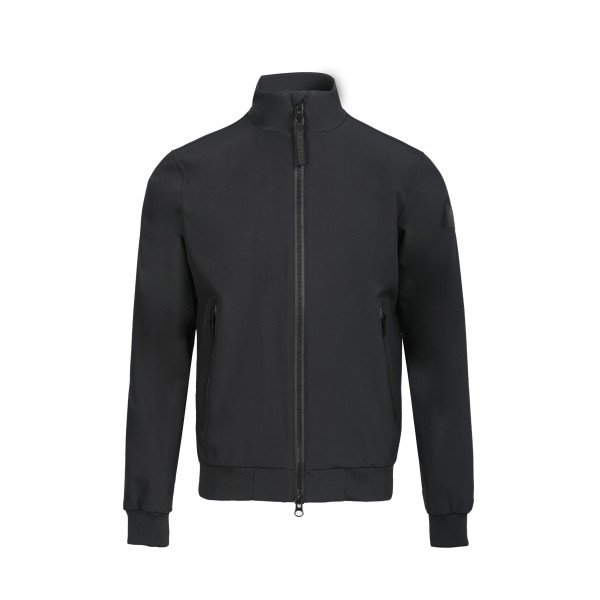
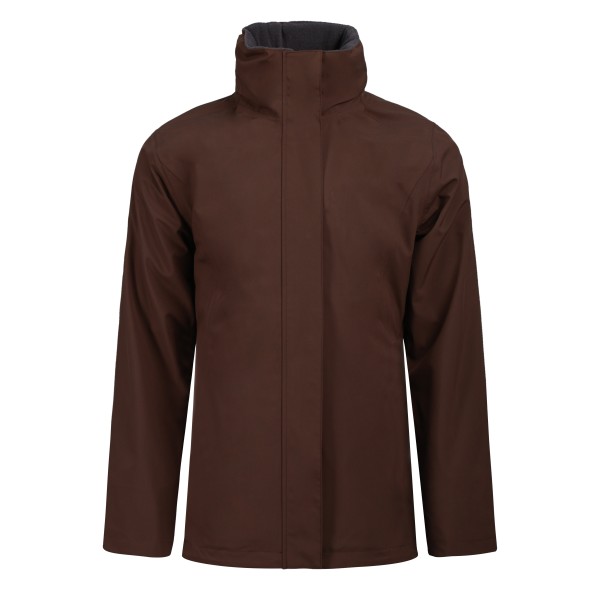
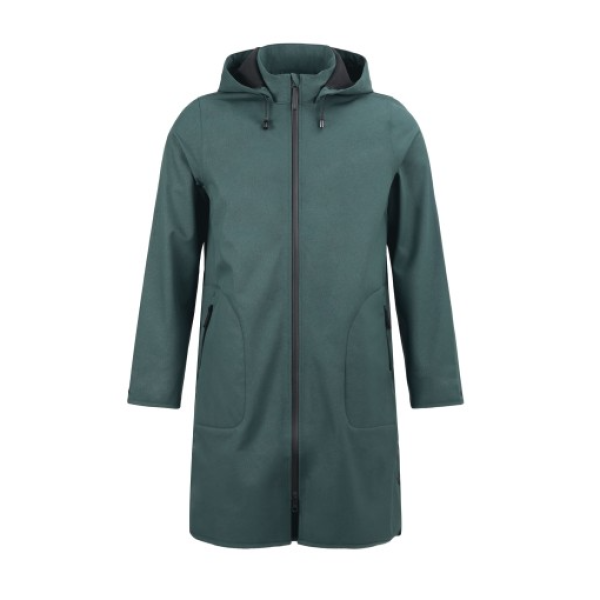
The outdoor clothing industry is evolving faster than ever. What once focused purely on protection and performance has now become a lifestyle statement — merging sustainability, functionality, and urban fashion.
As we move into 2025, outdoor wear is no longer just for adventurers or hikers — it’s for everyone who values durability, comfort, and responsible design.
Let’s explore the top outdoor clothing trends shaping 2025, and how Uniouter— a professional manufacturer with 20 years of expertise — is redefining performance apparel for the modern world.
1. How has outdoor fashion evolved from mountains to city streets?
Outdoor Wear Goes Mainstream
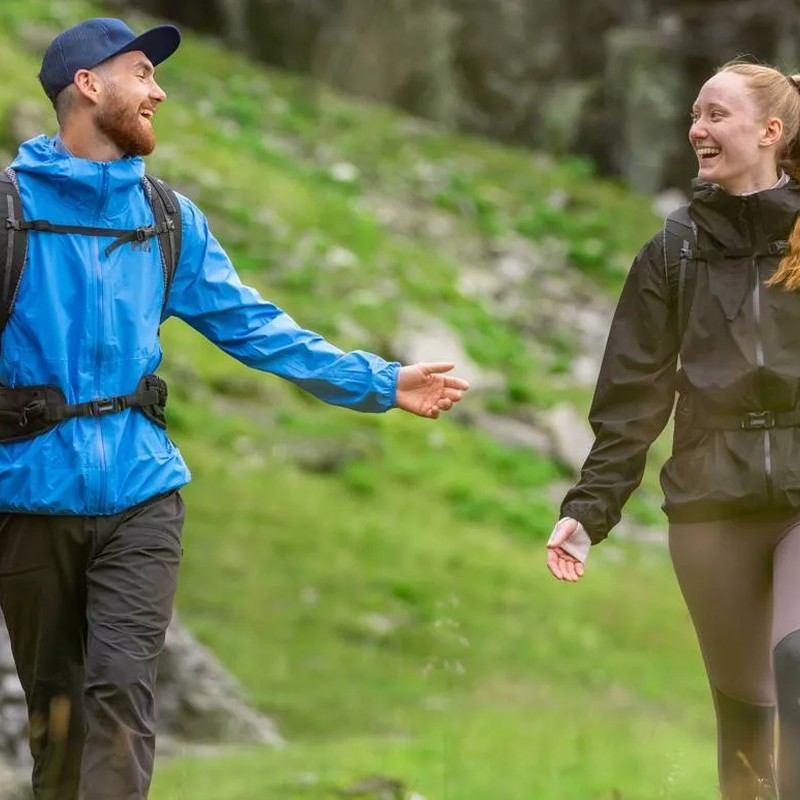
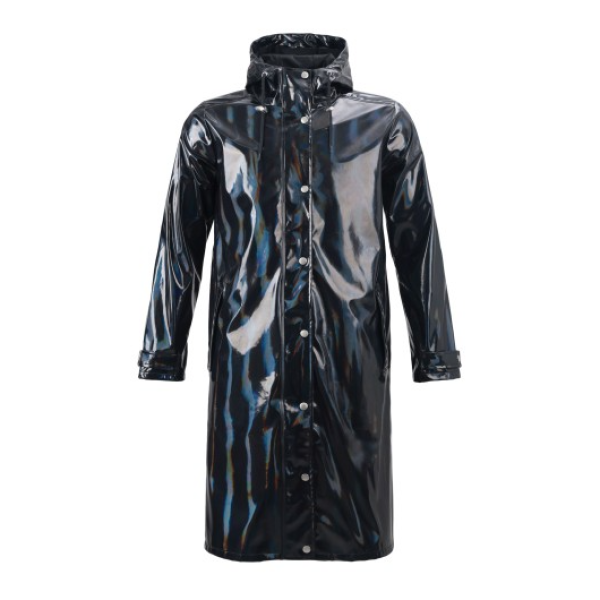
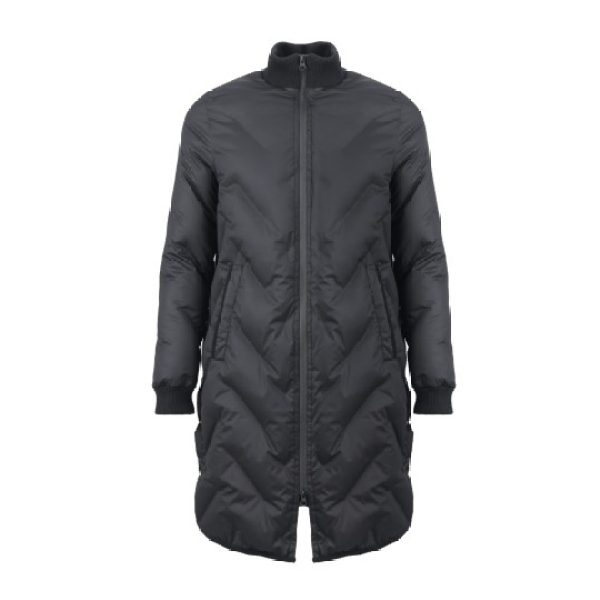
Outdoor fashion has moved far beyond the trails. In 2025, people are wearing performance jackets to coffee shops, technical pants to the office, and waterproof parkas on city commutes. Why? Because today’s consumers want apparel that performs and looks good.
They’re not just chasing the next mountain summit — they’re navigating everyday urban challenges like unpredictable weather and fast-paced commutes. This shift has pushed outdoor brands to rethink design, focusing on versatility and adaptability.
What Today’s Consumers Expect
The modern buyer expects all-weather comfort, sleek silhouettes, and sustainable production — all in one garment. It’s no longer enough to just “protect against rain.” Today’s outdoor wear must transition effortlessly between outdoor adventures and everyday life.
2. Why is sustainability taking center stage?
In 2025, sustainability isn’t a buzzword — it’s a baseline expectation. Eco-conscious consumers are demanding transparency, ethical sourcing, and products that last longer and waste less.
Eco-Friendly Fabrics and Circular Production
From recycled polyester and organic cotton to biodegradable waterproof membranes, sustainable materials are driving innovation. Brands are also adopting closed-loop production systems that reuse fabric scraps and reduce emissions.
How Uniouter Supports Sustainable Manufacturing
At Uniouter, sustainability is embedded in every stage of production.
The company partners with certified fabric suppliers and emphasizes long-lasting construction to reduce waste.
Moreover, Uniouter’s custom manufacturing services allow brands to produce exactly what they need, minimizing overproduction — one of fashion’s biggest environmental issues.
3. How is functionality being redefined as smarter, lighter and more adaptable?
The Rise of Technical Fabrics
Performance fabrics are smarter than ever — lightweight, breathable, and engineered for multiple environments.
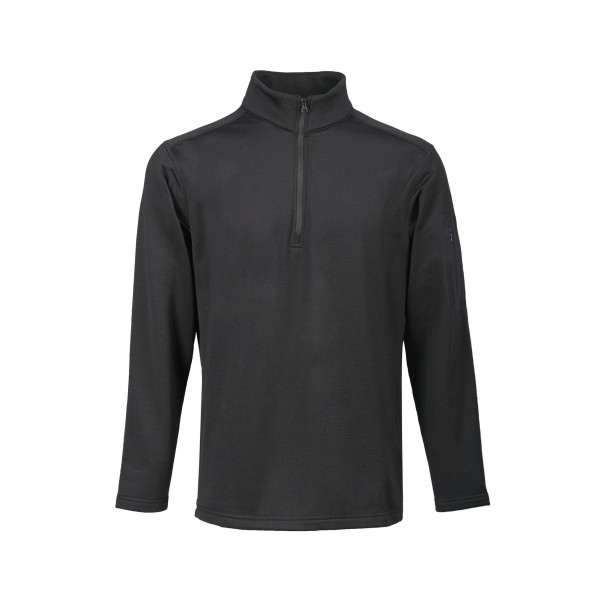
Think moisture-wicking base layers, stretch-resistant shells, and thermoregulating membranes that adjust to your body’s needs.
Brands are also focusing on layering systems that let wearers adapt from morning commutes to weekend hikes without changing their outfit.
With over two decades of experience, Uniouter has mastered the balance of technical innovation and practical design.
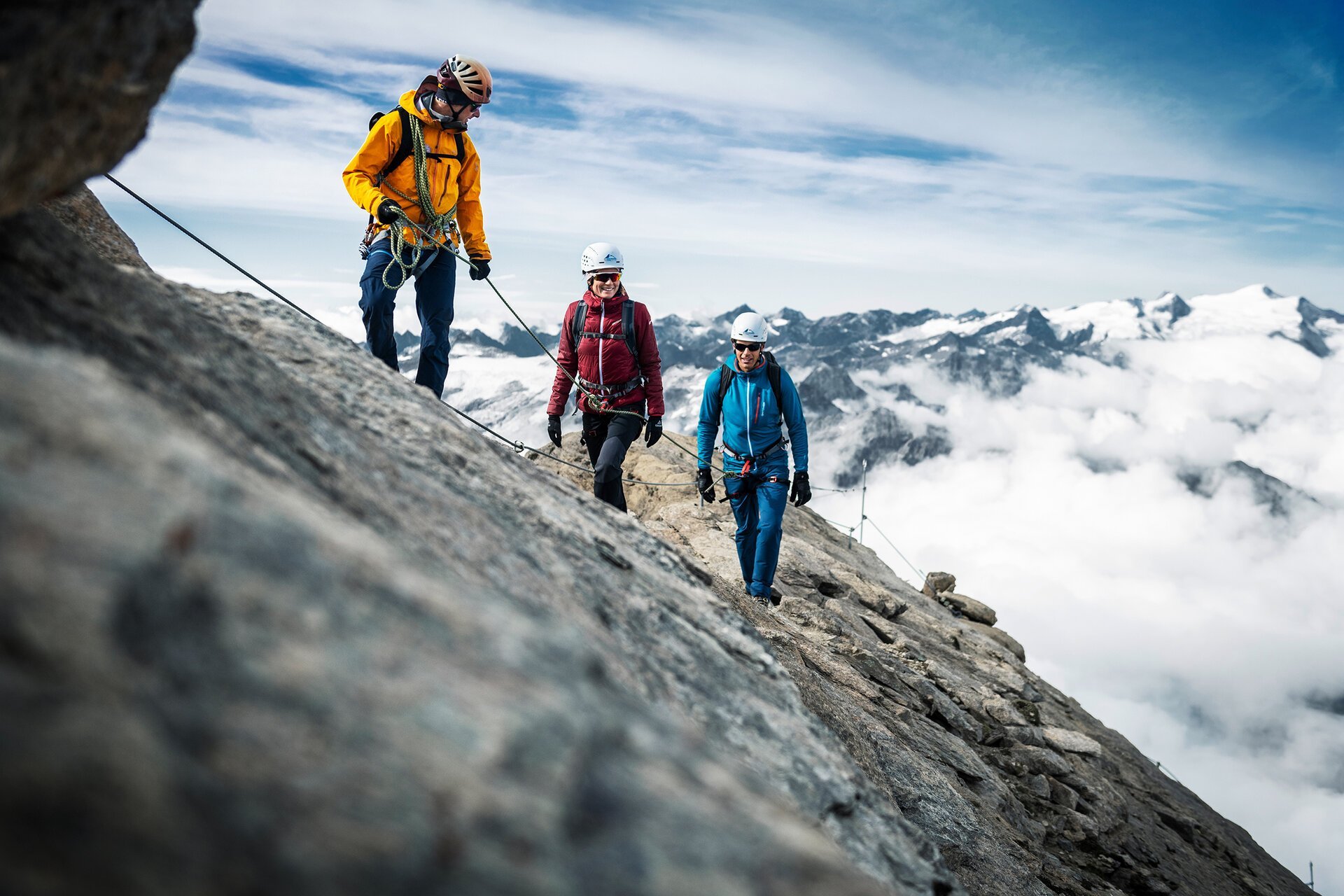
Their Custom Hiking Clothes and Mountaineering Apparel
line uses advanced waterproof-breathable membranes and ergonomic cuts — ensuring both freedom of movement and lasting comfort.
Whether your brand focuses on alpine exploration or light outdoor recreation, Uniouter provides customizable options that elevate both performance and style.
4. Where does performance meet street fashion in urban outdoor style?
The “Commuter-Outdoor” Hybrid Trend
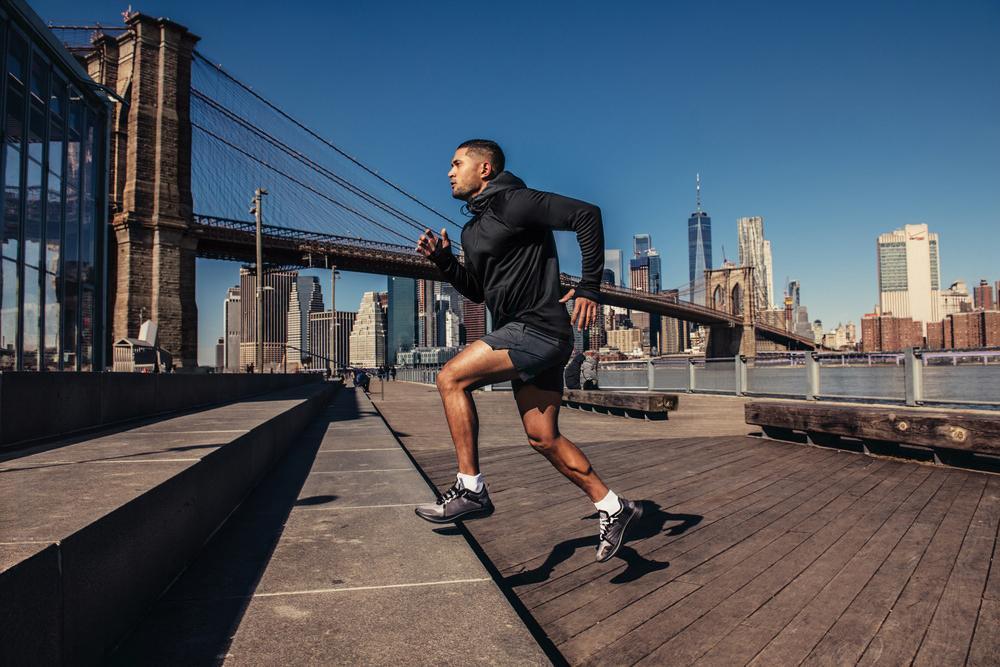
Urban outdoor fashion is booming. People want one jacket that works for both a mountain trail and a city meeting.
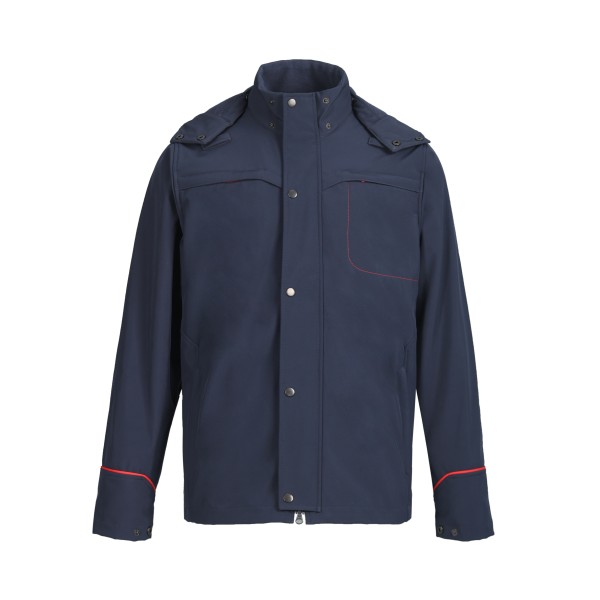
This has led to the rise of “urban techwear” — garments that look minimalist but hide incredible functionality: water resistance, stretch panels, hidden pockets, and windproof seams.
Uniouter’s Custom Commuter Clothing and Urban Outdoor Wear
combines outdoor-grade materials with city-ready silhouettes.
The result? Clothing that’s equally at home on a bike commute or a weekend getaway.
With clean lines, smart ventilation, and weather-resistant fabrics, Uniouter helps brands cater to a new generation that values style without compromise.
5. Why is customization the future of outdoor wear?
Why Personalized Gear Matters
Consumers are moving away from mass production — they want gear that reflects their identity and fits their unique needs.
Customization enables better sizing, tailored features, and branded details that create emotional connection and loyalty.
and see how we can help you turn innovative ideas into market-ready products.
FAQs
1. What are the key fabric innovations in outdoor clothing for 2025?
Expect more bio-based waterproof membranes, recycled synthetics, and temperature-adaptive fabrics designed for multi-environment use. These materials deliver comfort, breathability, and durability — without compromising the planet.
2. How does Uniouter ensure both quality and affordability?
By integrating in-house production, rigorous QC systems, and long-term supplier partnerships, Uniouter maintains high quality while offering 5–10% lower prices than many competitors. Fast lead times (7–10 days for samples, 30–50 days for bulk) also ensure efficiency.
3. Why is “urban outdoor” style gaining popularity?
Because people want versatile gear — one outfit that’s ready for both city life and outdoor escapes.
Urban outdoor clothing blends minimal design with technical performance, making it perfect for modern commuters and weekend adventurers alike.
Pricing
Need pricing for a range you are already specifying?
Send the styles, sizes and target quantities. You get a costed quote per SKU, with fabric options and MOQ, within 24 hours.
About UniOuter: UniOuter (Zhejiang Hualilai Imp & Exp Co., Ltd) has manufactured outdoor and workwear apparel from Hangzhou since 2005. Most of its 20+ export-market clients are repeat buyers — a consequence, the company says, of one self-owned factory, 200+ skilled workers, and the same account team from sampling through shipment.
About the author
Cathy is CEO of UniOuter, the Hangzhou-based outdoor apparel manufacturer. She writes on market shifts, compliance-driven sourcing and what brand buyers should expect from a Chinese factory partner.