Top Workwear Uniform Trends to Watch in 2026
- Share
- Issue Time
- Feb 8,2026
Summary
Discover 2026 workwear uniform trends, smarter fabrics, safety compliance, and how UniOuter delivers durable, customizable industrial uniforms for global businesses.
Introduction
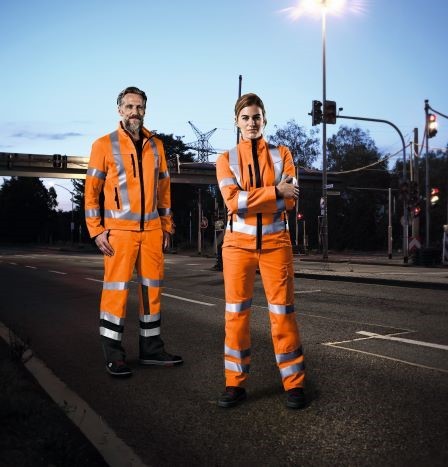
In 2026, workwear uniforms are becoming smarter, safer, more sustainable, and more brand‑focused than ever before. Construction crews, logistics teams, emergency responders, maintenance technicians—every sector is demanding more from what employees wear.
The Numbers Behind the Transformation
The global workwear and uniforms market is experiencing robust growth, driven by workplace safety regulations, workforce expansion, and rising demand for performance‑oriented garments. The total market size is forecast to grow from approximately USD 107.3 billion in 2025 to about USD 114.1 billion in 2026, and further to nearly USD 198.8 billion by 2035 at a CAGR of around 6.4%.
Industrial protective workwear alone accounts for a high share of this demand, with nearly 48% of workwear usage volume attributed to protective and performance garments in 2025.
Smarter Performance Fabrics for Demanding Work Environments
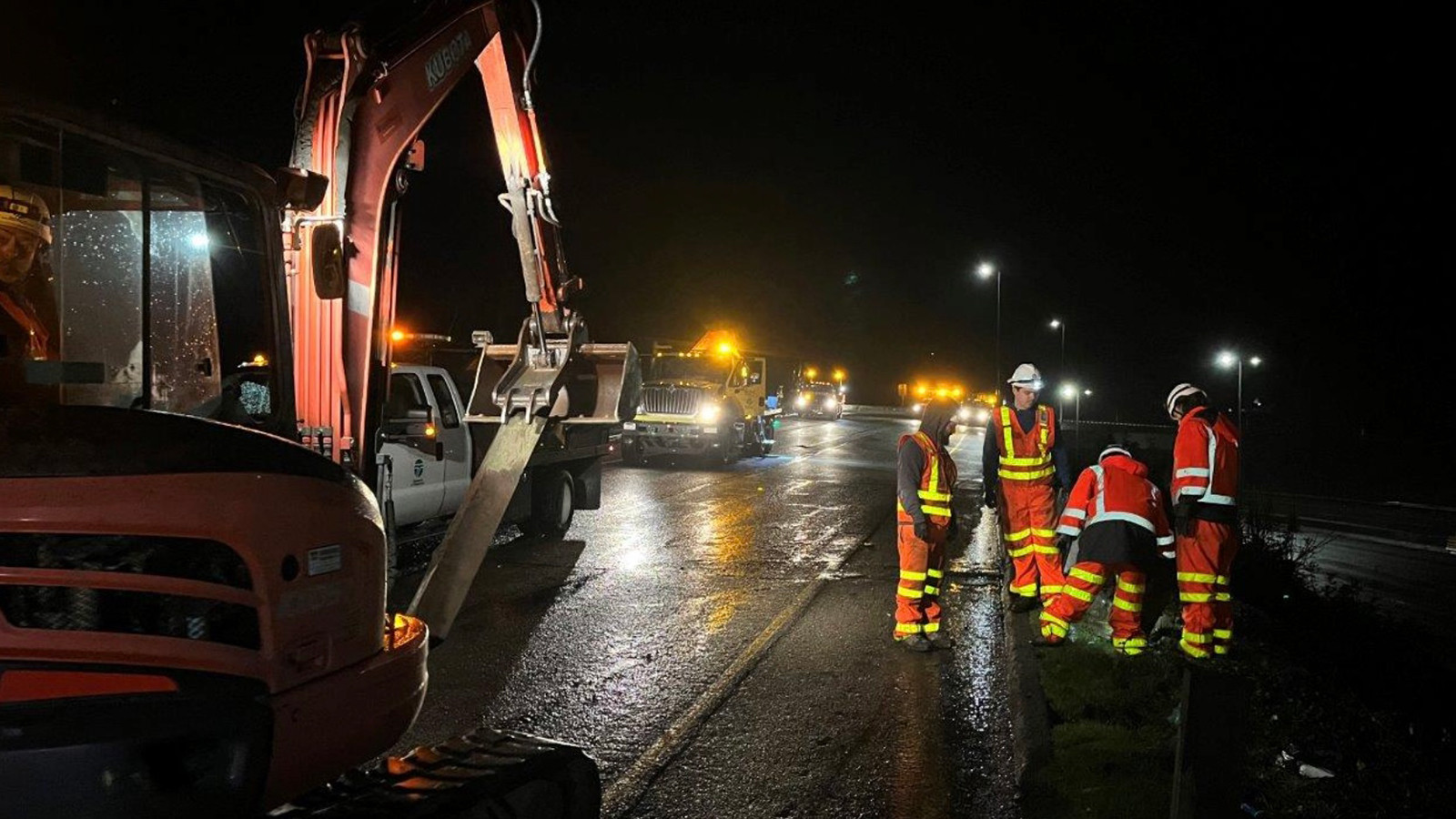
In 2026, workwear fabrics aren’t just “thick cotton” anymore—they’re engineered textiles designed for safety, mobility, and durability.
Increasing adoption of engineered workwear is supported by rising industrial and construction activity worldwide, where protective clothing demand continues to grow. Around 60% of industrial employers now mandate certified workwear to reduce workplace injuries and operational downtime.
Why It Matters in 2026
Protective performance is becoming a minimum requirement rather than a premium‑add‑on.
Engineered textiles like ribstop blends, flame‑resistant treated fabrics, and water‑repellent shells are increasingly standard.
This trend aligns with the broader global push: approximately 56% of large enterprises now invest in flame‑resistant and high‑visibility workwear to meet evolving safety regulations and worker comfort expectations.
User Pain Point: Choosing the right technical fabric often feels overwhelming—balancing protection, mobility, breathability, and weight requires deep expertise.
Safety Compliance Meets Modern Design
Workwear in 2026 isn’t just functional—it’s also visually modern and tailored for everyday wear.
Around the world, occupational safety standards are becoming stricter, particularly in construction, emergency response, and industrial sectors. Protective garments now often require certified reflective visibility, flame resistance, and abrasion resistance to meet compliance.
At the same time, companies are paying attention to fit and appearance because uniforms influence team morale and professionalism. In fact, more than 55% of employers link modern, functional uniforms to improved productivity and reduced workplace incidents.
Slim but functional silhouettes
Articulated knee construction for mobility
Modular layering systems
Breathable panels for comfort
Sustainability & Durability: The New Cost‑Saving Strategy
Replacing uniforms every season is not just inconvenient—it’s costly.
Market Insight: Sustainable materials are no longer a niche. Around 47–48% of uniform lines now incorporate sustainable or recycled fibers, reflecting a growing buyer focus on eco‑friendly solutions and long‑term cost control.
Why Durable Workwear Saves Money
Cheaper uniforms often cost less upfront but wear out sooner.
Long‑lasting garments reduce reorders and streamline procurement planning.
Durability is now closely tied to sustainability metrics within enterprise purchasing guidelines.
At UniOuter, we apply outdoor apparel durability principles—such as advanced seam construction and material optimization—to create uniforms engineered for high‑wash cycles, extended wear, and reduced lifecycle costs.
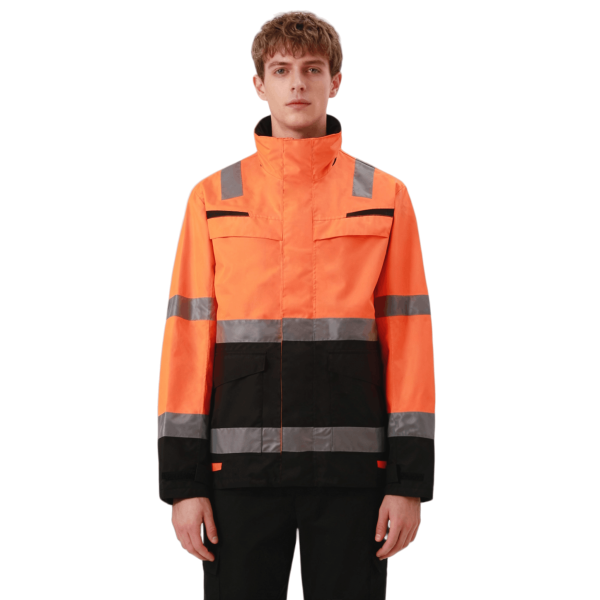
Inherent Flame Retardant Hi-Vis Winter Jacket with removable hood, fiberfur lining in body and quilted lining in sleeves.
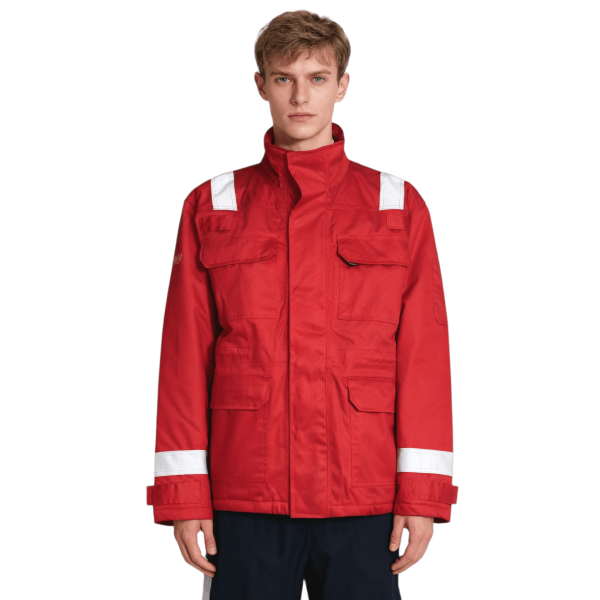
Durable, safe, and comfortable, specially designed for construction and industrial work
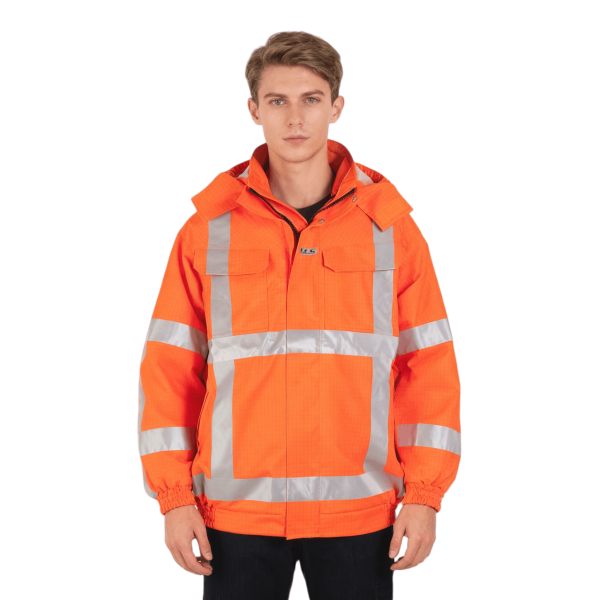
This comfortable, inherently flame-retardant jacket offers top protection against molten aluminium and other metals.
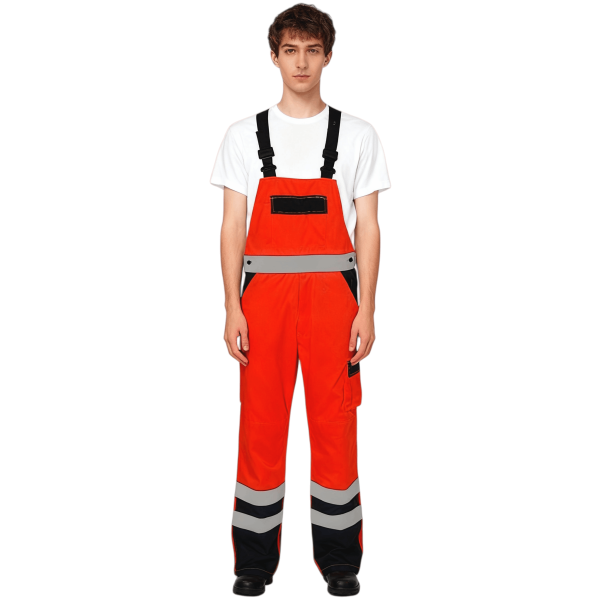
Non-Metal and Inherent Flame Retardant High Visibility Bib Overalls with front zip,Orange-black

Customization, Branding & Flexible Production Cycles
In 2026, workwear is leveraged not just for protection but as a branding tool.
Customized uniforms with embroidered logos, color‑matched trims, and branded reflective elements help companies communicate professionalism and cohesion. Nearly 64% of large enterprises worldwide now provide branded uniforms to employees to strengthen brand recognition and identity.
Why Customization Matters
Smaller minimum order quantities are increasingly requested.
Faster sample cycles and regional adaptation are expected.
Digital ordering and flexible production support ensure readiness for seasonal or geographic shifts.
Private label manufacturing and OEM partnerships are booming as startups and mid‑sized distributors look for reliable suppliers who can rapidly adapt and innovate.
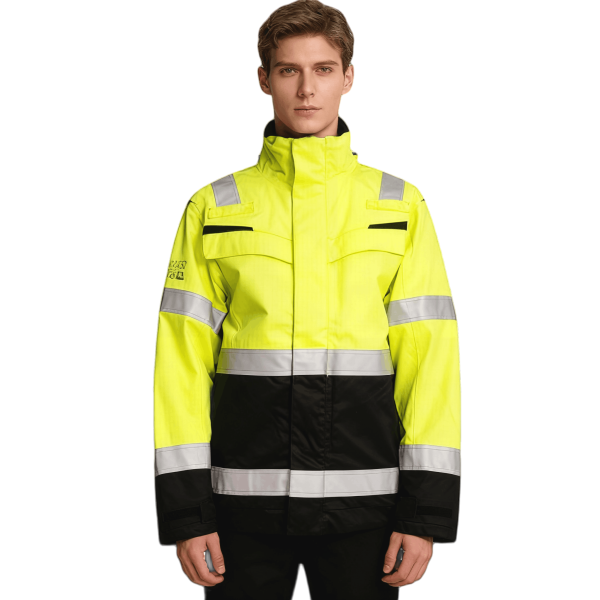
This winter jacket features accessible pockets, a comfortable fit, and durable material for extreme working conditions.
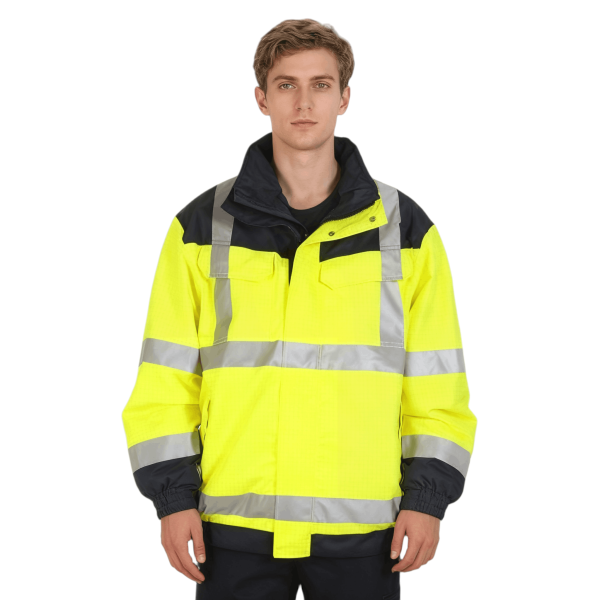
Hi-vis reflective, waterproof Class 3 safety jacket with pockets. Ideal for cold weather construction work.
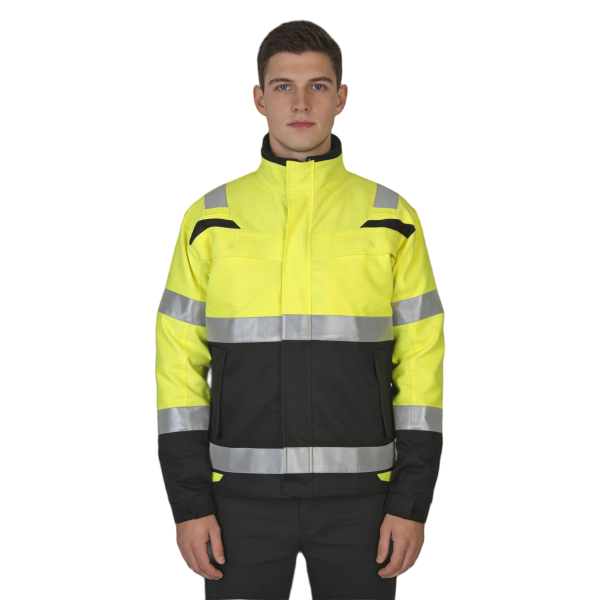
This jacket features flame-retardant reflective strips, breathable fabric, and taped seams for enhanced protection and comfort.
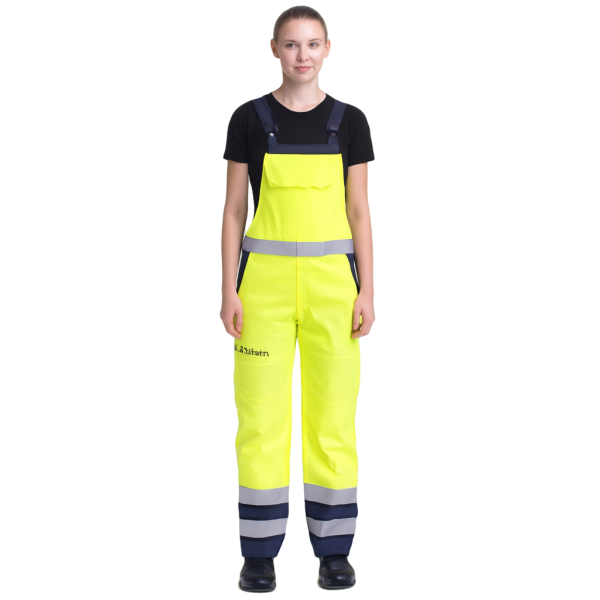
Advanced Hi-Vis bib 'n' brace with fluorescent stretch fabric and 4-way stretch in key areas.
Conclusion:
The workwear uniform industry in 2026 is smarter, more regulated, more brand‑focused, and more performance‑driven than ever before.
If you’re still sourcing uniforms based purely on price per piece, you’re relying on yesterday’s model. Today’s successful companies ask questions like:
Does this garment meet safety standards?
How long does it last?
Does it reflect our brand identity?
Can our supplier adapt quickly?
Workwear is no longer just protective clothing—it’s a strategic tool for safety, branding, and workforce performance.
👉 With strong global market growth, rising safety mandates, and evolving workplace expectations, investing in engineered, customizable workwear is not just a trend—it’s a business imperative.
FAQs
1. What is the best fabric for industrial workwear in 2026?
Poly-cotton ripstop blends with stretch inserts are trending due to durability, mobility, and wash resistance.
2. Are flame-retardant uniforms necessary in all industries?
No. They’re essential in high-risk sectors like oil & gas or emergency response, but not in general logistics.
3. How can companies reduce workwear replacement costs?
Invest in reinforced construction, higher tear-strength fabrics, and experienced manufacturers who engineer garments for durability.