From Uniform to Asset: How Traceability and Repair Data Are Changing Workwear Buying
- Share
- publisher
- UniOuter
- Issue Time
- Oct 3,2026
Summary
Workwear is being managed as an asset rather than a consumable. Traceable garments with serialised identifiers, wash-cycle records and repair histories reduce replacement cost, support compliance and increasingly feed the data that contracts are scored on.
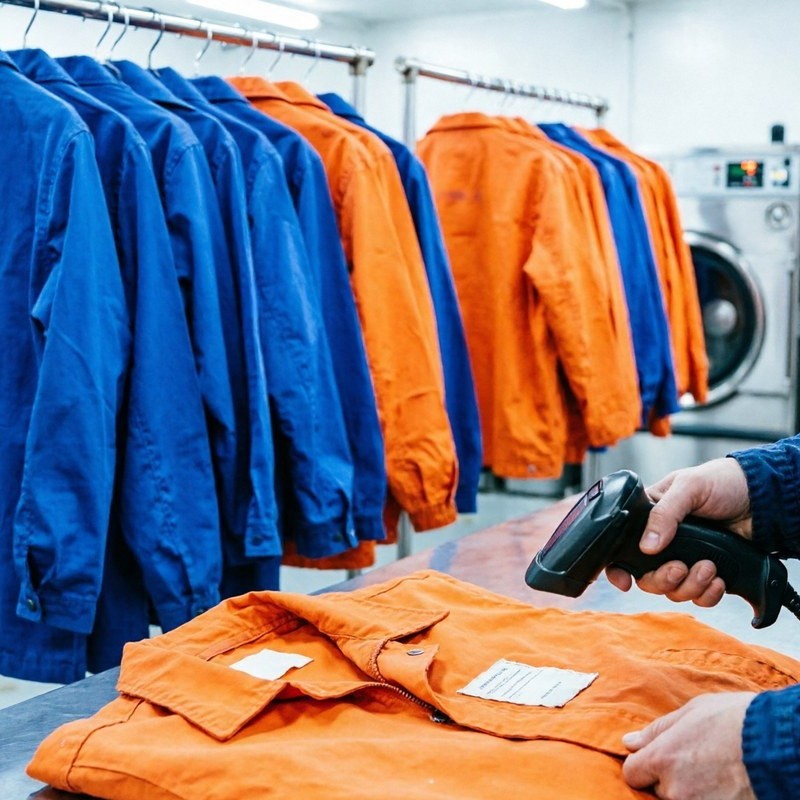
A uniform that can be identified, tracked and repaired is a different product from one that is replaced when it fails. The difference is data, and buyers are starting to price it.
This guide explains how serialised garment identity, wash-cycle records and repair history turn workwear into a managed asset, what the data changes about replacement cost and compliance, and how to specify it without over-engineering a programme. It builds on our look at smart textiles in safety apparel and on the factory audit checklist used to verify a supplier before contract.
Why Workwear Is Being Treated as an Asset
Two pressures converge. The first is cost: a uniform service that knows which garments are reaching end of life can replace them in planned batches instead of reacting to failures, and planned replacement is cheaper per unit. The second is compliance. Protective garments carry claims that degrade with use, and the protective property is only valid while the garment still passes. Knowing how many wash cycles a jacket has been through is the difference between a claim you can defend and one you hope nobody checks.
A third pressure is arriving from regulation. The Ecodesign for Sustainable Products Regulation, Regulation (EU) 2024/1781, introduces the Digital Product Passport, a structured digital record reached through a data carrier such as a QR code. A garment that already carries a stable identifier is far closer to being able to issue that record than one that does not.
The Three Layers of Garment Data
| Layer | What it identifies | What it enables |
|---|---|---|
| Product identity | The style, specification and standard claims | Correct replacement specification and compliance evidence per style |
| Item identity | The individual garment, via a serialised identifier or tag | Allocation to a wearer or location, and per-item service history |
| Service history | Wash cycles, repairs, inspections and condition | Planned replacement, defensive evidence on protective claims, and repair decisions |
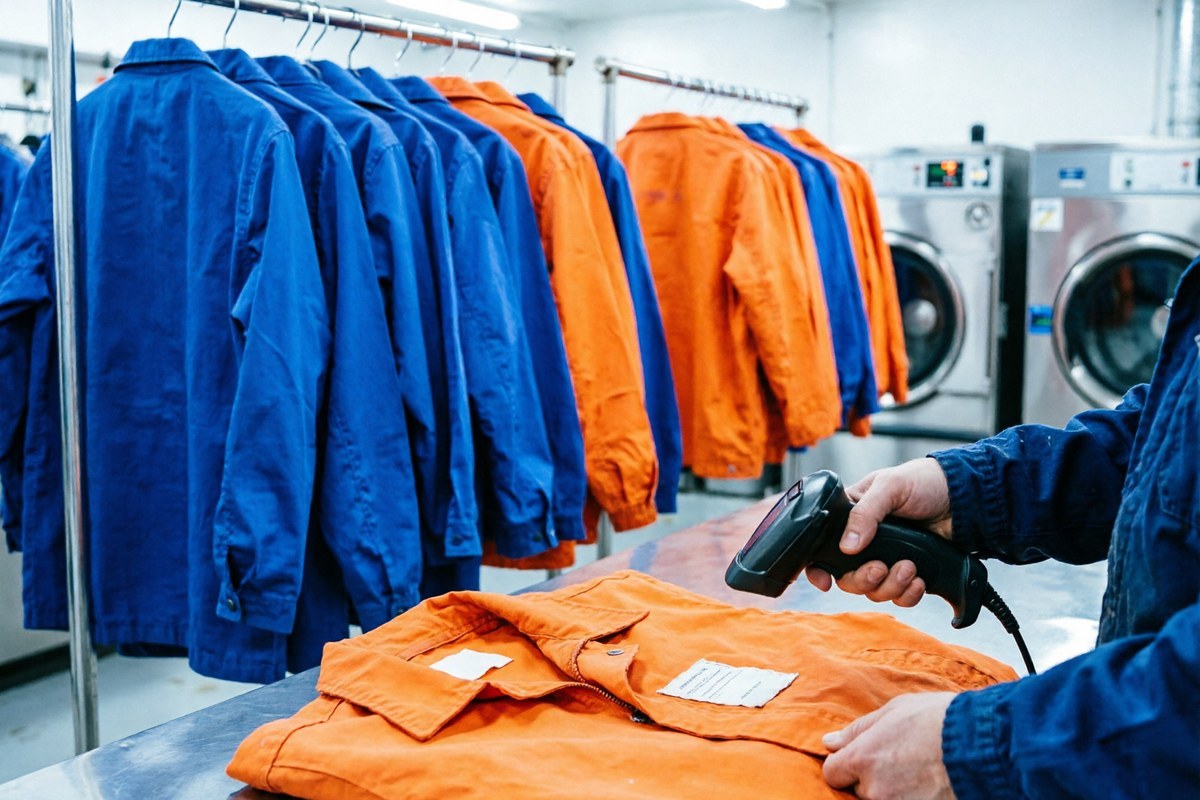
The design point that decides cost. The identifier has to survive industrial laundering. A sewn-in woven label with a stable code, or a tag positioned so it does not chafe, outlasts a printed or adhesive label every time. Specifying the carrier matters as much as specifying the data.
What the Data Changes in Practice
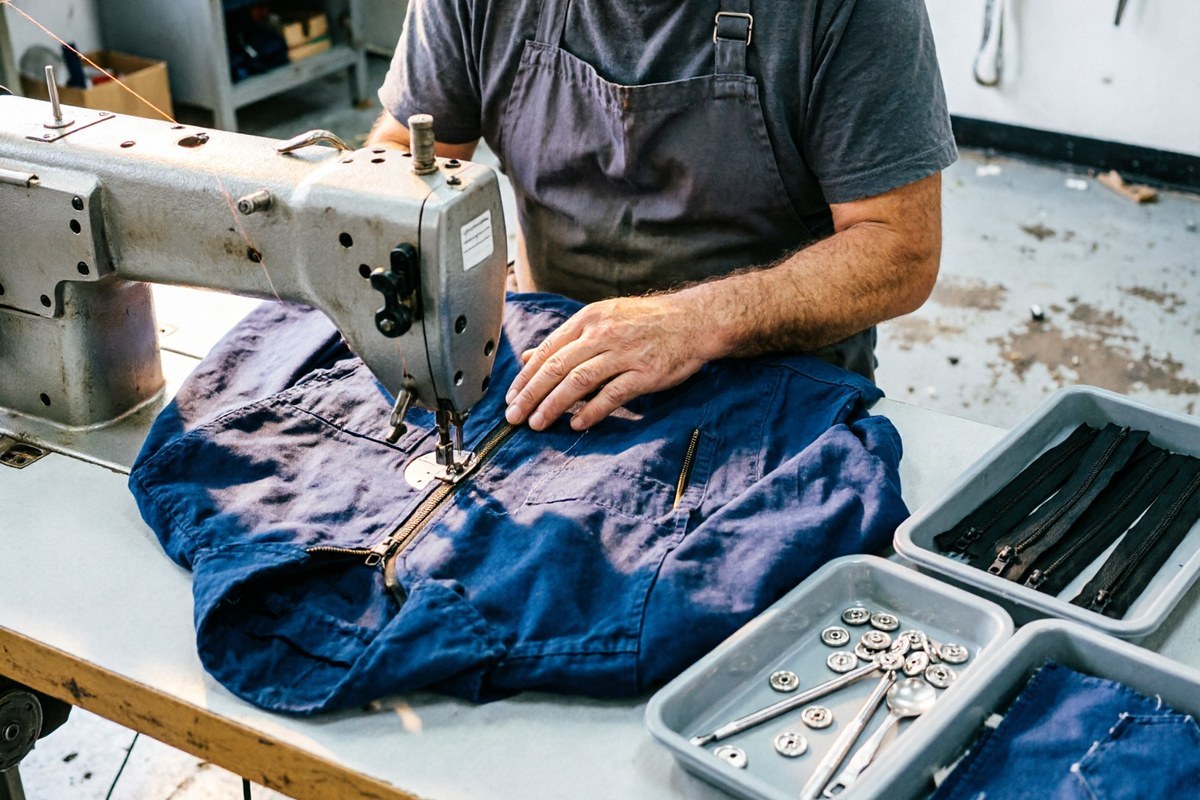
The most valuable output is not the tracking itself but the repair decision. A garment with a failed zip, a damaged cuff or a torn pocket is usually repairable at a fraction of replacement cost, and knowing its remaining service life tells you whether repair is worth it. Programmes that manage this well push average garment life up materially, which reduces both spend and waste volume.
Specifying Traceable Workwear: Six Steps
Where Programmes Get It Wrong
Tracking without a decision
Data is collected but nobody acts on it, so garments are still replaced reactively. Tracking has to be tied to a replacement and repair routine to pay for itself.
Fragile identifiers
Printed or adhesive labels wash out within a few cycles, and the programme quietly loses its item-level history.
Repair without parts
A repair commitment without matching zips, tapes and fabrics in stock becomes a replacement policy with extra paperwork.
Compliance claims outrunning evidence
Protective performance degrades with laundering, so a claim stated for a new garment needs a wash-cycle boundary and per-item history behind it.
The Compliance Dividend
Traceable workwear pays a second dividend in social and chemical compliance. Programmes with item-level data can show exactly which production batch a garment came from, which makes it far easier to respond when a buyer asks for evidence. The frameworks that structure that evidence are already standard: recycled content through the chain-of-custody systems administered by Textile Exchange, and labour standards through amfori BSCI audits. Traceability turns those certificates from a folder into an answerable record.
Sector-specific programmes benefit differently. Roles with high replacement rates and strict hygiene or protection requirements, such as construction and healthcare uniforms, are where the cost benefit appears fastest. Our overview of industry-specific wholesale workwear covers how requirements diverge between them.

Where UniOuter Fits
We build workwear that is ready for item-level management: stable woven identity labels positioned for laundering, standardised identifier formats so data can be exchanged with your systems, construction details chosen to support repair rather than replacement, and product data kept structured per style so it can feed a digital record later. Send your programme outline through our inquiry page and we will propose a construction and labelling approach that fits your asset management routine.
Shop Durable & Repairable Workwear


Frequently Asked Questions
Product level identifies the style, specification and standard claims. Item level identifies the individual garment through a serialised code or tag, which is what allows allocation to a wearer, per-item service history and planned replacement.
A sewn-in woven label with a stable code is the most durable option and outlasts printed or adhesive labels in an industrial wash regime. Test the carrier through the actual wash process before committing a full programme to it.
Protective performance degrades with laundering, so a claim stated for a new garment needs a wash-cycle boundary. Item-level history lets you demonstrate that a garment is still within its validated service life, which is far more defensible than a batch-level assumption.
For structural damage such as a failed zip, a torn pocket or a damaged cuff, repair is usually a fraction of replacement cost. It only works if spare zips, tapes and fabrics are held in stock and a repair standard exists, otherwise the programme drifts back to replacement.