Workwear Factory Audit Checklist: 12 Points to Verify Before You Sign a 2027 Supply Contract
- Share
- publisher
- UniOuter
- Issue Time
- Oct 16,2026
Summary
A 12-point workwear factory audit checklist for B2B buyers: business license, sewing line ownership, fabric traceability, test reports, inline QC, machine calibration, wash testing, social compliance and the red flags that end an audit early.
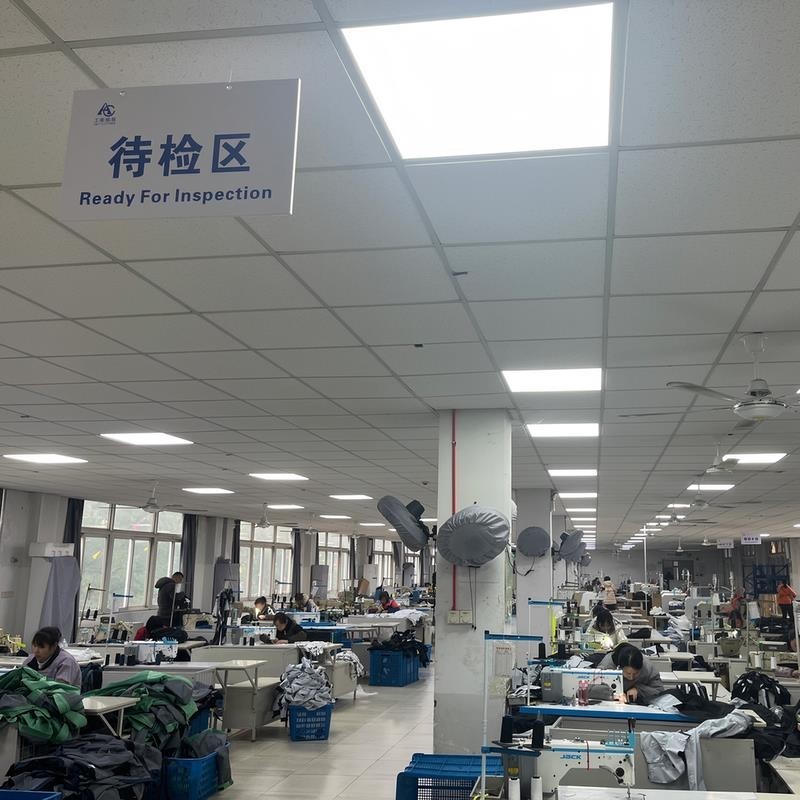
A workwear factory audit is the cheapest insurance you will ever buy. One audit day, done properly, protects a contract worth months of production and tells you more than fifty email exchanges ever will. The problem is that most buyers do not know what to look at once they are standing on the floor.
This checklist distills what we look for when we audit partner factories and what professional buyers check when they audit ours. Use it for on-site visits, or run it as a structured video audit when travel is not an option. It complements our general factory vetting guide with points specific to workwear and safety garment production. For context on how we run our own lines, see about UniOuter.
Why Workwear Factories Need a Deeper Audit Than Fashion Suppliers
Workwear carries obligations that fashion garments do not. Hi-vis garments must keep their retro-reflective performance after washing, flame retardant fabrics must survive industrial laundering cycles, and waterproof seams must hold under hydrostatic pressure. A factory can look modern and still fail on these details, because performance depends on fabric sourcing discipline, machine calibration, and record keeping rather than on shiny equipment.
That is why this checklist focuses on evidence, not impressions. Every point below is something you can verify by looking at a document, a machine, or a physical garment, not something you have to take on trust.
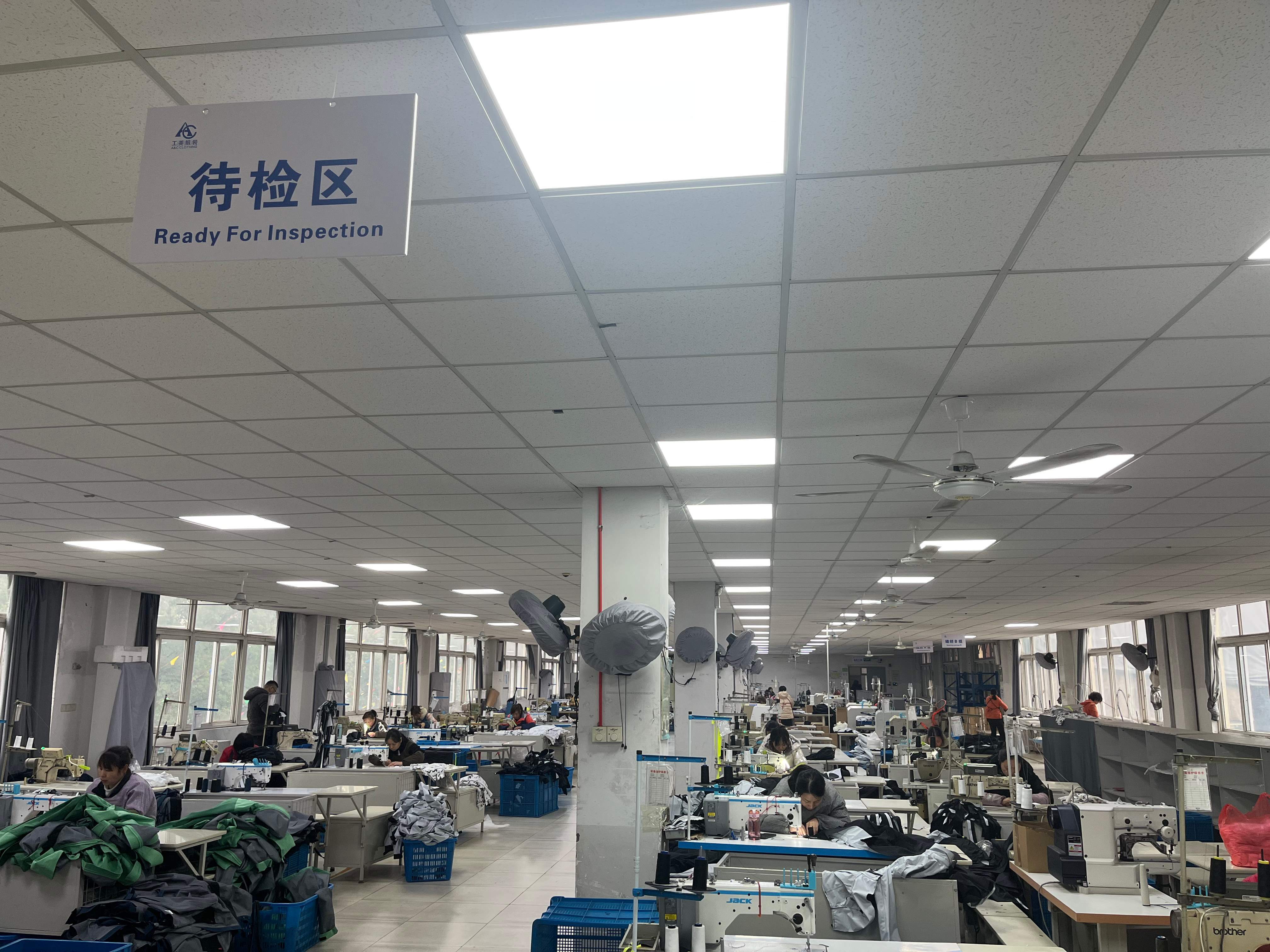
The 12-Point Workwear Factory Audit Checklist
- 1. Business license and export history. Confirm the legal entity matches the bank account, and ask how many years the factory has exported to your market. Request two reference customers you may contact.
- 2. Ownership of the sewing lines. Count the lines and ask which are in-house versus subcontracted. If more than a third of capacity is subcontracted, you are buying from a coordinator, not a manufacturer.
- 3. Technical staff on the floor. Pattern makers, sample machinists, and an IE (industrial engineer) should be employees, not freelancers. Ask who signs off on a graded size set.
- 4. Fabric traceability. Pick any roll on the floor and ask for its supplier, test report, and lot number. Performance workwear lives or dies on fabric traceability.
- 5. Lab and test documentation. Ask for third-party reports from the last 12 months: colorfastness, shrinkage, waterproof hydrostatic head, retro-reflective coefficient, and FR performance. Check the dates and the fabric lots they cover.
- 6. Standard-specific experience. If you buy hi-vis, FR, or anti-static garments, ask which standards the factory has produced against and how often. A factory that has passed EN ISO 20471 audits knows things one that has not will learn on your order.
- 7. Inline QC system. Look for traffic-light boards, measurement stations, and in-line checkers on the line itself. Ask what AQL the factory uses by default and see a recent inspection report with real defect codes.
- 8. Machine maintenance and calibration. Check the maintenance log for bar tack machines, feed-off-the-arm machines, and needle detectors. Missed bar tacks on pocket corners are a classic workwear failure.
- 9. Wash and wear testing. For uniforms that will be industrially laundered 50+ times, ask how the factory validates wash performance. Good factories run internal wash cycles on trial garments before bulk.
- 10. Social compliance. BSCI or similar audit reports, fire exits, and worker contracts. EU and US corporate buyers increasingly require this documentation for tenders. Our overview of sustainability and compliance in workwear covers which certificates matter.
- 11. Warehouse and cutting room discipline. Fabric should be rested before cutting, stored off the floor, and issued against a cutting ticket. Chaotic cutting rooms produce size drift that no final inspection can fix.
- 12. Communication and escalation path. Ask who your single point of contact is, what their English level is, and how production problems are escalated. Agree the reporting cadence before you leave: weekly photos, production reports, and a named backup contact.
Red flags that end the visit early. Refusal to show the sewing floor live, test reports older than a year, a quotation that arrives before your specification does, and any request to move payment to a personal account. Each one alone is reason enough to walk away, whatever the price looks like.
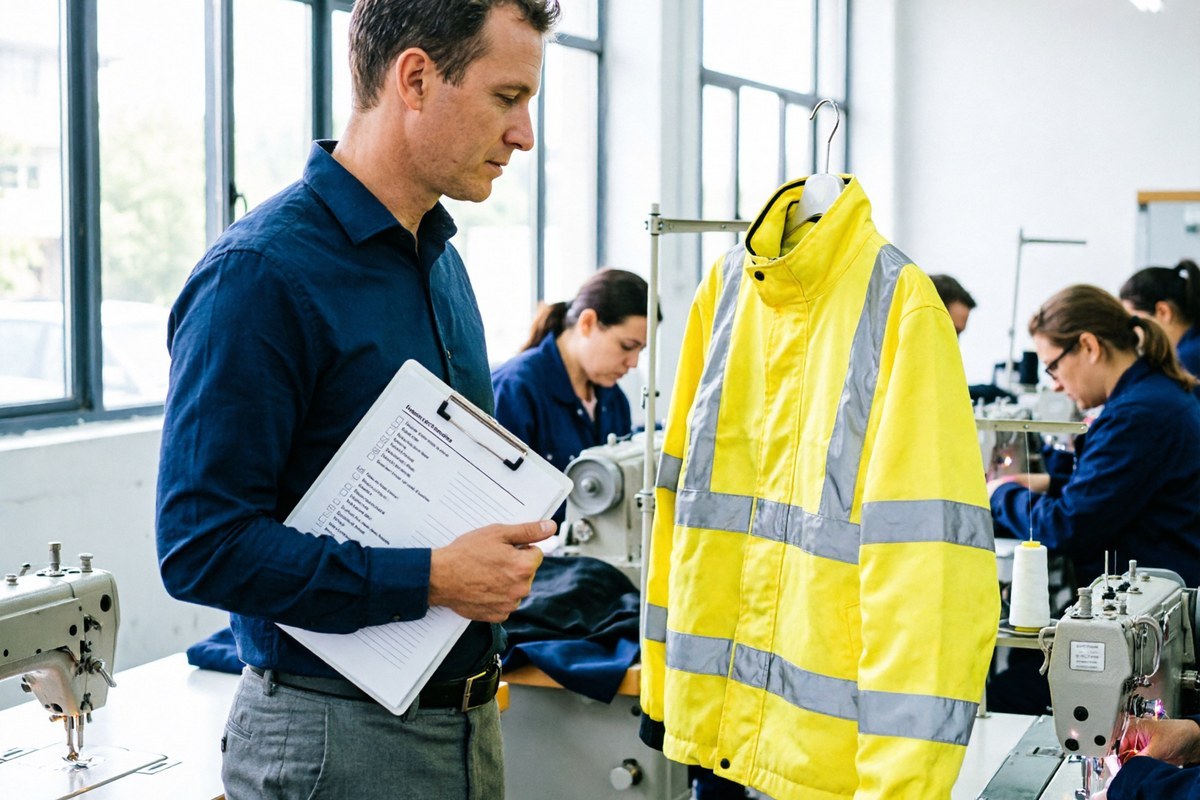
How to Structure the Audit Day
An audit day has a natural order. Follow it, and you will see the factory the way its own production manager does.
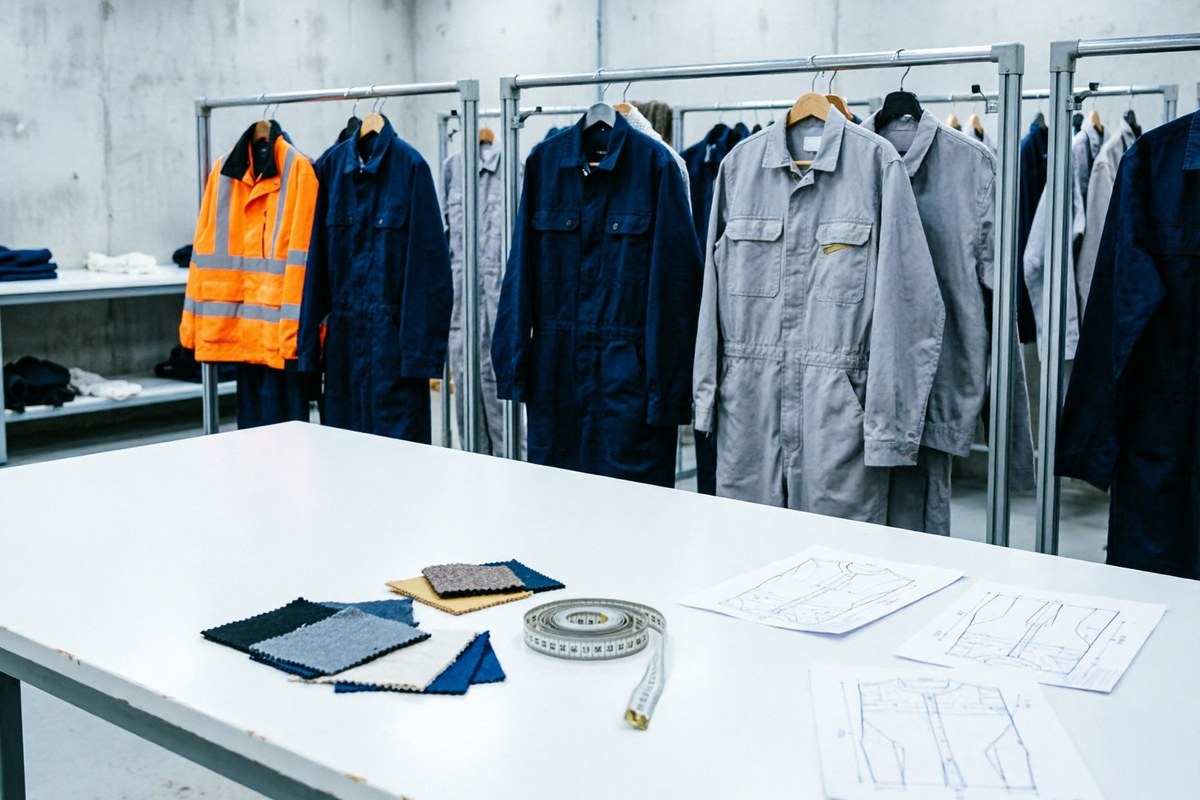
From Audit to Contract: What to Lock in Writing
An audit only creates value when its findings are written into the supply agreement. Before signing, put four things in writing: the approved specification and golden sample reference, the inspection regime with AQL levels, the test documentation the factory must provide with each shipment, and the escalation and remedy process for late or defective delivery. Our companion guide on choosing work uniform fabrics shows how to attach fabric requirements to the contract in a way inspectors can actually test against.
If you would rather not audit alone, we welcome buyer audits at our facility and can share our licenses, certificates, and recent third-party test reports in advance. Send us an inquiry and we will schedule a live or on-site audit walk-through.
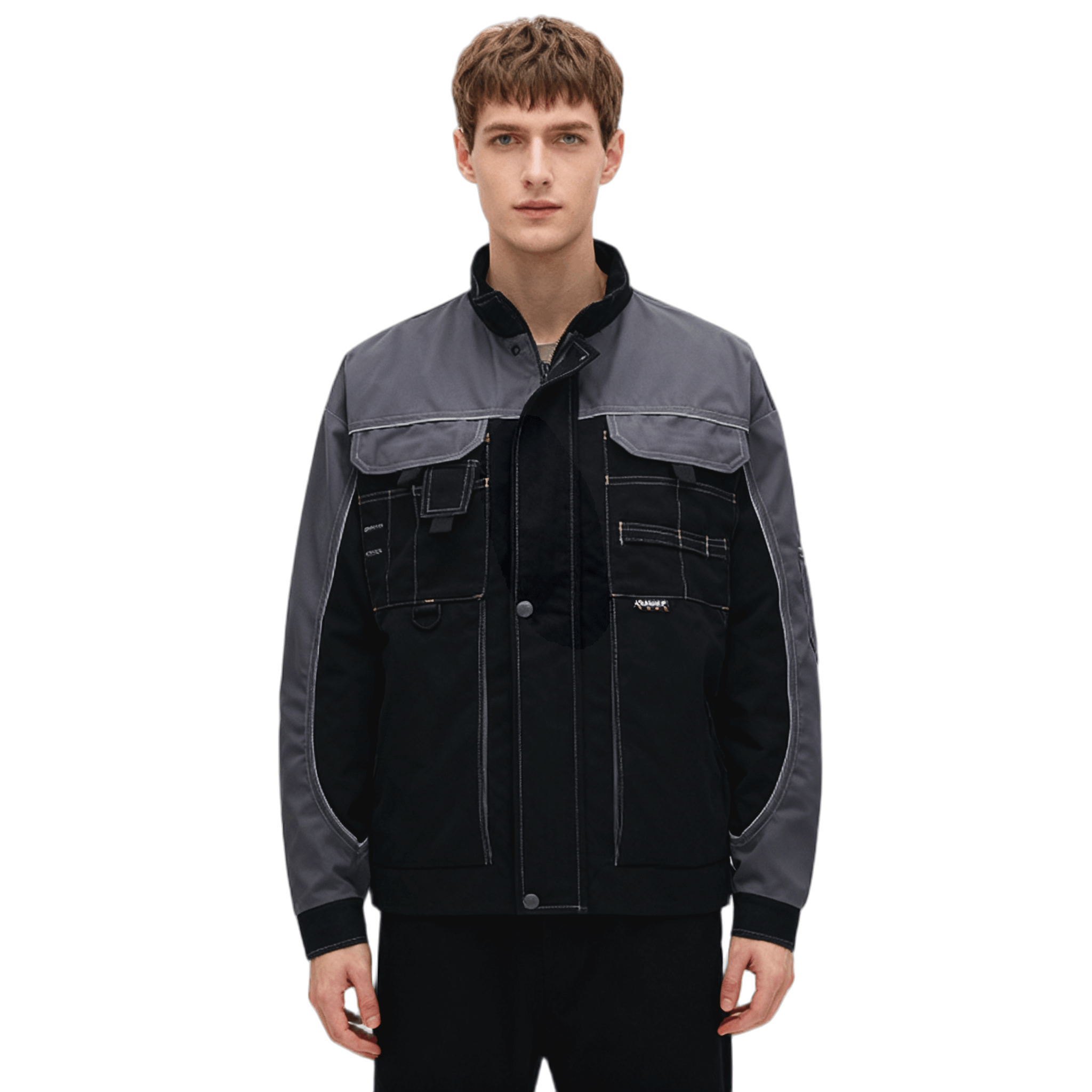
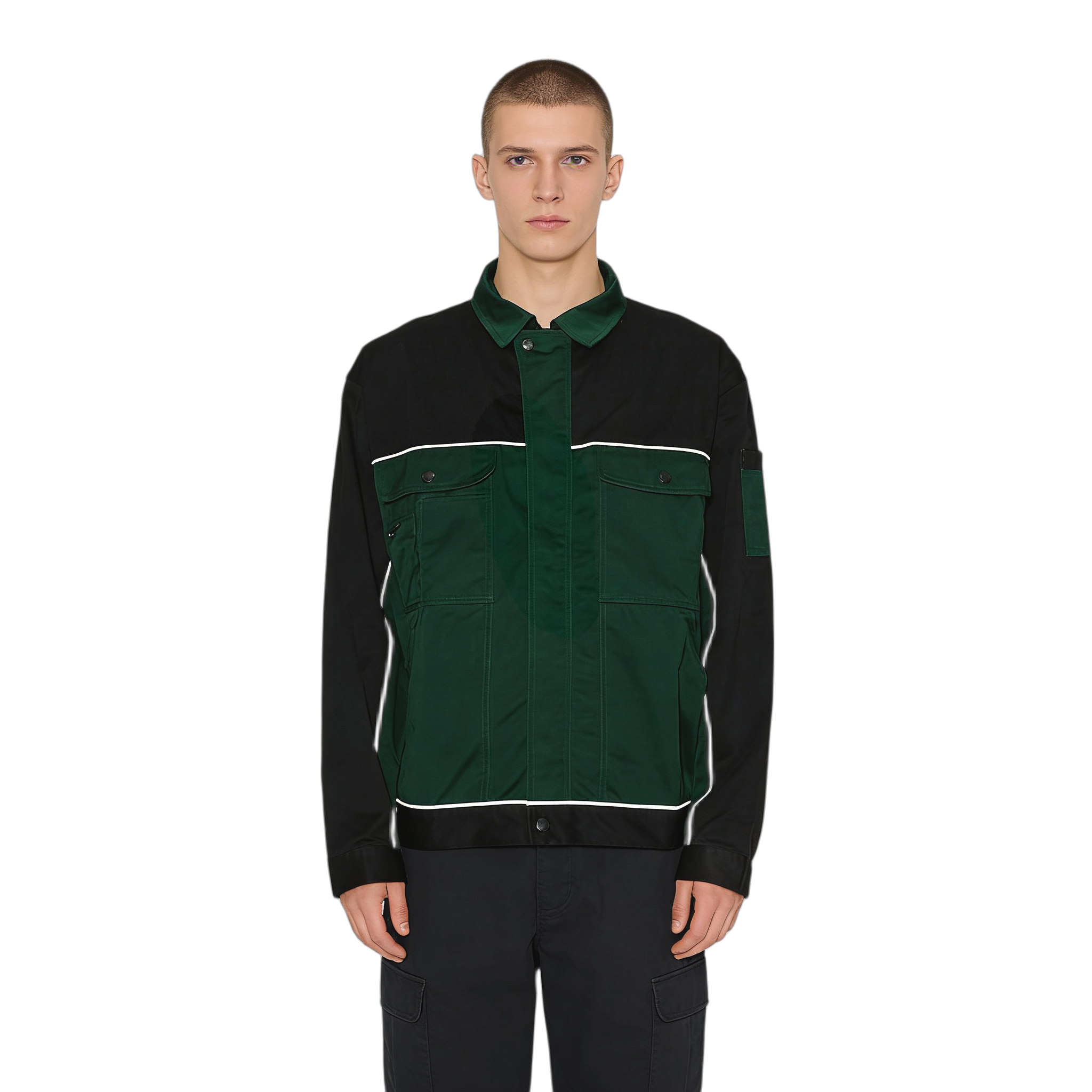
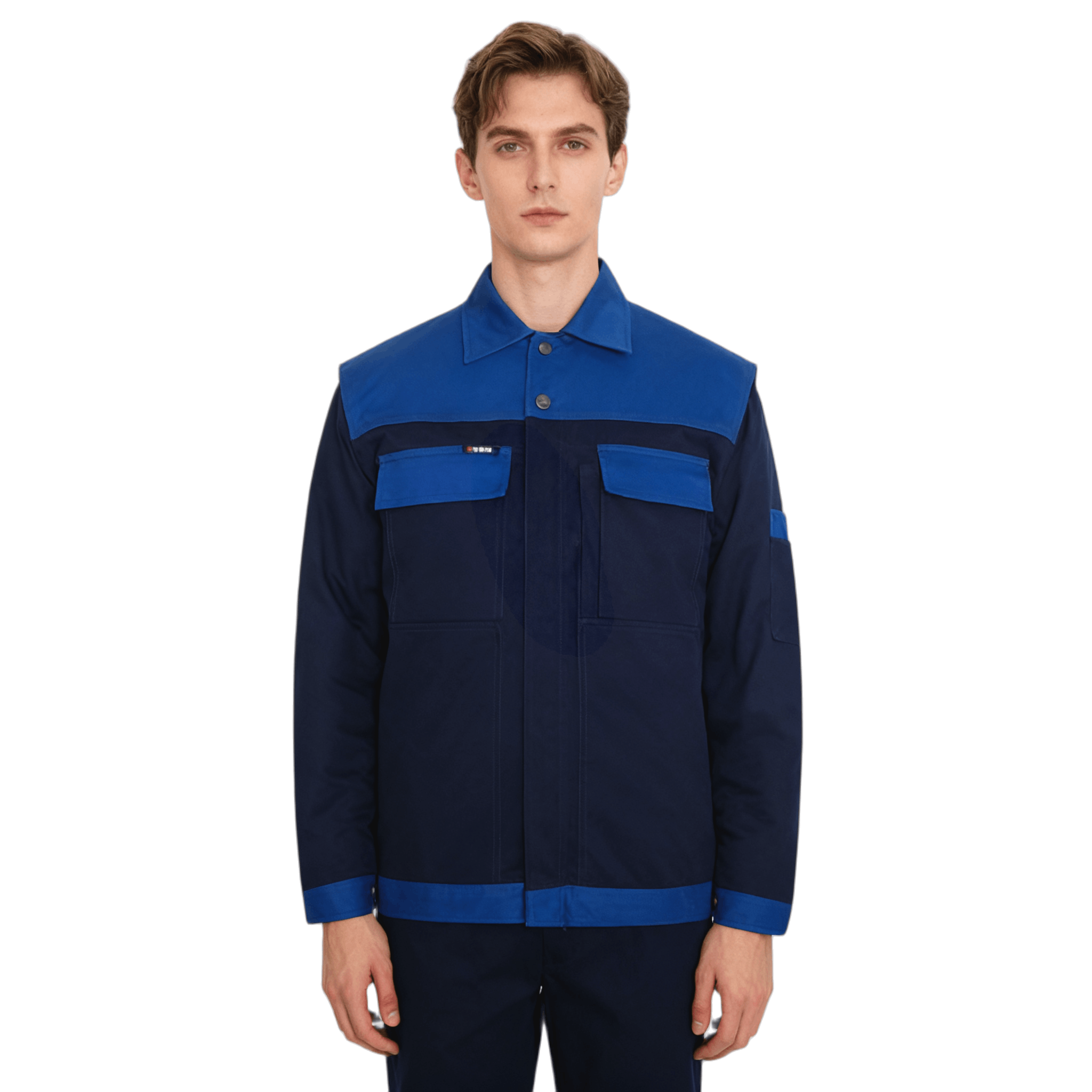
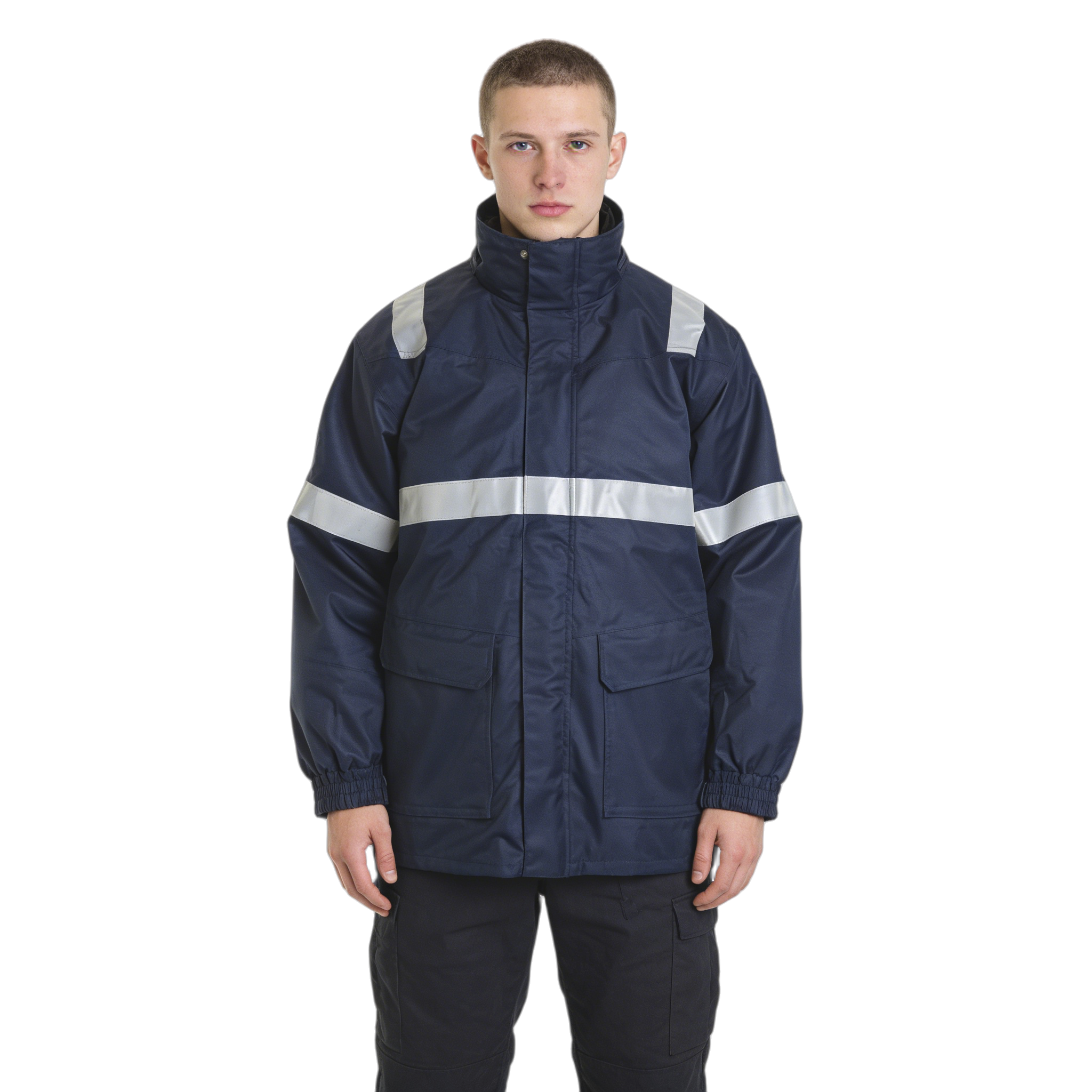
Shop Workwear Built on Audited Lines
Frequently Asked Questions
Yes. A structured live video audit covers most of the checklist: ask the host to walk the floor in one continuous take, zoom into labels and logs on request, and have documents shared on screen. It is weaker than being there, so for first orders add a third-party inspection before shipment.
One full day on site for a single factory, split roughly into two hours of documents, three hours on the floor, and the rest for sampling rooms and closing meetings. Two half-day visits spaced a week apart are even better than one long day.
Fabric traceability. Many factories can show a modern sewing floor but cannot link the fabric on the machine to a test report for the exact lot being used on your order. If point 4 fails, treat every performance claim as unverified.
Yes. We provide business licenses, third-party test reports, and reference customers before the visit, and buyers are welcome on site or via a live video walk-through. We also support third-party pre-shipment inspections — the same services offered by firms such as Bureau Veritas — at any production stage.