How to Create a Tech Pack for Outdoor Clothing: A Complete Template and Guide
- Share
- publisher
- UniOuter
- Issue Time
- Sep 8,2026
Summary
A complete tech pack guide for outdoor clothing: components, measurement specifications with POMs, bill of materials, construction details, functional specs, artwork callouts, sample planning, software options, common mistakes, and outdoor-specific requirements.
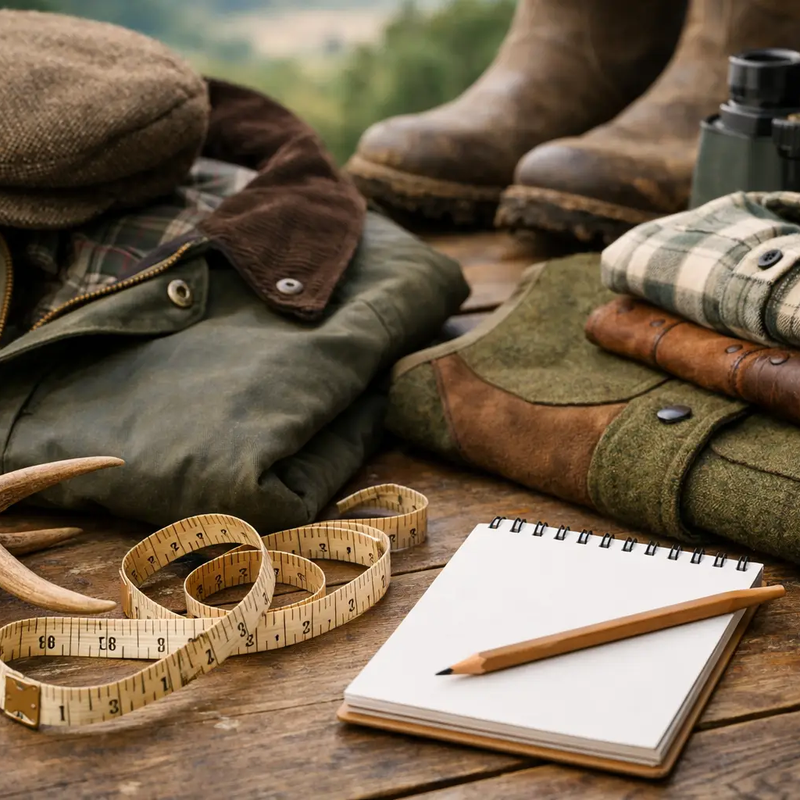
A tech pack is the contract between your design intent and the factory's output. For outdoor clothing - where waterproof ratings, seam taping, and membrane callouts carry real performance consequences - a complete tech pack is the difference between a sample that matches your vision and three rounds of expensive guessing. This guide walks through every component with outdoor-specific requirements highlighted.
New to the manufacturing relationship? Start with our custom manufacturing guide and the sourcing step-by-step.
Tech Pack Core Components
A complete tech pack contains six blocks. Missing any one of them creates a gap the factory fills with assumptions.
- Cover sheet. Style name and number, season, designer, revision number and date, and contact information. Revision control matters: the factory should never wonder which version is current.
- Technical flats. Front and back line drawings of the garment, with callout numbers keyed to construction details. Flats communicate design without ambiguity - photos of reference garments supplement but never replace them.
- Measurement specification. The point-of-measure (POM) table - the heart of fit control (covered next).
- Bill of materials (BOM). Every material in the garment: shell fabric, lining, membrane, trims, zippers, drawcords, labels, thread, and packaging - each with supplier codes and placement.
- Construction details. Stitch types per seam, seam allowances, reinforcement specifications, taping and bonding instructions, and finishing requirements.
- Artwork and branding. Logo files with exact placement measurements, embroidery or print specifications, label content, and hang tag design.
Add photo here: designer creating a technical flat drawing and measurement table for a waterproof jacket tech pack
Measurement Specification and BOM
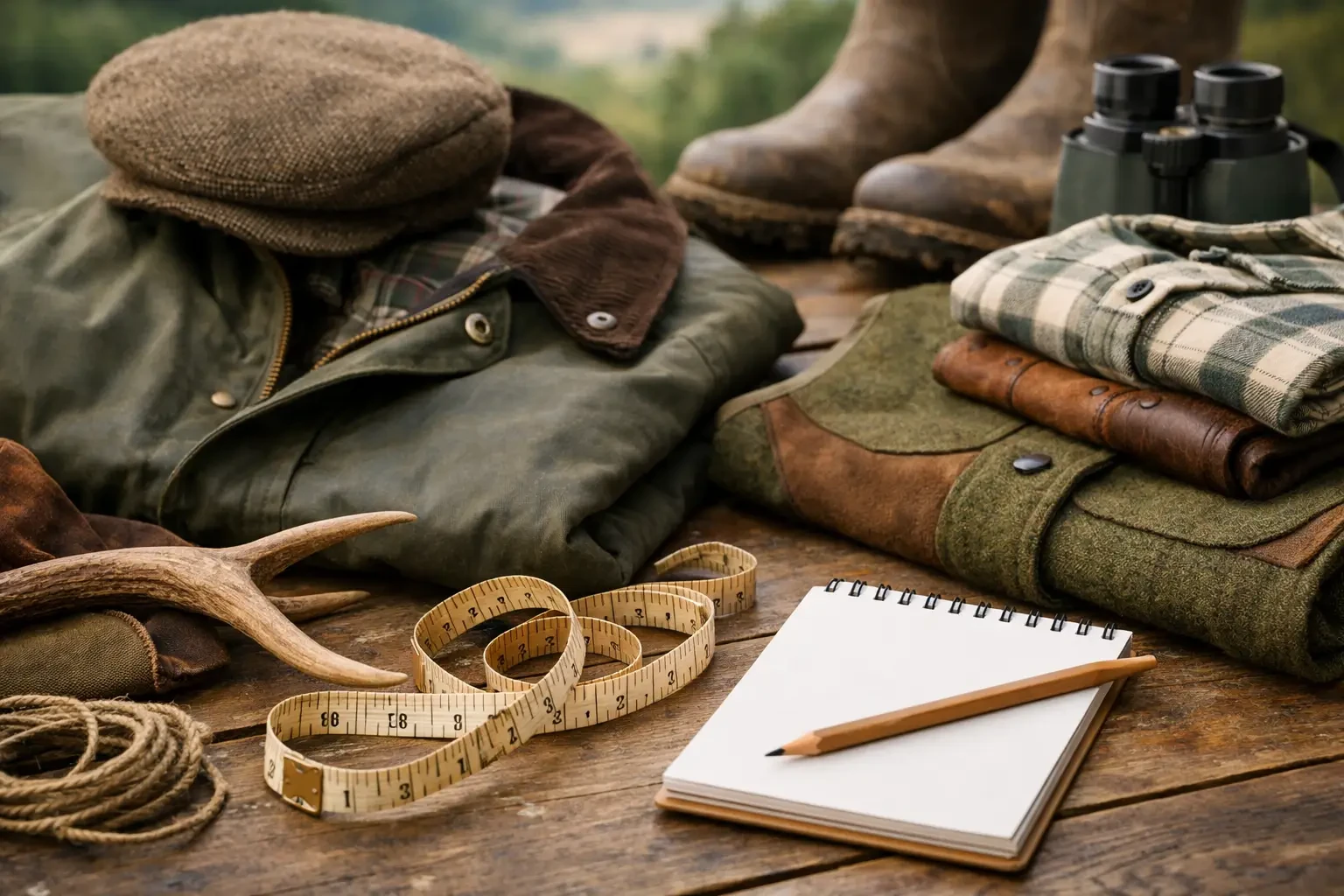
The measurement spec defines every POM - how to measure it, the target dimension per size, tolerances, and grading rules between sizes. Outdoor apparel POMs deserve special care: armhole depth interacts with layering plans, sleeve length must account for reaching while wearing a pack, and hem drop affects weather coverage on a bike or belay. State tolerances explicitly (typically +/- 0.5-1.0 cm); without them, measurements are suggestions.
Grading rules - how measurements change between sizes - should be listed per POM, not left to the factory's default block. If your brand runs between standard grades, say so. Size range (e.g., XS-XXL) and base size must be explicit.
The BOM specifies materials with enough precision to be reproducible: fabric composition, weight (GSM - see our GSM guide), finish (DWR type), color codes (Pantone TCX), and zippered-trim specifications including brand and model where it matters (a YKK AquaGuard zipper is a different product from a generic water-resistant zip). For membrane garments, the BOM names the membrane system and its rating - our waterproofing guide explains rating systems.
Construction and Functional Specifications
Outdoor construction details carry performance weight. Specify: seam types per location (flatlock for comfort seams, overlock for lining, topstitch gauge for reinforcement), seam taping requirements (which seams are taped, tape width), bonding instructions where sew-free construction is used, and hem/cuff finishing systems. A factory that has to guess taping scope will guess cheaply.
Functional specifications translate marketing claims into testable targets: minimum hydrostatic head (e.g., 10,000 mm), breathability target (RET or MVTR), DWR type and durability requirement, and any FR or hi-vis compliance standards the garment must meet. These belong in the tech pack, not in an email thread. For what each certification covers, see our certifications explainer.
Add photo here: sample garment being measured against a tech pack measurement chart during fit approval
Artwork, Sample Planning, and Software
Artwork callouts give exact logo placement (measurements from defined landmarks - HPS, center front - never "centered on chest"), construction method (embroidery stitch count and thread colors, screen print ink system, heat transfer specifications), and sizing for each logo size per garment size. Reflective print placements should note the reflective standard they support.
Plan the sample cycle explicitly: proto sample (validate design and fit), fit sample (refine measurements on your fit model or form), pre-production sample (final materials, final construction, the binding reference for bulk), and optionally top-of-production from the bulk line. Define what you check at each stage - the tech pack is the checklist.
Software options: Adobe Illustrator remains the industry standard (with libraries and templates), purpose-built tools like Techpacker simplify versioning and BOM management, Centric PLM serves larger organizations, and a disciplined Excel + Illustrator combination works fine for startups. The tool matters less than the revision discipline.

Common Mistakes and Working with Your Manufacturer
- Missing tolerances. Measurements without tolerance ranges are unenforceable and breed disputes at inspection.
- Vague material callouts. "Waterproof fabric" is not a specification; "2-layer PU laminate, 10,000 mm, mechanical stretch, DWR C0 finish" is.
- Incomplete construction notes. Ambiguity always resolves toward the cheapest interpretation.
- Skipping sample-stage sign-off. Bulk without an approved PP sample forfeits your reference standard.
- Ignoring manufacturing feedback. Factories that flag a design risk are doing you a favor; the best tech packs incorporate DFM (design for manufacturing) input.
UniOuter reviews every client tech pack before sampling, flags feasibility risks, and proposes optimizations - a 2,000+ style library across outdoor, workwear, and rescue apparel means most construction questions have a proven answer. Learn about our development process on the design page, browse reference products in the catalog, or send your tech pack for review. More about our factory is on the about page, and the purchasing guide covers commercial terms.
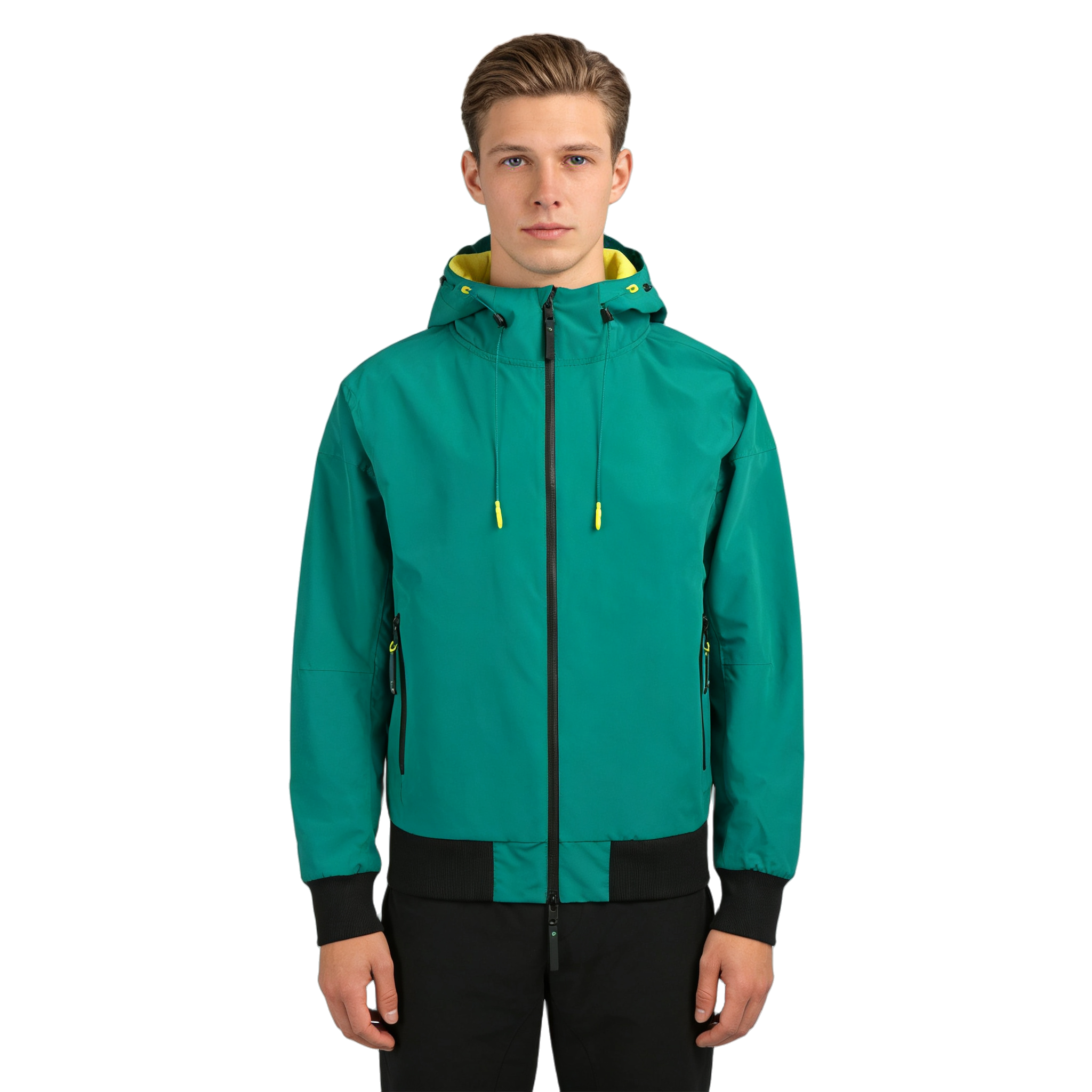
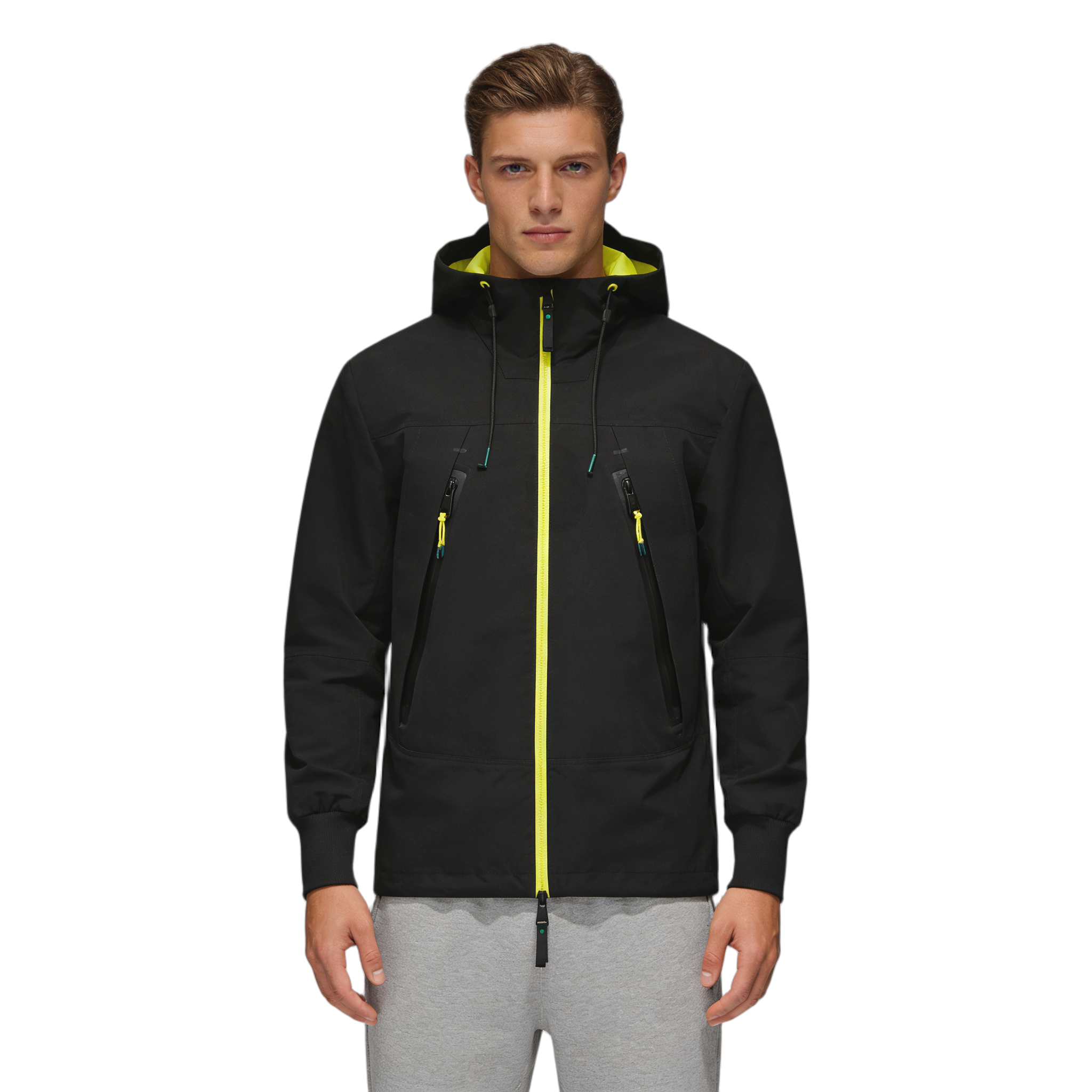
Shop Custom Outdoor Jackets
Frequently Asked Questions
Adobe Illustrator is the industry standard - pair it with Excel for the measurement and BOM tables. Purpose-built tools like Techpacker add version control and collaboration features. For startups, a clean Illustrator + Excel pack with strict revision numbering is entirely professional.
A technical outdoor jacket typically needs 25-40 points of measure, each with a how-to-measure diagram, target per size, tolerance, and grade rule. Include interdependent POMs deliberately - armhole and sleeve cap must grade consistently or the sample binds.
Yes - manufacturers with in-house design teams, like UniOuter, can develop tech packs from sketches or reference garments. This is common for startups without technical staff. The trade-off is control: review every POM and material callout yourself before approving, because the tech pack is your quality reference.
Three callouts: the membrane or coating system by name and rating (e.g., "PU membrane, 10,000 mm hydrostatic head"), the DWR finish type (and C0/fluorine-free if targeting PFAS-restricted markets - see our PFAS-free explainer), and the seam treatment (which seams taped, tape width). Then require test reports against these targets.
A complete tech pack typically reduces sampling from 4-5 rounds to 2-3. At 7-14 days per round plus sample fees, that saves roughly a month of development time and the cost of two sample iterations - which usually pays back the effort invested in the pack many times over.