How to Source Custom Workwear from China: The Complete 2027 Procurement Guide for B2B Buyers
- Share
- publisher
- UniOuter
- Issue Time
- Oct 9,2026
Summary
A complete 2027 workwear procurement guide for B2B buyers: how to write a specification, choose between OEM factories and trading companies, run sampling and pilot orders, plan the 2027 production calendar around Chinese New Year, and set up QC that matches the spec.
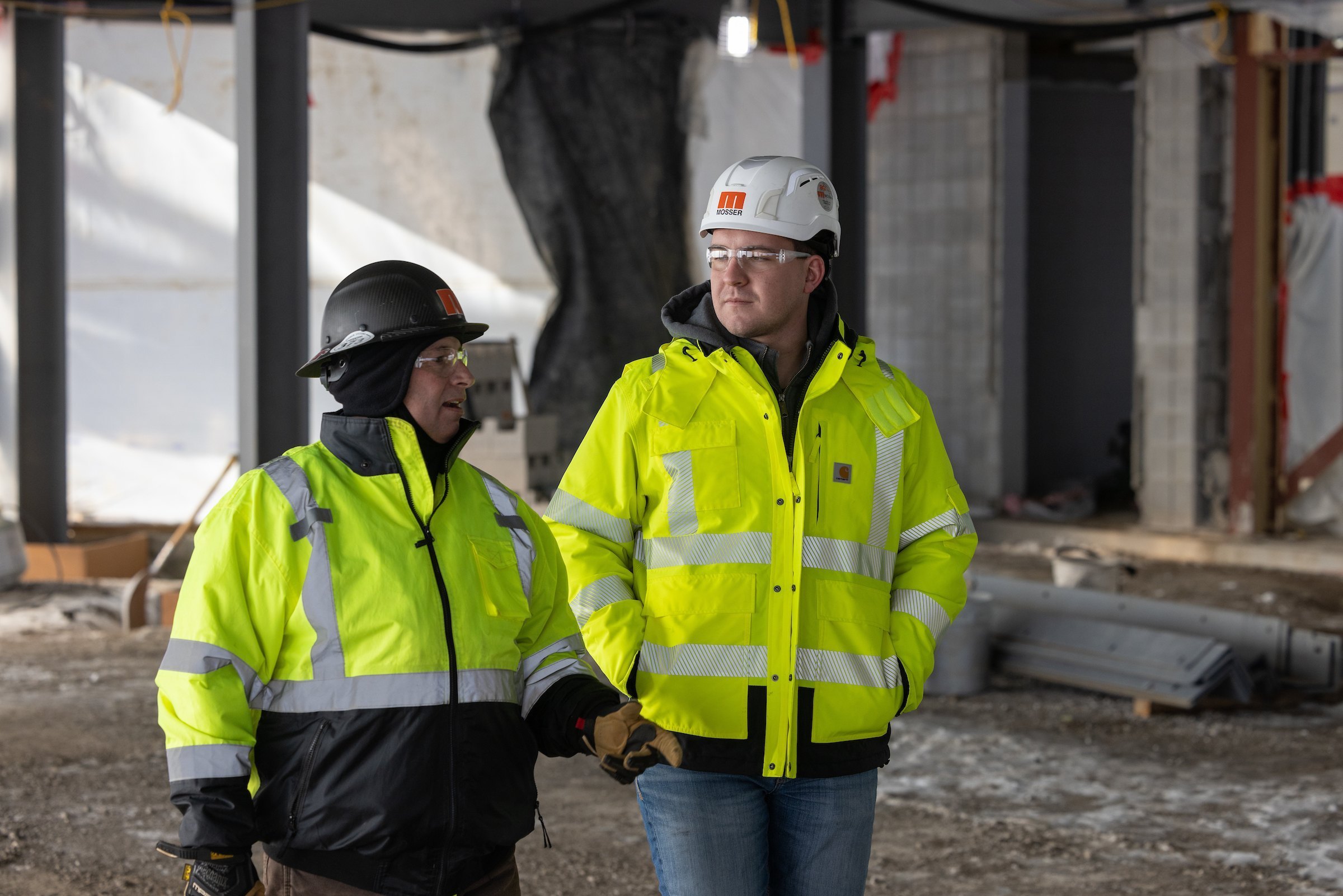
Sourcing custom workwear from China is not a single decision but a chain of decisions: specification, supplier selection, sampling, quality control, and logistics. Importers who treat procurement as a structured process consistently land better prices, fewer defects, and on-time delivery than buyers who simply chase the lowest quote.
This guide walks through the complete 2027 procurement journey for corporate uniforms and protective workwear, from writing your first specification to clearing the final container. At UniOuter, we manufacture workwear for construction, logistics, agriculture, and safety programs worldwide, so every recommendation below reflects how the factory floor actually works. If you are new to buying from Chinese factories, start with our clothing purchasing guide before diving into the details.
Why Workwear Procurement Needs a Different Playbook Than Fashion
Workwear is bought to perform a job, not to follow a trend. A logistics uniform that fades after ten washes, or a hi-vis jacket that fails a Class 2 retro-reflective test, is a failed purchase no matter how good the price was. That is why workwear procurement is specification-driven: the buyer defines measurable requirements first, and the price follows from the specification.
Three forces make 2027 a good year to professionalize your sourcing. First, EU and US buyers increasingly demand documented compliance, from restricted substances to social audits. Second, fabric technology has converged: the same waterproof-breathable membranes used in outdoor apparel are now standard in industrial garments. Third, Chinese workwear manufacturers have consolidated, and the gap between a professional OEM factory and a trading company has never been wider in quality terms, or narrower in price terms. Our related analysis on sustainable workwear materials explains where fabric demand is heading.
Step 1: Write a Specification Before You Ask for a Price
The single most common procurement mistake is sending suppliers a photo and asking "price?". Without a specification, every quote you receive describes a different garment, and the cheapest quote usually describes the worst garment.
A one-page specification with these three blocks is enough to get comparable quotes from five factories in a week. It also protects you later, because the approved spec becomes the reference for inspection and any dispute.
Step 2: Choose the Right Type of Supplier
Not every "manufacturer" on a B2B platform owns a sewing line. Understanding who you are actually buying from matters more than any single quote.
| Criterion | Direct OEM Factory | Trading Company |
|---|---|---|
| Price structure | Factory gate price, no middle margin | Factory price plus 10-25% commission |
| Technical answers | Pattern makers and engineers answer directly | Answers relayed, often delayed a day or more |
| Sampling speed | Sample room in-house, 1-3 weeks | Depends on the subcontracted factory |
| Mid-production changes | Feasible with a signed change note | Hard to trace responsibility |
| QC visibility | You can audit the actual line | You audit the trading office, not production |
| Best for | Programs above roughly 500 units per style | Small mixed orders across many categories |
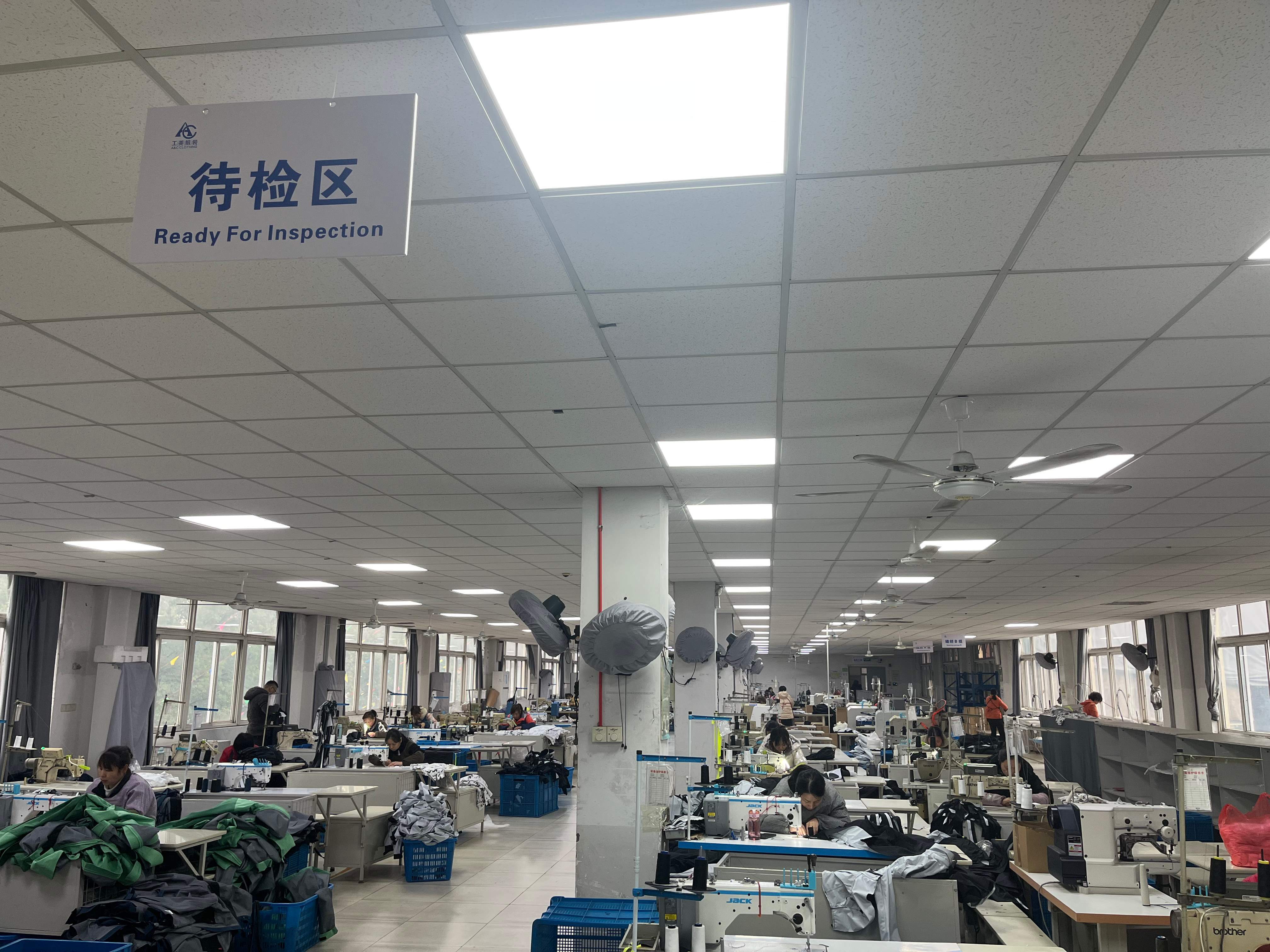
Verification rule. Ask every supplier for their business license scope, a live video walk-through of the sewing floor, and two reference customers in your industry. A genuine workwear OEM will do all three without hesitation. If you want a deeper vetting method, our sourcing and factory vetting guide provides the full screening process.
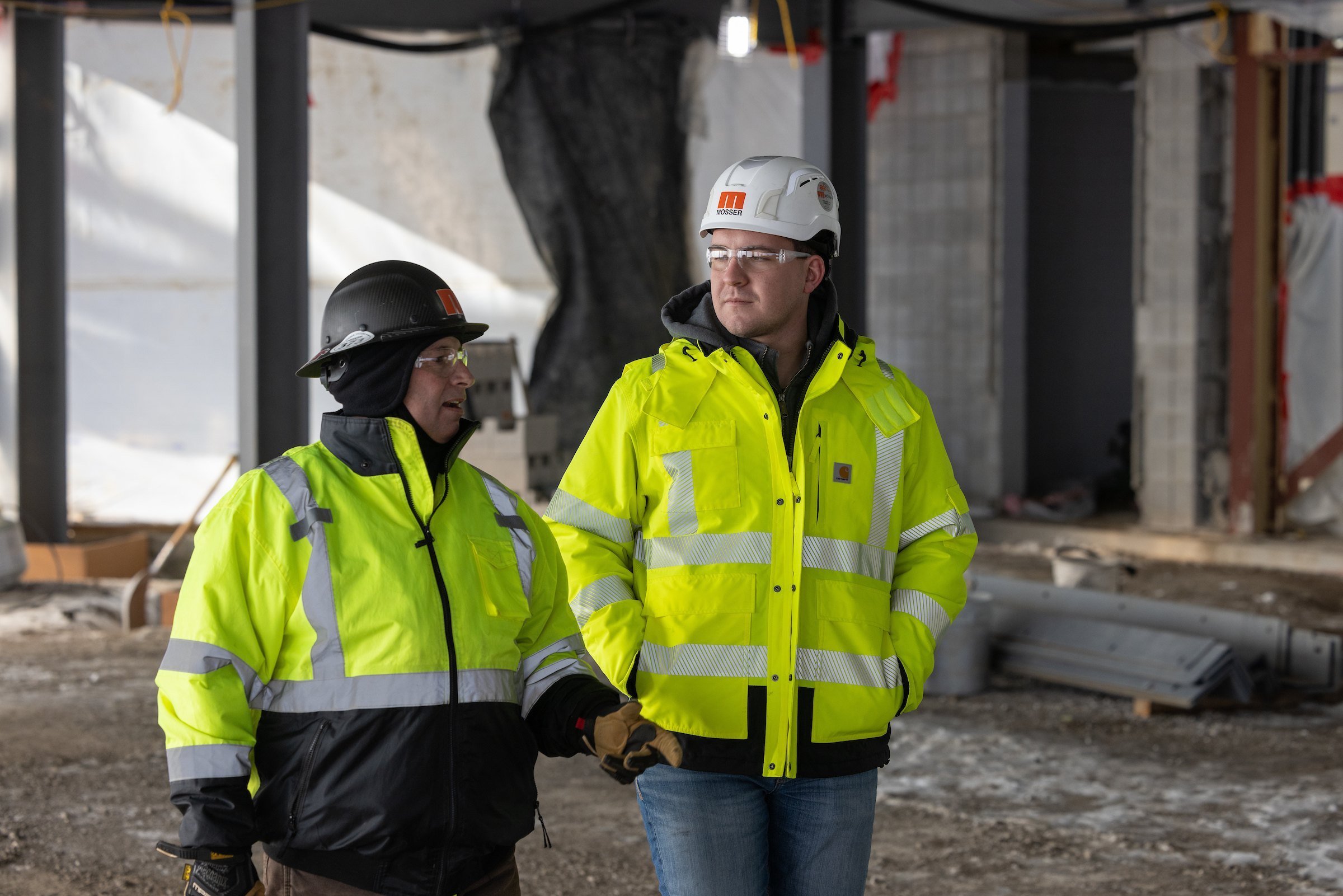
Step 3: Sampling, Costing and the Pilot Order
Once you shortlist two or three factories, move to samples. Treat sampling as a paid technical exercise, not a free offer: professional workwear factories charge for samples and deduct the fee from the bulk order, which keeps both sides serious.
- Proto sample. Confirms silhouette, pocket layout, and construction. Expect one or two revision rounds; each round costs days, so consolidate feedback.
- Pre-production sample. Made in bulk fabric with final trims and labels. This is the golden sample you sign and both parties keep a sealed copy of.
- Pilot run, 50-200 units. A short production run before the main order. It exposes real-world wash behavior and sizing distribution that samples cannot show.
- Costing transparency. Ask for a fabric-and-trim breakdown, not just a unit price. A transparent quotation makes negotiation a technical conversation instead of a price fight.
Step 4: Plan the 2027 Calendar Around Real Lead Times
Workwear lead times are more predictable than fashion, but they are still seasonal. Program rollouts for spring typically need orders placed before the Chinese New Year window, and autumn programs need fabric booked by early summer.
- Oct-Dec 2026: Finalize specifications and shortlist factories for spring 2027 programs. Complete sampling before the holiday pause.
- Jan-Feb 2027: Chinese New Year. Production slows from late January and returns to full speed by mid-February. Place bulk orders before this window.
- Mar-May 2027: Fabric arrives and bulk production runs. Keep 45 to 60 days for standard uniforms, 60 to 75 days for multi-standard FR and hi-vis combinations.
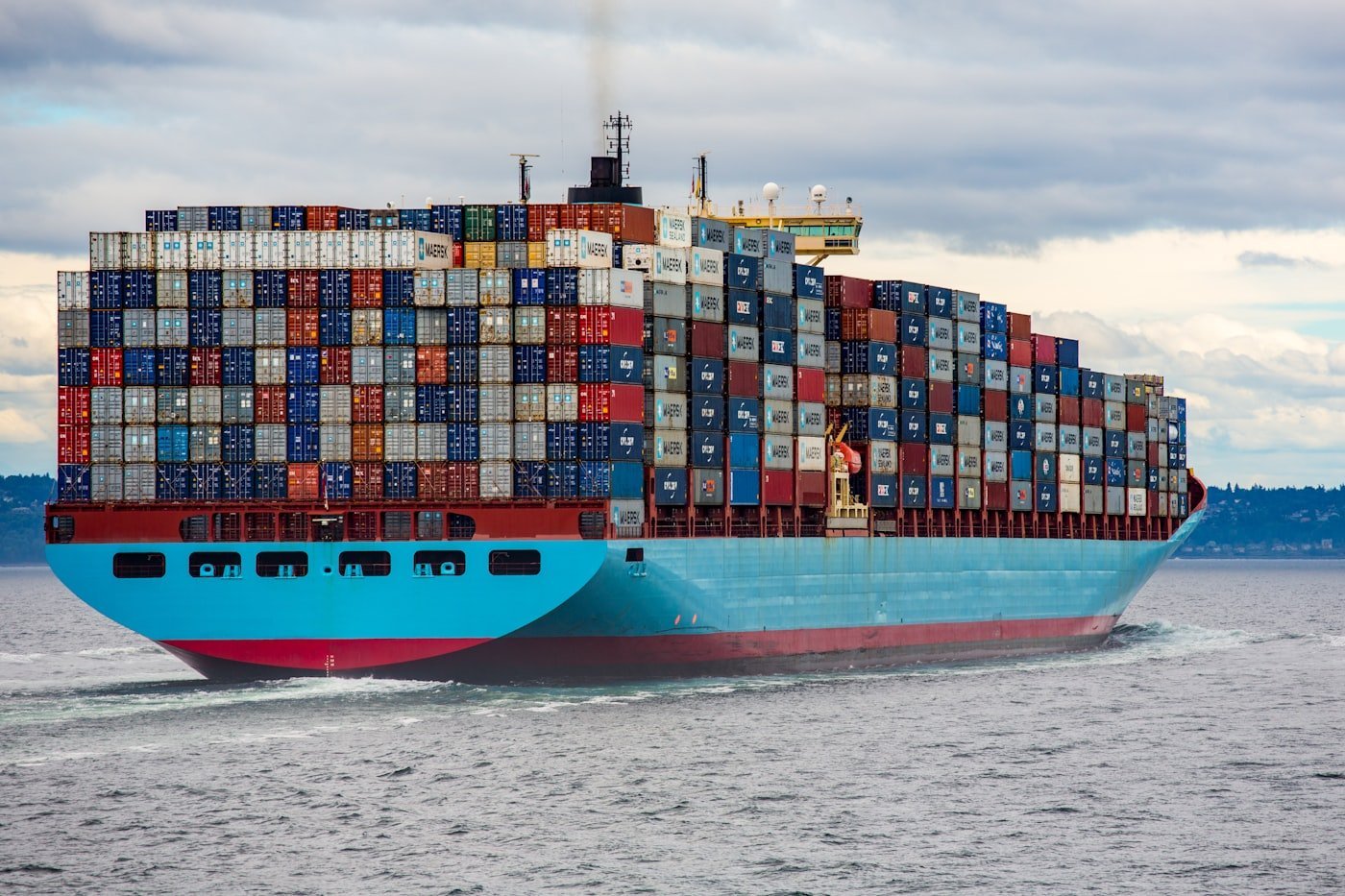
- Jun-Sep 2027: Final inspection, packing, and shipment. Sea freight adds 2 to 6 weeks depending on destination.
- Ongoing: Reorder planning. Keep size-ratio data from the first delivery so replenishment orders ship without new sampling.
If your delivery deadline is fixed, work backwards from the vessel date and share that date with the factory in writing. We plan production calendars around the client's delivery window on every program; see how UniOuter manages delivery commitments.
Step 5: Quality Control That Matches the Specification
Agree the inspection regime before production starts, not after goods are finished. The industry-standard structure has three checkpoints: incoming fabric inspection, inline inspection during sewing, and final random inspection against AQL 2.5. For safety garments, add a third-party lab test report requirement so the claims on your purchase order are backed by documents. Under Regulation (EU) 2016/425, protective garments placed on the EU market must be supported by a technical file, so that documentation is a compliance obligation for your customer rather than a courtesy from the factory.
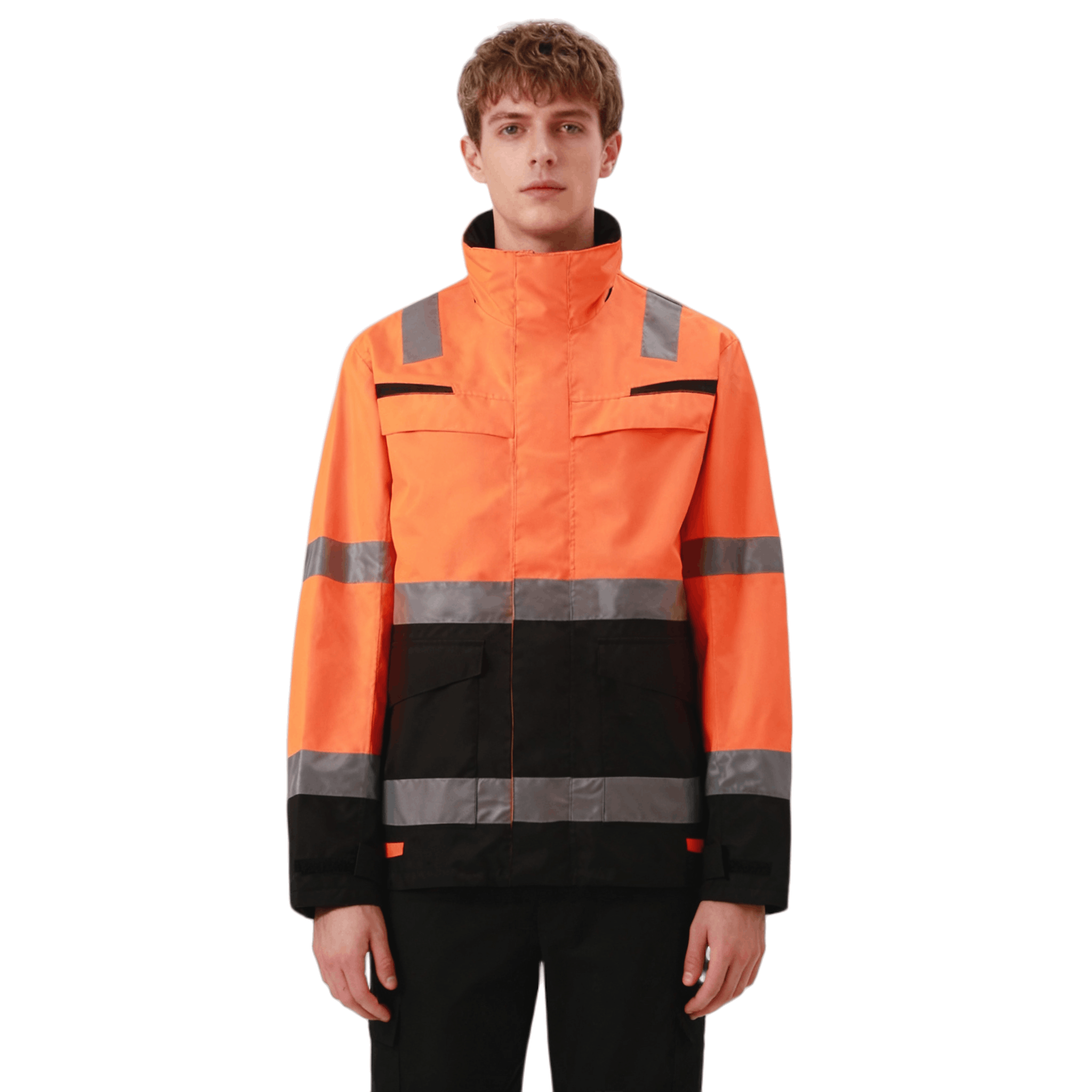
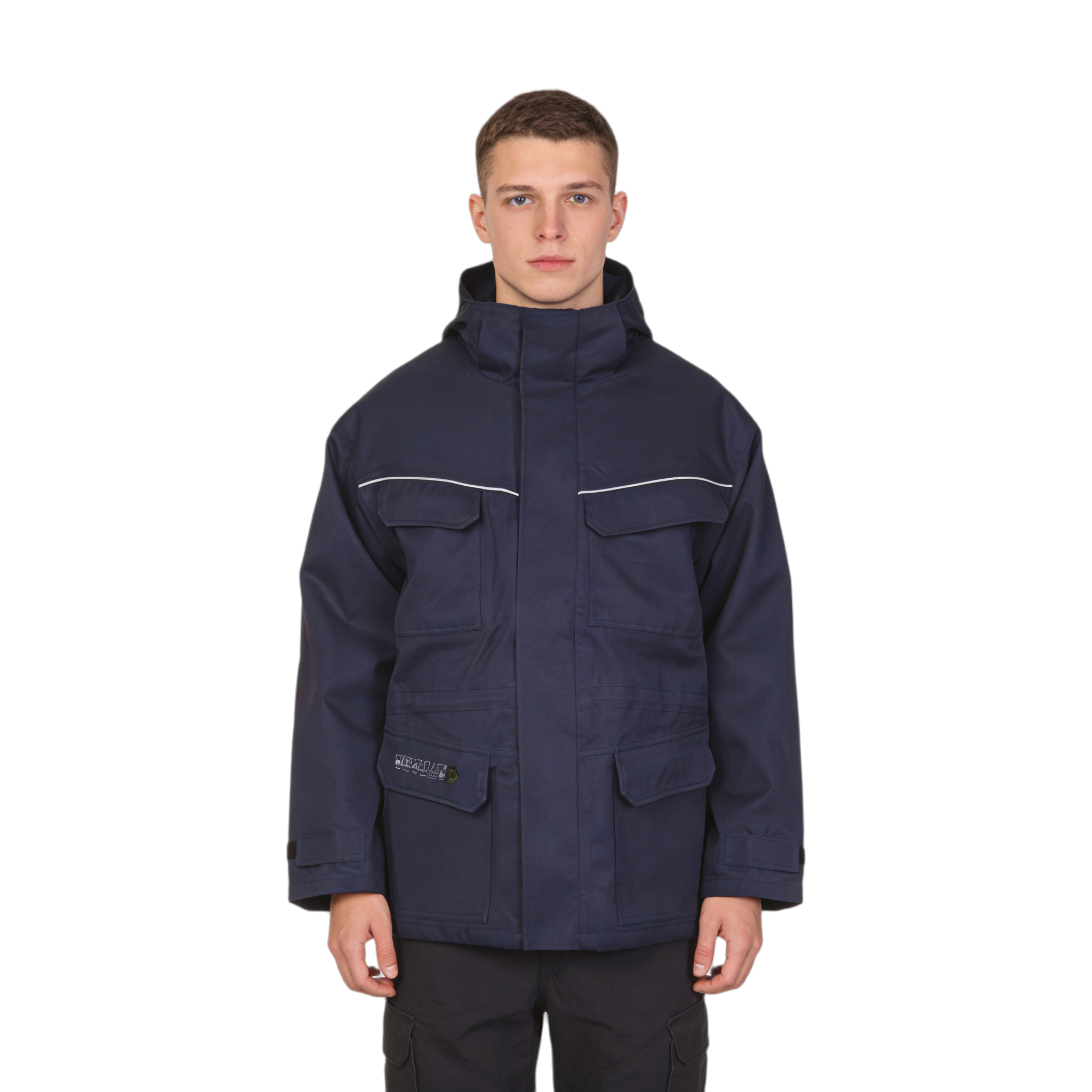
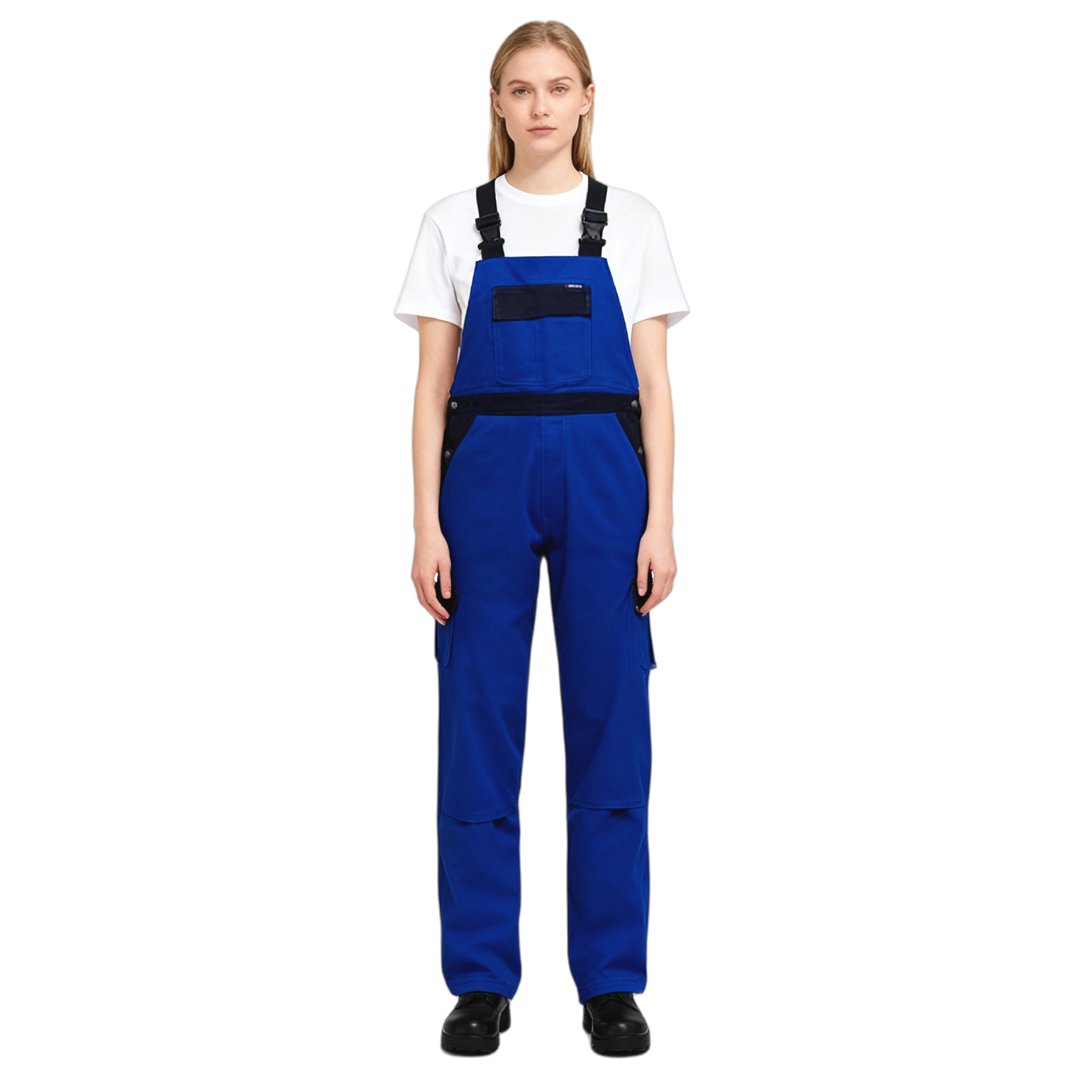
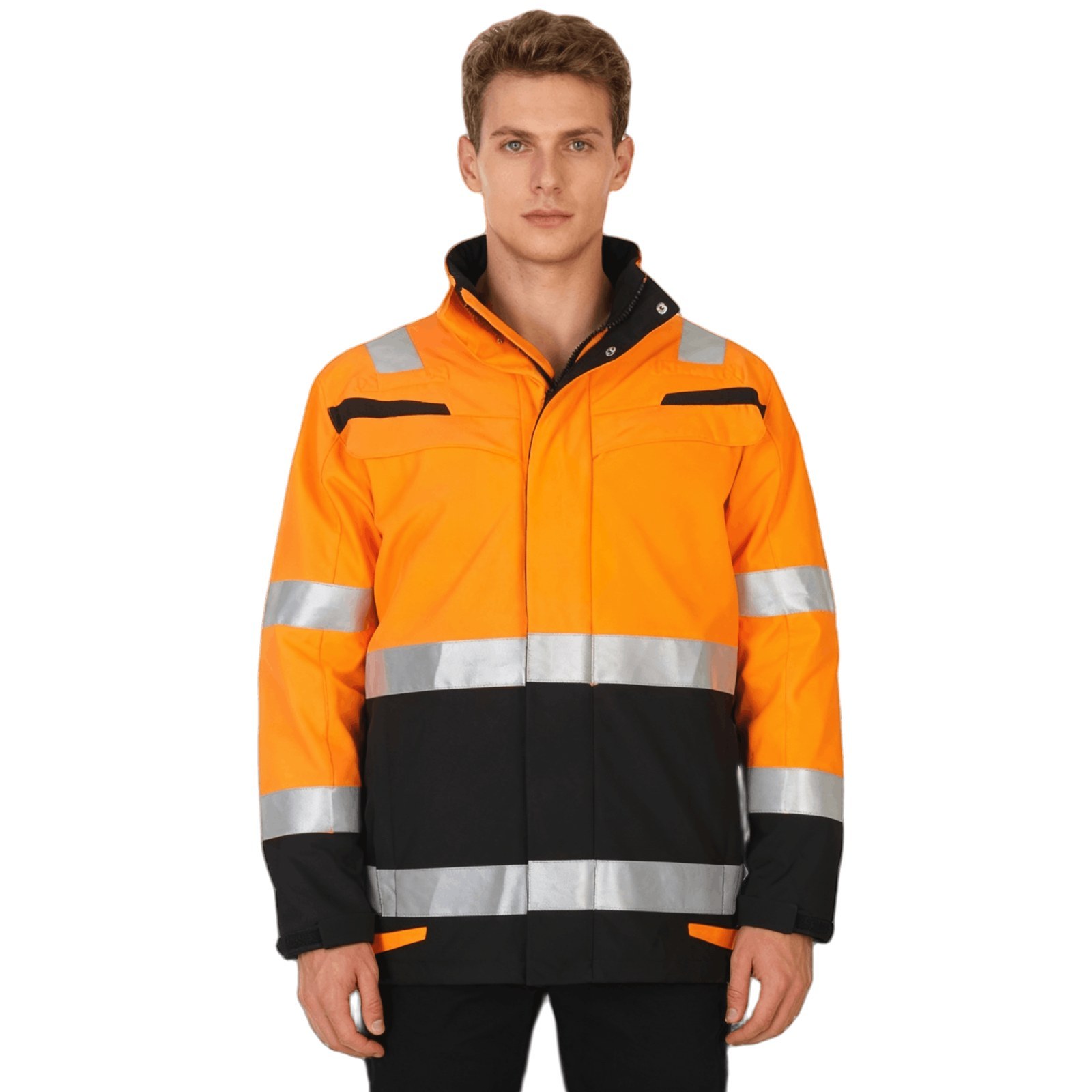
Shop Custom Workwear
Frequently Asked Questions
Most professional workwear OEMs start at 100 to 300 units per style when fabric is standard, and 500 units or more when a special fabric such as flame retardant or anti-static must be woven or coated to order. Blending sizes within one style usually counts toward the same minimum.
Plan 2 to 4 weeks for specification and supplier shortlisting, 3 to 5 weeks for sampling, and 45 to 75 days for bulk production, plus 2 to 6 weeks of freight. A first-time order realistically runs 4 to 5 months from first contact to warehouse arrival.
The unit price is usually 10 to 25 percent higher through a trading company. For small mixed orders that cover many product types, the convenience can be worth it. For repeat programs above a few hundred units per style, a direct OEM factory normally wins on both price and control.
Yes. We produce construction and industrial workwear, hi-vis and flame retardant safety garments, logistics and maintenance uniforms, and agricultural workwear, all to custom specification with full sampling, QC, and export documentation support.