How to Start an Outdoor Clothing Brand: The Complete Startup Playbook
- Share
- publisher
- UniOuter
- Issue Time
- Sep 4,2026
Summary
A complete playbook for launching an outdoor clothing brand: market analysis, positioning, product strategy, low-MOQ sourcing, design, certifications, e-commerce, marketing, and a realistic first-year budget breakdown for startup founders.
Starting an outdoor clothing brand in 2026 is more achievable than ever - and more competitive. Low-MOQ manufacturing has removed the biggest barrier to entry, while consumers reward brands with authentic positioning and verifiable quality. This playbook compresses the launch process into the decisions that actually matter, from finding your niche to surviving your first reorder.
For a founder's view of the manufacturing relationship, pair this with our brand startup guide and the custom manufacturing guide.
Market Reality and Brand Positioning
The outdoor apparel market keeps growing, powered by gorpcore fashion, post-pandemic outdoor participation, and the casualization of workwear. But new brands rarely win by competing head-on with established giants on technical credentials. They win by owning a narrow niche: a specific activity, a specific climate, a specific aesthetic, or a specific audience underserved by the majors.
Before anything else, answer three questions honestly. Who exactly is your customer? What will they pay a premium for? Why you? Strong answers - "affordable technical layering for weekend hikers in wet climates" - beat vague ambitions like "premium outdoor wear". Positioning determines fabric choices, price tier, photography style, and distribution, so it is the one decision you cannot outsource.
Study the current landscape in our outdoor vs workwear analysis and the 2026 color trend report to spot open territory.
Add photo here: startup founder reviewing fabric swatches and design sketches for a new outdoor clothing line
Product Strategy and Sourcing
Launch with a tight line - typically three to six SKUs - that tells one coherent story. A common structure: one hero product (your flagship jacket), two supporting pieces, and one accessory. Resist launching a full seasonal range; inventory is where young brands die.
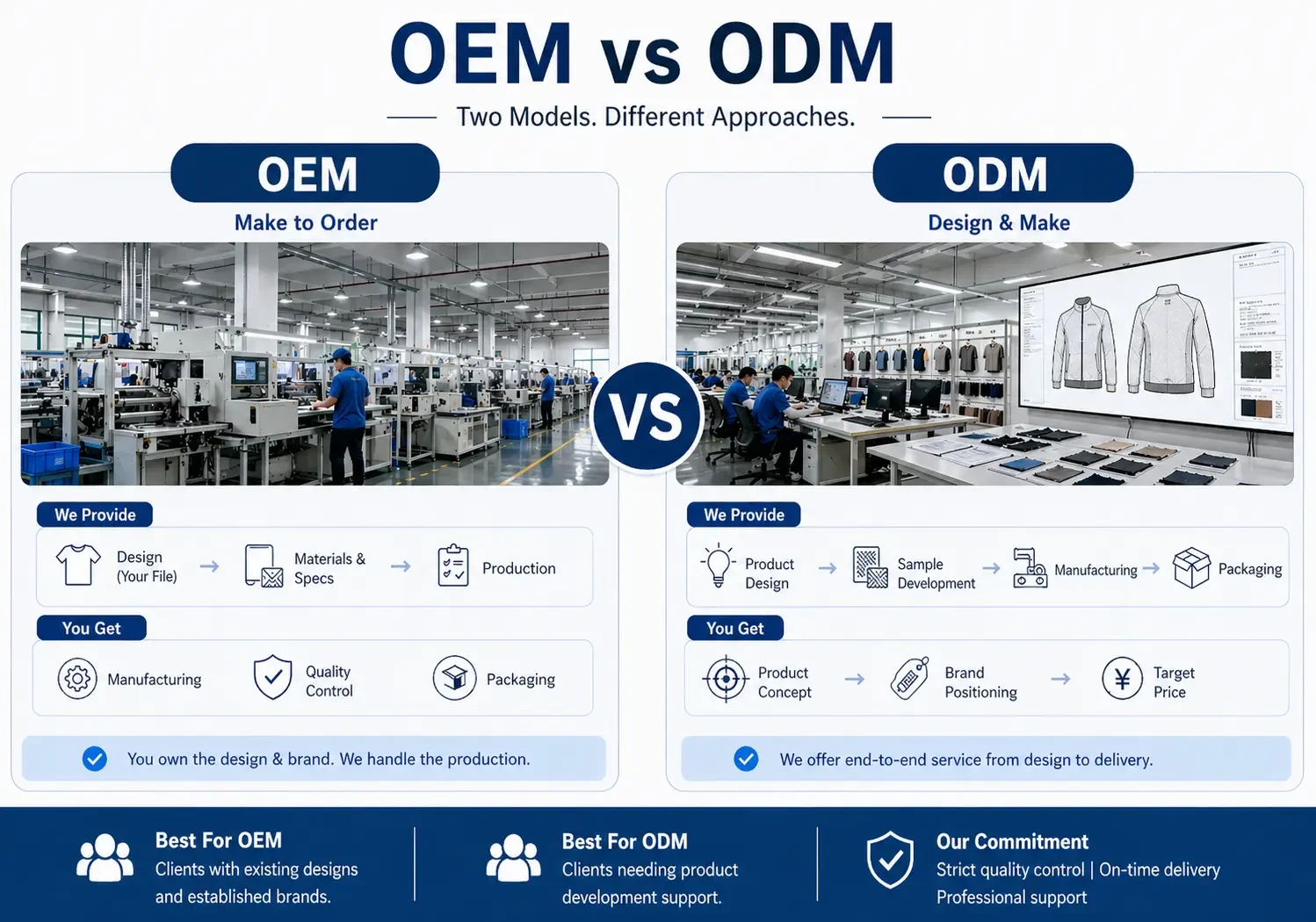
On sourcing, choose between OEM (your designs, factory-built) and ODM (factory designs, your branding). Most startups begin with modified ODM styles - proven patterns with custom fabrics, colors, and branding - then move toward full OEM as revenue grows. Our OEM vs ODM guide breaks down the trade-offs.
Manufacturer selection determines your ceiling. Look for MOQ at 300-500 pieces, sampling in 7-14 days, in-house fabric capability, and certifications you will need anyway: OEKO-TEX for product safety, ISO 9001 for quality systems, BSCI for social compliance. UniOuter's low-MOQ program exists precisely for this stage - details in our MOQ negotiation guide and the custom design page.
Design, Fabric, and Compliance
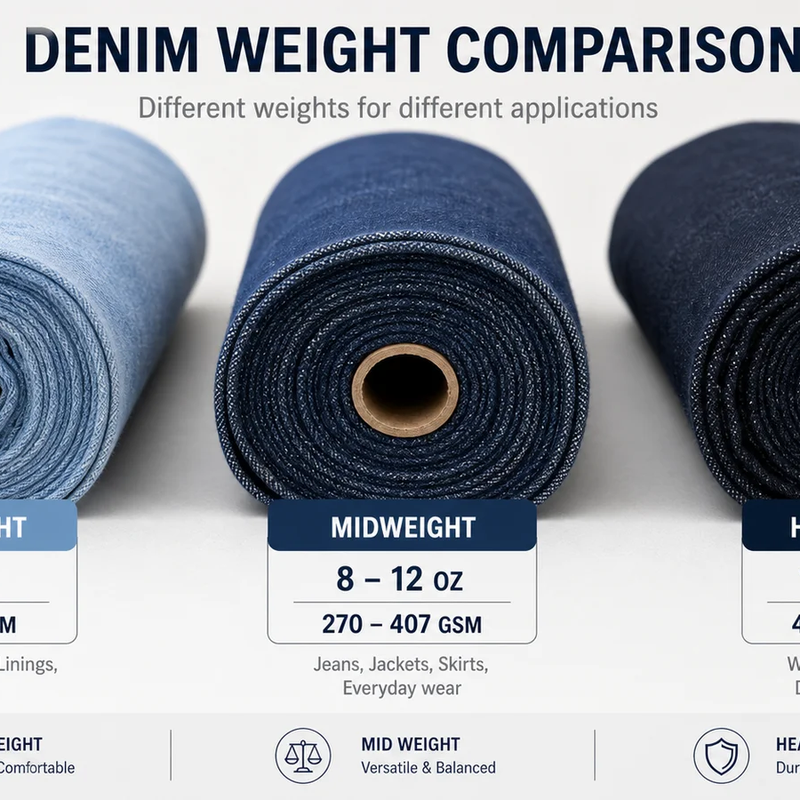
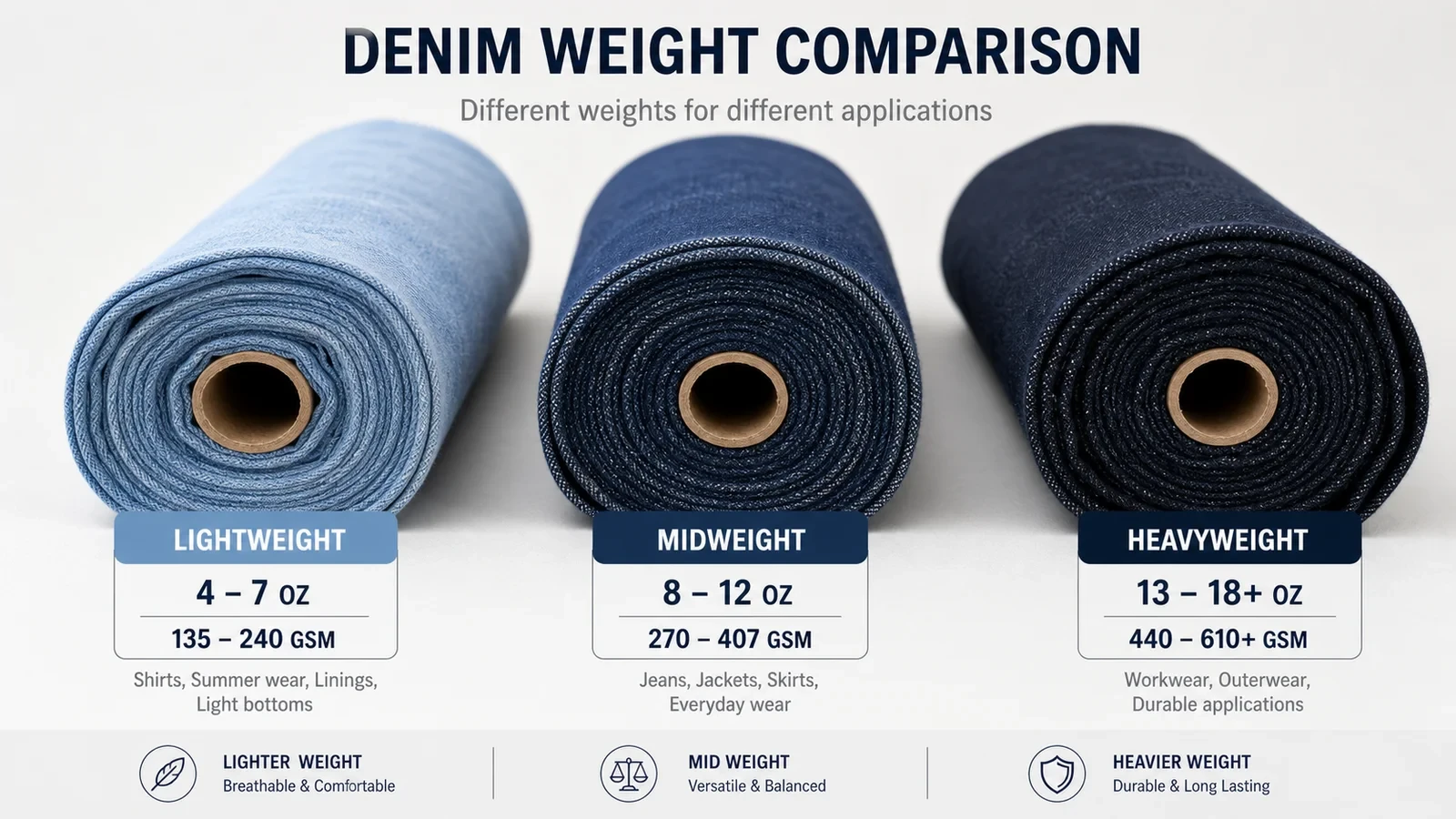
Translate your positioning into specifications. If you sell to wet-climate hikers, your hero jacket needs a real waterproof rating (10,000 mm minimum), taped seams, and a durable water repellent finish - learn the vocabulary in our waterproofing technology guide. If your niche is urban outdoor, weight, drape, and color may matter more than extreme ratings; the GSM fabric weight guide helps you choose.
Compliance is not optional. Before selling, you need market-specific documentation - OEKO-TEX or equivalent chemical safety for the EU, CPSIA considerations for the US, care labeling, and country-of-origin marking. If you use recycled materials, GRS certification verifies the claim. Start with the certification explainer and confirm requirements with your manufacturer early, because certification adds lead time.
Packaging and branding deserve real attention at this stage: hang tags, woven labels, and unboxing design are cheap differentiators that mass brands do poorly.
Add photo here: finished custom outdoor jackets with brand hang tags being packed into retail packaging
E-Commerce, Marketing, and Operations
Most new outdoor brands launch on Shopify (full control of brand and data) or Amazon (built-in traffic, thinner margins), with many running both. Budget for professional product photography from day one - outdoor apparel sells on detail shots of seams, fabric texture, and fit. Write sizing guides with real measurements; returns from sizing confusion are a silent margin killer.
Marketing playbook that works for small outdoor brands: content built around your niche activity, micro-influencer seeding (send product to 20 relevant creators rather than paying one celebrity), community building in outdoor circles, and SEO from day one. Paid ads come later - only after you know your conversion economics.
Operations: choose between made-to-stock inventory (better margins, capital risk) and small-batch drops (scarcity marketing, more reorder cycles). Plan fulfillment, returns policy, and customer service before launch, not after the first complaint.
Realistic First-Year Budget
- Product development: sampling rounds, tech pack creation, and testing typically run USD 2,000-6,000 for a small line.
- Inventory: at 300-500 piece MOQ per style, a four-SKU launch at USD 15-40 landed cost per unit means USD 20,000-60,000 in production capital.
- Brand and content: logo, packaging, photography, and website land between USD 3,000-10,000 depending on how much you DIY.
- Marketing: seed USD 1,000-3,000 per month for influencers and content, scaling only what converts.
- Buffer: add 15-20% for the reworks, freight surprises, and stock adjustments that always happen.
A disciplined founder can launch credible outdoor brands in the USD 40,000-80,000 range - a fraction of historical cost - thanks to low-MOQ manufacturing. For unit-economics detail, the jacket cost calculator shows how quotes break down.
Scaling from First Order to Year Two
After launch, growth is a reordering discipline: sell through, collect data on which SKUs move, and place a second order weighted toward winners. Renegotiate unit prices as volumes rise - the step from 300 to 1,000 pieces typically unlocks 10-20% better pricing. Expand the line only after your hero product proves repeatable demand.
UniOuter supports startups through exactly this curve: 300-piece entry MOQs, in-house fabric development, 2,000+ existing styles to modify, and the same three-tier QC given to large brands. Explore the product catalog, learn about our approach on the about page, or send an inquiry to start the conversation. First-time buyers should also read the purchasing guide.
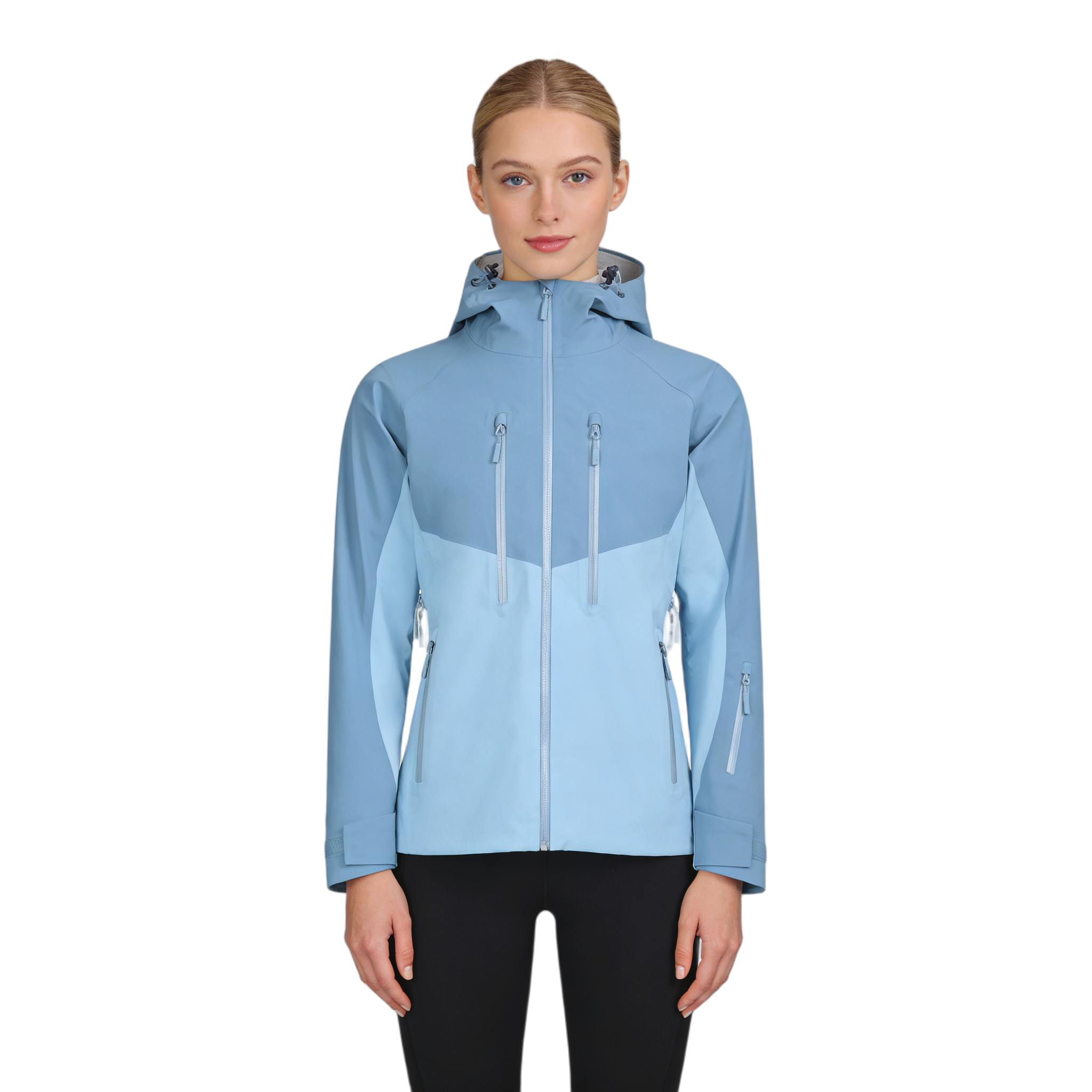
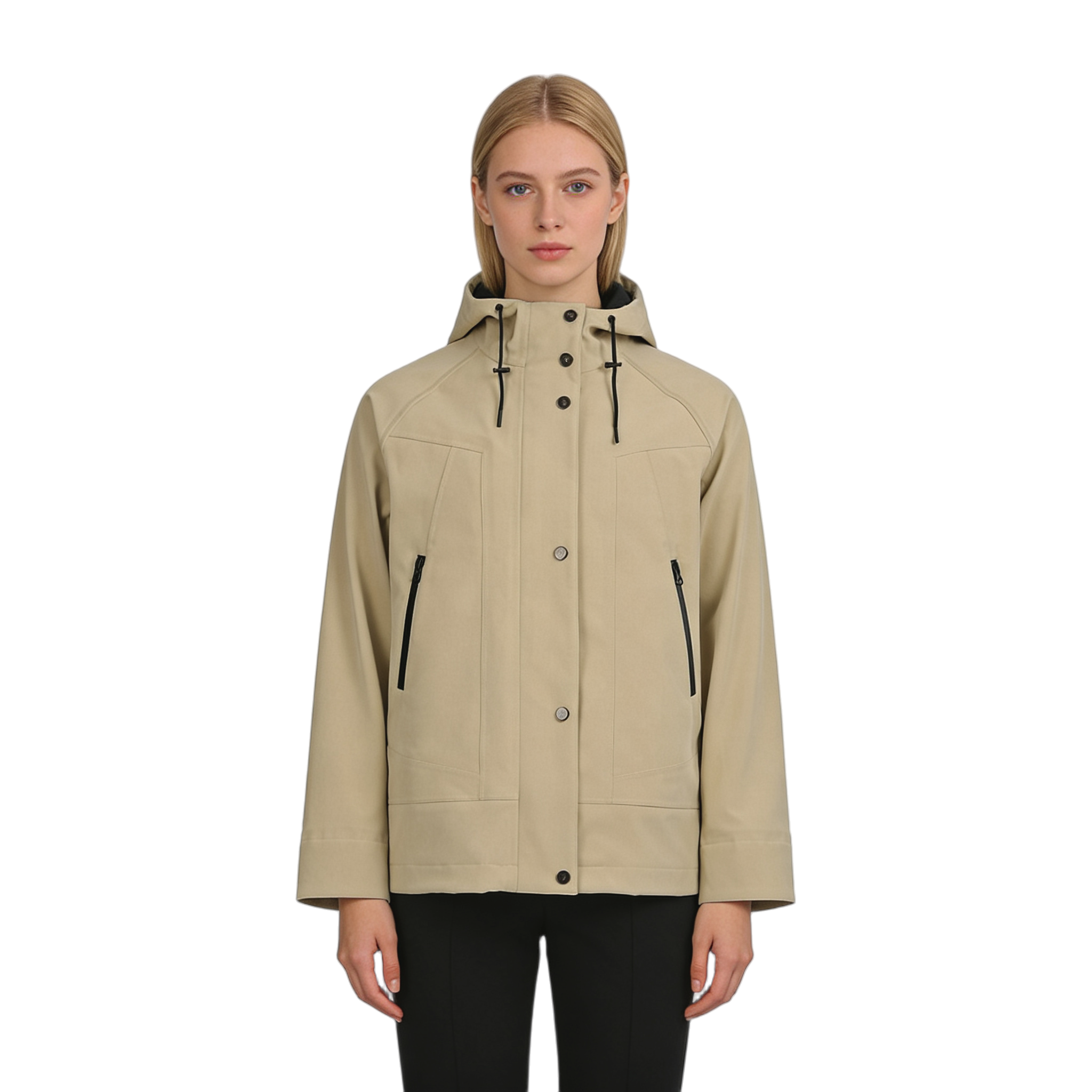
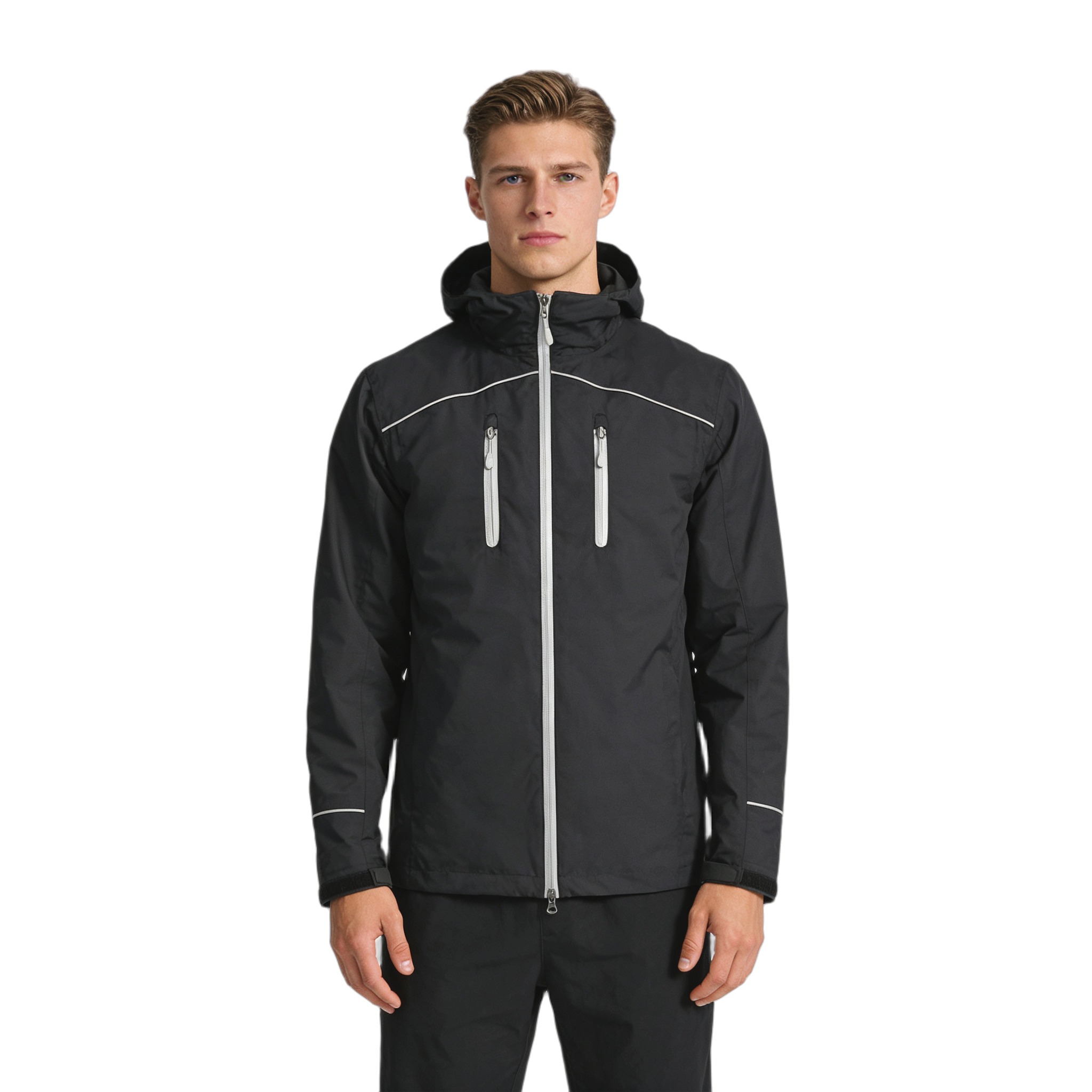
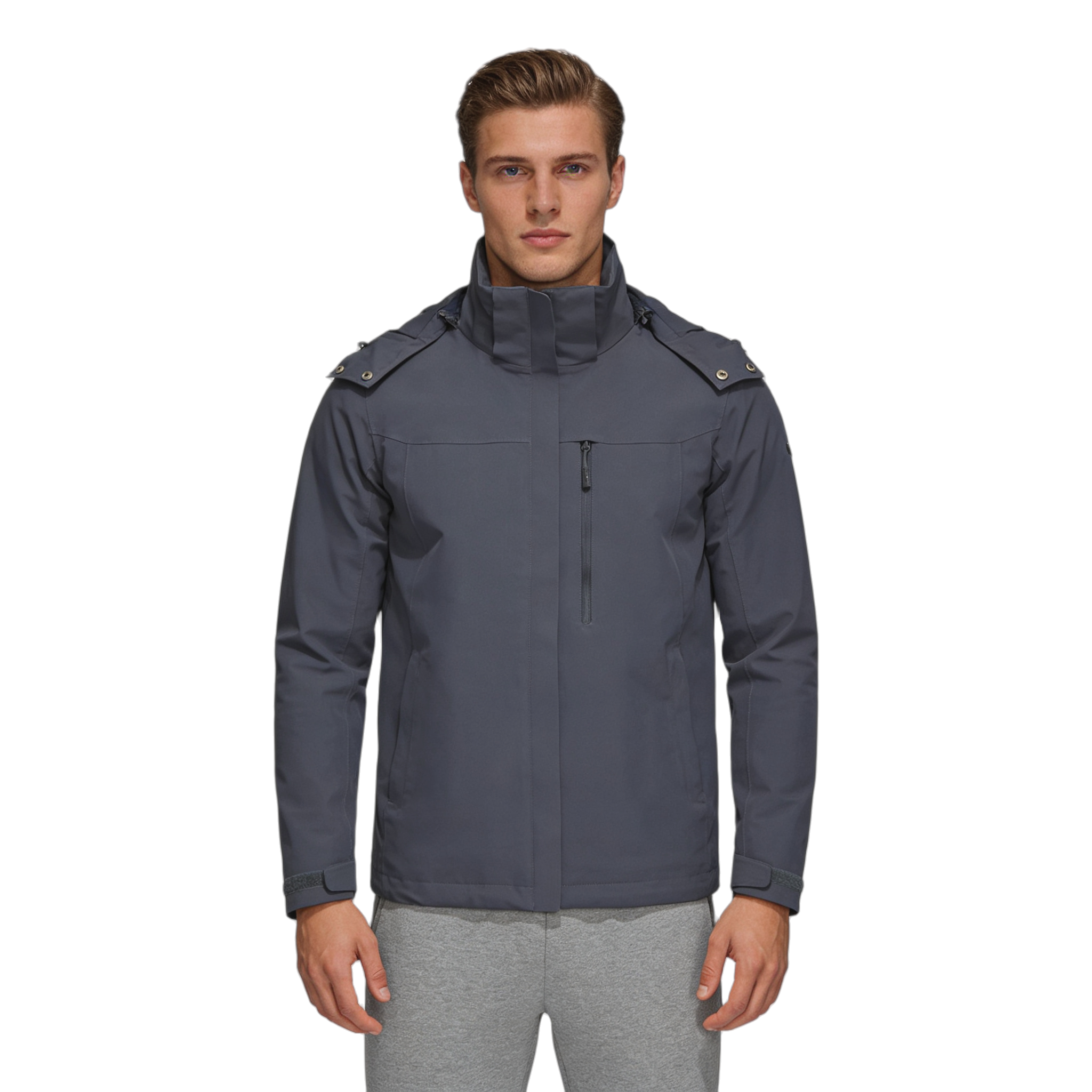
Shop Custom Outdoor Jackets
Frequently Asked Questions
A realistic launch budget is USD 40,000-80,000: production of 3-4 SKUs at 300-500 pieces each (USD 20,000-60,000), plus sampling, branding, photography, website, and initial marketing. Brands that start with fewer SKUs and lean content can compress this further.
No. Manufacturers with startup programs - like UniOuter's - accept 300-500 piece minimums per style, and some styles go lower. This is a major change from the traditional 1,000+ piece standard and is what makes brand launches accessible now.
Most startups start with modified ODM - proven base designs customized with your fabrics, colors, and branding - because it cuts sampling time and design risk. Move toward full OEM (your own designs) once you understand what your customers actually buy. Our OEM vs ODM comparison covers the details.
At minimum, chemical safety documentation (OEKO-TEX or equivalent) for the EU market, CPSIA compliance awareness for the US, correct care labeling, and country-of-origin marking. If you market recycled content, you need GRS to substantiate the claim. Verify requirements per market before production, not after.
Plan on 4-6 months: 2-4 weeks positioning and planning, 3-4 weeks sampling and refinement, 30-50 days production, and 25-40 days ocean shipping. Brands that compress this usually pay for it in quality issues or air freight costs.