Recycled Fabrics in Outdoor Apparel: Performance, Certification, and Brand Value
- Share
- publisher
- UniOuter
- Issue Time
- Sep 20,2026
Summary
A comprehensive guide to recycled fabrics in outdoor apparel: recycled polyester (rPET), recycled nylon, recycled down, GRS certification, performance vs virgin, cost analysis, consumer perception, supply chain, blending strategies, end-of-life, and UniOuter's recycled fabric options.
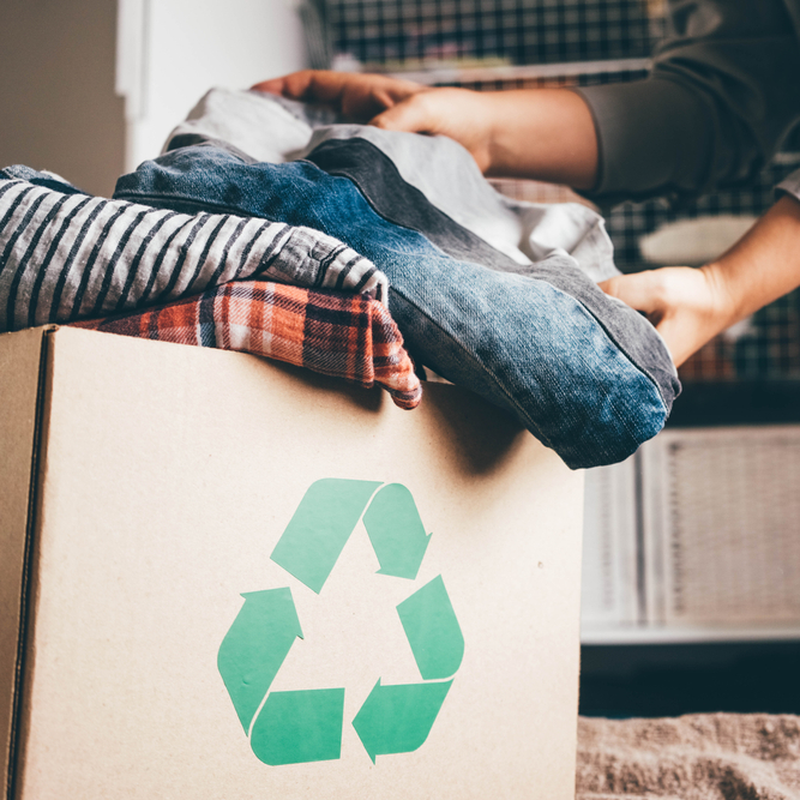
Recycled fabrics have moved from niche sustainability statement to mainstream expectation in outdoor apparel. Brands that once positioned recycled materials as premium differentiation now find them baseline - consumers expect recycled content, regulators reward it, and retailers require it. This guide covers the materials, certifications, performance, and commercial implications of recycled fabrics in outdoor apparel.
For broader sustainability context, see our sustainable manufacturing guide, GRS certification explainer, and certifications overview.
The Rise of Recycled Materials in Outdoor Apparel
Several forces drive recycled fabric adoption: regulatory pressure (EU mandates recycled content in textiles), consumer expectations (Gen Z and millennials actively seek recycled materials), retailer requirements (major platforms set recycled content thresholds), and supply chain economics (as recycled material scale increases, costs approach virgin material parity). The outdoor apparel industry, with its nature-focused consumer base, is particularly responsive to these drivers.
For brand buyers, the strategic question is no longer whether to use recycled fabrics but how to integrate them effectively: which products, what recycled content percentage, how to verify and communicate claims, and how to manage the modest cost premium. This guide provides the framework for those decisions.
Add photo here: recycled polyester fabric rolls in a textile factory, showing the transition from waste to wearable material
Recycled Polyester, Nylon, and Down: Materials Compared
Recycled polyester (rPET) is the most widely adopted recycled material in outdoor apparel. Post-consumer plastic bottles are collected, cleaned, chopped into flakes, melted, and extruded into fiber. The resulting polyester performs comparably to virgin polyester in strength, durability, weight, and functional performance. rPET is used in shell fabrics, insulation, linings, and trims. Its widespread availability and proven performance make it the default recycled material for most applications.
Recycled nylon comes from two main sources: post-consumer fishing nets (through programs like Aquafil's Econyl) and industrial carpet waste. Recycled nylon offers performance parity with virgin nylon but at a higher cost premium than rPET. Its use is growing in high-wear applications where nylon's superior abrasion resistance matters - think reinforcement panels and Cordura alternatives.
Recycled down is sourced from post-consumer bedding and garments. The down is collected, sorted, cleaned, and re-processed to meet performance specifications. Quality can match virgin down in fill power and warmth-to-weight ratio. Traceability is important - brands should verify that recycled down meets GRS or equivalent standards. For more on insulation, see our fabric selection guide.
GRS Certification and Performance Comparison
The Global Recycled Standard (GRS) is the primary certification for recycled materials in textiles. GRS verifies: recycled content percentage (minimum 20% to claim, typically 50-100% for certified products), chain of custody from waste source to finished product, social and environmental practices in processing, and chemical restrictions in manufacturing. GRS certification provides the documentation that backs sustainability claims - without it, "recycled" claims are unverifiable and risk greenwashing accusations.
| Property | Recycled (rPET) | Virgin Polyester |
|---|---|---|
| Tensile strength | Comparable | Baseline |
| Durability | Comparable | Baseline |
| Weight | Comparable | Baseline |
| Color consistency | Slightly more variable | Highly consistent |
| Cost premium | +10-20% | Baseline |
| Environmental impact | Significantly lower | Baseline |
The performance comparison is clear: for most outdoor apparel applications, recycled polyester matches virgin polyester in functional performance. The only notable difference is slightly more color variability in recycled fabrics - a minor aesthetic consideration that most brands accept as a sustainability trade-off. Color consistency is manageable with proper dyeing processes.
Cost Analysis and Consumer Perception
Recycled fabric cost premiums vary by material: rPET typically adds 10-20% to fabric cost (representing 3-8% of total garment cost), recycled nylon adds 20-35% to fabric cost, and recycled down adds 15-25% to insulation cost. For a typical technical jacket, switching from virgin to recycled materials adds roughly $1.50-$4.00 per unit in manufacturing cost - a modest amount that most brands absorb rather than passing to consumers.
Consumer perception strongly favors recycled materials. Studies show 60-70% of outdoor consumers are willing to pay a premium for recycled content, and this willingness is highest among the Gen Z and millennial demographics that drive outdoor apparel growth. For brands, recycled content provides marketing differentiation that justifies (or exceeds) the cost premium. The industry trends report confirms sustainability as a top consumer priority.
Add photo here: close-up comparison of virgin polyester fabric versus recycled polyester fabric showing similar texture and quality
Supply Chain, Blending, and End-of-Life
Recycled material supply chains are maturing but still face challenges: availability can be inconsistent for specialized grades, quality consistency varies between suppliers, and traceability documentation requires careful management. Brands should work with manufacturers who maintain established recycled material supplier relationships and can provide GRS documentation end-to-end. UniOuter's in-house fabric R&D and GRS-certified supply chain provide this assurance.
Blending strategies optimize cost-performance: a 50/50 recycled/virgin blend reduces cost premium while still allowing "contains recycled content" claims. Some brands use 100% recycled for marquee sustainability products and blended materials for price-sensitive lines. The key is transparency: GRS allows "X% recycled content" claims, so brands can be specific about what percentage is recycled.
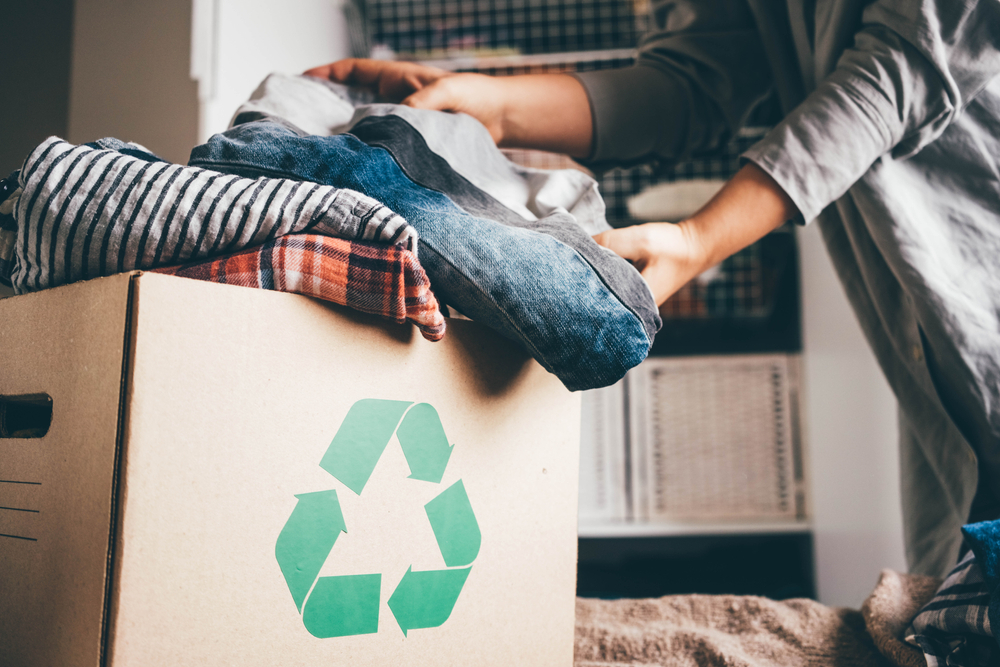
End-of-life considerations complete the circular loop: garments made from recycled polyester are themselves recyclable (though facilities are limited), and design-for-disassembly (avoiding mixed materials that can't be separated) enables future recycling. The circular economy vision - where today's garment becomes tomorrow's raw material - is the long-term goal. See our sustainable manufacturing guide for circular economy discussion.
UniOuter's Recycled Fabric Options
UniOuter offers recycled fabric options across our product range: rPET for shell fabrics and linings, recycled nylon for reinforcement applications, and GRS-certified supply chain documentation. Our in-house fabric R&D capability allows us to develop custom recycled blends to meet specific performance and sustainability targets. We provide full GRS certification documentation for recycled content claims.
For brands developing recycled-content product lines, UniOuter offers: GRS-certified recycled materials with chain-of-custody documentation, performance testing to verify recycled fabric meets your specifications, transparent pricing that shows the recycled premium clearly, and low-MOQ programs that make sustainable product lines viable. Send an inquiry with your recycled content requirements, explore our product catalog, or learn more about UniOuter's manufacturing capability. The fabric development page covers material options, and the purchasing guide covers commercial terms. Contact us to discuss your sustainability roadmap.
Shop Outdoor Apparel
Frequently Asked Questions
Yes, for most applications. Recycled polyester (rPET) matches virgin polyester in tensile strength, durability, weight, and functional performance. Recycled nylon offers comparable abrasion resistance. The only notable difference is slightly more color variability in recycled fabrics, which is manageable with proper dyeing processes. GRS certification verifies recycled content without performance trade-offs.
GRS (Global Recycled Standard) is the primary certification for recycled materials in textiles. It verifies recycled content percentage (minimum 20% to claim), chain of custody from waste source to finished product, social and environmental practices in processing, and chemical restrictions. GRS provides the documentation that backs sustainability claims - without it, "recycled" claims are unverifiable and risk greenwashing accusations. Always request GRS certificates from your manufacturer.
Recycled polyester (rPET) typically adds 10-20% to fabric cost, which represents 3-8% of total garment cost. Recycled nylon adds 20-35% to fabric cost. For a typical technical jacket, switching to recycled materials adds roughly $1.50-$4.00 per unit. Most brands absorb this cost rather than passing it to consumers, as consumer willingness to pay a premium for recycled content exceeds the cost increase.
Yes. Blending recycled and virgin materials is common practice. A 50/50 blend reduces cost premium while still allowing "contains recycled content" claims. GRS allows specific percentage claims (e.g., "50% recycled polyester"), so you can be transparent about your recycled content level. Some brands use 100% recycled for marquee sustainability products and blended materials for price-sensitive lines.
Polyester garments (including those made from rPET) are technically recyclable, but recycling infrastructure is still limited. Design-for-disassembly - avoiding mixed materials that can't be separated - improves recyclability. The circular economy vision is that today's recycled garment becomes tomorrow's raw material. While we're not fully there yet, using recycled content now builds the market demand that drives recycling infrastructure investment.