Seam Sealing Technology in Waterproof Apparel: Taped Seams, Bonding, and Welding
- Share
- publisher
- UniOuter
- Issue Time
- Sep 21,2026
Summary
A complete guide to seam sealing technology in waterproof apparel: why seams leak, taped seam technology, sew-free bonding, seam tape application, quality testing, common failures, 2L vs 3L construction, automated taping, design for seam sealing, and UniOuter's pneumatic press technology.
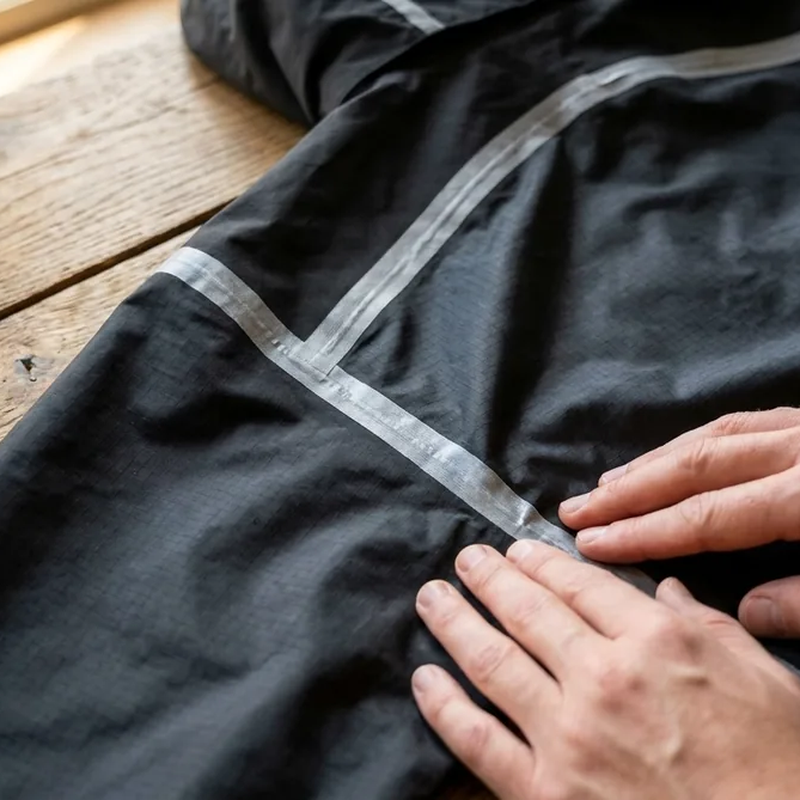
A waterproof jacket is only as waterproof as its seams. Every needle hole in stitched construction creates a water pathway, and without proper sealing, water enters at the seams long before it penetrates the fabric. This guide covers the complete landscape of seam sealing technology in waterproof apparel - from traditional tape to cutting-edge bonding.
For related technical context, see our waterproofing guide, fabric science guide, and membrane comparison.
Why Seams Are the Weakest Link in Waterproof Clothing
Waterproof fabrics block water at the material level, but garments require seams to assemble panels. Stitching creates needle holes - typically 0.5-1mm apart along every seam line. Each hole is a potential water entry point. Additionally, thread itself can wick water through capillary action, drawing moisture from outside to inside even when the fabric remains waterproof.
The challenge is fundamental: you need seams for garment construction, but seams compromise waterproofness. Seam sealing technology addresses this by creating a waterproof barrier along every stitched seam. The quality of seam sealing often determines whether a garment rated 20,000mm hydrostatic head actually performs in real-world rain - a poorly sealed seam on a 20K jacket leaks worse than a well-sealed seam on a 5K jacket.
Add photo here: close-up of seam tape being applied to a waterproof jacket seam using a pneumatic flat press
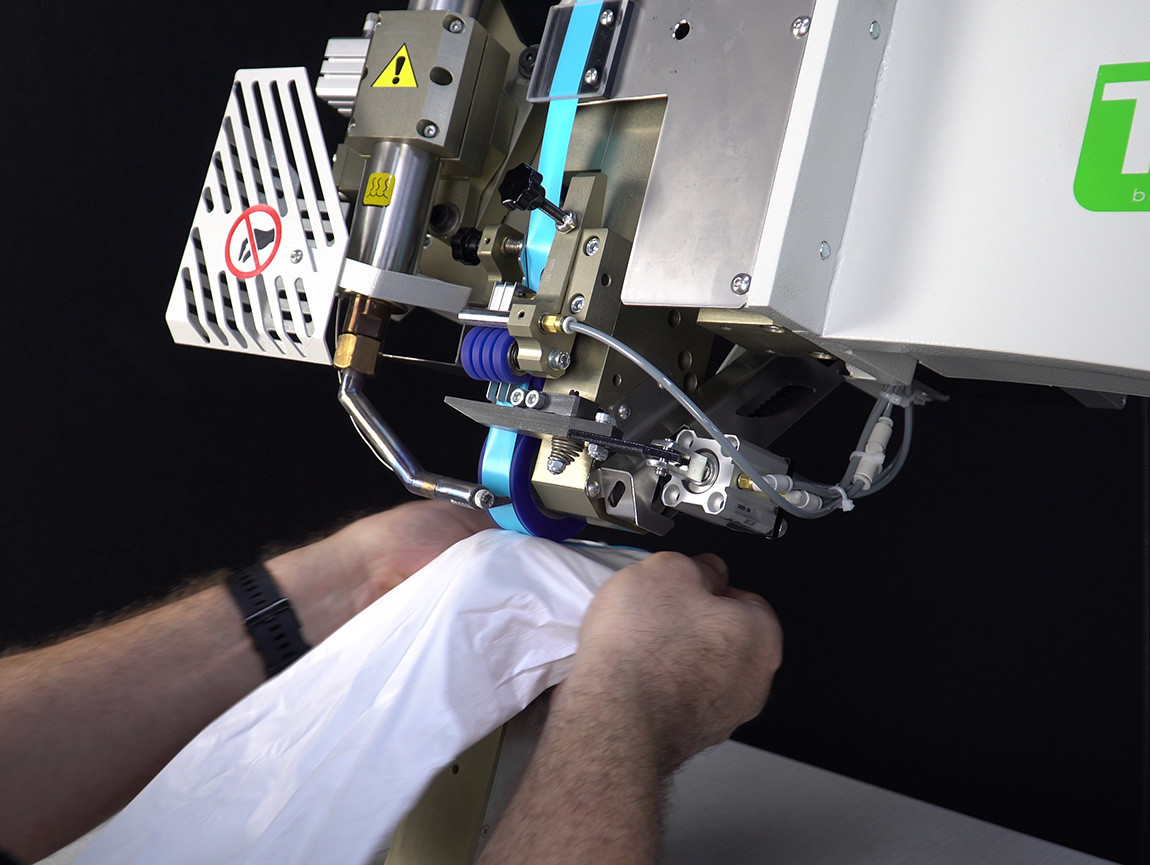
Taped Seam Technology and Sew-Free Bonding
Taped seams are the industry standard for waterproof apparel. Heat-activated seam tape is applied over every stitched seam, creating a waterproof barrier that covers needle holes and prevents thread wicking. Tape types vary by construction: single-layer PU tape for 2-layer garments, 3-layer tape (with backing fabric) for 3-layer laminates, and rubber-based tape for high-stretch applications. Each tape type has specific temperature, pressure, and dwell time requirements for proper adhesion.
Sew-free bonding eliminates stitching entirely, joining fabric panels through adhesive films, ultrasonic welding, or radio frequency welding. Without needle holes, there's nothing to seal - the bond itself is waterproof. Bonded seams are typically narrower than taped seams (reducing bulk and improving flexibility) and can be more aesthetically refined. However, bonding requires specialized equipment and is less forgiving of pattern adjustments than traditional stitching.
- Ultrasonic welding: Uses high-frequency vibration to generate heat at the fabric interface, fusing thermoplastic materials without adhesives. Clean, fast, and waterproof - but limited to synthetic fabrics.
- Radio frequency (RF) welding: Uses electromagnetic energy to heat and fuse materials. Produces strong, waterproof bonds for coated fabrics. Common in technical outerwear and protective wear.
- Hot melt adhesive films: Pre-cut adhesive films applied with heat and pressure. Versatile across fabric types, allowing bonded construction on materials that can't be welded.
Seam Tape Application and Quality Factors
Seam tape application quality depends on four factors: temperature (must match the tape adhesive's activation point - too cold means poor adhesion, too hot damages the tape), pressure (must ensure complete contact between tape, seam, and fabric), dwell time (must be long enough for adhesive flow but not so long that it slows production), and fabric compatibility (tape adhesive must bond with the specific fabric coating or face material).
UniOuter uses pneumatic flat press technology for seam tape application - this provides consistent, controllable pressure across the entire seam length, unlike manual iron pressing which varies with operator technique. The pneumatic press maintains set parameters automatically, ensuring every seam meets the same quality standard. For more on our manufacturing technology, see our manufacturing guide.
Quality Testing and Common Failures
Seam waterproofness testing measures water resistance specifically at the seam line, not just the fabric. The standard method: construct a seam test specimen, subject it to hydrostatic pressure testing (same as fabric testing), and measure the pressure at which water penetrates through the seam. A properly sealed seam should match or exceed the fabric's waterproof rating. UniOuter's QC framework includes seam testing as a critical checkpoint.
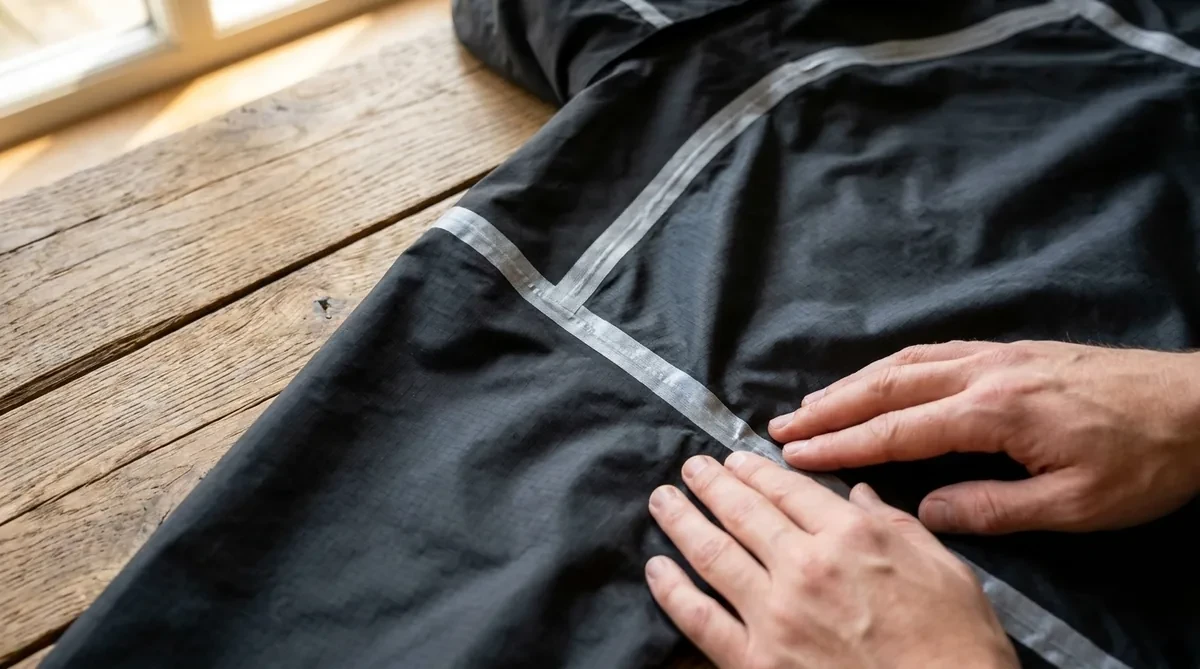
Common seam sealing failures include: tape delamination (tape separates from fabric due to inadequate adhesion or aging), corner lifting (tape peels at curves and corners from improper application), wash degradation (tape adhesive softens or stiffens after repeated washing), and thermal stress cracking (tape becomes brittle in extreme cold or softens in extreme heat). Quality tape, proper application parameters, and appropriate care instructions minimize these failures.
Add photo here: close-up of a perfectly applied seam tape on a 3-layer waterproof jacket, showing clean edges and uniform adhesion
Design for Seam Sealing and Automated Taping
Design for seam sealing means engineering garment patterns with seam sealing in mind. Key principles: minimize seam count (fewer seams = fewer potential leak points), avoid complex seam intersections (where multiple seams meet, tape application is difficult), maintain adequate seam allowance (tape needs fabric to bond to), and design curves with taping equipment in mind (tight curves require slower, more careful tape application).
Automated vs manual taping represents a quality and capacity decision. Manual taping (operator guides garment under a hand-held taping machine) is flexible but operator-dependent - quality varies with skill and fatigue. Automated taping (computer-controlled machines follow programmed seam paths) provides consistency but requires programming and setup time. For production runs, automated taping delivers higher consistency; for sampling and small batches, manual taping provides flexibility. UniOuter uses both approaches depending on production volume and complexity. See our tech pack guide for specifying seam tape requirements.
UniOuter's Seam Technology
UniOuter's seam sealing capability includes: pneumatic flat press for consistent tape application, sew-free bonding machines for fully waterproof bonded construction, quality testing protocols that verify seam waterproofness, and experienced operators who understand the relationship between fabric, tape, and application parameters. Our 20+ years of functional apparel manufacturing means we've solved seam sealing challenges across hundreds of product styles.
For brands developing waterproof products, UniOuter offers: seam tape specification matching to your fabric and performance requirements, bonded construction options for premium positioning, complete QC documentation including seam test results, and low-MOQ sampling that lets you evaluate seam quality before committing to bulk. Send an inquiry with your waterproofing requirements, explore our product catalog, or learn more about our manufacturing capability. The fabric development page covers material options, and the purchasing guide covers commercial terms. Contact us to discuss seam sealing specifications.
Shop Outdoor Apparel
Frequently Asked Questions
Stitching creates needle holes every 0.5-1mm along every seam, creating water pathways. Thread itself also wicks water through capillary action. Without seam sealing, water enters at the seams long before it penetrates the waterproof fabric. Seam tape covers needle holes and prevents thread wicking, maintaining the garment's overall waterproof rating.
Taped seams use heat-activated tape applied over stitched seams to cover needle holes. Sew-free bonding eliminates stitching entirely, joining panels through adhesive films, ultrasonic welding, or RF welding. Bonded seams are narrower, more flexible, and inherently waterproof (no needle holes to seal), but require specialized equipment and are less forgiving of pattern changes. Taped seams are the industry standard; bonded seams are premium.
A pneumatic flat press uses compressed air to apply consistent, controllable pressure across the entire seam length during tape application. Unlike manual iron pressing (where pressure varies with operator technique and fatigue), the pneumatic press maintains set parameters automatically, ensuring every seam meets the same quality standard. This consistency is the primary quality advantage of factory-grade seam taping.
Seam waterproofness is tested by constructing a seam test specimen and subjecting it to hydrostatic pressure testing - the same method used for fabric waterproofness. Water pressure is applied to the seam side of the specimen, and the pressure at which water penetrates through the seam is recorded. A properly sealed seam should match or exceed the fabric's waterproof rating.
The most common failure is corner lifting - where tape peels at garment corners and curved seams. This happens when tape is applied too quickly around curves or when the press doesn't maintain adequate pressure at the garment edge. Other common failures include tape delamination (from poor adhesion or aging), wash degradation (adhesive changes after repeated washing), and thermal stress cracking in extreme temperatures.