Laser Cutting in Apparel Manufacturing: Precision, Efficiency, and Applications
- Share
- publisher
- UniOuter
- Issue Time
- Sep 22,2026
Summary
A complete guide to laser cutting in apparel manufacturing: how CO2 lasers work, precision advantages, software integration, camera positioning, applications in outdoor apparel, material compatibility, comparison with die and CNC cutting, edge quality, cost analysis, and UniOuter's laser capability.
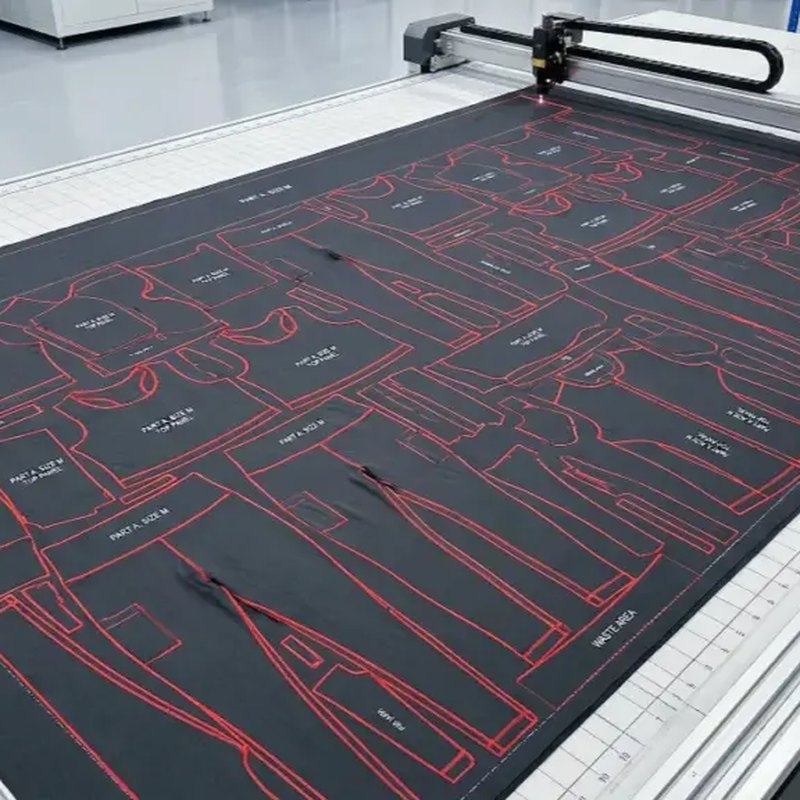
Laser cutting has transformed apparel manufacturing from a craft-based process to a precision-engineered one. With accuracy of ±0.1mm, zero fabric fraying on synthetics, and the ability to cut complex geometries that manual cutting cannot achieve, laser cutting is now essential for technical outdoor apparel production. This guide covers the technology, applications, and commercial implications.
For related manufacturing context, see our manufacturing guide, seam sealing guide, and QC framework.
How Laser Cutting Works in Apparel Manufacturing
Apparel laser cutting typically uses CO2 lasers - gas lasers that produce infrared light at a wavelength well-absorbed by organic and synthetic materials. The laser beam is focused through a lens to a pinpoint (typically 0.1-0.3mm diameter), and the focused energy vaporizes or melts fabric at the cutting point. A computer-controlled mirror system (galvanometer) directs the beam along the programmed cutting path at high speed.
The cutting process is non-contact - the laser never touches the fabric physically. This eliminates the mechanical stress, stretching, and distortion that blade-based cutting methods cause. For technical fabrics with coatings or laminates (like waterproof 3-layer constructions), non-contact cutting preserves the fabric's functional integrity at the cut edge.
Key parameters that affect cut quality: laser power (must match material type and thickness), cutting speed (faster reduces heat input but may compromise edge quality), focus position (must be calibrated for material thickness), and assist gas (air or nitrogen blows away vaporized material and prevents edge charring). See our fabric selection guide for material compatibility details.
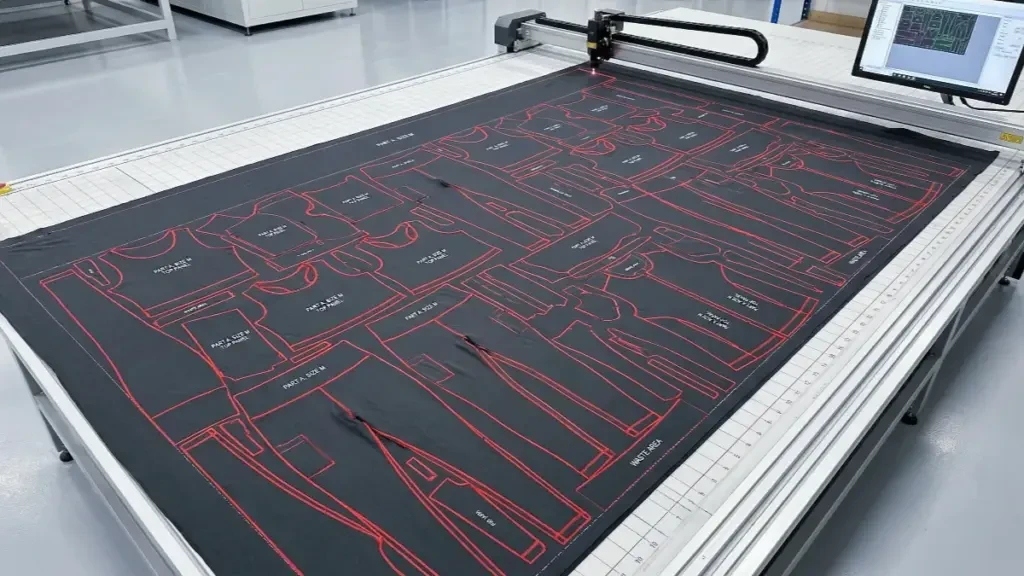
Add photo here: laser cutting machine in operation, cutting precise patterns from fabric with visible laser beam
Advantages: Precision, Edge Sealing, and Complex Geometry
Laser cutting offers three advantages that make it transformative for outdoor apparel:
- Precision (±0.1mm): Laser cutting achieves accuracy impossible with manual or blade cutting. For technical garments where seam alignment must be exact for proper taping, this precision is not luxury - it's functional necessity. Pattern pieces fit perfectly, reducing assembly defects and improving waterproof integrity.
- Sealed edges on synthetics: The laser's heat melts synthetic fabric edges (nylon, polyester), creating a sealed edge that prevents fraying. No additional edge finishing required. This is particularly valuable for lightweight shell fabrics where traditional overlock stitching adds bulk and weight.
- Complex geometry capability: Laser cutting handles intricate shapes, internal cutouts, and fine details that blade cutting cannot achieve. Ventilation holes, pocket openings, decorative perforations, and reinforcement panel shapes that would be impossible or prohibitively expensive with manual cutting become routine.
Additional benefits include: no cutting die cost (patterns are digital, not physical tools), instant pattern changes (load a new file, not fabricate a new die), and nesting software optimization that reduces fabric waste by 10-20% compared to manual marker making.
Software Integration and Camera Positioning
Modern laser cutting systems integrate with CAD/CAM software for end-to-end digital workflow. Pattern files from design software (Adobe Illustrator, tech pack systems, or PLM platforms) are imported directly, nesting algorithms arrange pattern pieces for maximum fabric utilization, and the cutting path is optimized for shortest travel time (saving 10-20% in cutting time).
Camera positioning technology uses AI visual recognition to automatically locate and align fabric on the cutting bed. This solves a critical challenge: printed or patterned fabrics may shift during loading, and manual alignment is slow and imprecise. The camera system identifies registration marks or fabric patterns, adjusts the cutting file to match actual fabric position, and ensures pattern alignment regardless of fabric placement. UniOuter's laser cutting system includes camera positioning for precise alignment on printed and camouflage fabrics.
Applications and Material Compatibility
In outdoor apparel, laser cutting serves multiple applications: precision cutting of waterproof fabric panels (ensuring exact seam alignment for seam taping), gasket and seam tape cutting, applique and decorative element cutting, ventilation perforation patterns, and pocket/reinforcement panel cutting. The technology is particularly valuable for 3-layer waterproof constructions where edge precision directly affects seam sealing quality.
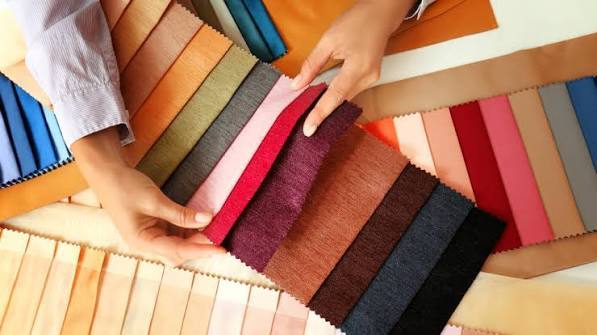
Material compatibility: synthetic fabrics (nylon, polyester, and blends) cut cleanly with sealed edges - ideal for laser cutting. Natural fibers (cotton, linen) cut well but may show light charring at the edge, which is usually acceptable but should be tested. Coated and laminated fabrics (waterproof membranes, DWR-treated fabrics) cut well if laser power is calibrated to the specific material. Cordura and high-denier nylons may require higher power settings. Reflective tape and mixed-material constructions require careful parameter tuning to achieve clean cuts across different materials.
Add photo here: close-up of laser-cut fabric pieces showing precise edges and sealed synthetic fibers
Comparison: Laser vs Die vs CNC Knife Cutting
| Factor | Laser Cutting | Die Cutting | CNC Knife |
|---|---|---|---|
| Precision | ±0.1mm | ±0.5mm | ±0.3mm |
| Complex geometry | Excellent | Limited | Good |
| Edge sealing (synthetics) | Yes | No | No |
| Pattern change speed | Instant (file) | Slow (new die) | Fast (file) |
| Fabric waste | Low (nesting) | High | Medium |
| Tool cost | None (digital) | High (physical die) | Low (blade) |
| Speed | Fast | Very fast (mass) | Medium |
| Small batch suitable | Excellent | Poor | Good |
Each method has its place: die cutting excels for very high-volume single-style production (thousands of identical pieces); CNC knife cutting is good for medium-volume production where edge sealing isn't required; laser cutting dominates for technical apparel, small-to-medium batch production, and any application requiring precision or edge sealing. For outdoor apparel, where quality and flexibility matter more than raw volume, laser cutting is typically the best choice.
UniOuter's Laser Cutting Capability
UniOuter's laser cutting system includes: CO2 laser with camera positioning for automatic fabric alignment, nesting software for optimized fabric utilization, CAD/CAM integration for seamless digital workflow, and experienced operators who calibrate parameters for each fabric type. Our system handles both sampling and production runs, making it suitable for the low-MOQ programs that startup brands need.
For brands developing technical outdoor apparel, UniOuter's laser cutting provides: precision cutting that ensures seam alignment for waterproof taping, sealed edges that eliminate fraying on lightweight shell fabrics, rapid prototyping for design iteration, and nesting optimization that reduces fabric waste. Send an inquiry with your product requirements, explore our product catalog, or learn more about our manufacturing technology. The design and workmanship page covers capabilities, and the purchasing guide covers commercial terms. Contact us to discuss laser cutting specifications for your project.
Shop Outdoor Apparel

Frequently Asked Questions
Laser cutting uses a focused CO2 laser beam to cut fabric with precision of ±0.1mm. The laser vaporizes or melts material along a computer-programmed path, creating clean cuts without physical contact. In apparel manufacturing, it's used for cutting garment panels, ventilation holes, pocket openings, reinforcement panels, and decorative elements - particularly valuable for technical outdoor apparel where precision affects waterproof integrity.
Yes, for synthetic fabrics. The laser's heat melts nylon and polyester fibers at the cut edge, creating a sealed edge that prevents fraying. This eliminates the need for additional edge finishing and reduces bulk and weight. Natural fibers (cotton, linen) may show light charring at the edge but cut cleanly. Coated and laminated fabrics require parameter calibration but generally cut well with sealed edges.
Laser cutting offers higher precision (±0.1mm vs ±0.5mm for die), instant pattern changes (digital files vs physical dies), edge sealing on synthetics, and superior complex geometry capability. Die cutting is faster for very high-volume single-style production. CNC knife cutting is a middle ground for medium-volume production where edge sealing isn't needed. For technical outdoor apparel, laser cutting is typically the best choice.
Camera positioning uses AI visual recognition to automatically locate and align fabric on the cutting bed. The camera identifies registration marks or fabric patterns, adjusts the cutting file to match actual fabric position, and ensures pattern alignment regardless of how fabric is placed. This eliminates manual alignment time and enables precise cutting of printed and patterned fabrics, including camouflage.
Yes, laser cutting is excellent for small-batch production because it requires no physical tooling (dies). Pattern changes are instant - just load a new digital file. This makes it ideal for sampling, prototyping, and low-MOQ production runs. UniOuter's laser cutting system handles both sampling and production, making it suitable for startup brands with smaller order quantities.