ANSI/ISEA 107-2024 Is Live: Updating the Hi-Vis Spec Sheet
- Share
- publisher
- UniOuter
- Issue Time
- Nov 10,2026
Summary
The 2024 revision raised retroreflective thresholds, tightened batch chromaticity and made wash-cycle documentation part of compliance. What hi-vis buyers should re-specify now.

The US high-visibility standard received its most consequential revision in years: ANSI/ISEA 107-2024 raised retroreflective performance, hardened wash-durability requirements, tightened fluorescent chromaticity and turned the garment label into an audit document. Programs still quoting 107-2020 on their spec sheets are not yet non-compliant - but they are re-testing sooner than they planned to.
Quick Answer: ANSI/ISEA 107-2024 raises the retroreflective coefficient for tape, makes wash-cycle and abrasion durability documentation mandatory, tightens fluorescent chromaticity with batch-to-batch consistency, and turns the garment label into a structured audit record stating edition, class, retroreflective material type, manufacturer and size. Performance Classes 1/2/3 remain unchanged - re-spec wash-cycle reports and per-lot colour records before your next hi-vis buy.
For production-ready programmes, see UniOuter's custom hi-vis and flame retardant safety workwear, or read about our factory's testing and production capability.
High-visibility garments are the one category of workwear where the spec sheet is literally a safety document: the difference between a Class 2 and a Class 3 jacket is measured in driver reaction distance. That is why the revision of ANSI/ISEA 107 - published by the International Safety Equipment Association together with ANSI - matters beyond the US market it names. Multinational programs benchmark against the strictest applicable standard, and the 2024 edition reset that benchmark. This briefing reads the revision from the factory side: what changed, why a compliant sample is not a compliant shipment, and what to re-specify before the 2027 season buys.
01 · What the 2024 Revision Actually Changed
Two mechanical changes carry most of the weight. First, retroreflective tape must return more light from further away - the retroreflection coefficient was raised, which directly increases detection distance for drivers approaching a worker in fast traffic. Second, and more disruptive to factory workflows, tape must now prove that performance survives industrial laundering: repeated wash cycles plus abrasion testing, with retroreflective retention documented. This responds to a well-known field failure mode - garments that passed compliance testing on delivery, then lost tape performance after a handful of commercial laundry cycles. The practical consequence for buyers is that wash-cycle test reports become a mandatory condition of sample approval, not an optional quality courtesy.
The quieter change is chromaticity. Fluorescent background fabric must sit inside tightened colour coordinates and stay consistent across production batches. Colour that passes in the sampling lot and drifts outside the boundary in the tenth dye lot is no longer an aesthetic complaint - it is a compliance failure discovered at the wrong end of the supply chain. The revision also formalised more flexible tape configurations (design freedom within minimum visibility areas), added breathability and thermal comfort test methods for garments worn through full shifts, and upgraded the label into a structured audit record.
02 · The Batch Problem: Why a Compliant Sample Is Not a Compliant Shipment
Hi-vis compliance lives on three curves that all decay: tape retroreflection across wash cycles, fluorescent brightness across dye lots, and background colour across the garment's service life. A program that certifies the sample and never tests again is betting its PPE budget on the first point of all three curves. The 2024 revision forces the industry to document the curves themselves - and that is genuinely good news for buyers who were already running periodic re-inspection, because it converts their internal practice into a standard requirement their competitors must now match.
Every factory-side conversation about hi-vis durability converges on the same scene: the commercial laundry. Tape adhesion, fluorescent dye stability and background fabric integrity all age fastest under industrial wash conditions - high temperature, chemical detergents, tumbling abrasion. Programs that spec wash durability once, per construction, and verify it per fabric family, ship garments that still pass inspection at month eighteen. Programs that skip it ship returns.
03 · Re-Specifying Without Killing Your Margin
None of the 2024 changes require exotic materials - they require verification discipline, which is cheaper than it sounds when it is built into the existing QC flow. The re-specification list is short: update the standard reference on the spec sheet, add wash-cycle reports to sample approval, require batch chromaticity records per dye lot, and check label format against the new requirements. Where programs get surprised is the interaction with adjacent certifications - hi-vis FR garments must satisfy visibility and flame performance simultaneously, and the FR standards guide covers that overlap. The procurement checklist in our safety workwear procurement guide now needs the 2024 wash-durability clause bolted on.
The standard did not make hi-vis harder to make. It made it harder to fake - which is where the margin goes back to factories that test.
UniOuter compliance notes, autumn 2026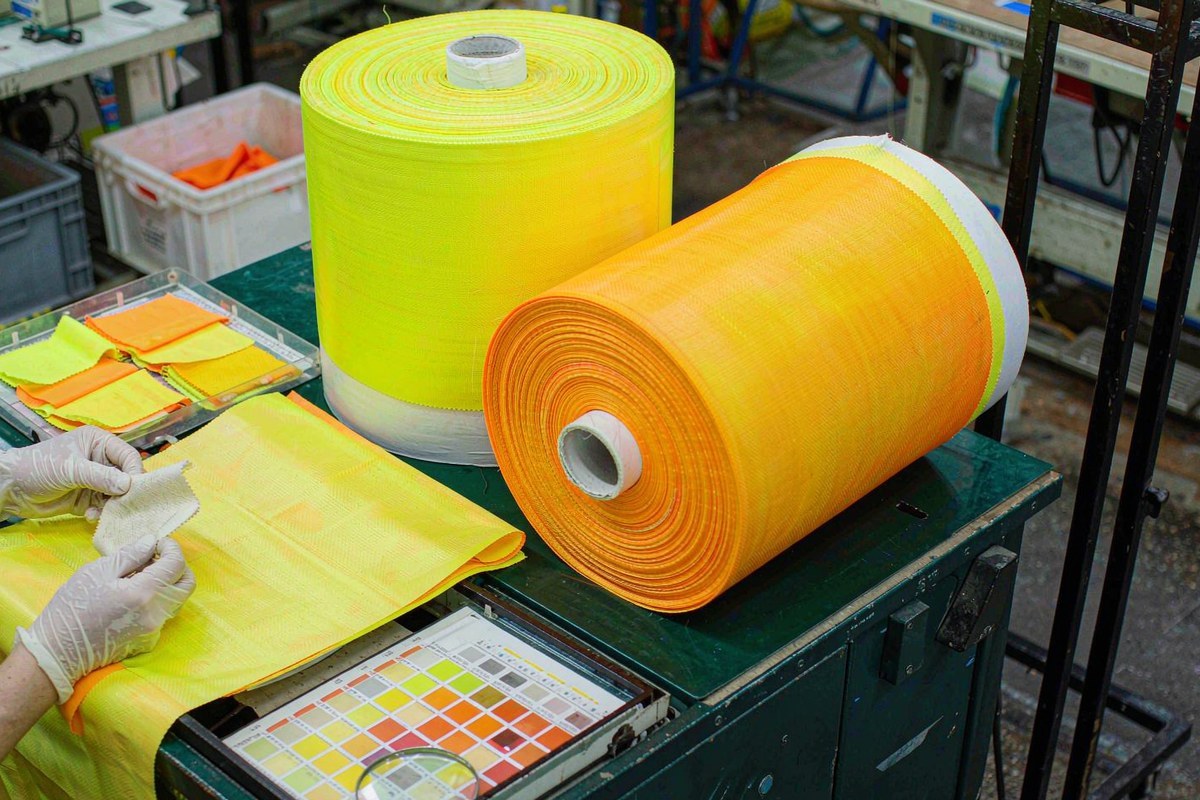
04 · Where UniOuter Fits In
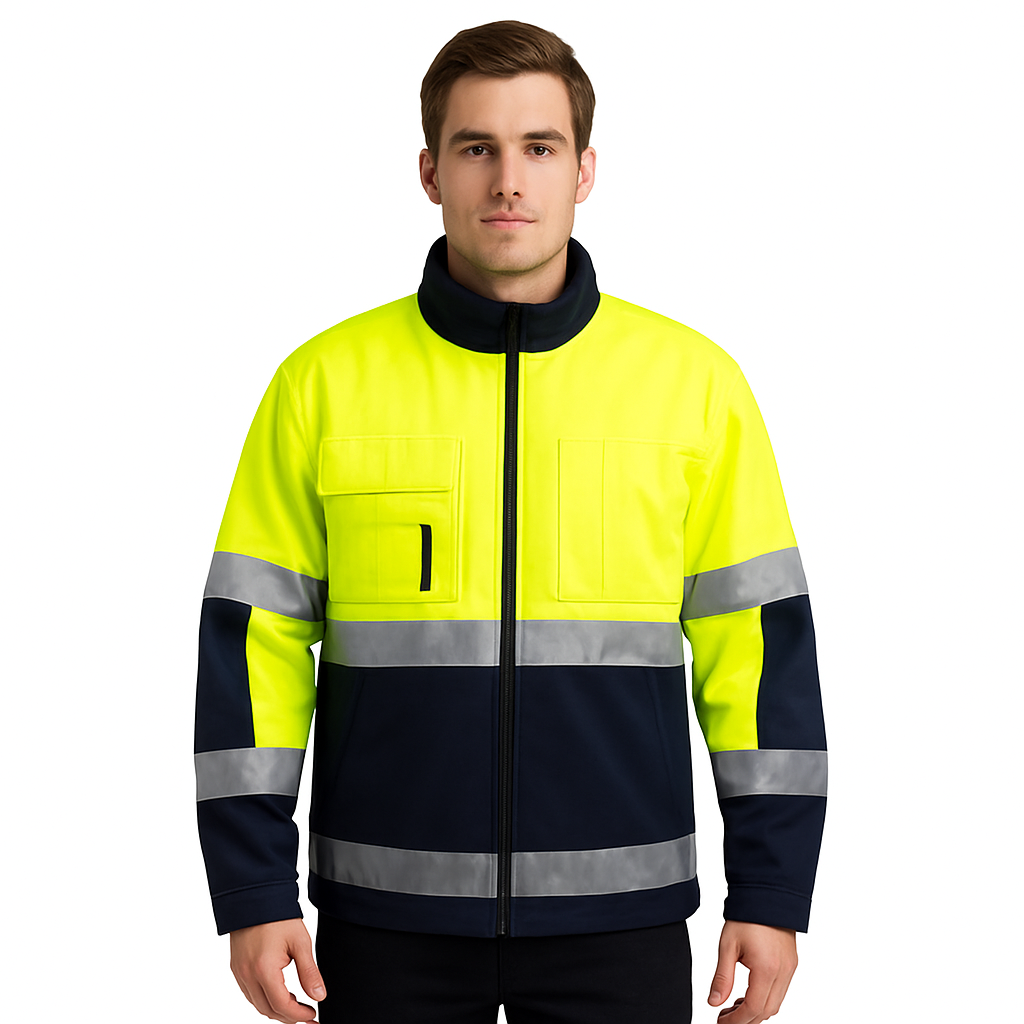
UniOuter produces Class 2 and Class 3 hi-vis programs - winter, waterproof, anti-static and FR variants - with wash-cycle durability testing, per-lot colour records and labeling built to the 2024 requirements from the pattern stage. The factory audit checklist covers the verification points a buyer should walk before signing a supply contract, and the hi-vis wholesale guide frames the category for program buyers.
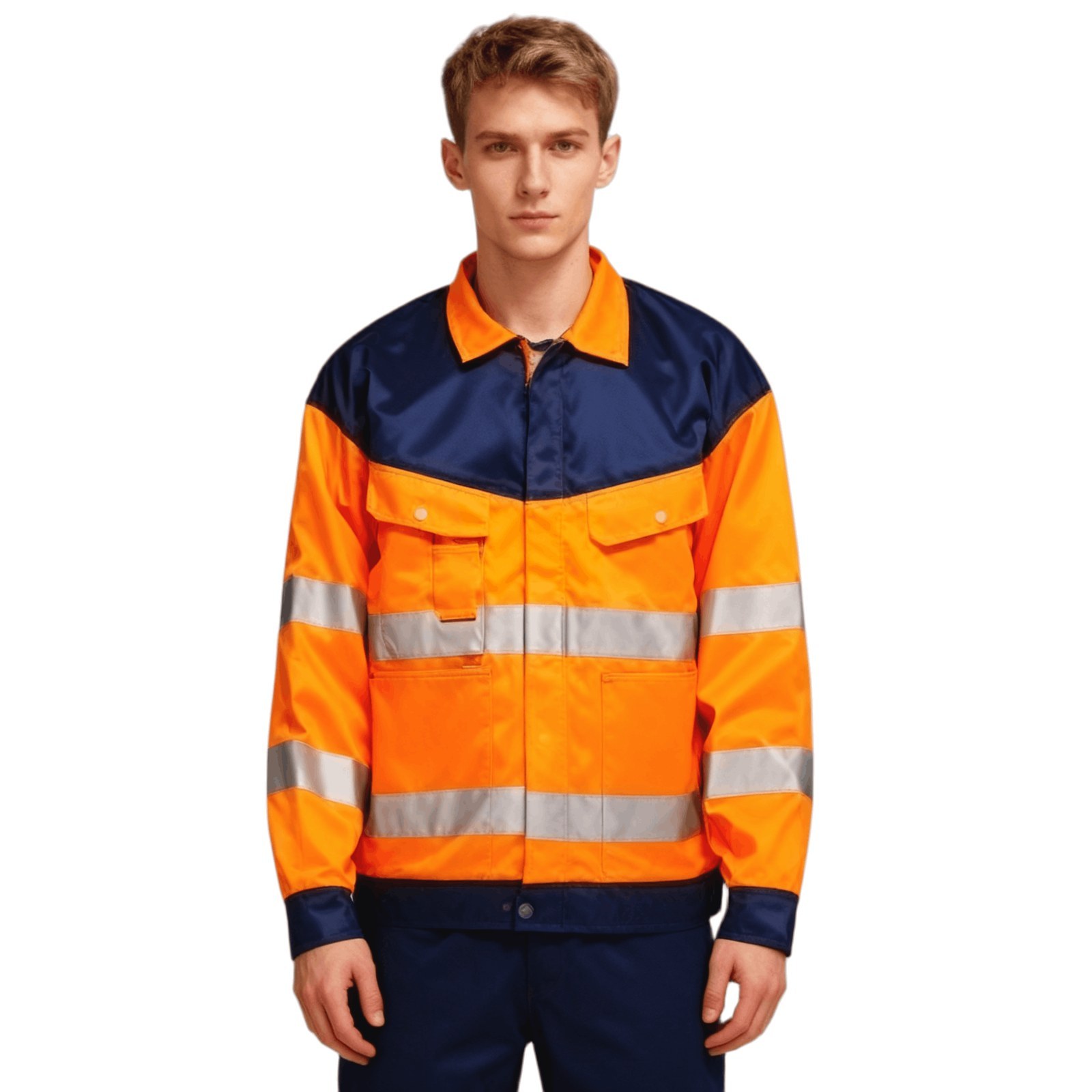
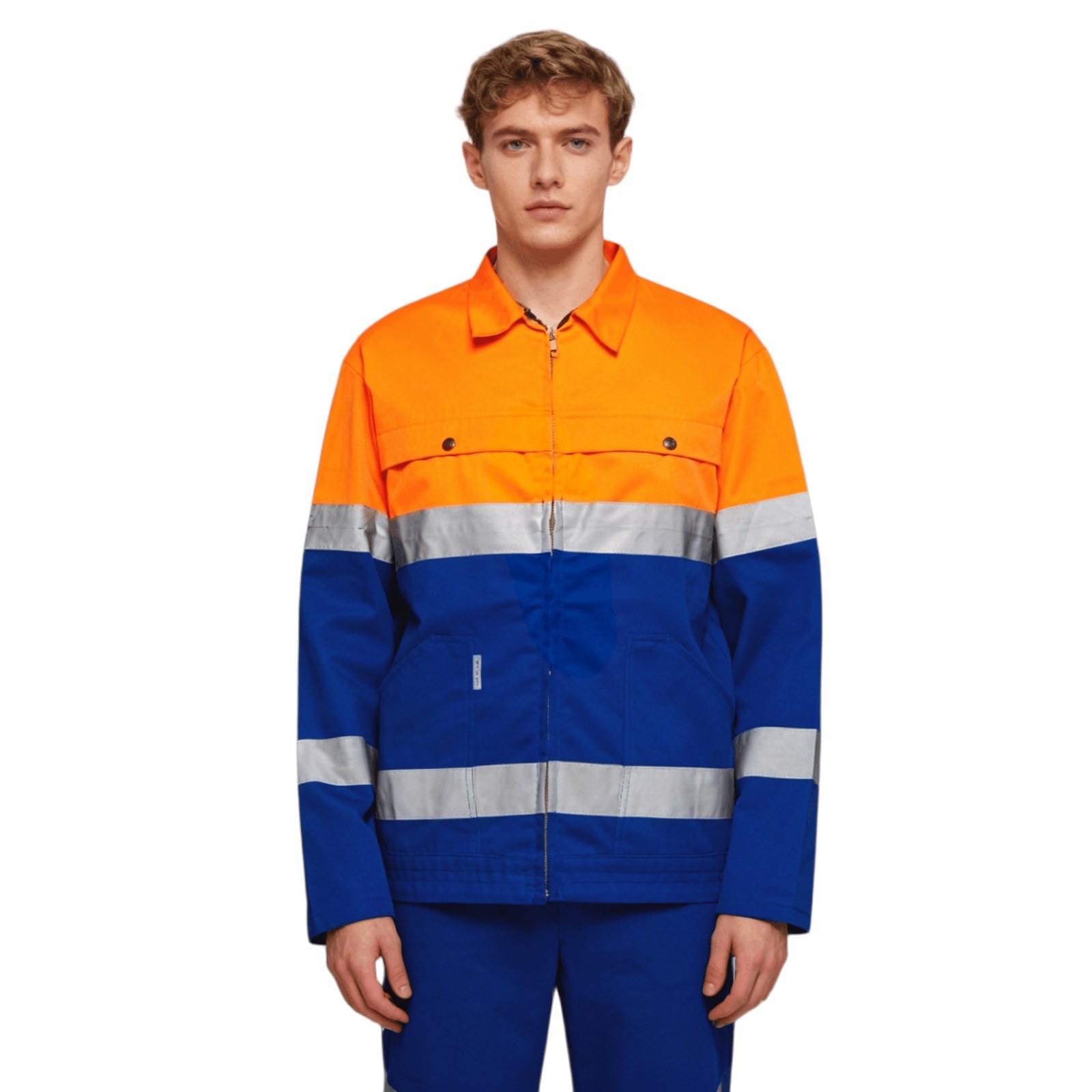

The 2024 edition raises the retroreflective coefficient for tape, adds mandatory wash-cycle and abrasion durability testing, tightens fluorescent chromaticity with batch-to-batch consistency requirements, and requires structured labels stating the standard edition, performance class, retroreflective material type, manufacturer and size.
Yes - garments already in the market under the 2020 edition remain valid, and 2020-certified stock still turns through the supply chain. But vendor manuals are moving to the 2024 reference, so new production should be specified and labeled to ANSI/ISEA 107-2024 now.
Class 3 requires more fluorescent background material, more retroreflective material and higher retroreflection performance than Class 2, and is intended for workers near high-speed traffic or in complex visual backgrounds. Class 2 covers moderate-risk environments such as general construction and warehousing; Class 1 is the minimum for lower-risk settings.
The standard sets no fixed interval because degradation depends on wash frequency, dirt exposure and abrasion. Best practice is inspection-based replacement: swap garments when tape is cracked or lifting, or when the fluorescent background is faded or soiled beyond cleaning. Industrial laundry programmes typically inspect at every wash cycle.
Yes. Retroreflective retention after repeated industrial laundering is documented per fabric construction, and chromaticity is measured per dye lot with batch records attached - both supplied at sample approval so buyers can file them as compliance evidence.