Outdoor Clothing Quality Control: The Complete Three-Tier Inspection Framework
- Share
- publisher
- UniOuter
- Issue Time
- Sep 25,2026
Summary
A complete guide to outdoor clothing quality control: the three-tier inspection framework, raw material inspection, in-process inspection, finished product inspection, functional testing, AQL standards, documentation, third-party inspection, common defects, and UniOuter's QC system.
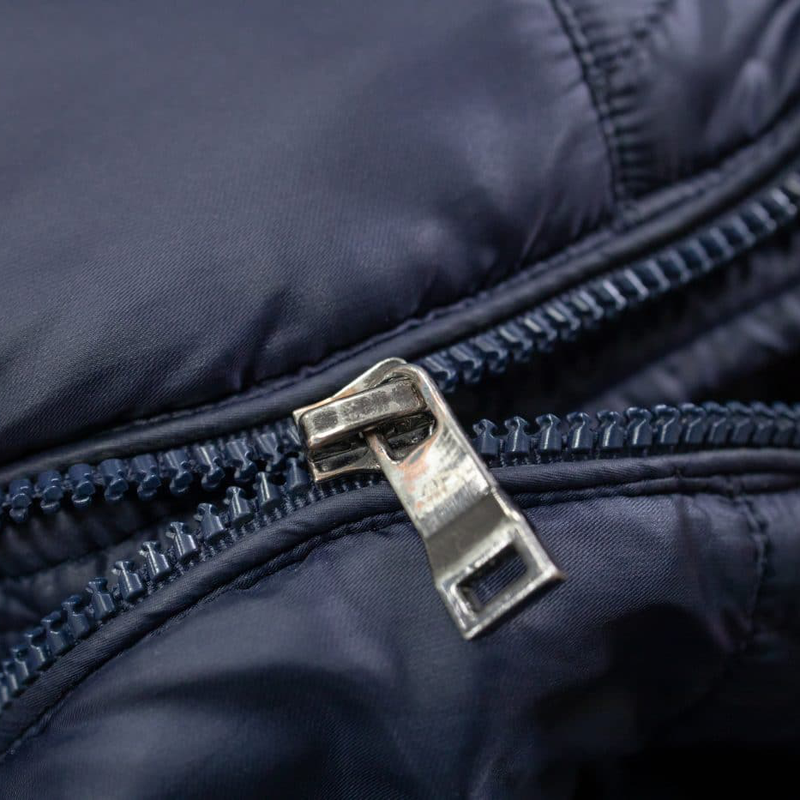
Quality control in outdoor apparel manufacturing is not a single checkpoint - it's a systematic process that spans from raw material arrival to finished product shipment. This guide presents the three-tier inspection framework that UniOuter uses to ensure every garment meets functional and aesthetic specifications, with practical guidance for brand buyers on what to require from their manufacturers.
For related manufacturing context, see our manufacturing guide, seam sealing guide, and cost guide.
The Three-Tier Inspection Framework
The three-tier inspection framework distributes quality verification across the entire production process, catching defects at the earliest possible stage - when correction is cheapest. Tier 1 (raw material) prevents defective fabric from entering production. Tier 2 (in-process) catches assembly errors before they compound across the production run. Tier 3 (finished product) verifies the complete garment meets all specifications before shipment.
This systematic approach contrasts with "final inspection only" models where quality issues are discovered too late for efficient correction. A defect caught at Tier 1 (wrong fabric weight) costs minutes to fix; the same defect caught at Tier 3 (after the garment is fully assembled) costs the entire garment. The three-tier framework is both higher quality and lower cost - quality investment prevents quality expense.
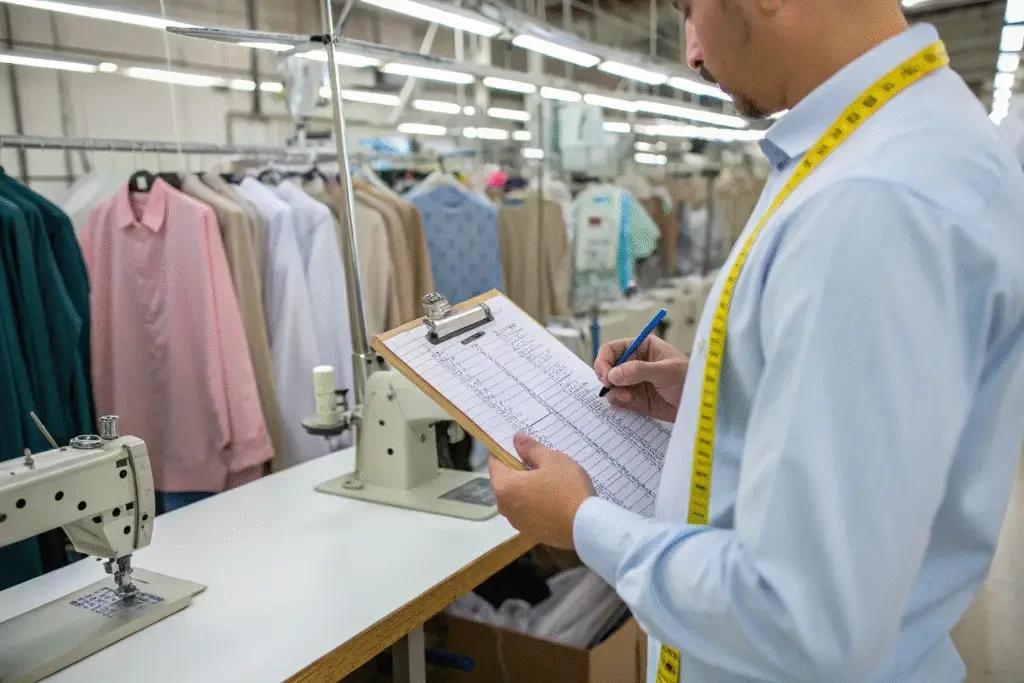
Add photo here: quality control inspector examining a finished outdoor jacket on a mannequin under bright lighting
Tier 1: Raw Material Inspection
Raw material inspection verifies that incoming materials meet specifications before production begins. Key checks include: fabric verification (weight/GSM, composition, weave structure matches spec), color matching (against approved color standard under standardized lighting), functional fabric testing (waterproofness, breathability, MVTR if applicable), accessory testing (zippers, snaps, hardware function and durability), and visual defect scanning (fabric rolls inspected for weaving defects, dye spots, or contamination).
Color matching is particularly critical - color deviation discovered after cutting means wasted fabric and delayed production. UniOuter uses standardized D65 lighting for color evaluation and maintains approved color standards for every project. Any material failing Tier 1 inspection is quarantined and rejected before entering the cutting room.
Tier 2: In-Process Inspection
In-process inspection occurs during garment assembly, catching construction defects before they compound. Key checkpoints include: cutting accuracy (pattern pieces match specs within tolerance - laser cutting improves this), sewing quality (stitch density, seam allowance, tension consistency, skipped stitches), seam tape integrity (tape adhesion, edge lifting, complete coverage - see our seam sealing guide), and functional feature verification (pockets, vents, zippers, adjustable elements function correctly).
In-process inspection frequency depends on production volume and complexity. For critical items (waterproof garments, safety apparel), inspection occurs at every major assembly stage. For simpler items, sampling inspection at key stages suffices. UniOuter's in-process inspectors report to production managers in real-time, allowing immediate correction of systemic issues (like a machine tension drift affecting multiple garments).
Tier 3: Finished Product Full Inspection
Tier 3 is the final gate before shipment - every garment receives full inspection. Checks include: visual defects (stains, snags, loose threads, uneven stitching), color deviation (between panels, between garments, against approved standard), workmanship (seam quality, hem evenness, collar alignment, hardware placement), functional performance (zipper operation, snap function, waterproof integrity if applicable), sizing and fit (measurements within tech pack tolerances), and labeling and packaging (correct labels, hang tags, folding, polybag).
Add photo here: quality control station with inspection tools - measuring tape, light box, and documentation forms
Functional Testing, AQL Standards, and Third-Party Inspection
Functional testing verifies performance claims: waterproofness (hydrostatic head test - ratings guide), breathability (MVTR or RET testing), wear resistance (Martindale or Taber abrasion test), and seam strength (seam tape adhesion and waterproofness). These tests use standardized methods and equipment, providing objective performance data.
AQL (Acceptable Quality Level) standards define acceptable defect rates for statistical sampling inspection. For apparel, AQL 2.5 (accepting lots with up to 2.5% defective units) is common for major defects; AQL 4.0 for minor defects. Critical defects (safety issues) typically use AQL 0.0 - zero tolerance. UniOuter applies AQL standards at Tier 3, with sampling plans based on production lot size per ISO 2859.
Third-party inspection (SGS, BV, ITS) provides independent verification for buyers who cannot be on-site. Third-party inspectors apply the same AQL standards and testing methods but without manufacturer bias. UniOuter supports third-party inspection at any production stage and provides all necessary documentation. For brands new to Chinese manufacturing, third-party pre-shipment inspection is a worthwhile investment.
Common Defects and Quality Cost Analysis
Top outdoor apparel quality issues and prevention strategies:
- Seam tape failure: Tape lifting, delamination, or incomplete coverage. Prevention: proper tape specification, pneumatic press application, and seam testing at Tier 2.
- Color deviation: Between panels or between garments. Prevention: dye lot control, standardized color evaluation at Tier 1, batch tracking.
- Stitching defects: Skipped stitches, uneven tension, seam puckering. Prevention: machine maintenance, operator training, Tier 2 sampling inspection.
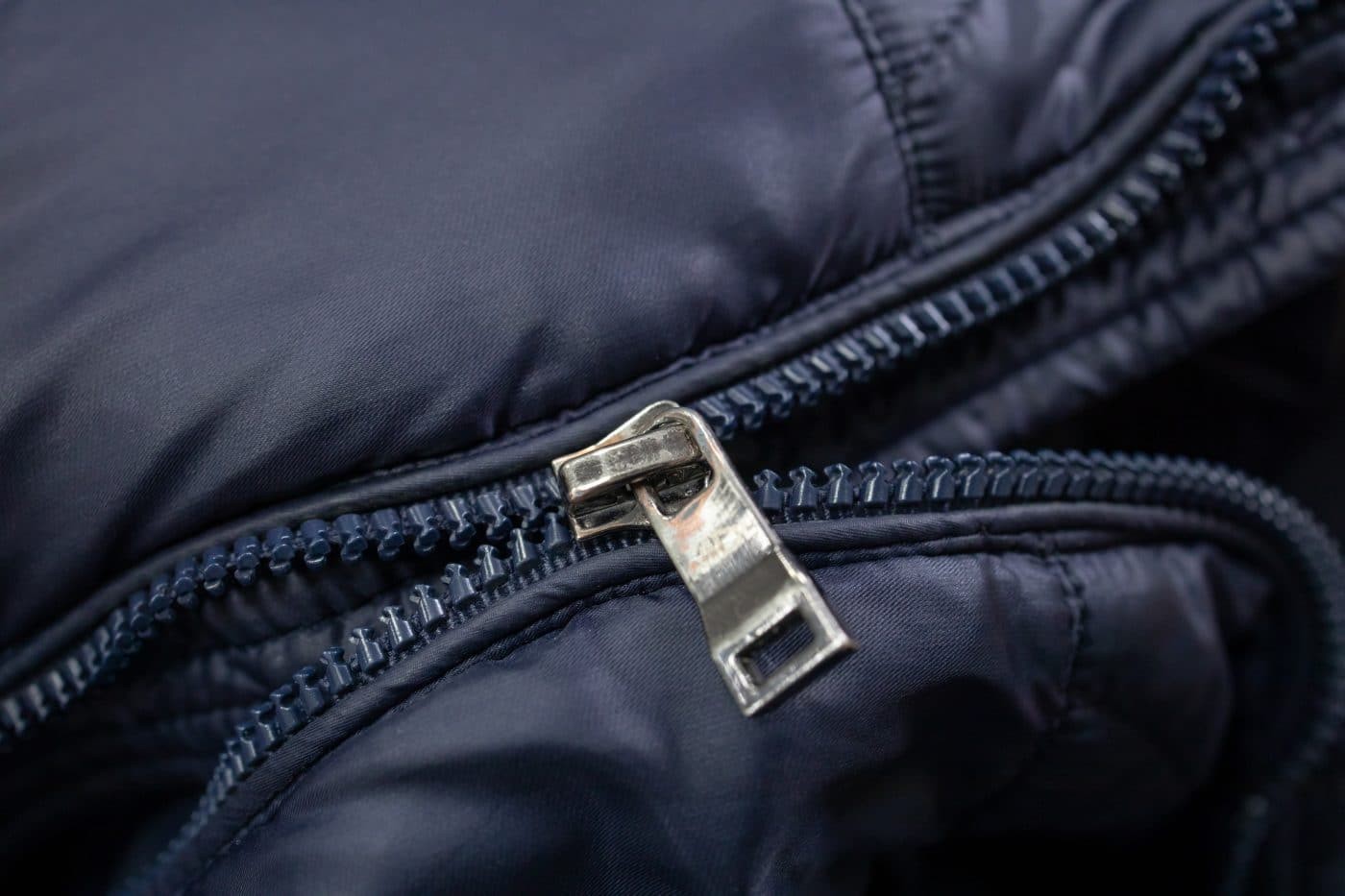
- Hardware failure: Zipper malfunction, snap detachment. Prevention: accessory testing at Tier 1, function verification at Tier 3.
- Sizing variation: Garment measurements outside tolerance. Prevention: pattern verification, cutting accuracy, measurement inspection at Tier 3.
Quality cost analysis: the cost of quality (inspection, testing, documentation) is typically 3-5% of production cost. The cost of poor quality (rework, scrap, returns, warranty claims, reputation damage) can reach 15-25% of production cost for manufacturers without robust QC. The three-tier framework is not an expense - it's an investment that prevents much larger downstream costs. UniOuter's 30-day rework warranty and certification portfolio demonstrate our quality commitment. For commercial terms, see the purchasing guide.
Shop Outdoor Apparel
Frequently Asked Questions
The three-tier framework distributes quality inspection across production: Tier 1 inspects raw materials (fabric, accessories) before production begins; Tier 2 inspects during assembly (cutting, sewing, seam taping); Tier 3 inspects finished products before shipment. This catches defects at the earliest, cheapest stage - a fabric defect caught at Tier 1 costs minutes to fix; the same defect caught at Tier 3 costs the entire garment.
AQL (Acceptable Quality Level) defines acceptable defect rates for statistical sampling inspection. For apparel, AQL 2.5 (up to 2.5% defective units for major defects) and AQL 4.0 (for minor defects) are common. Critical defects (safety issues) use AQL 0.0 - zero tolerance. AQL sampling plans based on lot size determine how many units to inspect and how many defects are acceptable per ISO 2859 standards.
For brands new to Chinese manufacturing or for high-value production runs, third-party pre-shipment inspection is a worthwhile investment. Independent inspectors (SGS, BV, ITS) apply the same AQL standards without manufacturer bias. UniOuter supports third-party inspection at any production stage and provides all necessary documentation. For established partnerships with robust QC, third-party inspection may be less critical.
The most common defects are: seam tape failure (lifting, delamination), color deviation (between panels or garments), stitching defects (skipped stitches, uneven tension), hardware failure (zipper malfunction, snap detachment), and sizing variation (measurements outside tolerance). Each is preventable with proper inspection at the appropriate tier - fabric testing at Tier 1, seam inspection at Tier 2, and full verification at Tier 3.
Quality control (inspection, testing, documentation) typically costs 3-5% of production cost. This is an investment that prevents the cost of poor quality (rework, scrap, returns, warranty claims, reputation damage) which can reach 15-25% of production cost for manufacturers without robust QC. The three-tier framework is both higher quality and lower total cost compared to final-inspection-only approaches.