Warm-Winter Winter: Why Modular Layering Systems Are Beating Heavy Insulation for 2026-27
- Share
- publisher
- UniOuter
- Issue Time
- Nov 4,2026
Summary
Warm, volatile winters are punishing heavy single-purpose insulation. A development guide to modular layering systems - base, mid, shell - and the specs that make them sell.
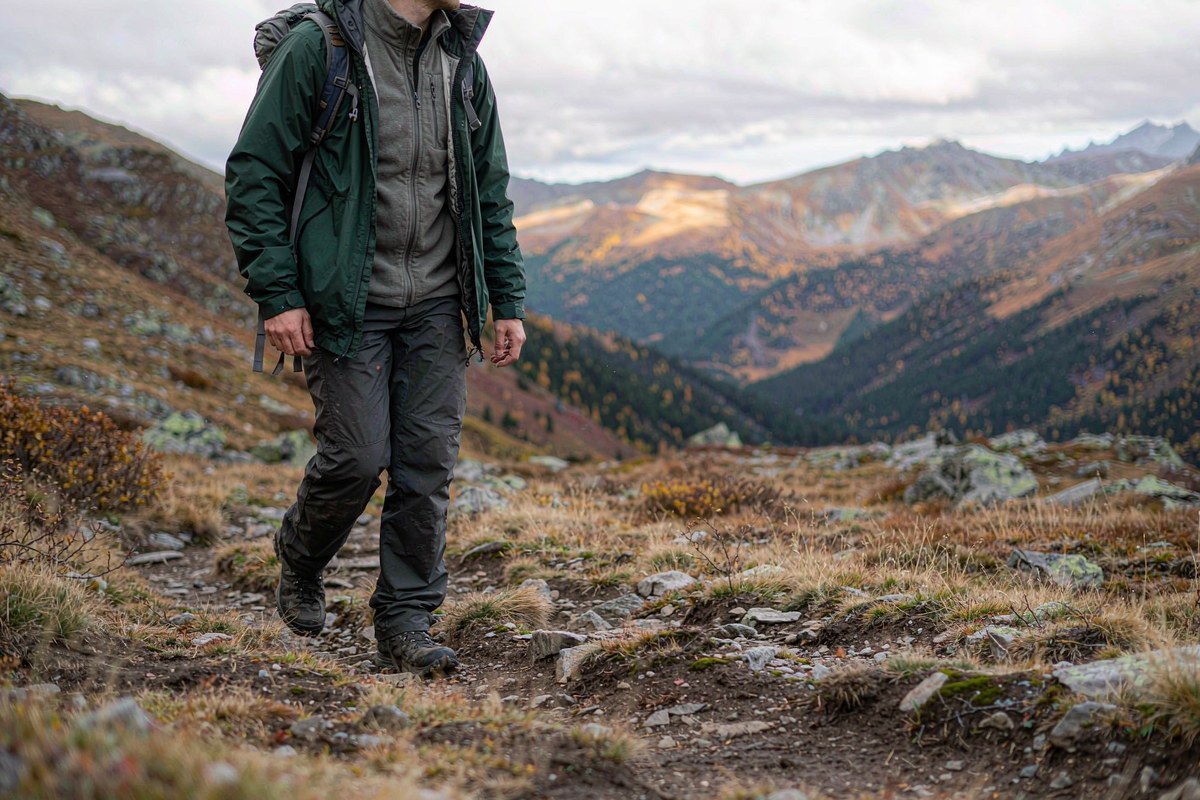
The heaviest jacket in the line keeps getting harder to sell. Consecutive record-warm years have turned the big parka into markdown risk, while modular layering systems - base, mid, shell - stretch across more weeks of the year and refill against observed weather, not calendar optimism.
Every November, winter programs lock. What has changed is what a 'winter program' should contain. This briefing argues the case from the factory side: why heavy single-purpose insulation is becoming the riskiest part of a cold-weather line, how a modular layering system spreads that risk, and the specifications that decide whether a layering program actually sells through. For the foundational logic, our Layering 101 guide explains the wearing side; here we stay on the building side.
Why the Heavy Parka Order Got Risky
A heavy insulated jacket is a one-window product: it sells in a narrow temperature band, in a short season, and its commercial fate is decided by weather the brand cannot control. The European State of the Climate reports document what buyers already feel - record-warm years, delayed winters, shoulder seasons that stretch for months - and the European Environment Agency tracks how those shifts land on real European markets, which warm roughly twice as fast as the global average. When the cold snap arrives late or arrives weak, the parka order that cannot be re-timed becomes the markdown order. As we noted in our smaller first buys analysis, inventory risk now sits on the brand's balance sheet, and EU rules against destroying unsold stock make it worse.
A layering system attacks the same demand with three lighter bets instead of one heavy one. The base layer sells almost year-round, the fleece or active-insulation mid layer covers autumn through spring, and the shell - already the anchor of most outdoor lines - carries the waterproof story. Fewer units sit waiting for minus-five degrees; more units sell at plus-eight.
| Dimension | Heavy insulated parka | Modular layering system |
|---|---|---|
| Sellable window | Short deep-winter weeks | Autumn through spring, layer by layer |
| Weather sensitivity | High - needs real cold to move | Low - each layer sells in its own band |
| Markdown exposure | Concentrated in one SKU | Spread across three slower-aging SKUs |
| Development cost | One complex garment | Three simpler garments, shared trims |
| Replenishment fit | Poor - season is over before data arrives | Strong - refills against observed demand |
| Brand story | Warmth, one note | System, versatility, year-round use |
The sellable look: shell over fleece, worn from October to April
Anatomy of a Layering System That Sells
A layering program is not three random garments bundled. It works when the pieces are engineered to stack: the base manages moisture, the mid traps adjustable warmth, the shell blocks wind and rain, and together they cover a wider climate range than any single jacket could. The specifications below are where programs succeed or quietly fail.
- Mid layer with real architecture - windproof fleece or active insulation with articulated arms, so it works both under a shell and alone
- Shell first, always - the waterproof-breathable outer is the anchor purchase; the 3-layer hardshell craft breakdown shows what separates it from generic builds
- Shared trims and zip logic - compatible zippers and common colorways let customers and buyers treat the line as a system
- Convertible options - a 3-in-1 construction, covered in our jacket line building guide, parks a parka's warmth inside a shell so one SKU covers two seasons
- Honest weight and pack size - layers get carried, so grams and packed volume are sales arguments, not footnotes
A parka is a bet on the weather. A layering system is a bet on the customer - and the customer shows up every week of the year.
Product line planning note, autumn 2026What to Spec From the Factory
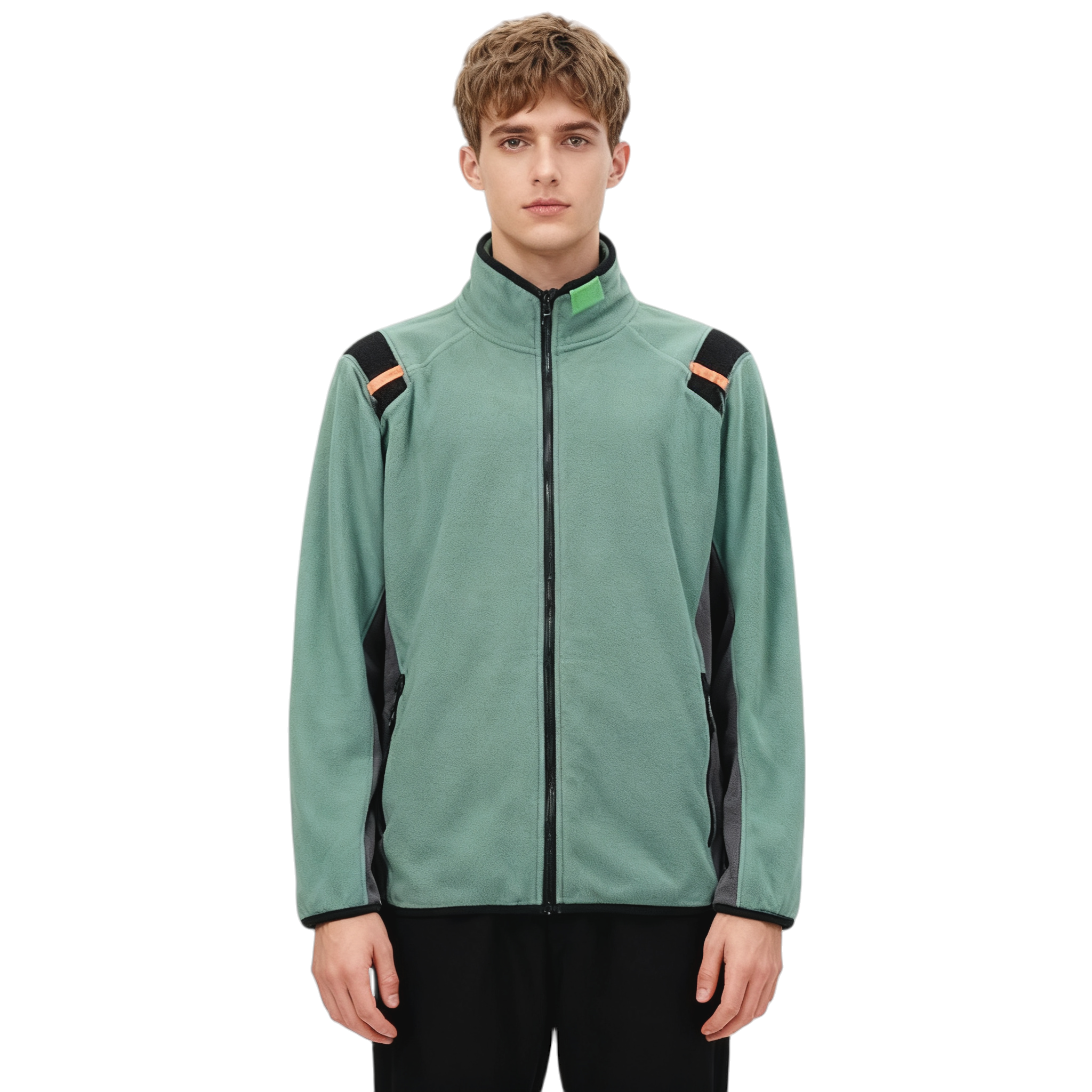
Layering programs live or die on mid-layer quality, because that is the piece customers actually see and touch in-store. Fabric hand-feel, pilling resistance after repeated washes, zip garages that do not snag, and windproof membranes that stay quiet - these are factory-controlled details. Our softshell versus hardshell fabric comparison and the route-based shell selection guide cover how the outer layers pair; the split below shows what to check on the mid.

Once by the buyer for pilling, loft recovery and seam stretch; once by the end customer for warmth-to-bulk ratio and how it layers under a shell without binding at the shoulder. A windproof fleece that fails either test becomes shelf stock. Spec wash testing and shell-compatibility checks before production, not after.
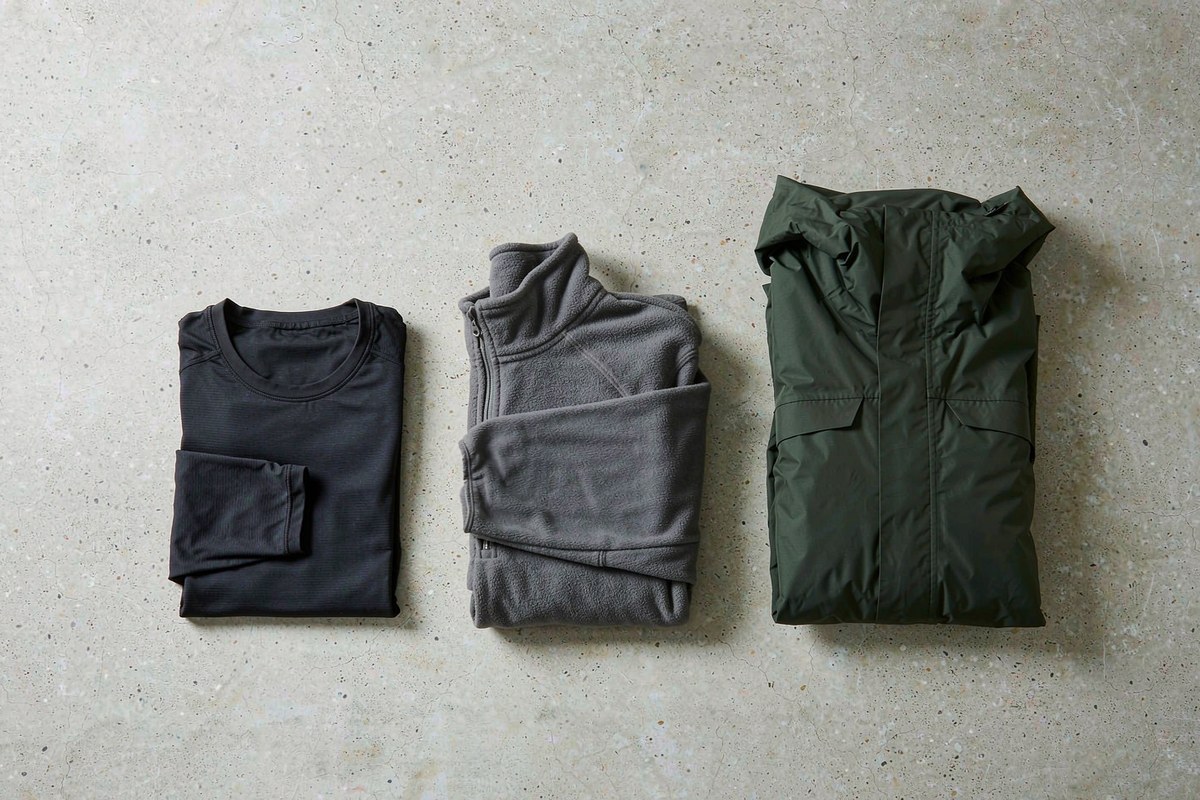 One program, three SKUs: base, windproof fleece mid, waterproof shell
Where UniOuter Fits In
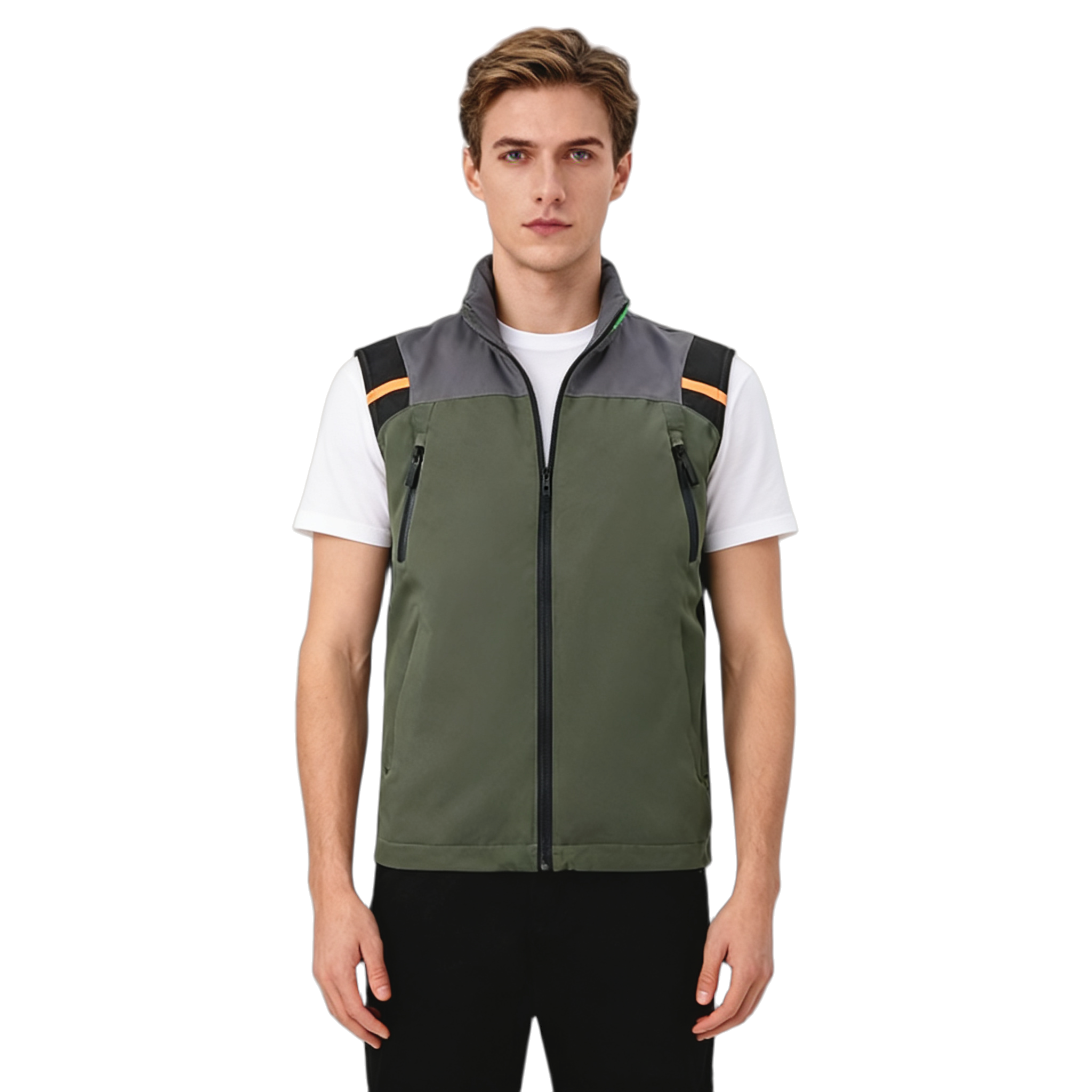
UniOuter builds all three layers under one roof: windproof fleece mid layers and vests, softshells for the dry-cold window, and taped-seam 3-layer hardshells as the system anchor, with shared trim libraries and 300-to-500-piece starting runs so a full layering program can launch as one order. For the commercial logic of starting smaller and refilling, see our hardshell vs alternatives selection guide and the sourcing framing in the European market briefing. Sustainability expectations follow the same logic - our recycled fabrics guide covers certification for fleece and shell fabrics alike.
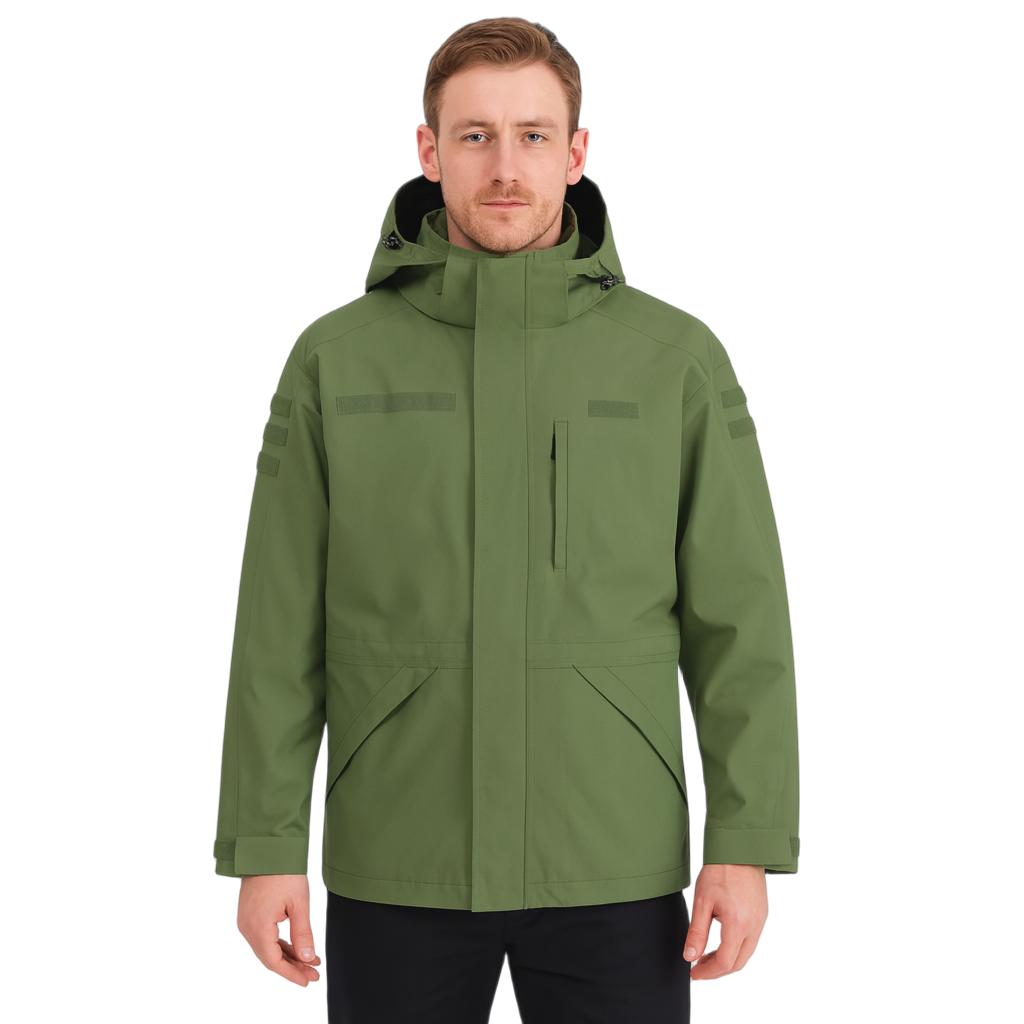
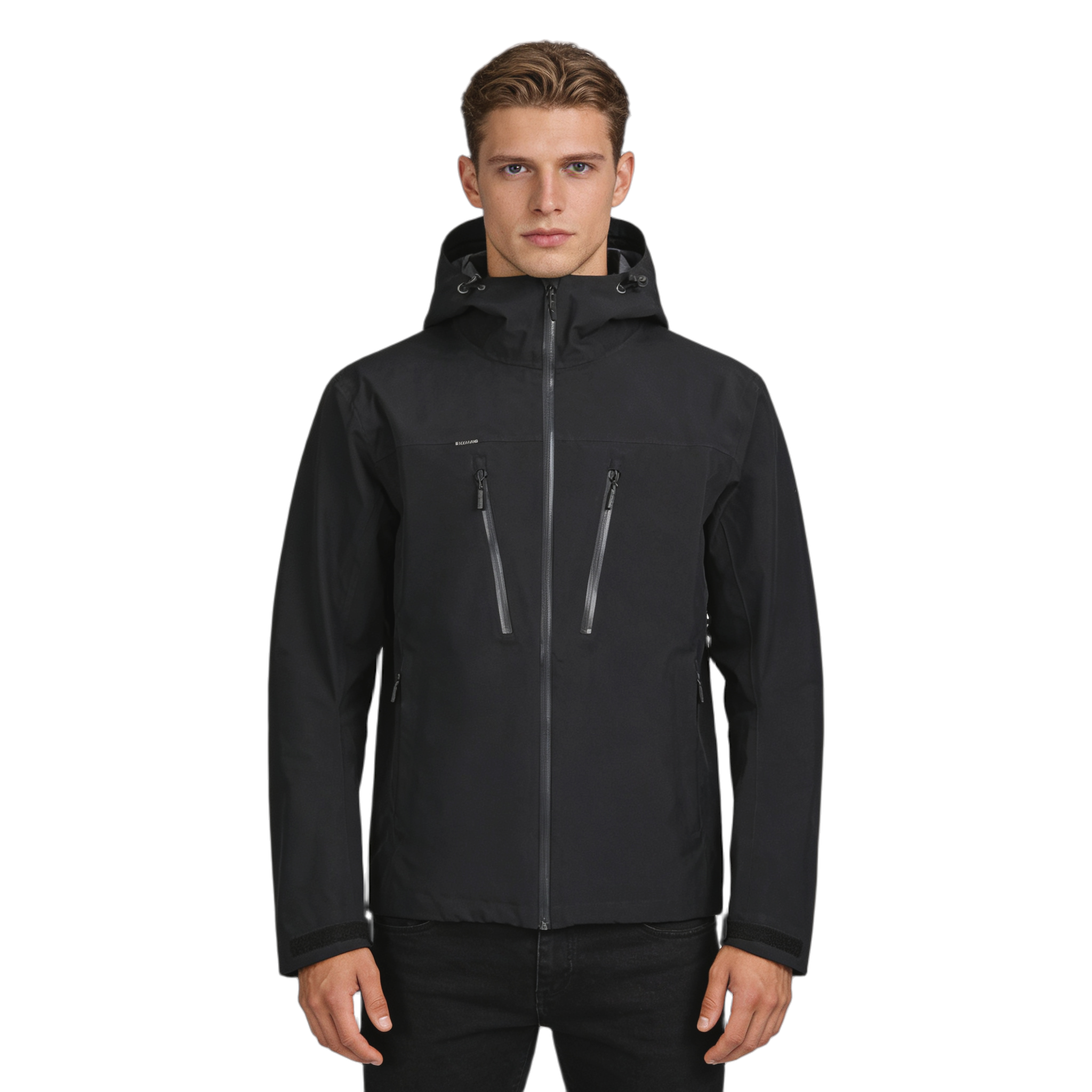
Record-warm winters have shortened the window in which heavy parkas sell, concentrating markdown risk in one SKU. Layering systems spread sales across autumn, winter and spring - each layer sells in its own temperature band - and refill well against observed demand rather than seasonal forecasts.
A 3-in-1 pairs a waterproof shell with a removable insulated or fleece inner that can be worn together, separately, or zipped-in. It makes sense when a brand wants parka-level warmth without parking all its winter inventory in one heavy jacket - one SKU covers deep winter, wet autumn and spring shoulder use.
Windproof fleece remains the strongest general answer: warm for its weight, breathable, quiet, and it layers under a shell without binding. Active insulation suits high-output users; heavier loft suits static cold. Pilling resistance and loft recovery after washing are the specs that separate premium fleece from commodity fleece.
Because no single garment needs real winter to sell. If the season runs warm, base layers and fleece still move at normal margins; if it runs cold, the shell carries the peak. The line's revenue is diversified across weather outcomes instead of betting on one.
With a factory that runs low-MOQ programs, a complete system - base, mid and shell in core colorways - can start around the combined volume of three small runs, typically 300 to 500 pieces per style, with shared trims reducing development cost versus three separate programs.
Yes. Workwear buyers use the same logic: a wicking base, a windproof fleece or vest for cool mornings, and a hi-vis waterproof shell for wet or low-light tasks. The task-based stacking logic is identical - and agricultural and industrial buyers increasingly spec garments this way.
Planning a 2026-27 winter line? Send us your climate target and we will map the layering program around it.
Build your system