Down vs Synthetic: The Insulation Spec Sheet for Warm-Winter Programs
- Share
- publisher
- UniOuter
- Issue Time
- Nov 10,2026
Summary
Fill power alone does not make a warm jacket - total fill weight does. A factory-side spec guide to down and synthetic insulation for volatile winters.
Every winter program has the same conversation in November: how much down, what fill power, or whether to switch to synthetic. The answer has gotten more interesting as warm, volatile winters reshape what actually sells - and as the layering logic described in our modular layering briefing pushes insulation into thinner, more technical forms.
Quick Answer: Fill power measures loft, not warmth - a jacket's warmth is its total fill weight multiplied by fill power. Spec both numbers together: 550-650 FP with 60-100 g fills for everyday insulated pieces, 700-800+ FP with 120 g and up for technical down; use synthetic fill for wet climates and machine-wash programmes, and RDS-certified down with documented chain of custody for premium pieces.
For programme-ready garments built to this spec, see UniOuter's custom hiking clothes and mountaineering apparel, or read our guide to our factory's testing and production capability.
The commercial backdrop first. Warm winters did not kill the insulated jacket - they made it a component instead of a fortress. The same customer who buys a packable wind shell for October (a story we told in the windbreaker briefing) still needs real insulation for the six weeks that actually freeze, and now expects it to pack down, layer cleanly and survive indoor-to-outdoor temperature swings. That brief rewards a smarter insulation spec, not a heavier one. This briefing covers how down and synthetic fill actually differ on the factory floor, and where each one wins in a modern line.
The Fill Power Trap
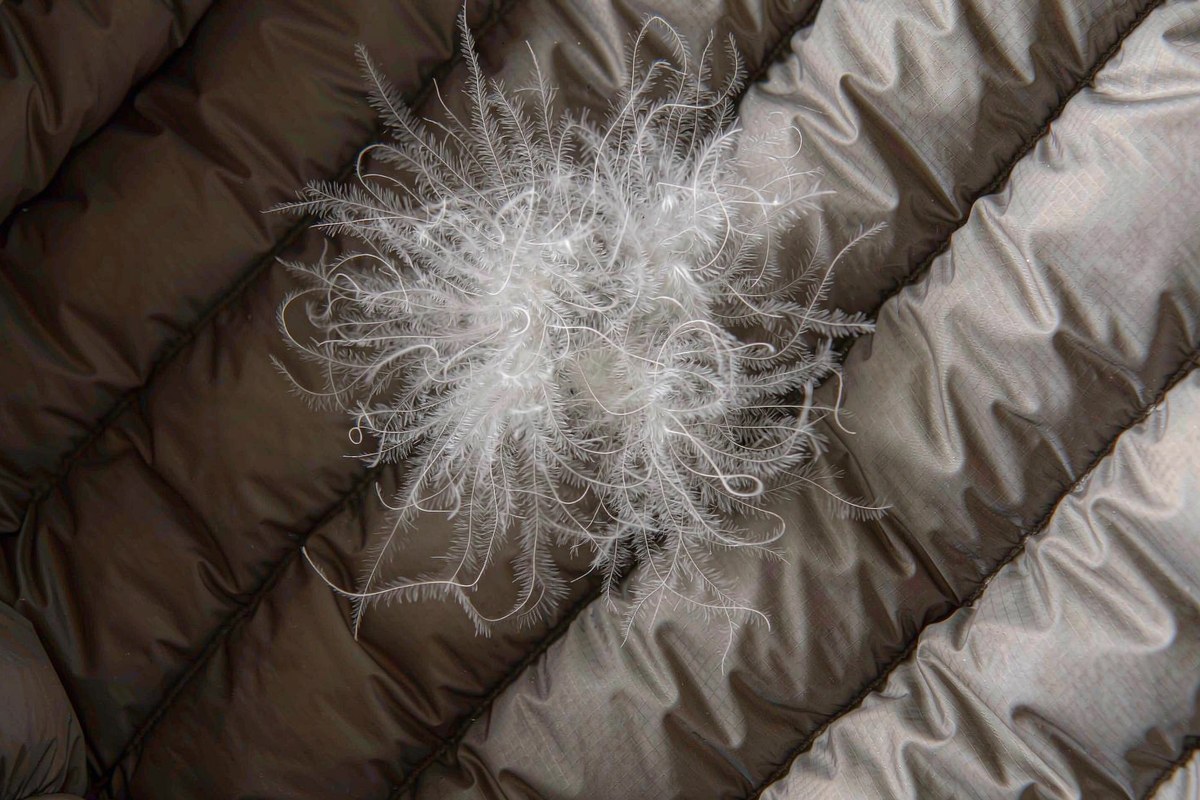
Fill power is the most quoted and most misunderstood number in outerwear. It measures loft - the volume in cubic inches that one ounce of down recovers after compression - and nothing else. A jacket is warm because of the total volume of trapped air it holds, which is fill weight multiplied by fill quality. A 90-gram fill of 650-FP down holds more total air than a 60-gram fill of 800-FP down, which is why the alpine parka in your line is warm and the ultra-light puffy is merely light. Buyers who specify only the fill power number get exactly the wrong outcome: the factory hits the number on the hangtag and the jacket still runs cold, because nobody pinned the fill weight. The fix is mechanical: write both numbers into the spec - target fill weight per size and minimum fill power - and let the pattern team balance them.
| Dimension | Down fill | Synthetic fill |
|---|---|---|
| Warmth-to-weight | Best in class - unrivalled loft per gram | Heavier for equal warmth |
| Wet performance | Collapses when soaked; slow to recover | Insulates when wet; dries fast |
| Compressibility | Packs smaller than anything else | Bulkier in the pack |
| Durability | Decades with care; clusters migrate if baffles fail | Degrades gradually over seasons |
| Care and laundering | Delicate wash, thorough drying required | Machine wash friendly |
| Allergen profile | Feather allergens possible | Hypoallergenic |
| Cost class | Premium, priced by FP grade | Accessible, stable pricing |
| Traceability burden | RDS chain-of-custody documentation | Simple; recycled PET options growing |
Spec Targets That Survive the Showroom
With the physics settled, the spec sheet writes itself around six decisions. None of them are exotic; all of them are where cheap programs quietly cut.
- Fill weight and fill power, written together - spec grams per size and minimum FP as one clause; the two numbers only mean something as a pair
- RDS-certified down with chain-of-custody - retailer vendor manuals now audit it; non-certified down is a rejection risk at inspection, not a saving
- Third-party verification - fill power, composition and turbidity are tested quantities; specialist laboratories such as IDFL are the industry's reference for down and feather testing
- Hydrophobic treatment where humidity is real - DWR-treated down resists the moisture lofting collapse that ruins coastal and shoulder-season use
- Baffle construction matched to the fill - sewn-through for light and cheap, box baffles where high FP down would cold-spot through seams
- Synthetic where the weather is wet - for programs sold into maritime and rain-heavy markets, synthetic fill insulates when soaked, which is the spec that matters
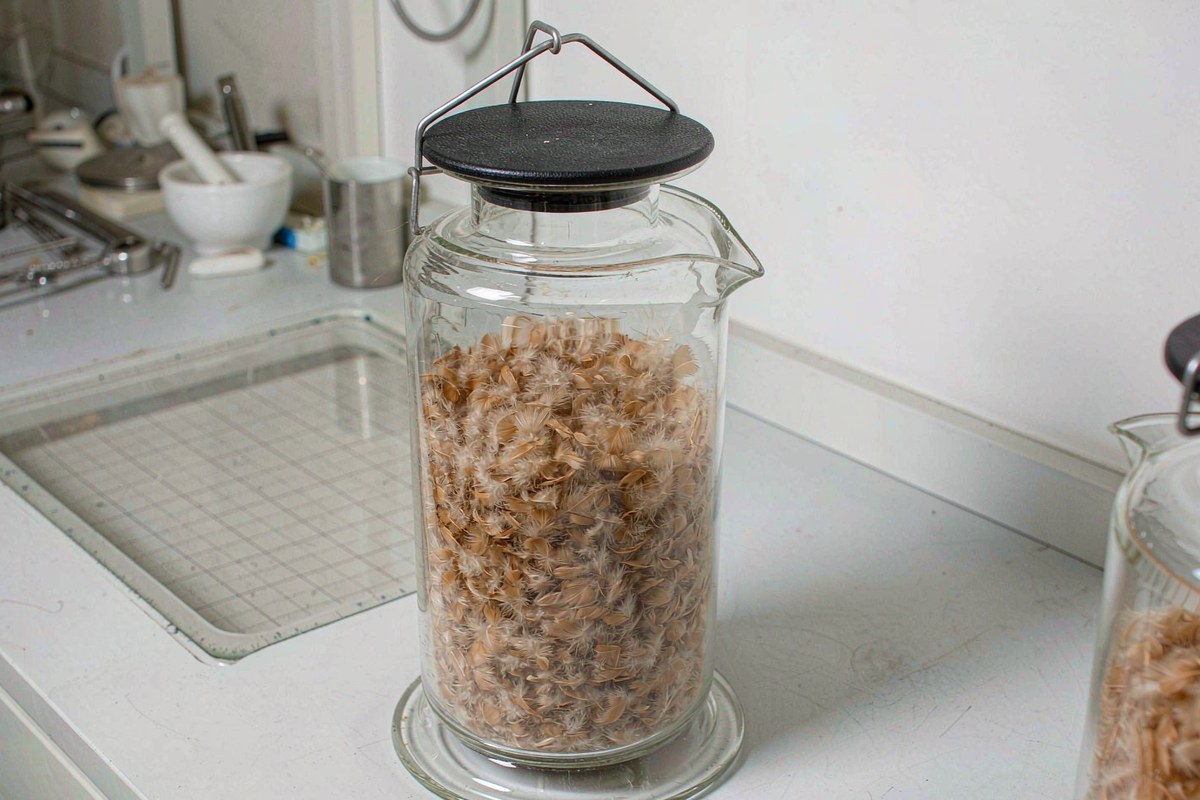
Down is a natural material and no two lots are identical. That is why serious programs test incoming fill, not just finished garments: a fill power cylinder reading at goods-in catches the lot that will disappoint before it becomes 3,000 jackets. Programs that skip incoming inspection discover their fill quality problem from customer returns in January - the most expensive possible timing. Verification guidance for adjacent claims follows the same logic we set out in the PFAS-free buyer guide.
Fill power is a quality number. Fill weight is a warmth number. Programs that confuse the two sell jackets that feel expensive and wear cold.
UniOuter development notes, winter 2026The Warm-Winter Strategy: Thinner, Layered, Both
The strategic read for 2027 lines is not down-or-synthetic - it is thinner insulated pieces that stack. A 60-gram synthetic mid layer under a shell covers most of a volatile winter; a real down piece becomes the one hero SKU for the genuine cold snap, sold on compressibility and FP rather than on bulk. That ladder logic is exactly what the smaller first buys analysis predicts will refill fastest: mid-weight insulation is light to ship, quick to re-cut and never waits for a forecast. Two sourcing notes matter. First, synthetic fill increasingly comes from recycled PET - the certification stack is covered in our recycled fabrics guide. Second, for fleece mid layers, the microplastics scrutiny described in the fleece regulation briefing applies to the synthetic insulation layer's neighbours in the same wash cycle.
Where UniOuter Fits In
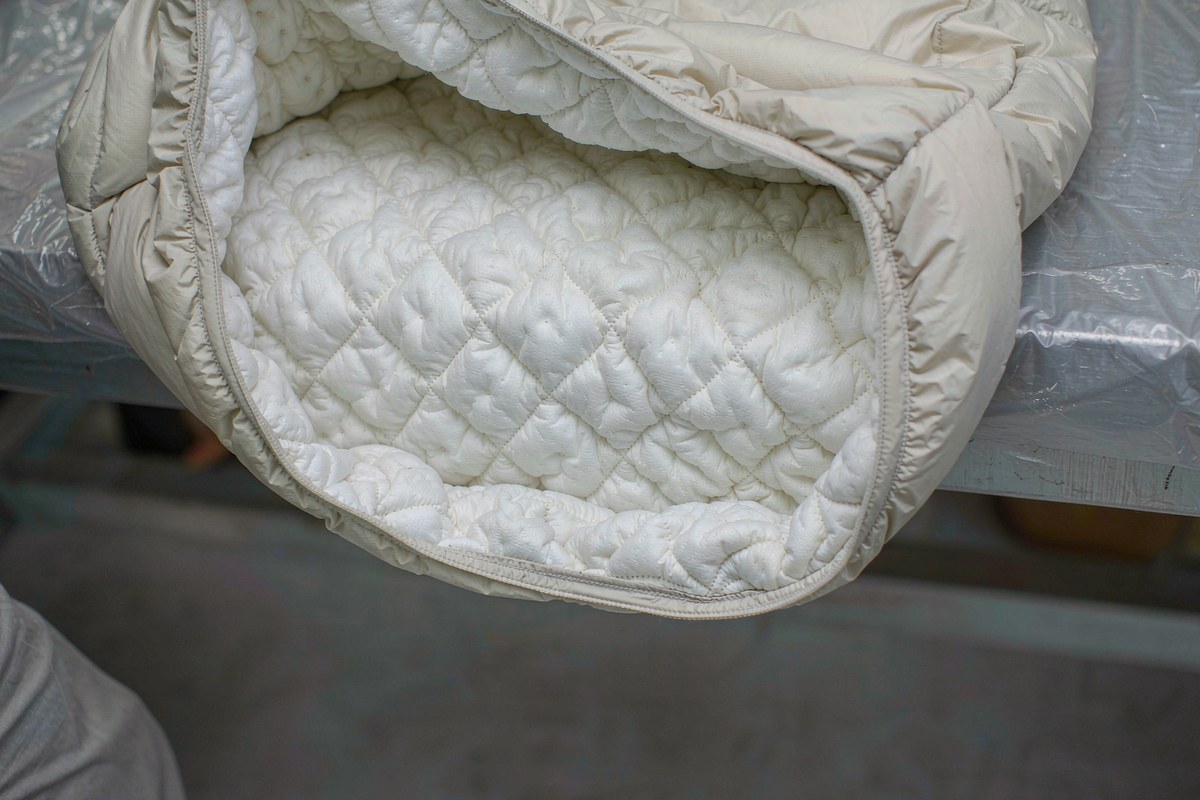
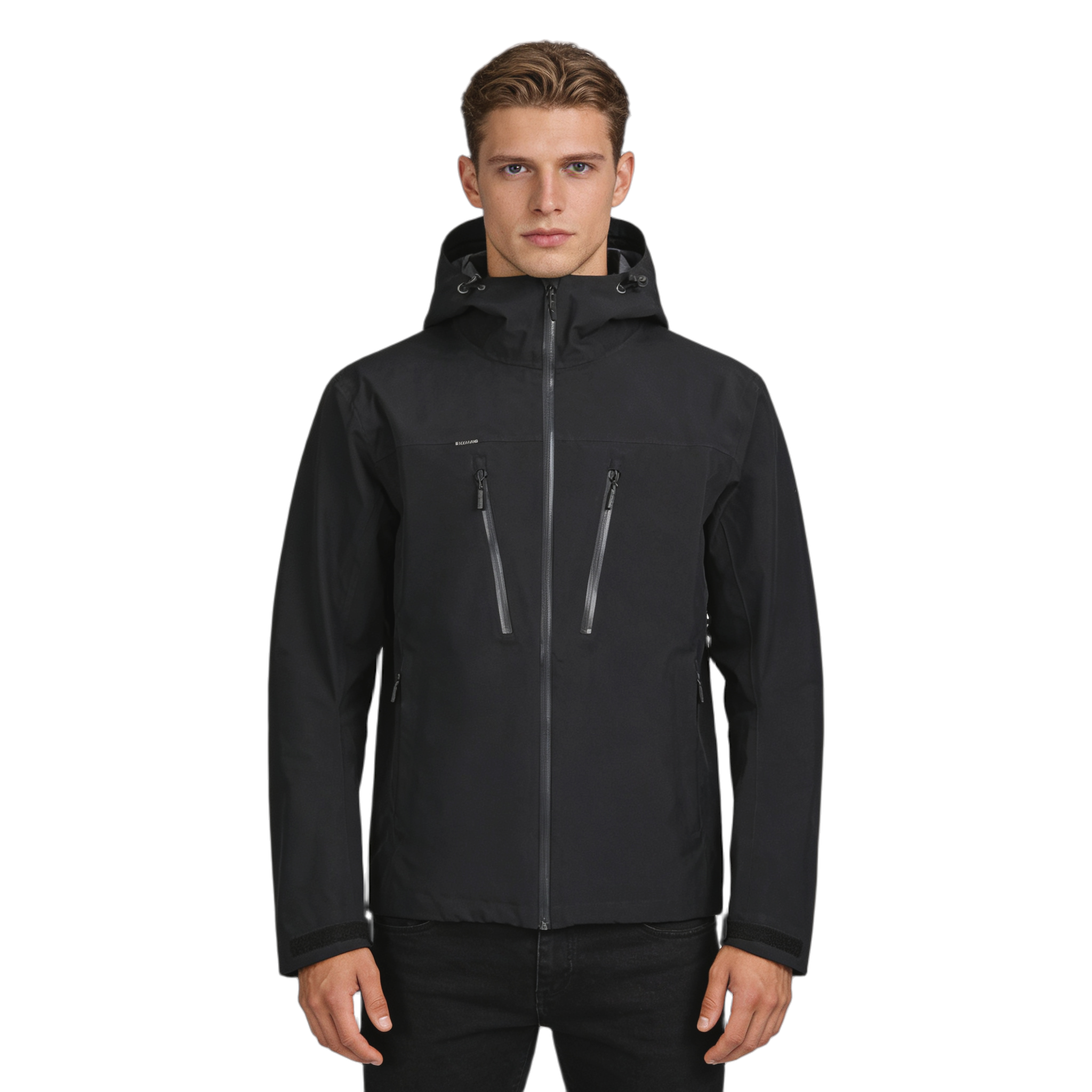
UniOuter develops insulated pieces inside the layering ladder rather than as standalone puffers: RDS-certified down with documented chain of custody, recycled synthetic fills, baffle construction matched to the fill grade, and 300-to-500-piece starting runs so a line can carry both a real down hero and the synthetic mid layer it stacks with. The fabric selection guide frames how shell cloth choice drives the insulation decision, and the jacket line building guide places insulation within the full ladder.
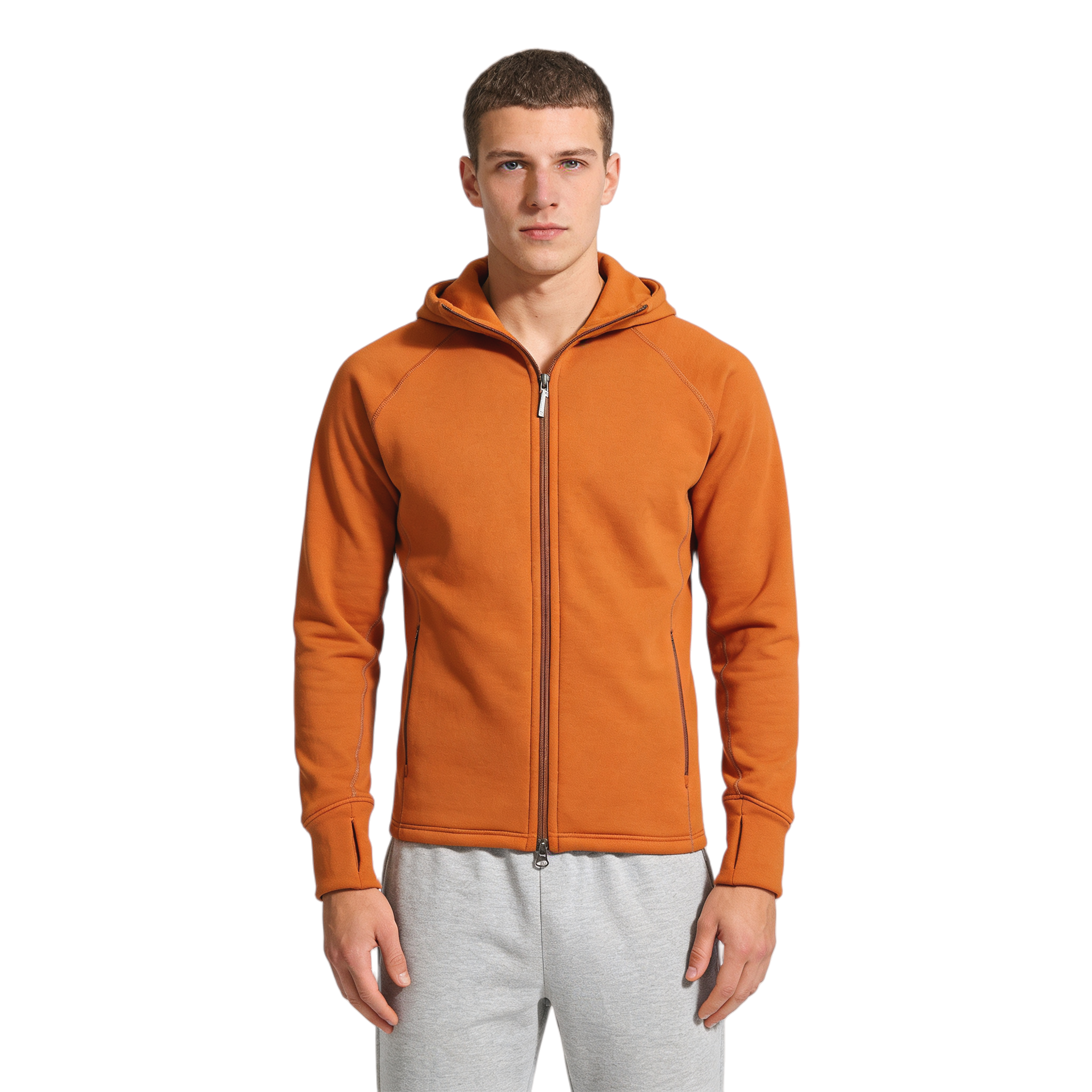
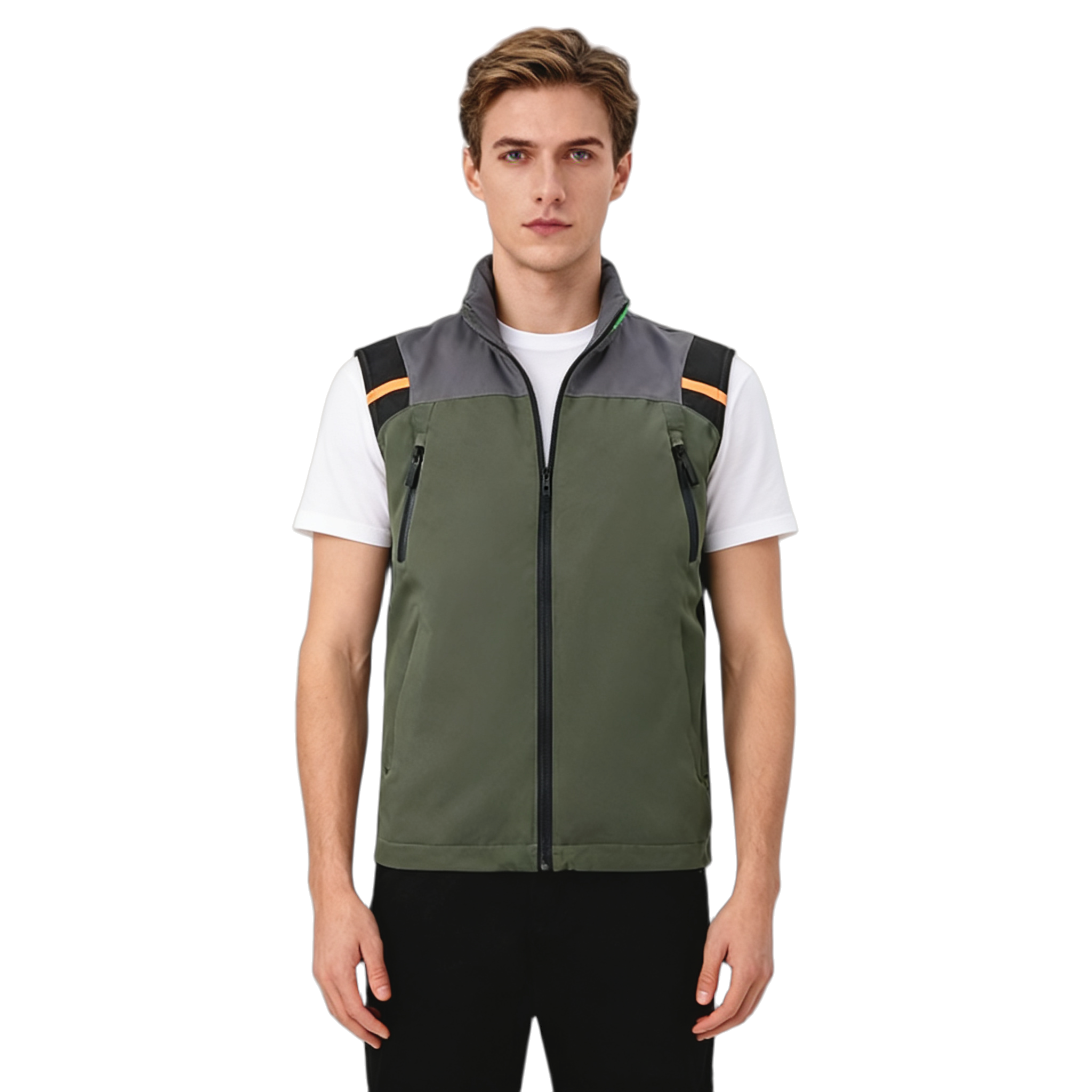
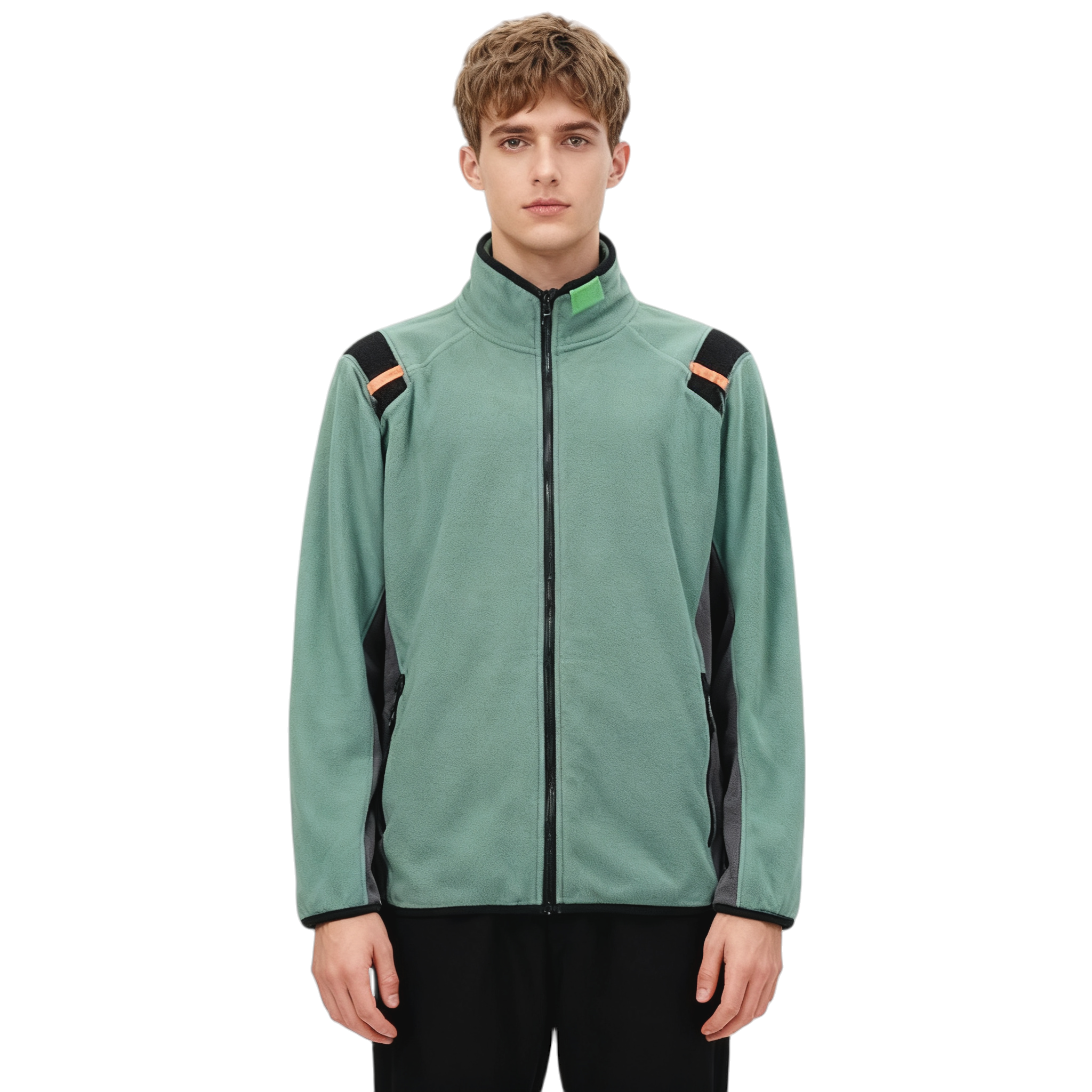
Everyday insulated pieces typically run 60-100 g of fill at 550-650 FP; technical and alpine pieces run 120-200 g at 700-800+ FP. Warmth tracks total fill weight multiplied by fill power, so always spec both numbers per size instead of quoting fill power alone.
No. Fill power measures loft per ounce, not total warmth. A 90-gram fill of 650-FP down traps more air in total than a 60-gram fill of 800-FP down - which is why an alpine parka with mid-grade down out-warms an ultralight puffy with premium down.
The Responsible Down Standard certifies animal-welfare traceability from farm through factory. Major retailer vendor manuals in the EU and US now list it as a requirement, so non-certified down is an inspection rejection risk rather than a saving.
For maritime, rain-heavy or machine-wash-heavy end uses. Synthetic fill keeps insulating when soaked, dries fast, launders hard and costs less - trading away some warmth-to-weight and packed bulk.
Unlike sleeping bags (EN 13537 / ISO 23537), consumer jackets have no universal warmth rating. EN 342 measures insulation for cold-protection garments, and specialist laboratories verify fill power, composition and turbidity per incoming down lot.